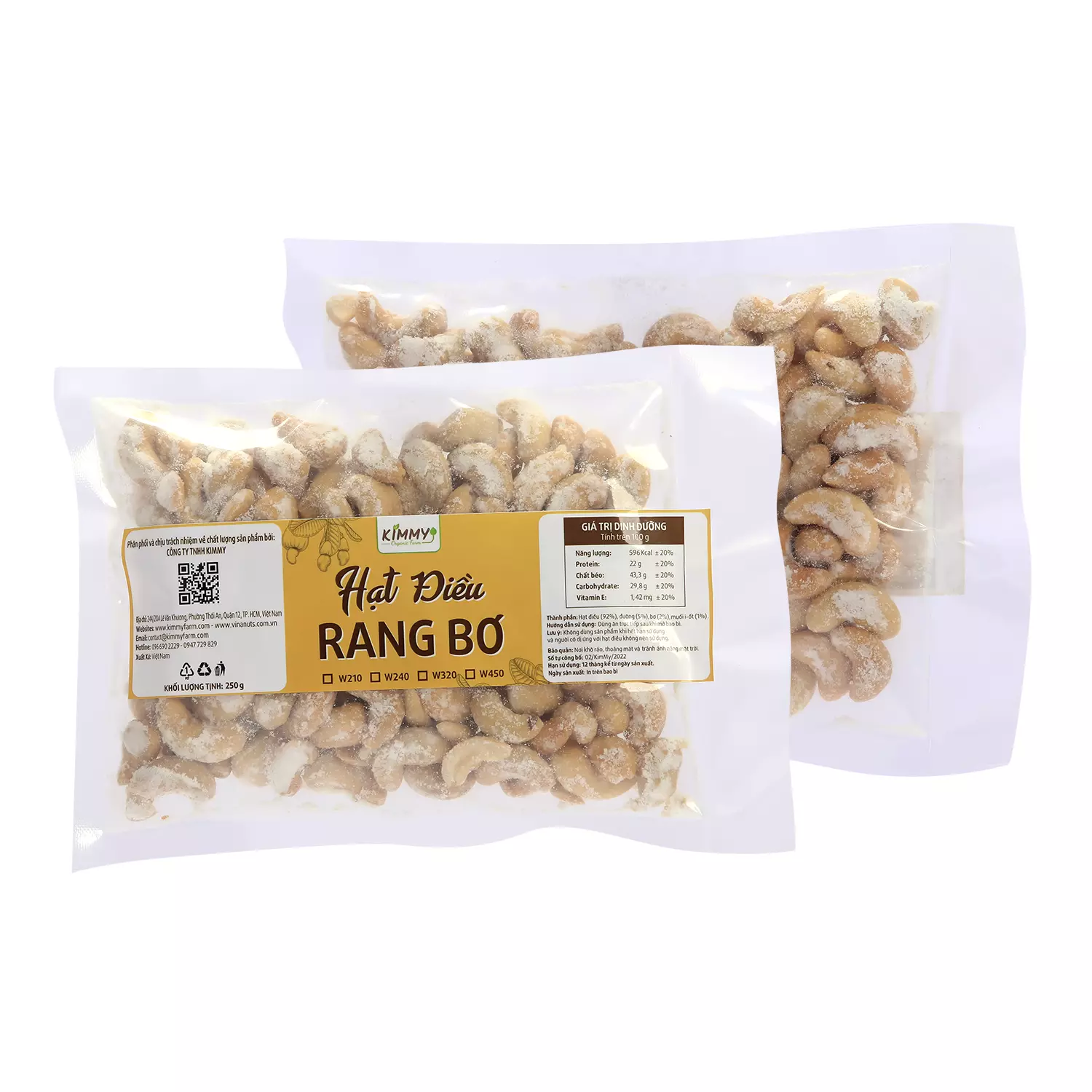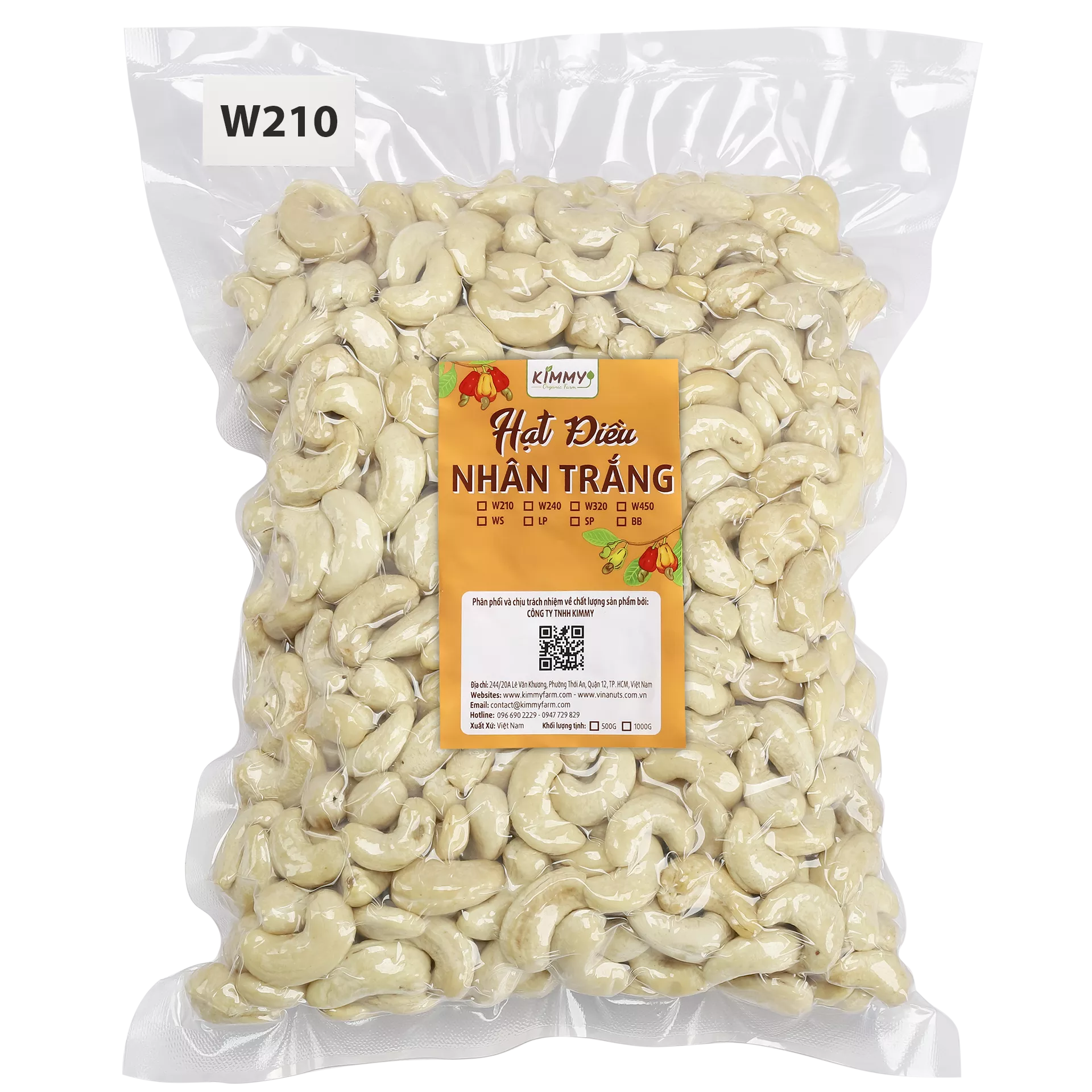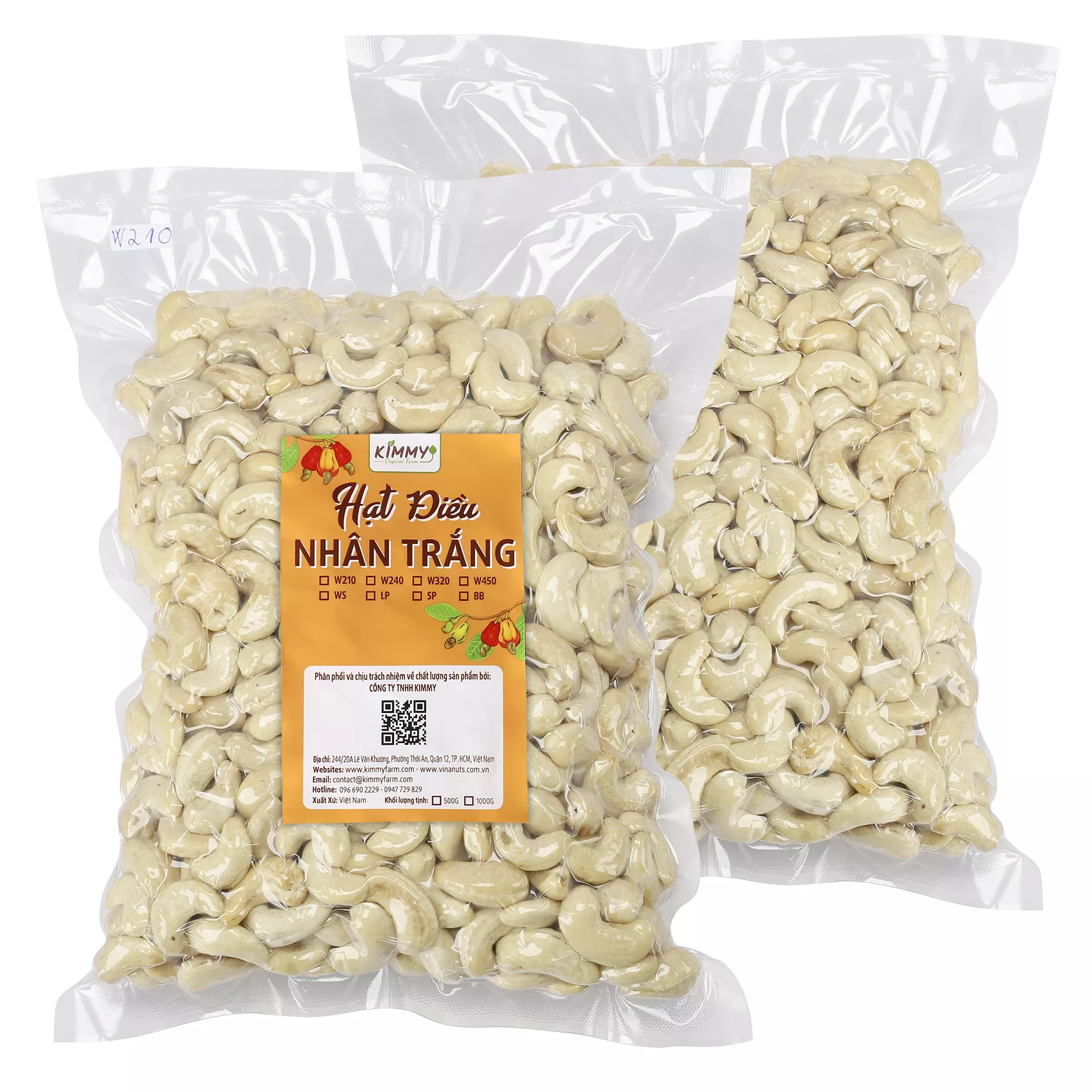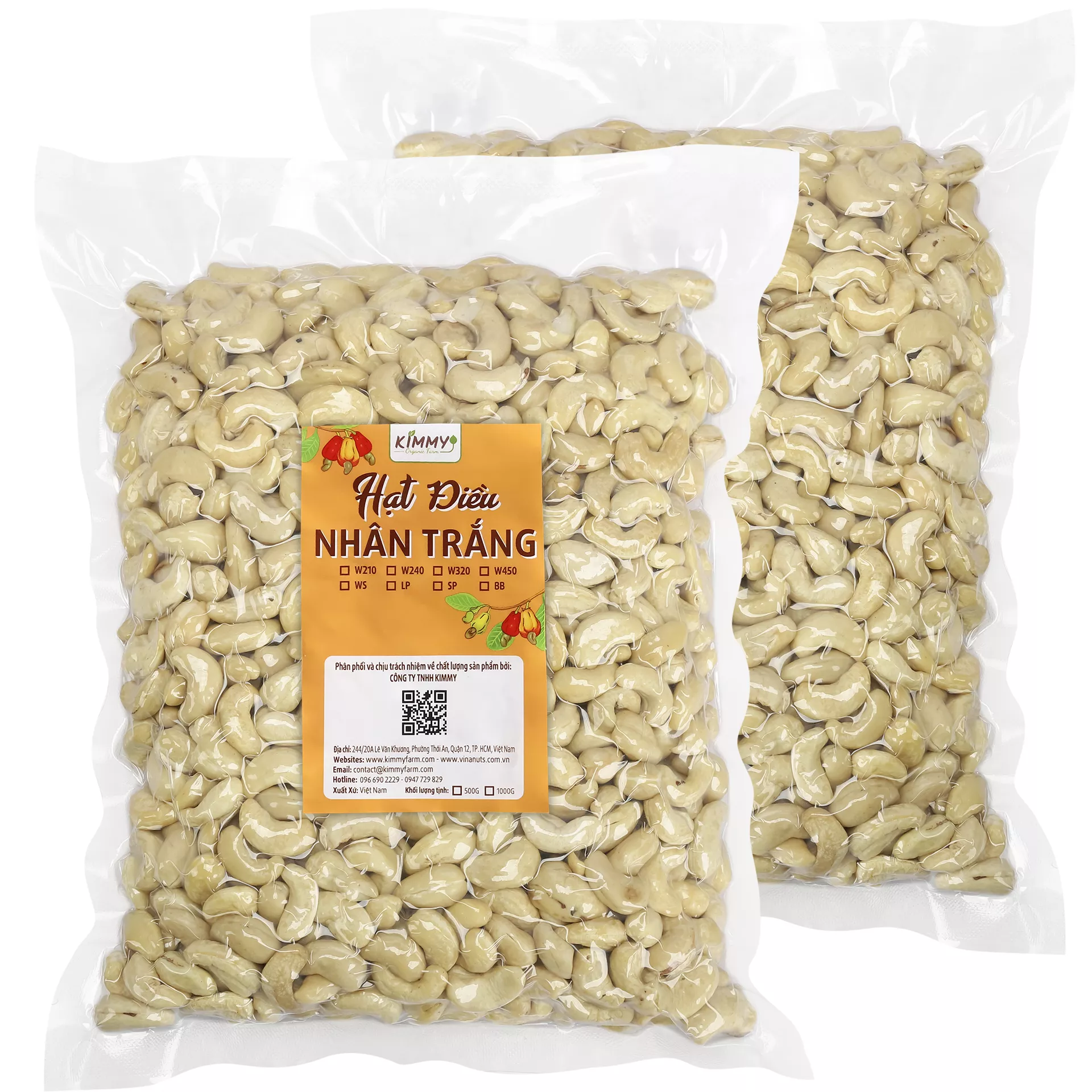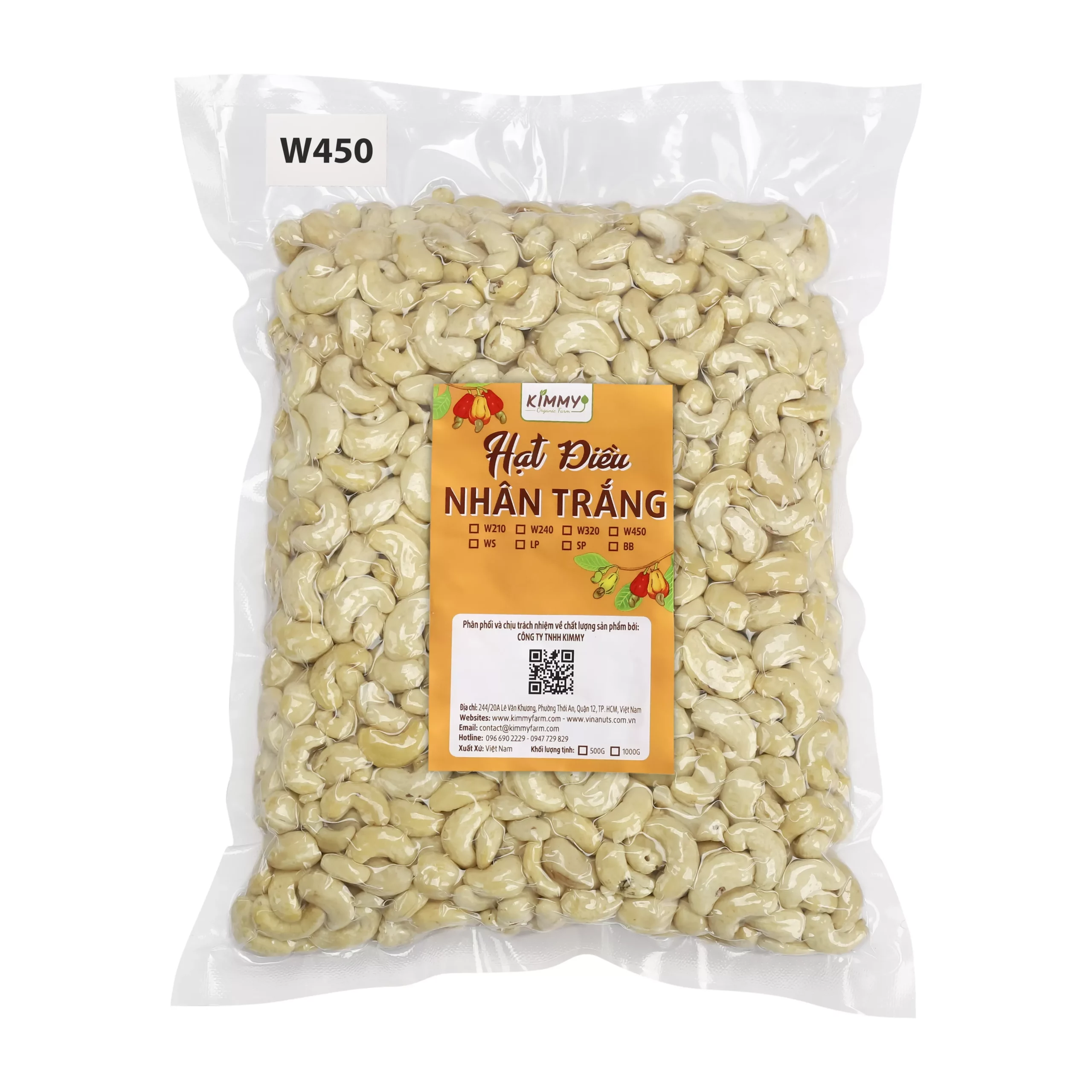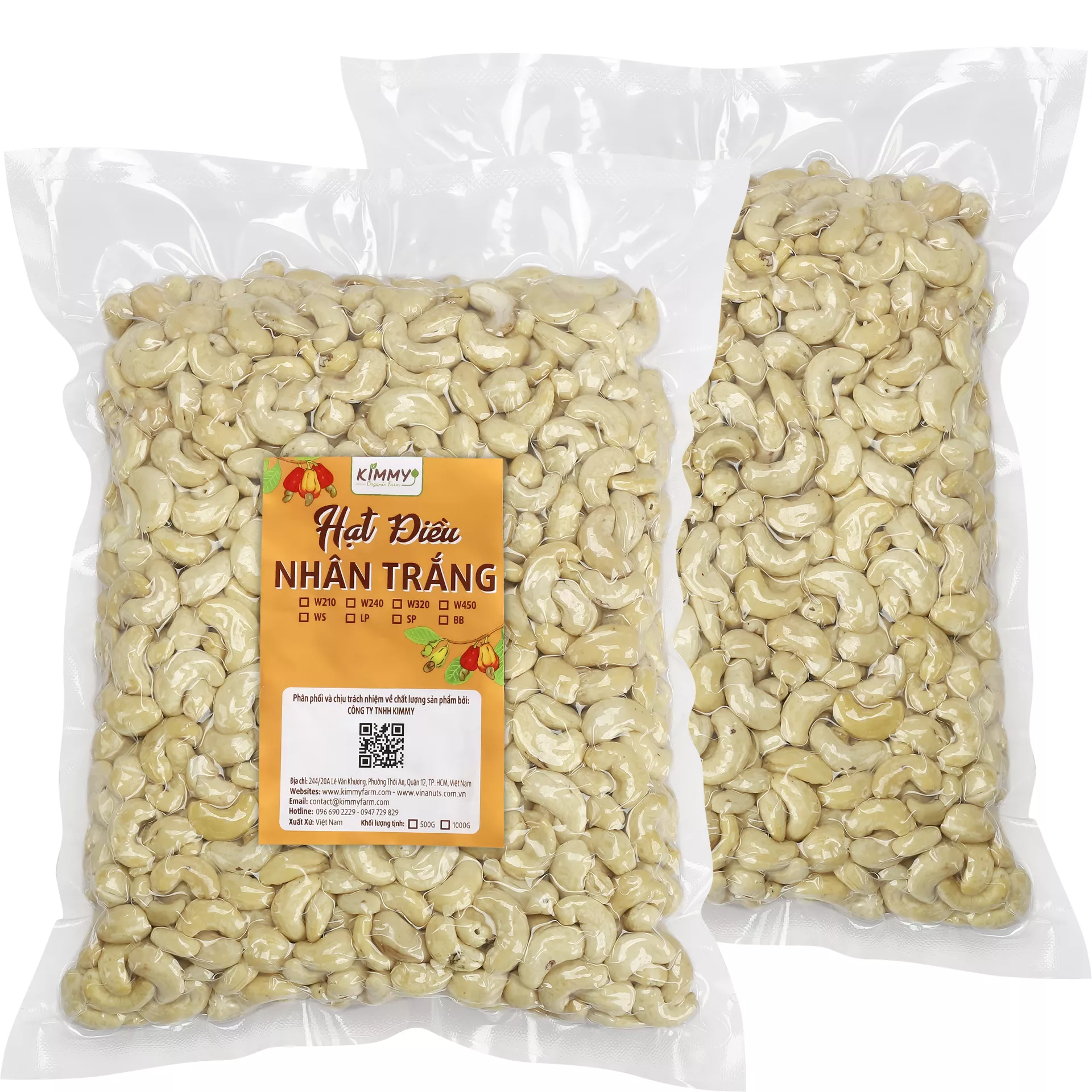
In Vietnam, there are several export standards for cashew kernels. The standard applied often depends on the requirements of the importing market. However, one of the most common and widely used standards in Vietnam’s cashew processing industry is the AFI standard for cashew kernels.
So, what is AFI? And what does the AFI standard for export cashew kernels include? Let’s explore the key details below.
What Is AFI?
AFI stands for The Association of Food Industries. It is a U.S.-based trade association that supports companies involved in the food import and export industry. AFI develops programs that help member companies trade more smoothly, promote fair and open trade, and comply with U.S. laws and regulations.
In the food industry, AFI is known for setting practical commercial standards that help buyers, sellers, importers, exporters, and processors communicate more clearly about food product quality.
Related article: HACCP Food Safety Certification for the Cashew Industry

Official logo of The Association of Food Industries, also known as AFI.
What Is the AFI Standard for Cashew Kernels?
The AFI standard for cashew kernels is a set of commercial quality requirements, specifications, grading rules, and abbreviations developed to help standardize cashew kernel trading, especially for products entering the U.S. market.
Today, however, the AFI standard is used widely beyond the United States. It has become one of the most familiar grading systems in the global cashew industry. In Vietnam, many cashew processors and exporters also apply AFI specifications when producing and classifying cashew kernels.
Related article: Types of Cashew Kernels, Standards, and Classification Methods
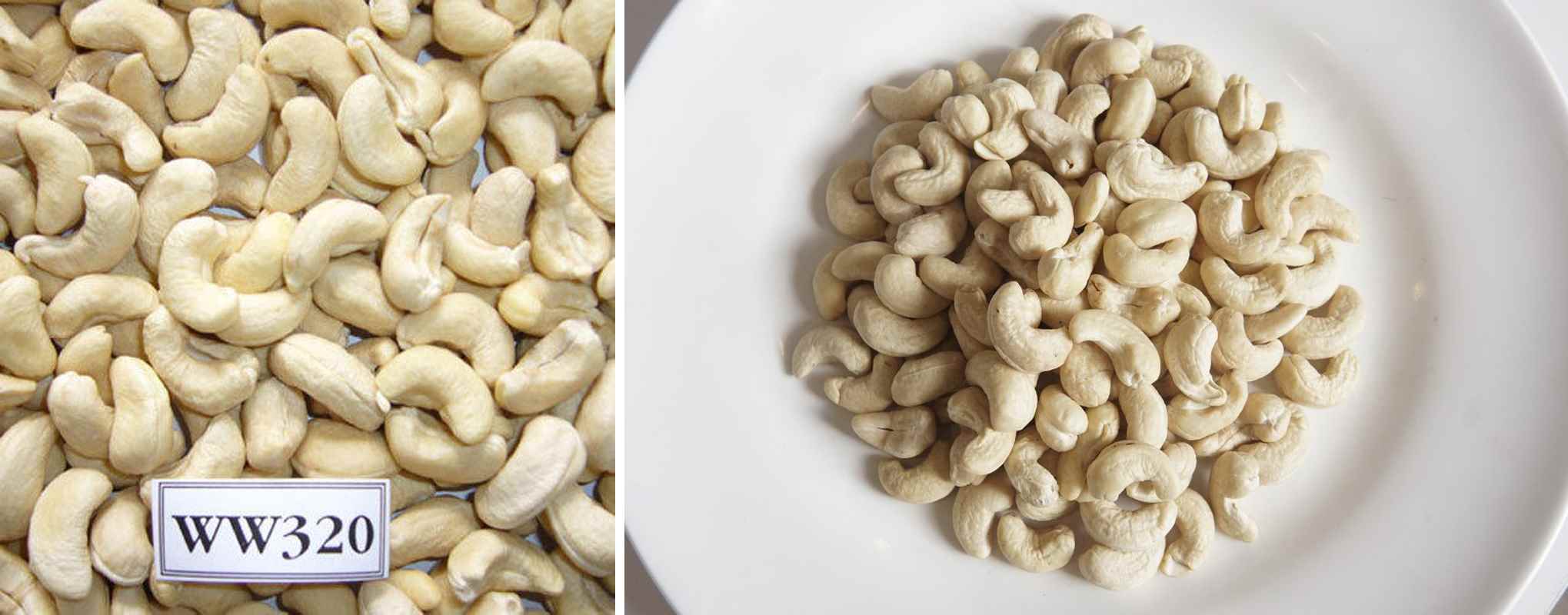
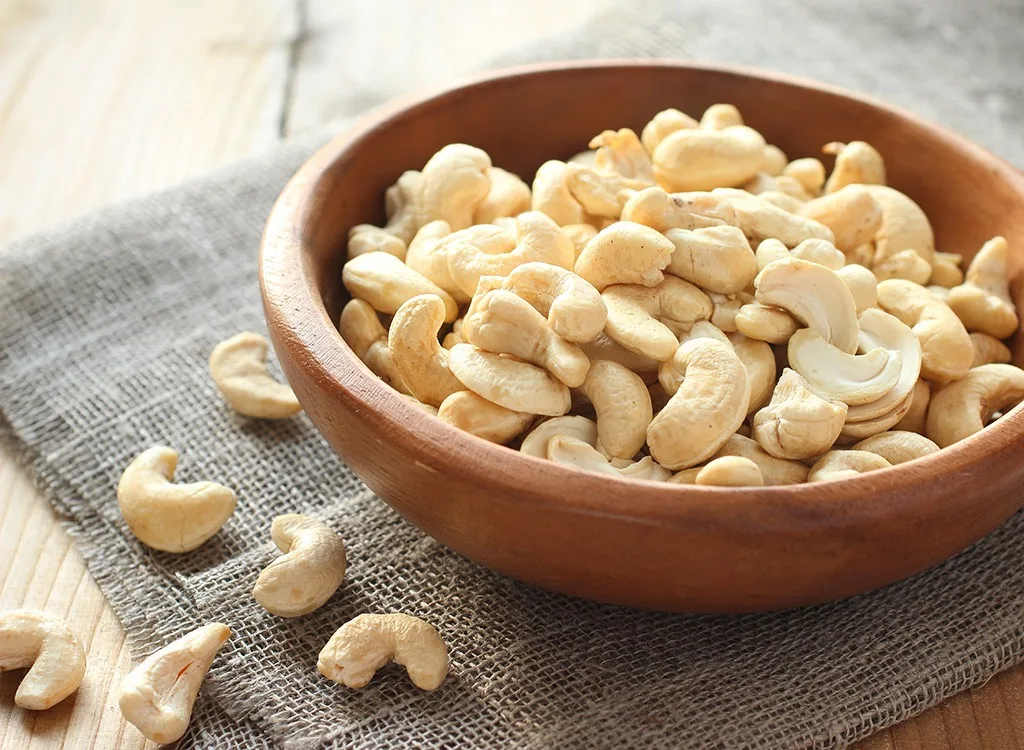
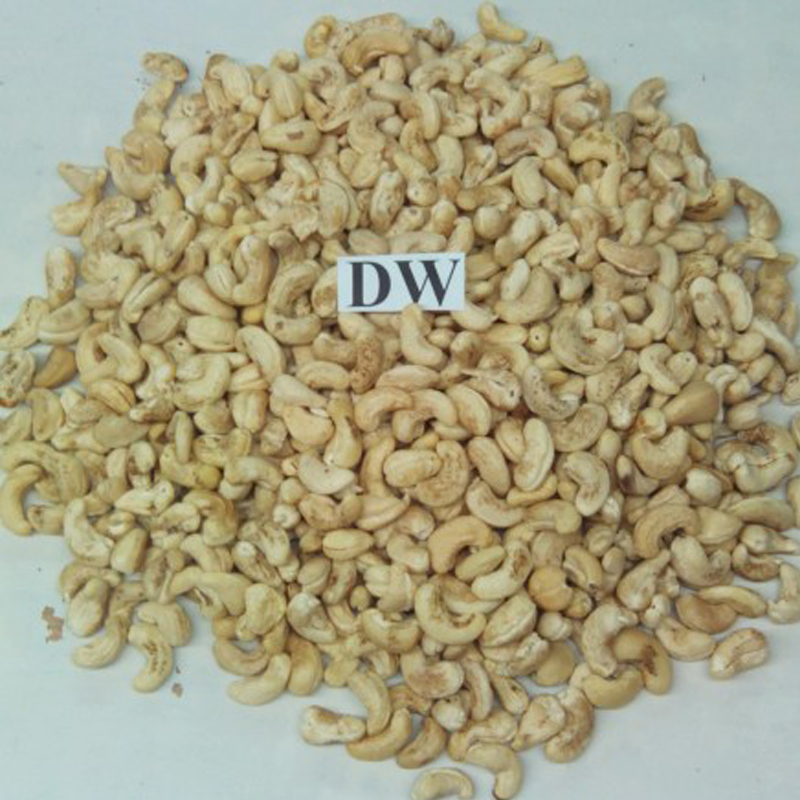
W320 cashew kernels are commonly classified according to AFI standards.
Key Details of the AFI Standard in the Cashew Industry
10 General Requirements for Cashew Kernels Under AFI Standards
- Cashew kernels must be free from live insect infestation.
- Cashews must be packed in new, clean, dry, leak-proof containers. The packaging must be strong enough to protect the product during normal storage and transportation. Outer cartons should be new, clean, free from insects and mold, and properly sealed. Cartons should meet suitable strength requirements, and food-grade CO₂ must be used when required.
- Only approved pesticides may be used on cashews, and pesticide residue must remain within the limits allowed by the importing country. In the U.S., pesticide residues must comply with the approved limits. Fumigation with methyl bromide and naphthalene is prohibited.
- All cartons must be clearly marked with product name, trademark if any, manufacturer or packer name and address, grade, net weight, country of origin, buyer’s name or code, destination port, lot number, and other agreed markings.
- The bill of lading must list the number of cartons, country of origin, and carton markings.
- Shipments must be inspected before loading. Transport conditions must be suitable for food products and free from strange odors, insects, mold, rodent activity, and foreign materials.
- Cashew kernel moisture must be between 3% and 5%, determined according to the AOAC reference method.
- If the contract requires a “fry test,” it must be carried out according to the agreed appendix or testing method.
- Hard blocking is not allowed. “Hard blocking” means cashew kernels in vacuum bags become so tightly stuck together that they cannot be separated without using external tools.
- Cashew kernels must be free from hard or sharp foreign materials, as well as hair.
Quality Grades and Classification of Cashew Kernels Under AFI Standards
Under AFI standards, cashew kernels may be classified into several quality grades, including First Quality Fancy, Second Quality Scorched, Lightly Blemished Wholes, Blemished Wholes, Third Quality Special Scorched, Fourth Quality, and Dessert.
- First Quality Fancy: Kernels have a uniform color, usually white, pale yellow, or pale ivory.
- Second Quality Scorched: Kernels may be yellow, light brown, pale ivory, light ash gray, or deep ivory.
- Third Quality Special Scorched: Kernels may be deep yellow, brown, amber, or light to dark bluish. They may be slightly shriveled, immature, lightly speckled, blemished, or otherwise discolored.
- Fourth Quality: Kernels are similar to first or second quality, but more visible spots are accepted.
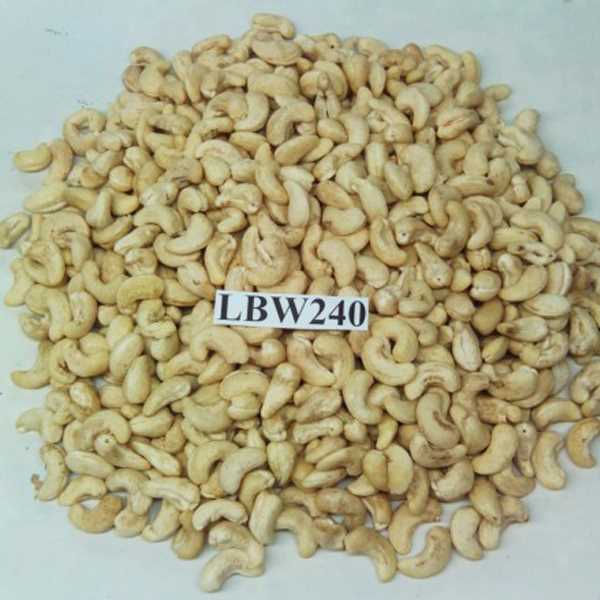
- Lightly Blemished Wholes (LBW): Kernels may be light brown, pale ivory, light ash gray, or deep ivory. Light brown speckles or surface blemishes are allowed, provided no more than 40% of the kernel surface is affected.
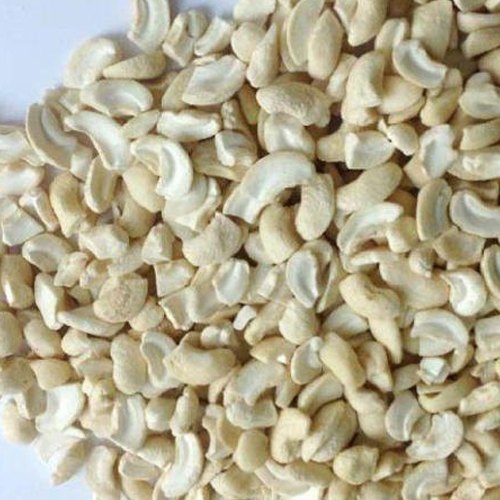
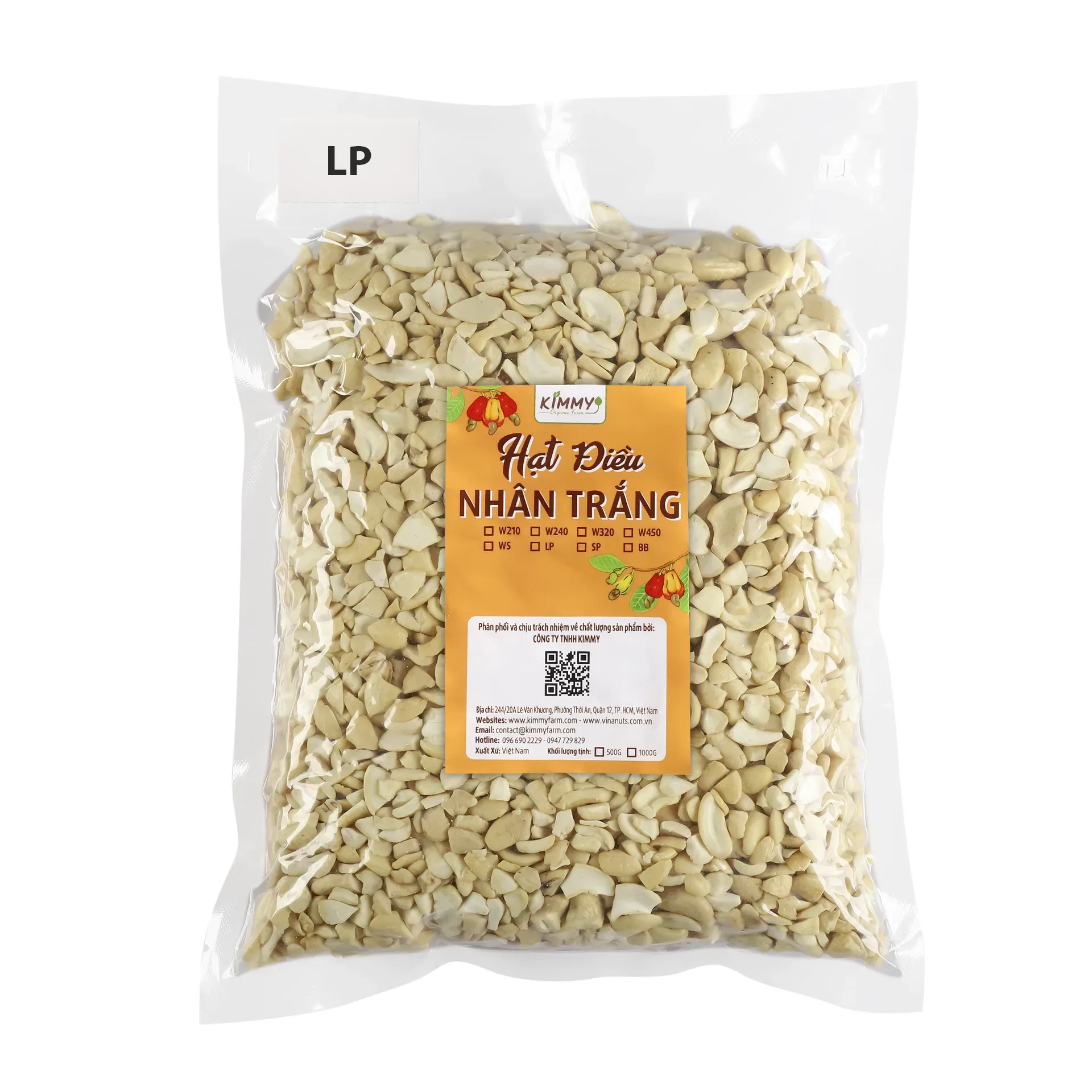
- Lightly Blemished Pieces (LP): Pieces may be light brown, pale ivory, light ash gray, or deep ivory. Surface blemishes are allowed, provided no more than 20% of the piece surface is affected.
- Blemished Whole (BW): Kernels may be deep yellow, brown, amber, or light to dark bluish. They may be slightly shriveled, immature, speckled, or blemished, provided no more than 60% of the kernel surface is affected.
- Dessert: Kernels may have knife marks, deep scorching, shriveling, dark brown spots, black spots, blemishes, or other discoloration.
Cashew Kernel Size Rules Under AFI Standards
- Size grading is required for first-quality whole kernels and is commonly applied to other whole kernel grades as well.
- Undersized kernels in whole grades should not exceed 10% by weight.
- Broken kernels or pieces in whole grades should not exceed 10% by weight.
- Pieces found in Butts and Splits grades should not exceed 10% by weight.
- Adjacent lower-size pieces in Pieces grades should not exceed 5% by weight.
| Common AFI Cashew Kernel Grade | Kernels per kg | Kernels per lb |
| Cashew WW-180 | 266–395 kernels | 140–180 kernels |
| Cashew WW-210 | 395–465 kernels | 180–210 kernels |
| Cashew WW-240 | 485–530 kernels | 220–240 kernels |
| Cashew WW-320 | 660–706 kernels | 300–320 kernels |
| Cashew WW-450 | 880–990 kernels | 400–450 kernels |
| Cashew WW-500 | 1,022–1,120 kernels | 460–500 kernels |

Common cashew kernel grades based on AFI standards: WW240, WW320, WW450, SW240, SW320, and SW450.
Kernel Size and Shape Designations
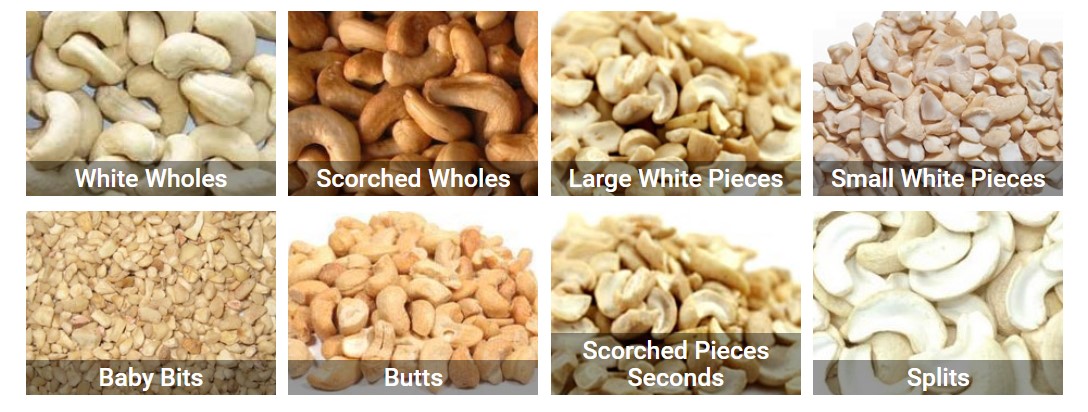
- Whole (W): A kernel is classified as whole if it has the natural shape of a cashew kernel and no more than 1/8 of the kernel is broken off. Kernels broken beyond this level may be grounds for complaint.
- Butt (B): A kernel broken crosswise, with the remaining piece smaller than 7/8 but larger than 3/8 of a whole kernel. The two cotyledons remain naturally attached.
- Split (S): One half of a whole kernel split lengthwise, with the two cotyledons separated. Each half must not be broken by more than 1/8.
- Pieces: Broken kernel pieces of different sizes.
| Description | English Term | Abbreviation |
| White | White | W |
| Scorched | Scorched | S |
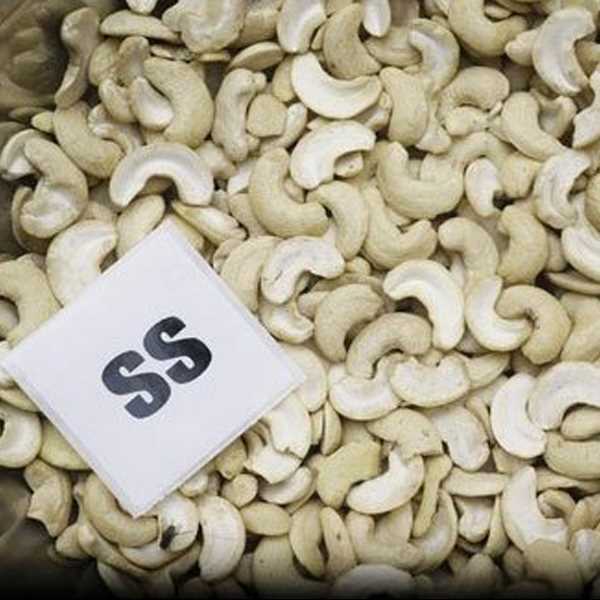
| Second Scorched | Second Scorched | SS |
| Light Blemish | Light Blemish | LB |
| Blemish | Blemish | B |
| Dark Blemish | Dark Blemish | DB |
| Butt | Butt | B |
| Blemish Butt | Blemish Butt | BB |
| Split | Split | S |
| Large Pieces | Large Pieces | LP |
| Small Pieces | Small Pieces | SP |

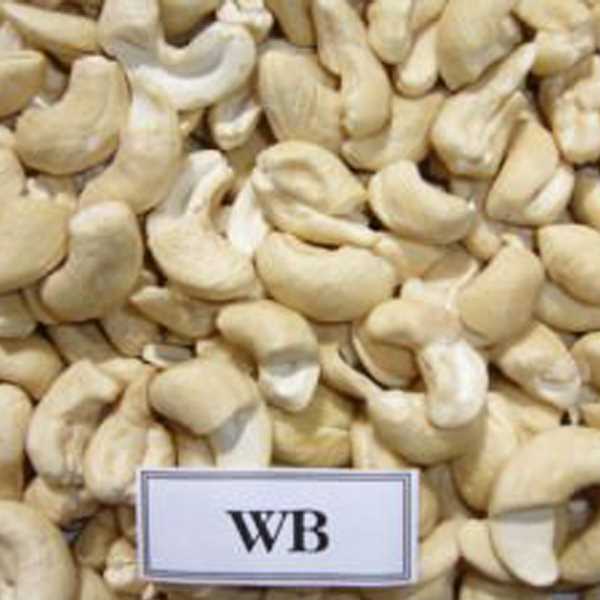
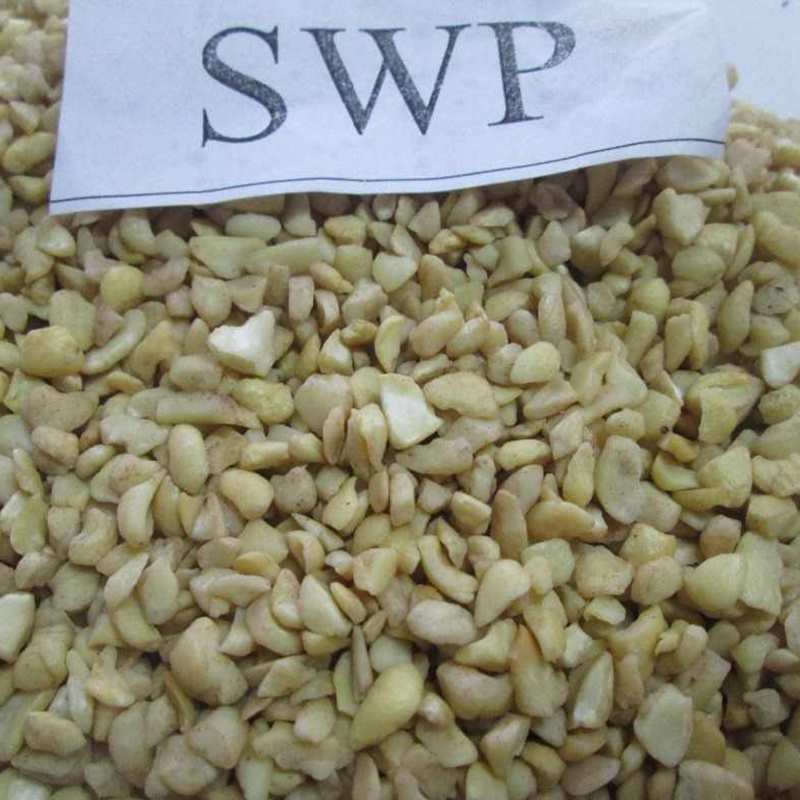
Under AFI cashew classification, common broken kernel grades include WS, LWP, SWP, SS, LP, SP, WB, and SB.
Other Important Definitions in AFI Cashew Standards
- Serious damage: Includes damage caused by insects, rodents, birds, mold, rancidity, decay, solder stains, or cashew shell oil contamination.
- Adhering substances: Cashew powder or foreign matter sticking to the surface of kernels and causing discoloration.
- Insect damage: Visible damage caused by live or dead insects at any stage, insect waste, webbing, wormholes, insect powder, larval casings, or evidence of insect activity in the container.
- Rodent damage: Any evidence of rodent activity.
- Bird damage: Bird feathers or bird waste found in the product.
- Mold: Visible fungal growth that can be detected by the naked eye.
- Rancidity: Oil leakage or off-flavor caused by oxidation, fermentation, microbial activity, insect infestation, or chemical contamination.
- Foreign matter: Includes shell, shell fragments, stones, soil, glass, metal, straw, sticks, plastic, hair, fabric fibers, paper, and thread.
- Defects: External or internal flaws that affect the condition of the lot, such as scorching, blemishing, discoloration, immature kernels, shriveling, brown or black pitted spots, adhering testa, knife marks, and speckling. Undersized or lower-grade kernels may also be treated as defects.
- Scorching: Discoloration caused by excessive heat during drying or roasting.
- Blemish or discoloration: Spots larger than 3 mm on the kernel surface, not caused by roasting or shelling.
- Immature kernels: Kernels that are not fully developed and do not have the normal cashew shape.
- Slightly shriveled kernels: Kernels with light wrinkles on the surface.
- Scraped kernels: Surface damage caused by scraping, with a total affected area greater than 5 mm. Scrapes inside the natural curve of the kernel are usually not counted.
- Shriveled kernels: Kernels that are fully wrinkled and have lost the typical cashew shape.
- Pitted spots: Black, brown, or other colored spots larger than 1 mm, usually caused by bruising before harvest.
- Adhering testa: Testa is the natural skin covering the cashew kernel. A kernel is considered to have adhering testa when the skin area exceeds 2 mm in total diameter. If the affected area is too large, it may be treated as serious damage.
- Superficial damage: Deep cuts on the kernel surface that change the typical shape of the cashew kernel.
- Flux marks: Black or brown marks caused by hot solder dropping onto kernels during tin sealing.
- Speckled kernels: Kernels with brown speckles remaining after testa removal.
- Spotting after roasting: Brown spots that appear after roasting but were not visible on the raw kernels.
- Scrapes after roasting: Surface marks that become brighter after roasting, usually caused by removing testa or defects with a knife.
- Blocking: Kernels sticking together due to high moisture or excessive vacuum pressure.
- Spotted kernels: Brown spots appearing on the surface after roasting but not visible before roasting.
- Scorched tip: A darker color at the tip of the kernel compared with the rest of the kernel, usually caused by roasting or shelling.
- Color variation: Any uneven color difference not classified as scorching.
- Dark roast: Kernels with light to medium brown color in a roasted sample, making the roast appear uneven.
- Deep roast: Kernels with dark brown color in a roasted sample, making the roast appear uneven.
- Scrapes: Scraped marks larger than 5 mm that appear lighter than the rest of the kernel surface.
- Uneven roast: A roasted sample with more than 7% combined defects such as spotting, scorched tips, color variation, dark roast, and deep roast. A sample may also be considered uneven if it contains more than 10% scrapes, or 15% when combined with other defects.
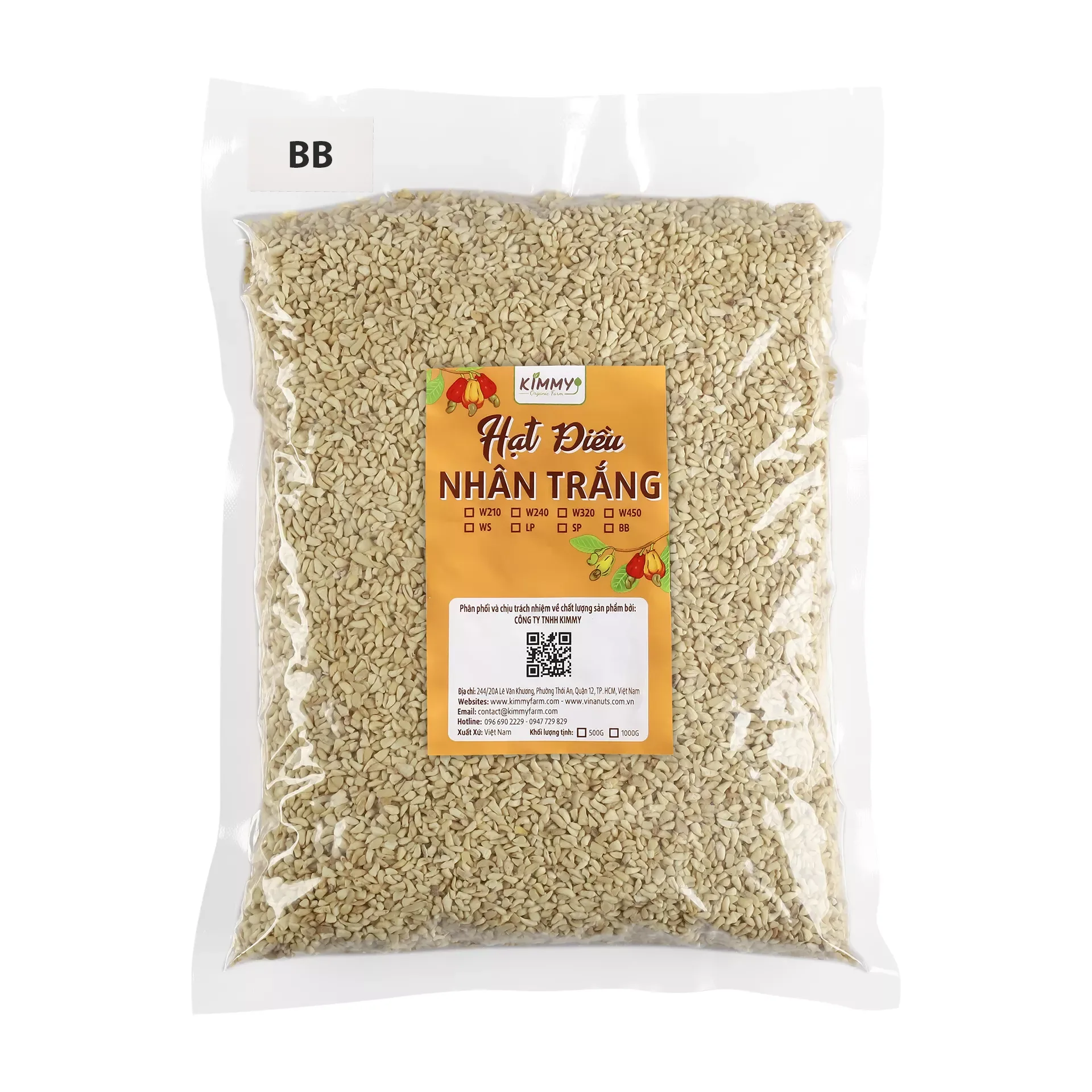
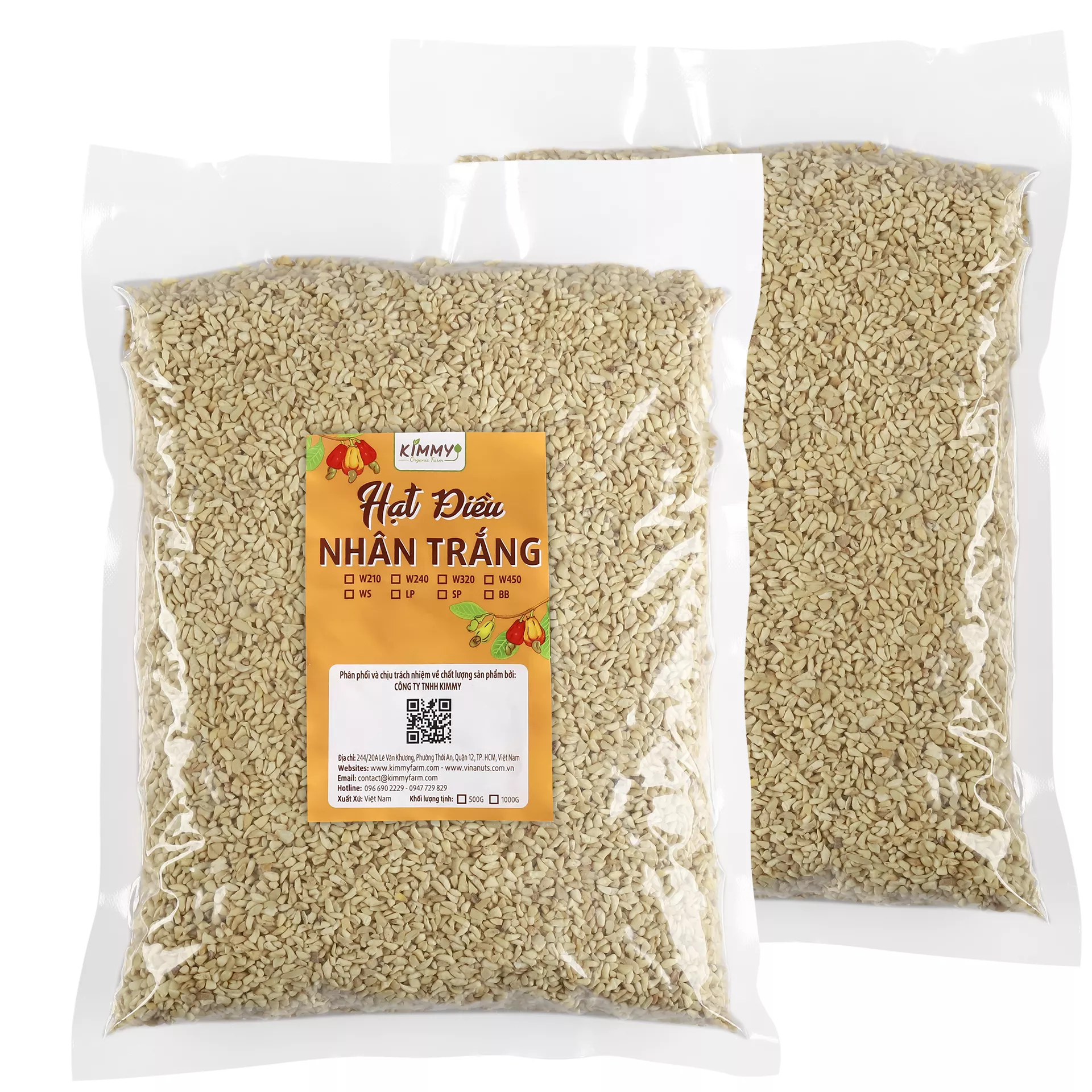


Chúng tôi là một thương hiệu chuyên sản xuất, thương mai và xuất khẩu các mặt hàng nông sản của Việt Nam. Chúng tôi có vùng trồng điều & nhà máy điều ở Bình Phước, trại nuôi ruồi lính đen ở Tây Ninh. Các mặt hàng xuất khẩu chính của Công ty là: hạt điều, hạt điều nhân, ruồi lính đen,… từ Việt Nam.