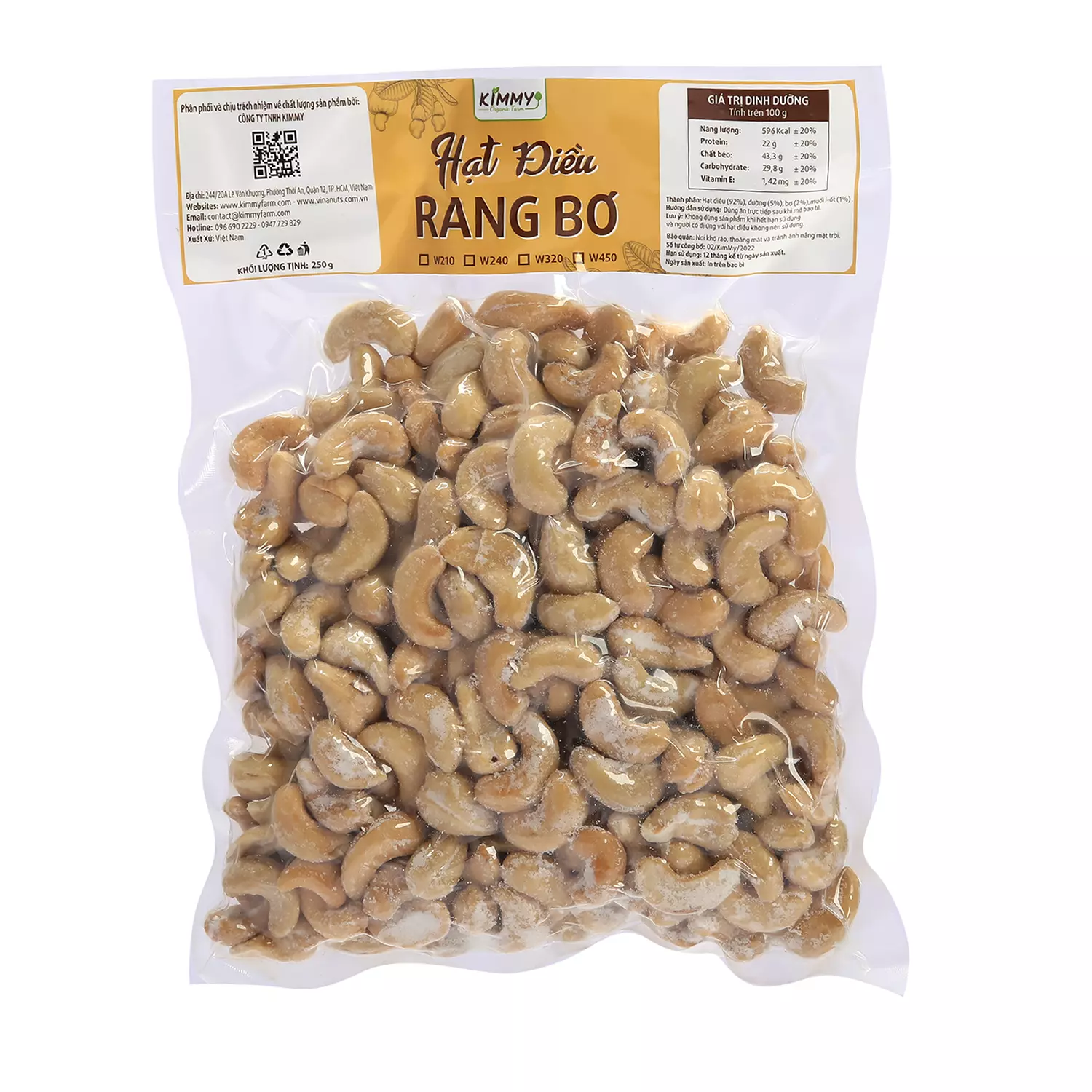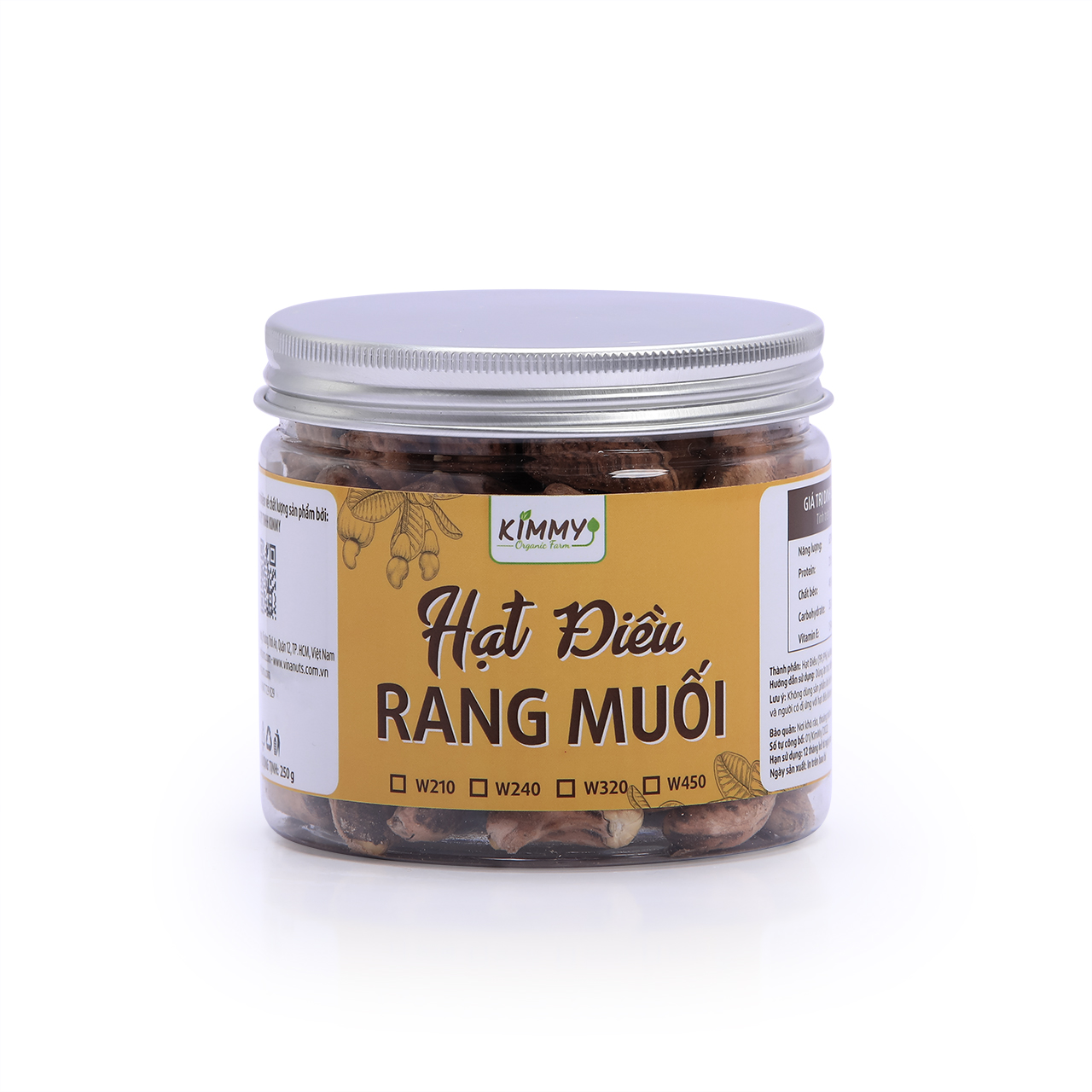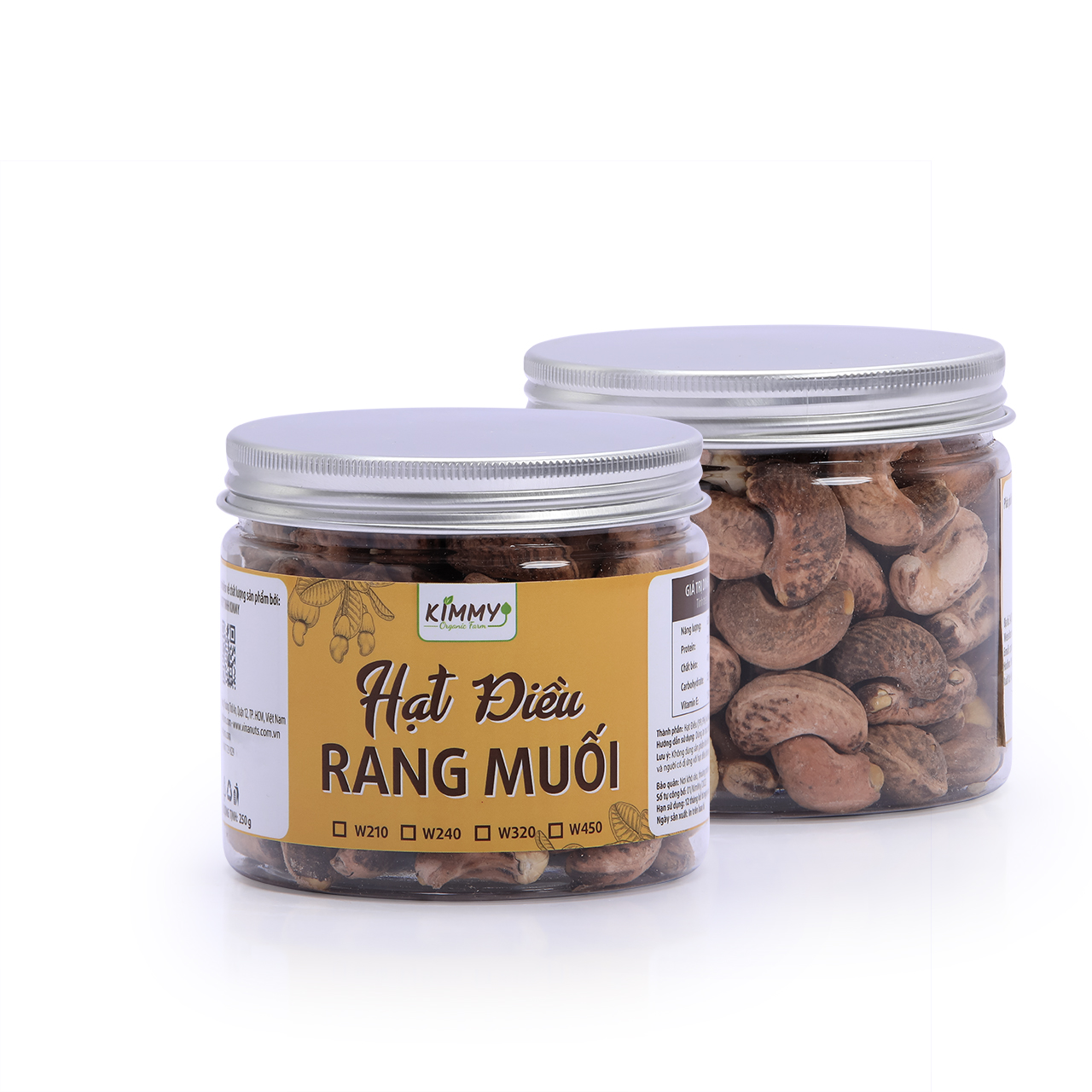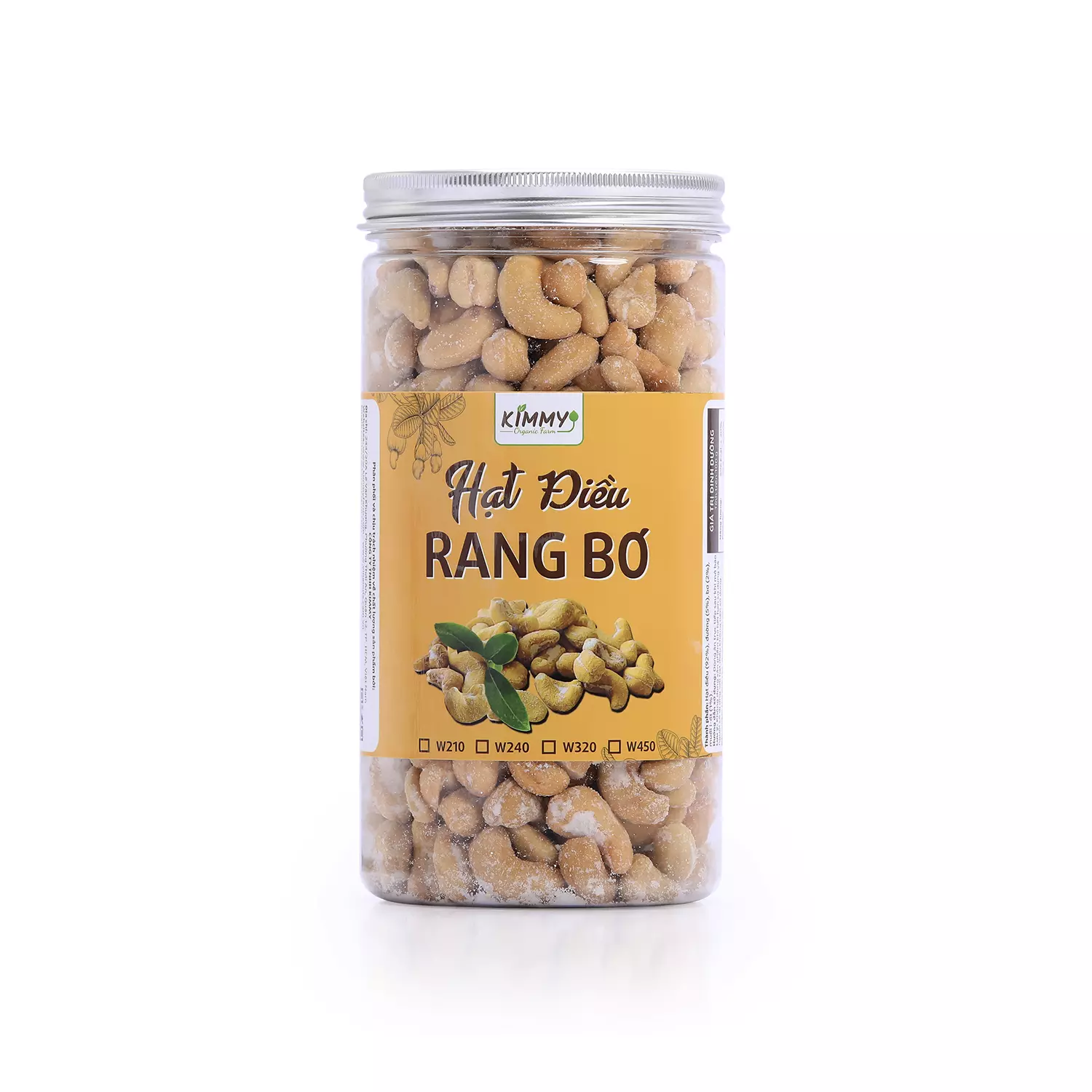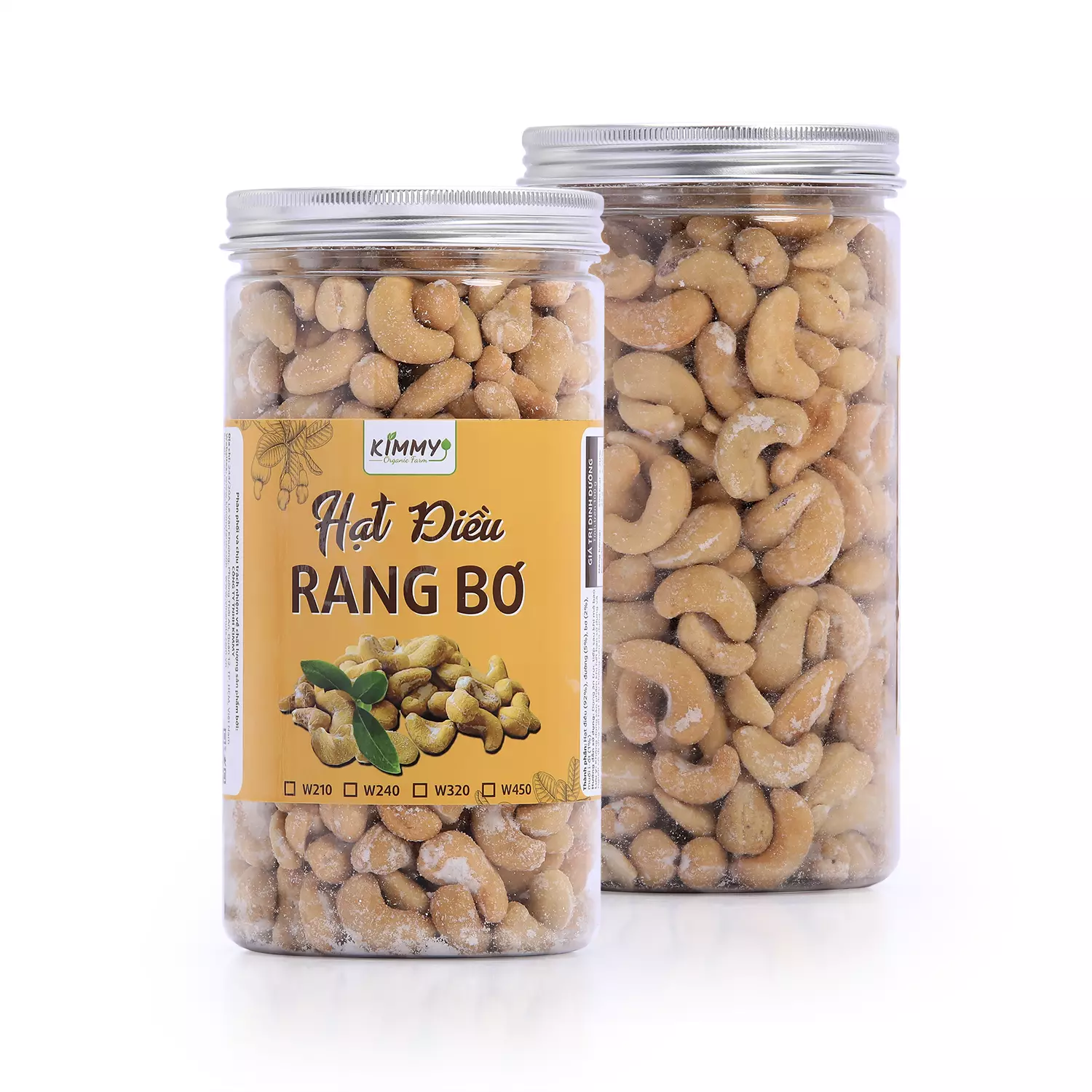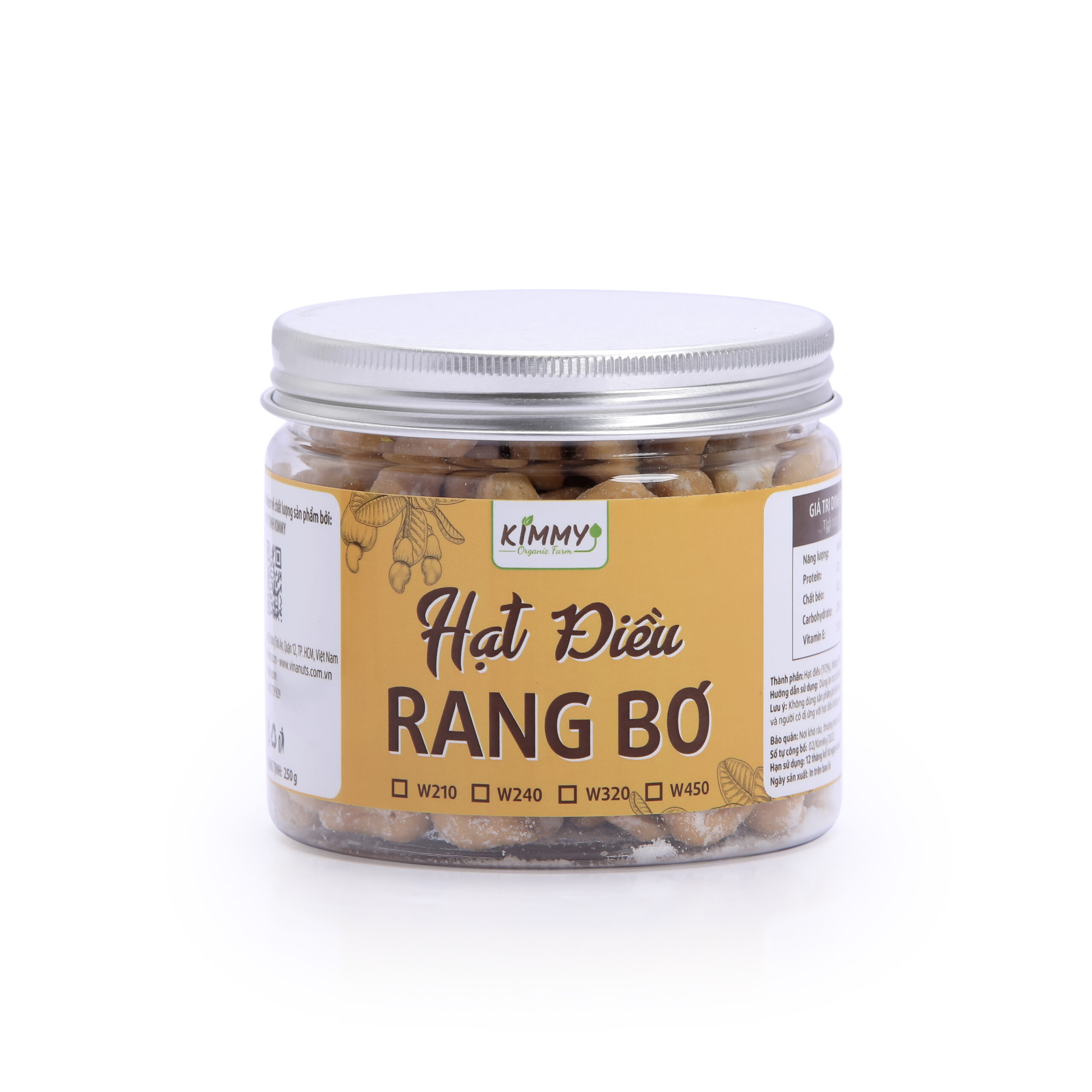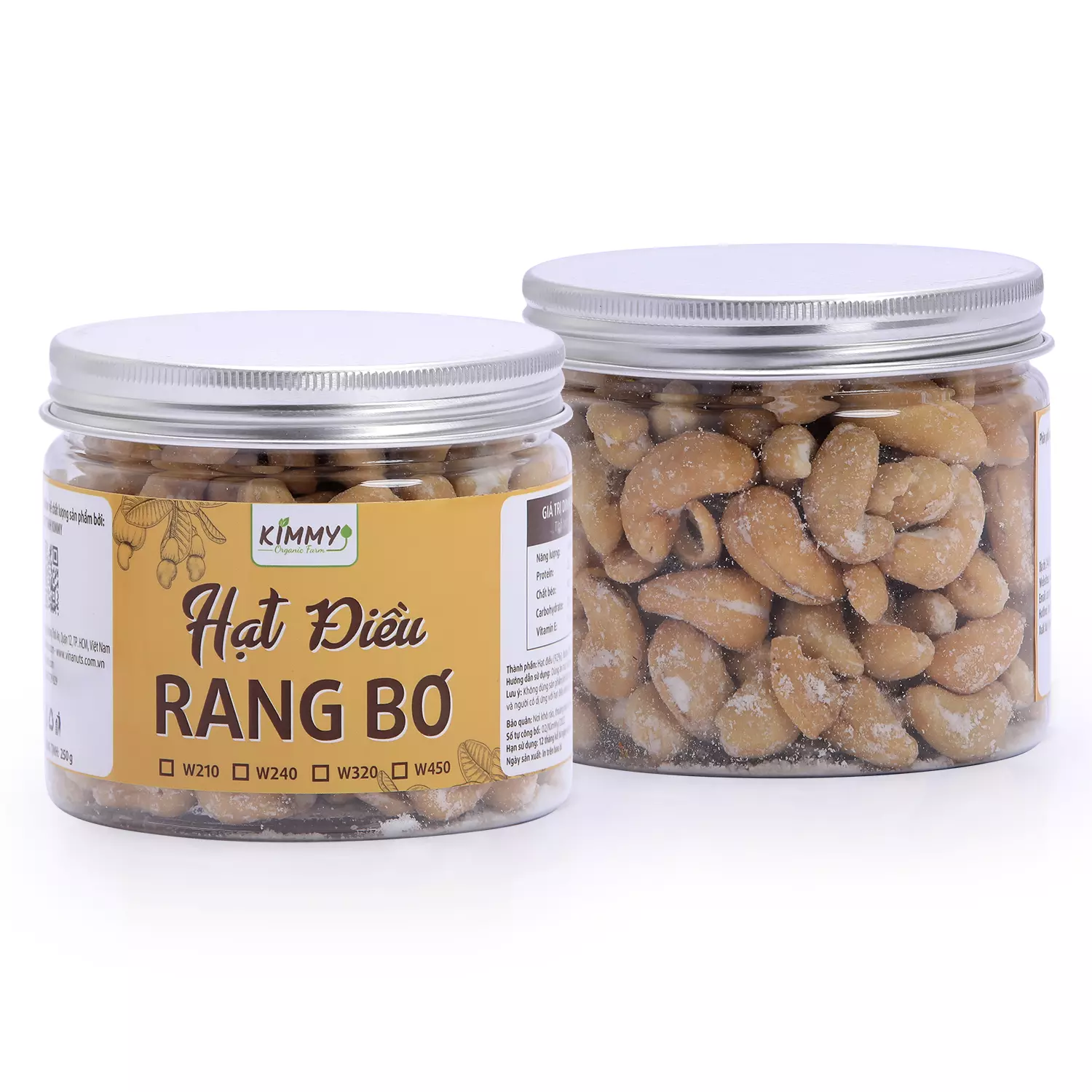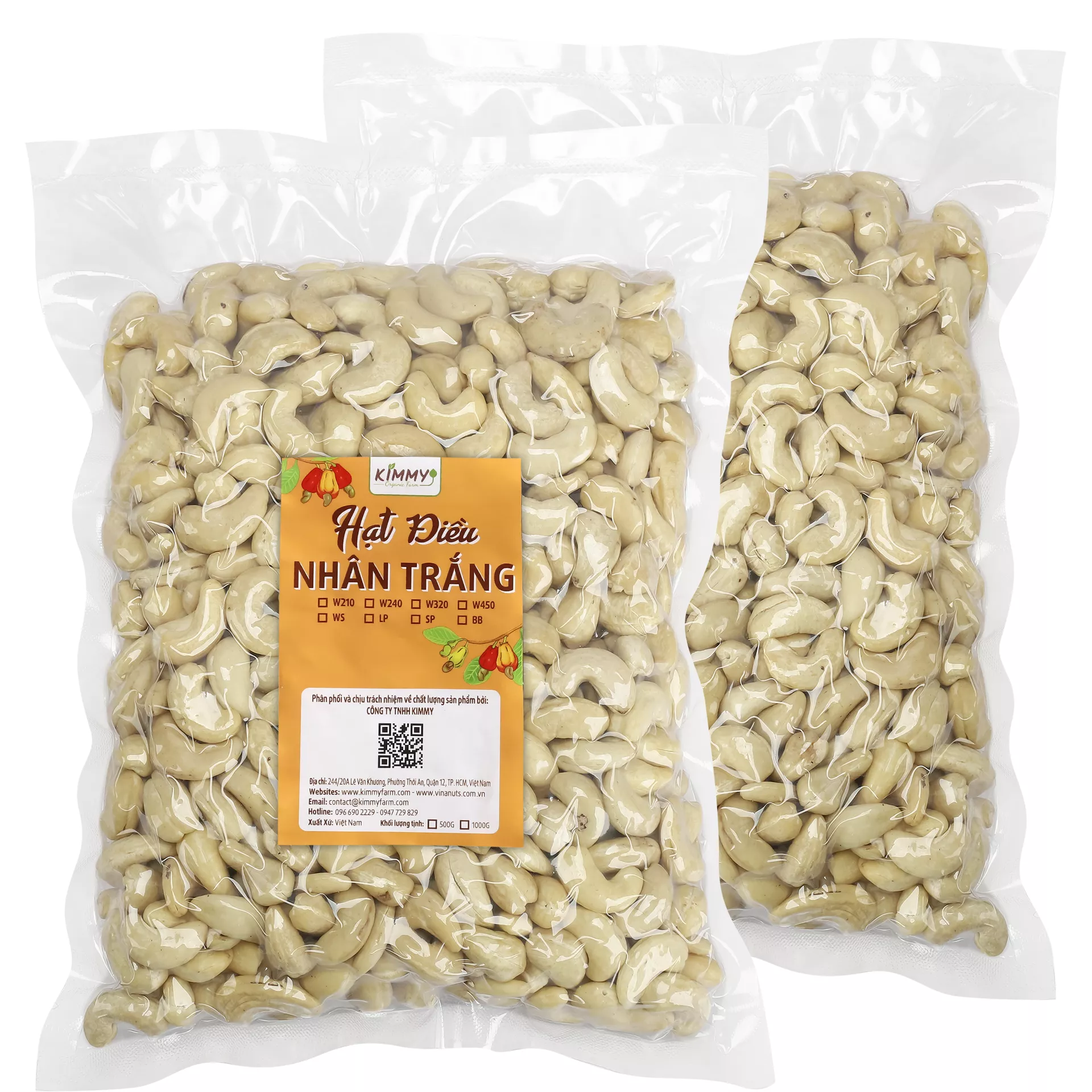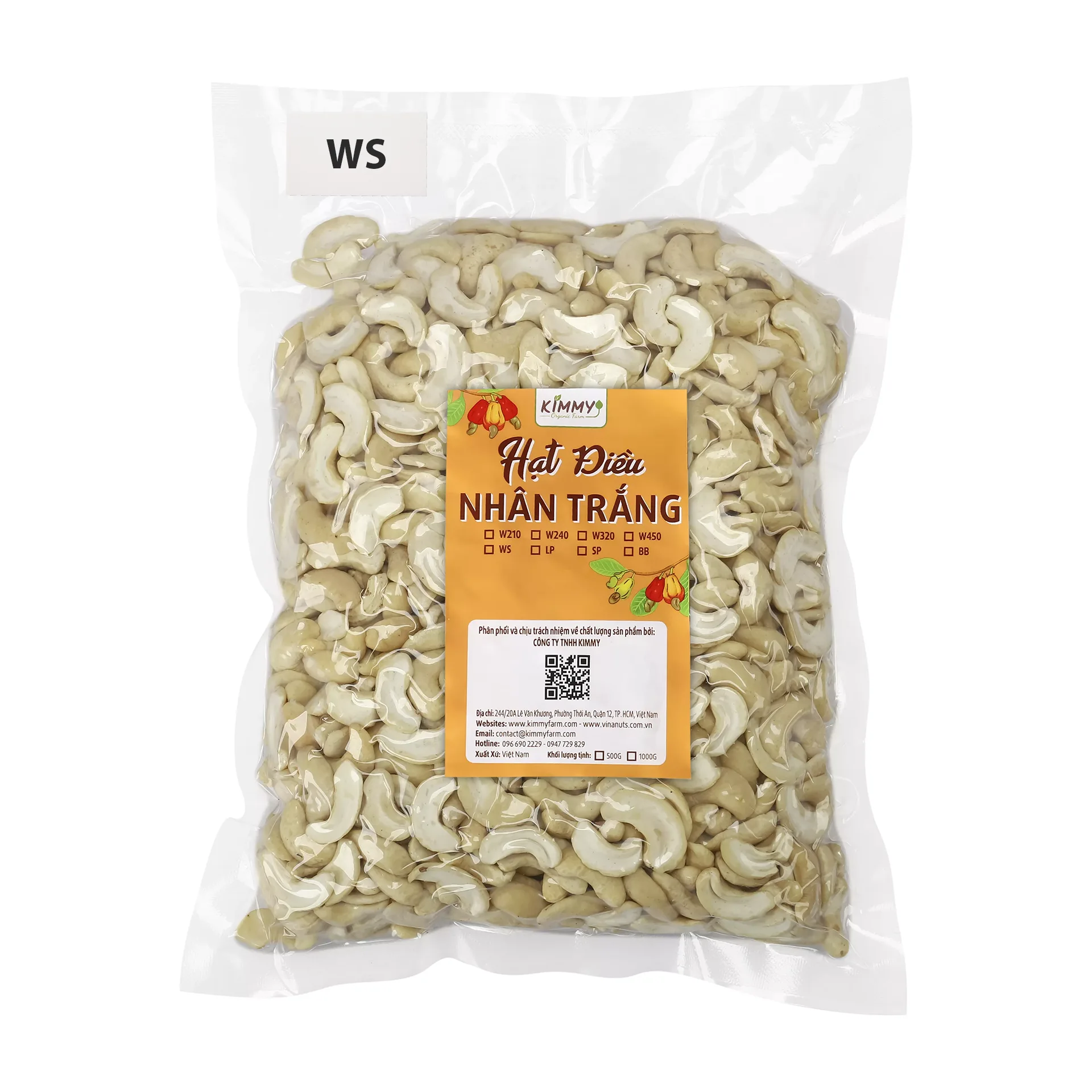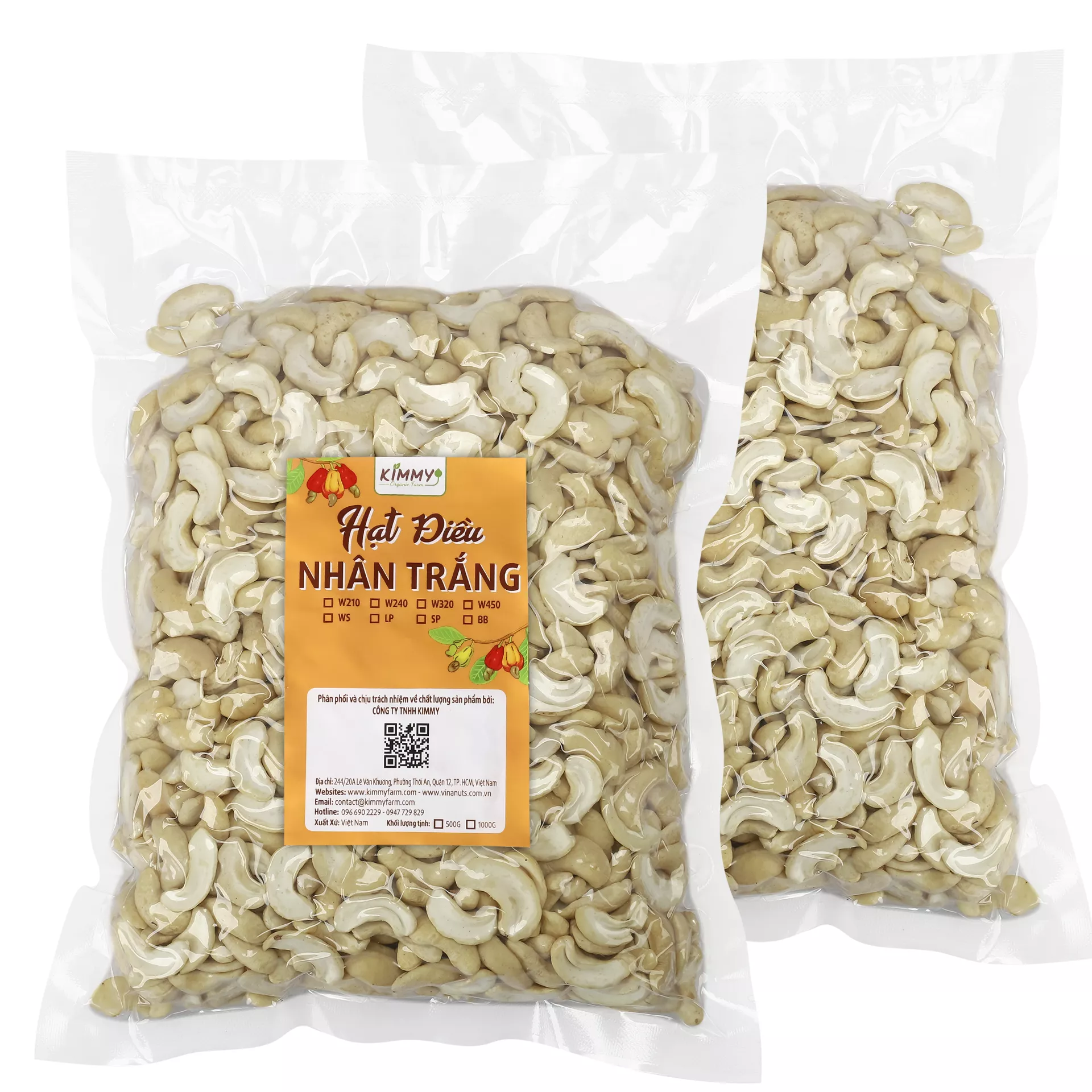
Cashews and cocoa beans are two familiar foods in daily life. Cashews are often enjoyed as a popular snack, while cocoa beans immediately remind many people of chocolate.
Although both are well known, not everyone understands their nutritional value, health-related benefits, and common uses. Cashews and cocoa beans are very different in taste, texture, and function, but both can play a useful role in a balanced diet. In this article, we will compare cashews and cocoa beans in terms of origin, nutrition, benefits, flavor, and food applications.
The Origin of Cashews and Cocoa Beans
Cashews – A Tropical Gift
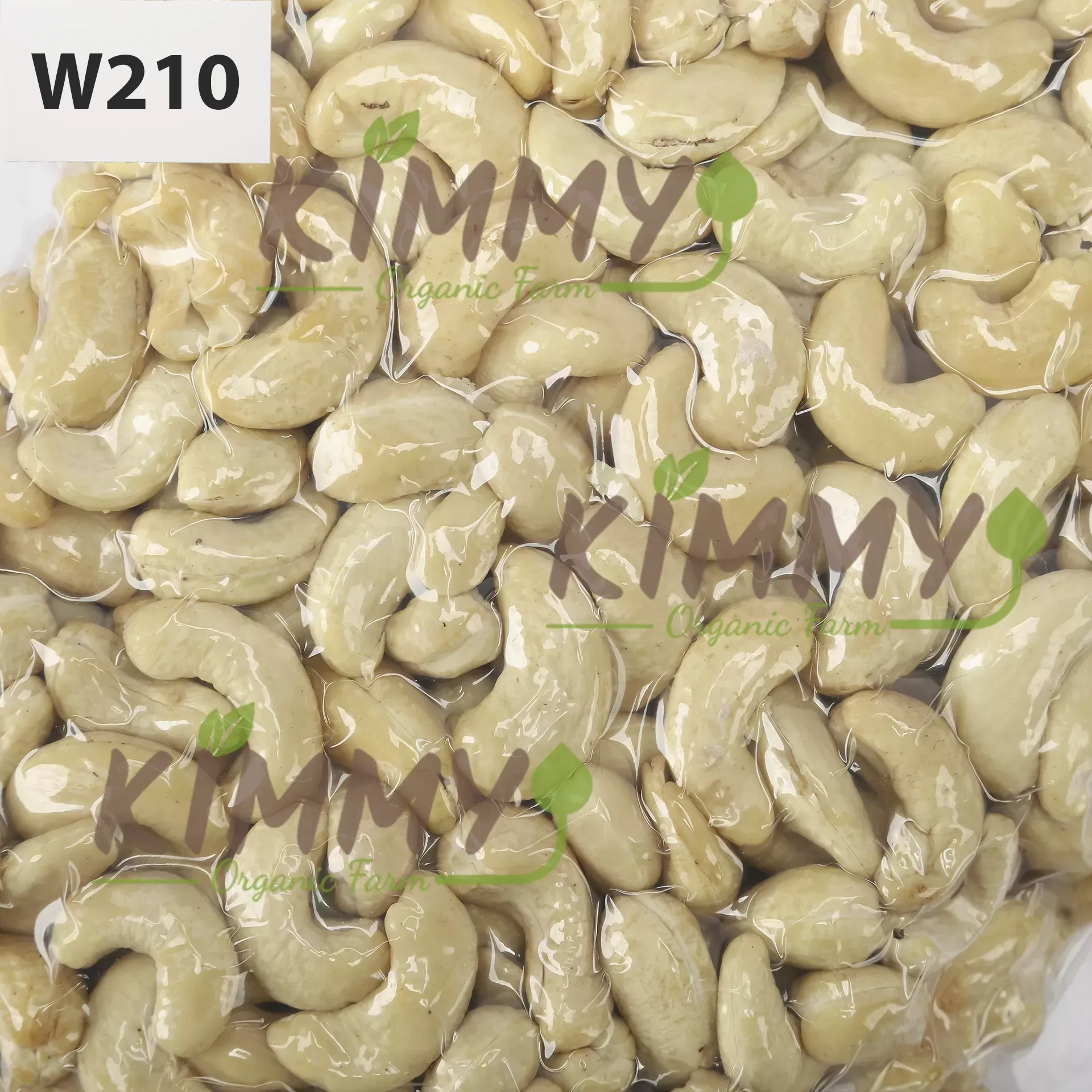
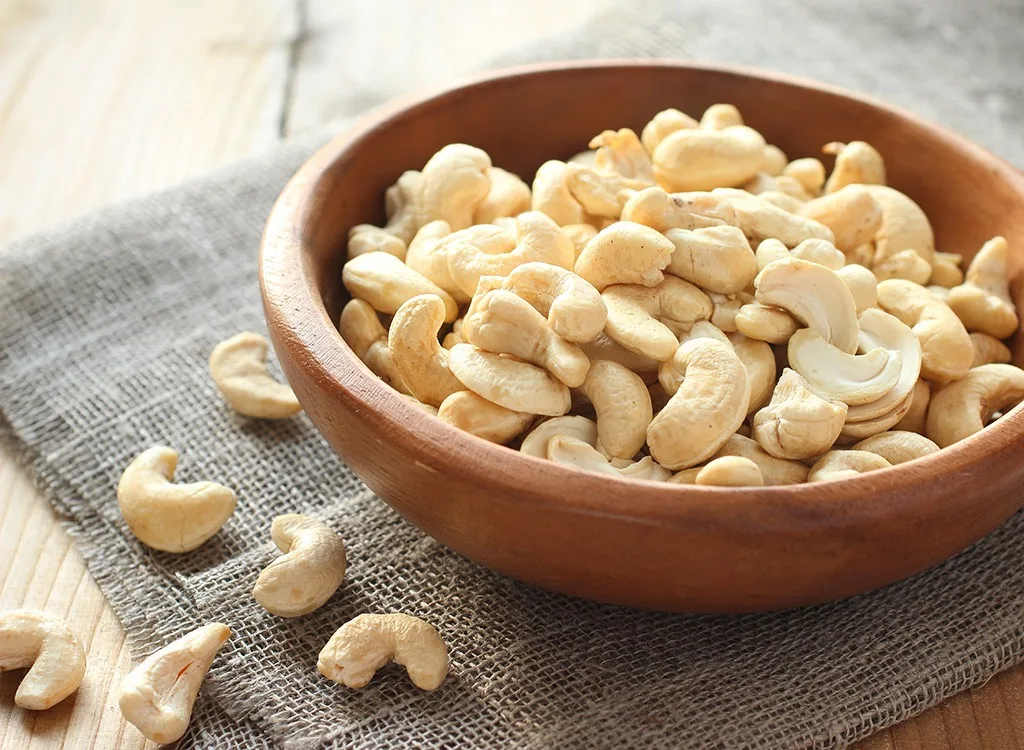
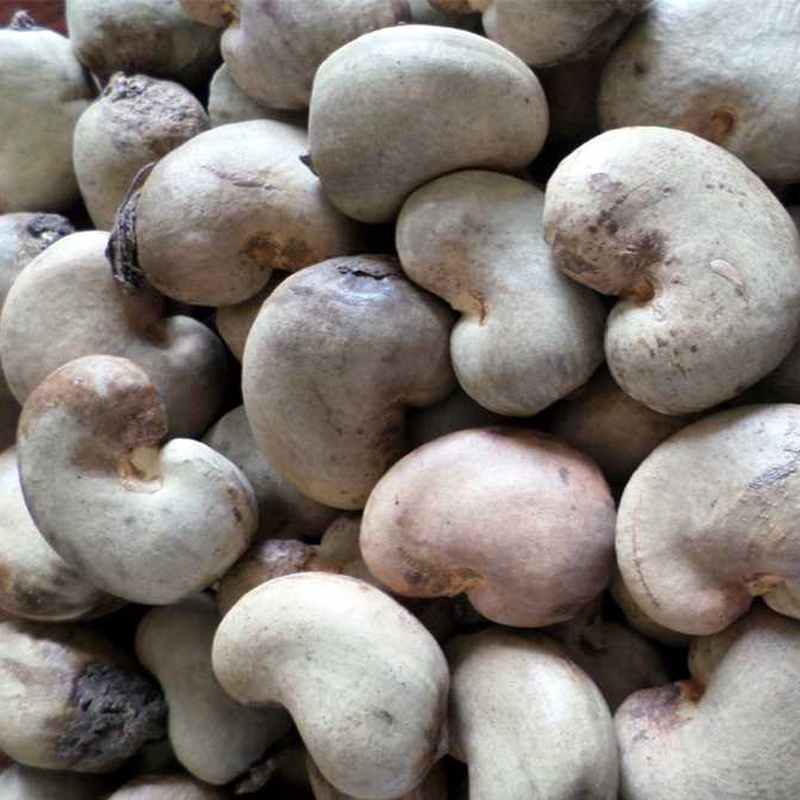
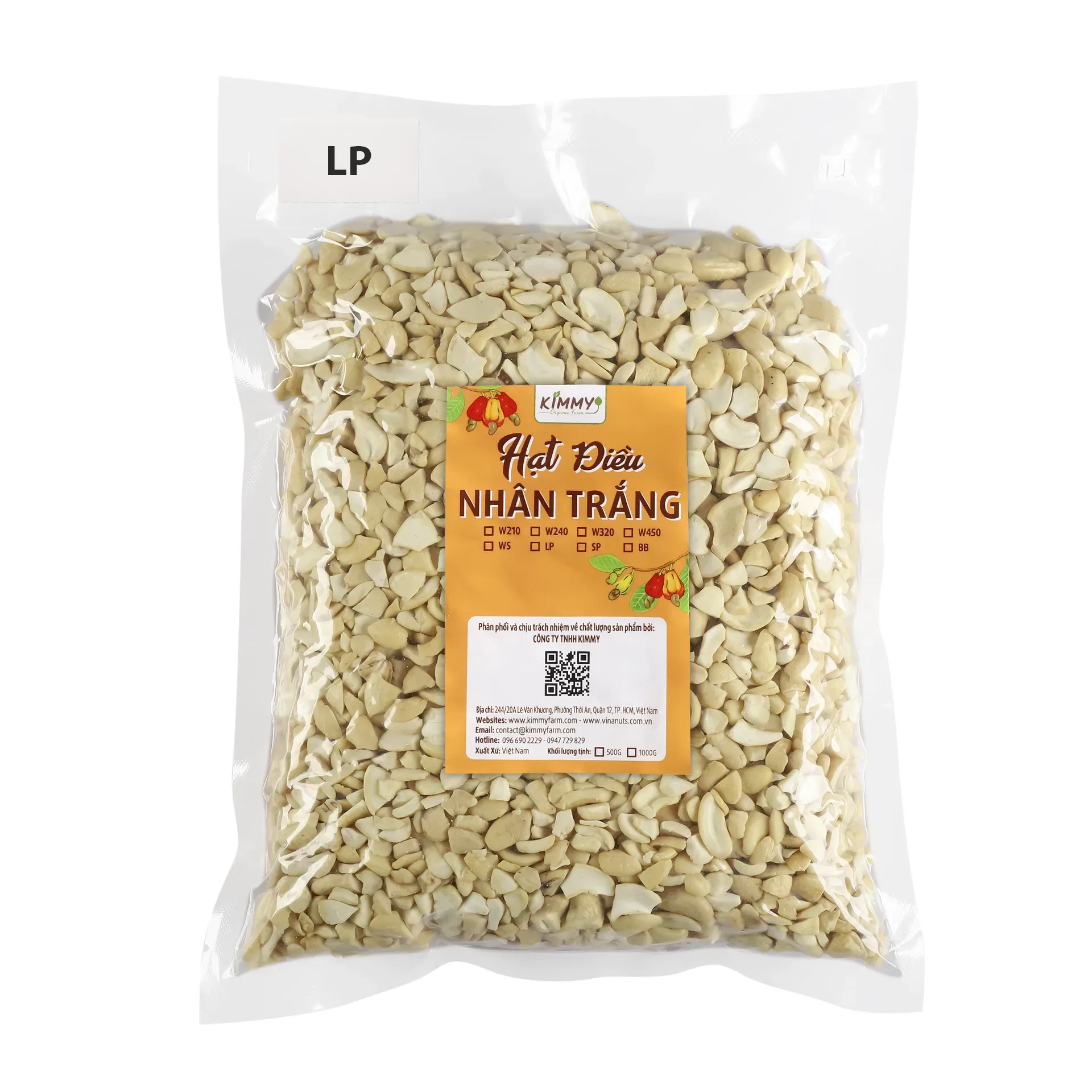
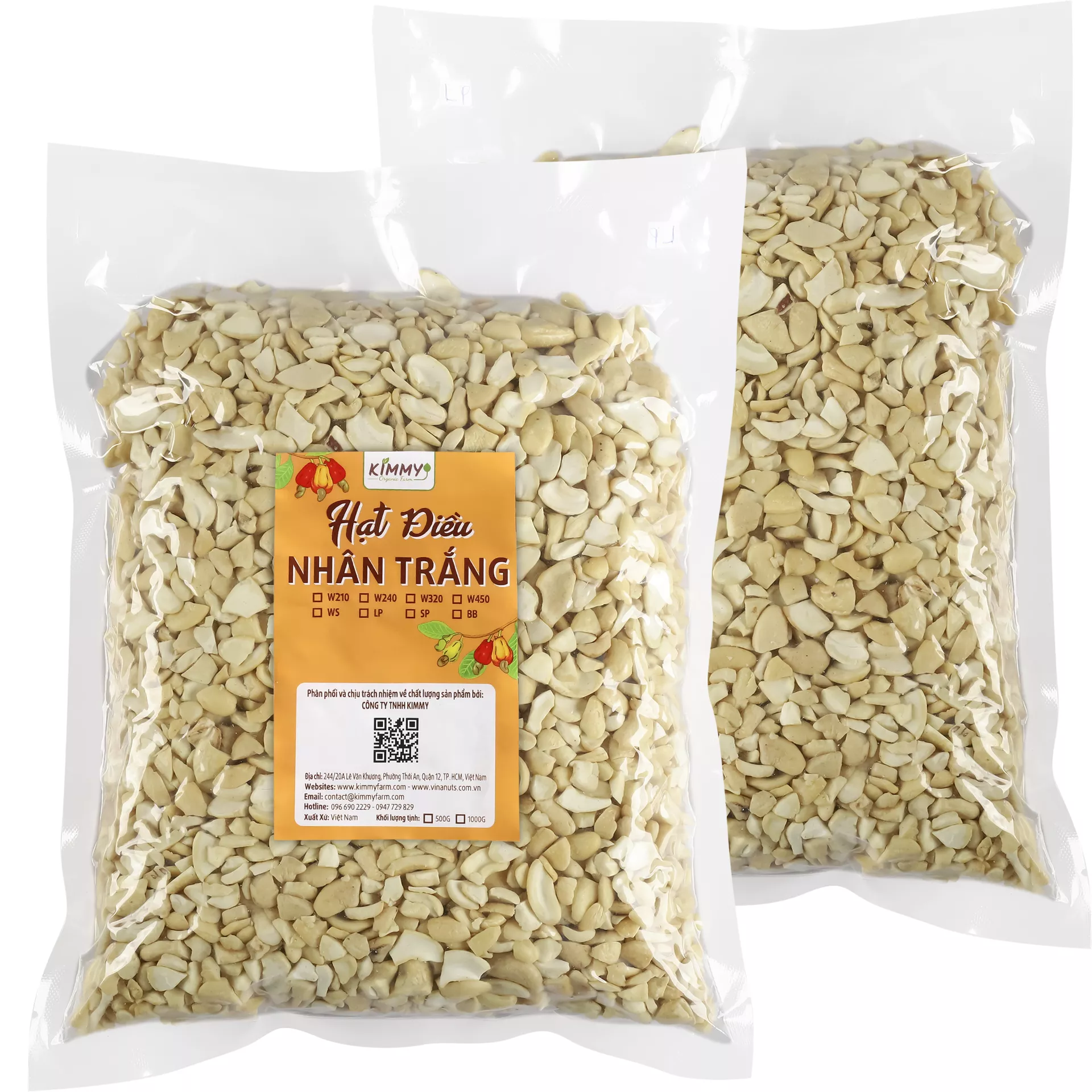
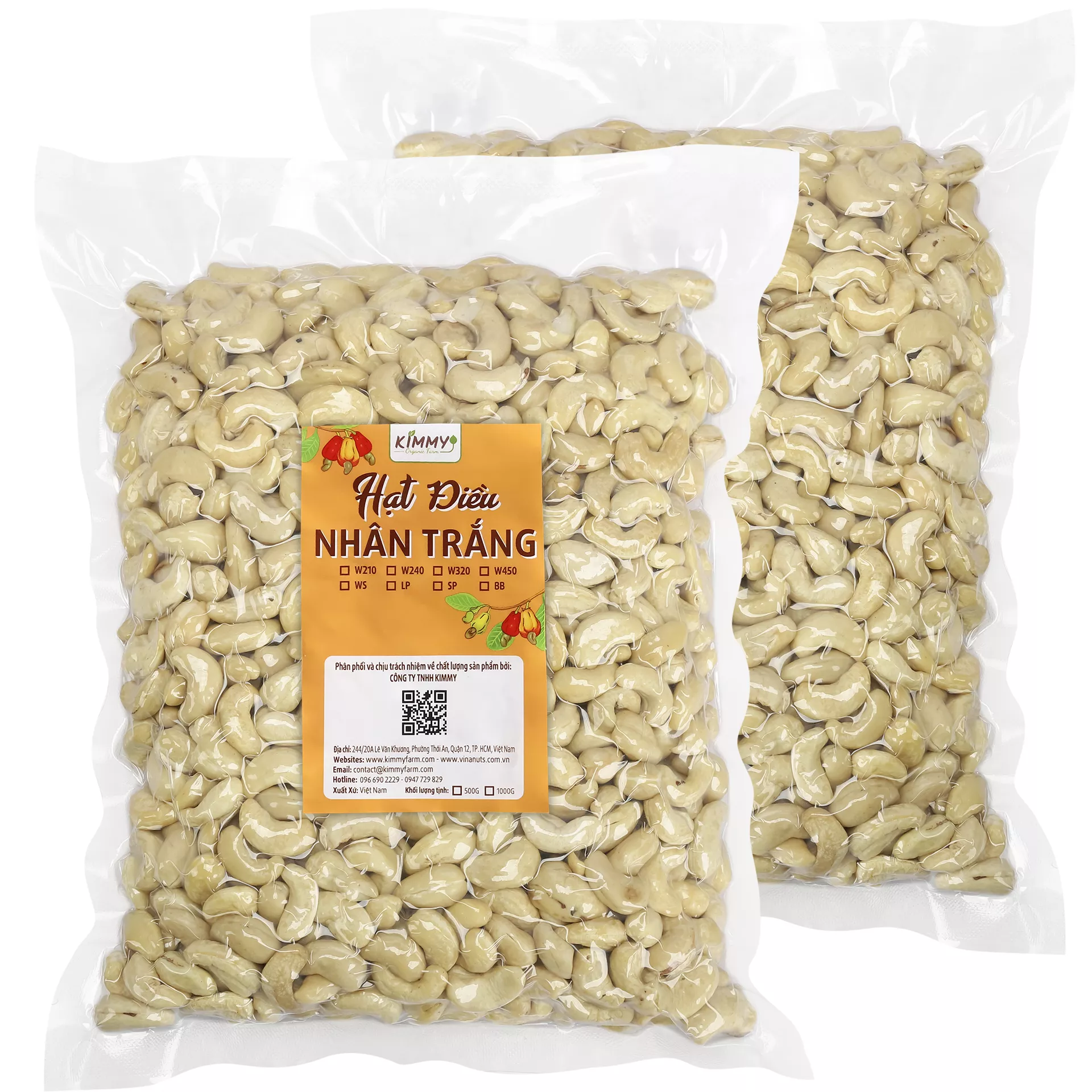
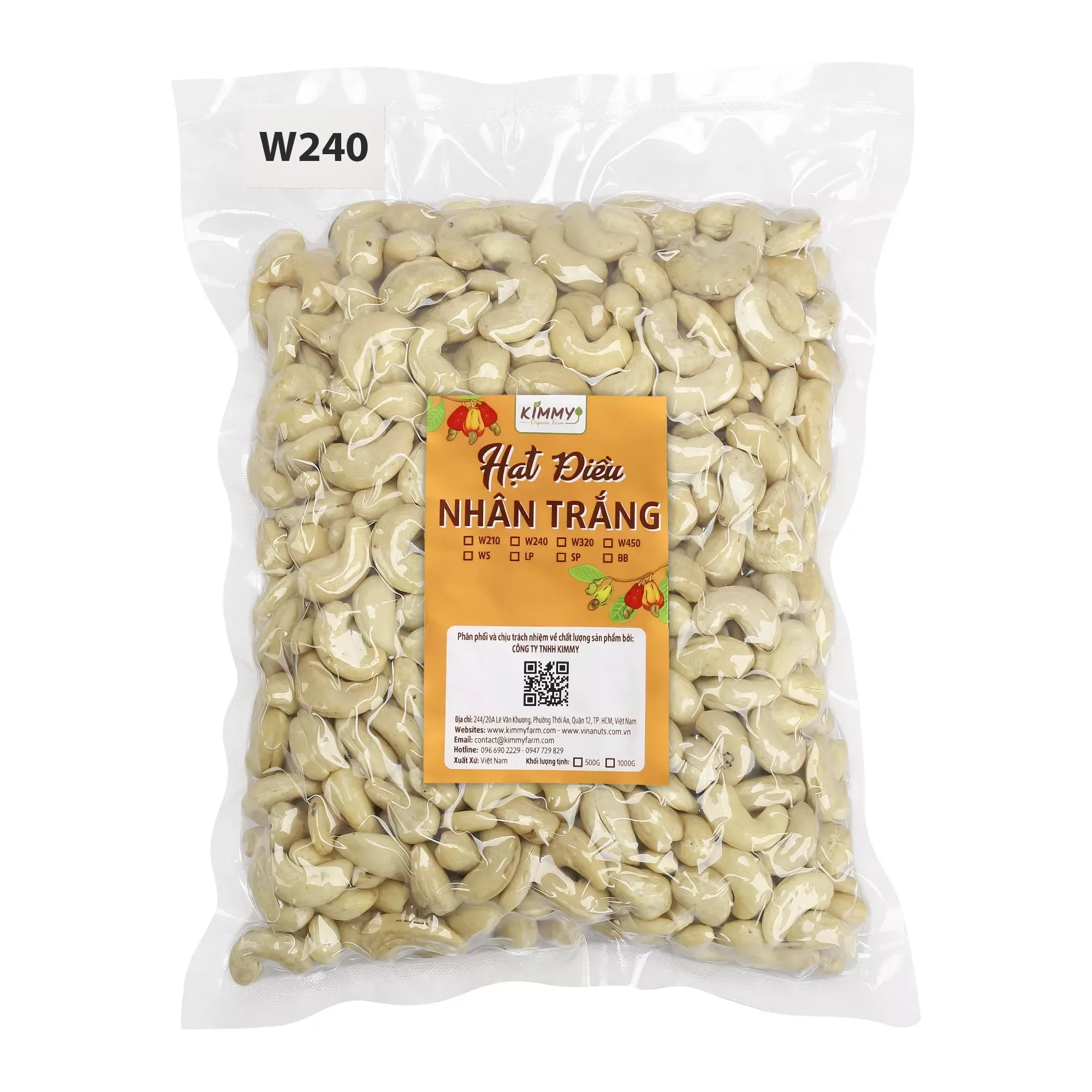
Cashews originally come from tropical regions such as Brazil and parts of Africa, including Mozambique. Today, cashew trees are grown in many warm-climate countries, including Vietnam, India, and several African nations. Cashews are the seeds of the cashew fruit. They grow at the bottom of the cashew apple and must be carefully processed before they can be eaten. In most cases, cashews are shelled, cleaned, and roasted before being sold. Cashews have a mild, creamy, slightly sweet flavor. Because of this, they are often eaten directly as a snack or used in many food products such as cashew jam, cashew cakes, desserts, sauces, and savory dishes.

Cocoa Beans – The Main Ingredient in Chocolate
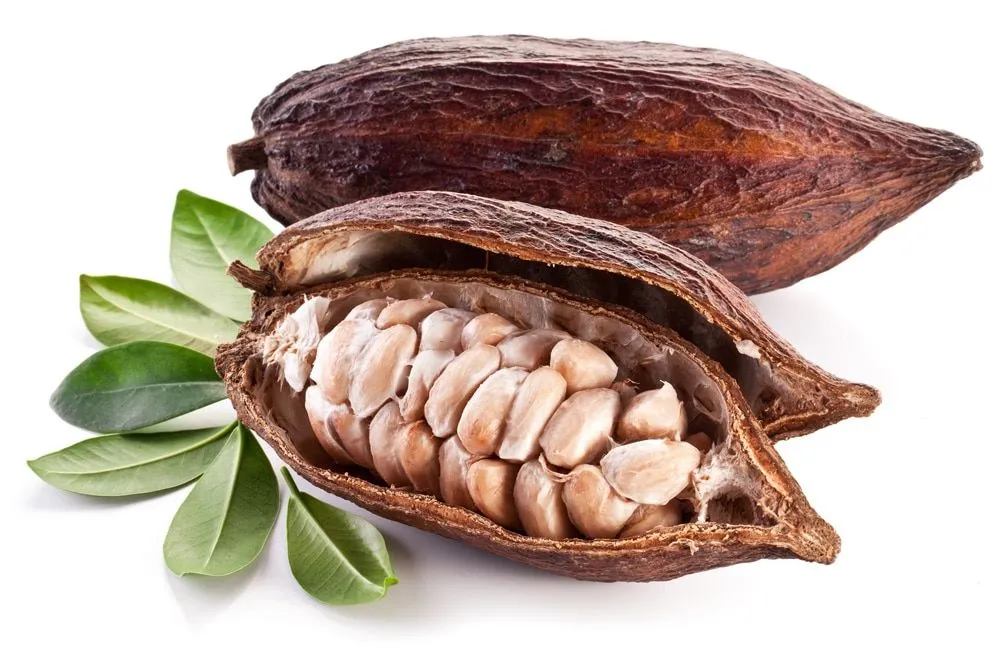
Cocoa beans are one of the most important ingredients in chocolate production. They come from the fruit of the cacao tree and are widely grown in countries such as Ghana, Côte d’Ivoire, Ecuador, Indonesia, and Vietnam. Cocoa beans have a naturally bitter and intense flavor. To make chocolate, the beans are harvested from cacao pods, fermented, dried, roasted, and processed into cocoa mass, cocoa powder, cocoa butter, or chocolate. In Vietnam, cacao trees are now grown in several provinces, including Dak Lak, Gia Lai, Ben Tre, and Dong Nai. Growing cacao requires patience because the tree needs time before it produces fruit. Once the pods are ripe, the beans are removed and processed through several stages before becoming cocoa or chocolate products.
Nutritional Value and Benefits
Cashews
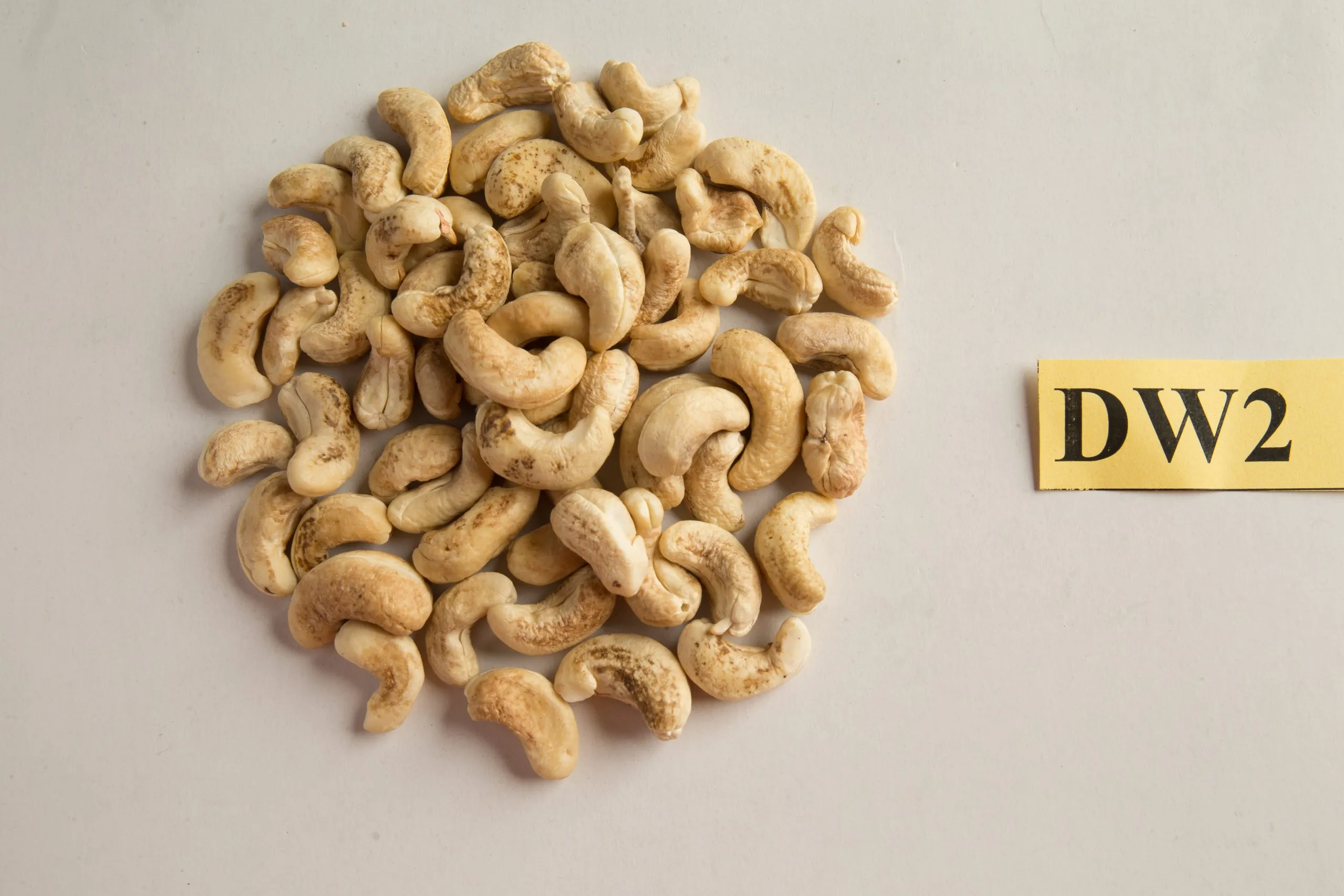
- Cashews are nutrient-dense and energy-rich. In about 100 grams of cashews, you may find approximately: 554 calories, 30.22 g carbohydrates, 18.3 g protein, 3.18 g fiber, 46 mg calcium, 10.5 mg sodium, 540 mg potassium, 240 mg magnesium, 1 mg vitamin E, vitamin K, 0.3 mg vitamin B6 about 44–48 g fat
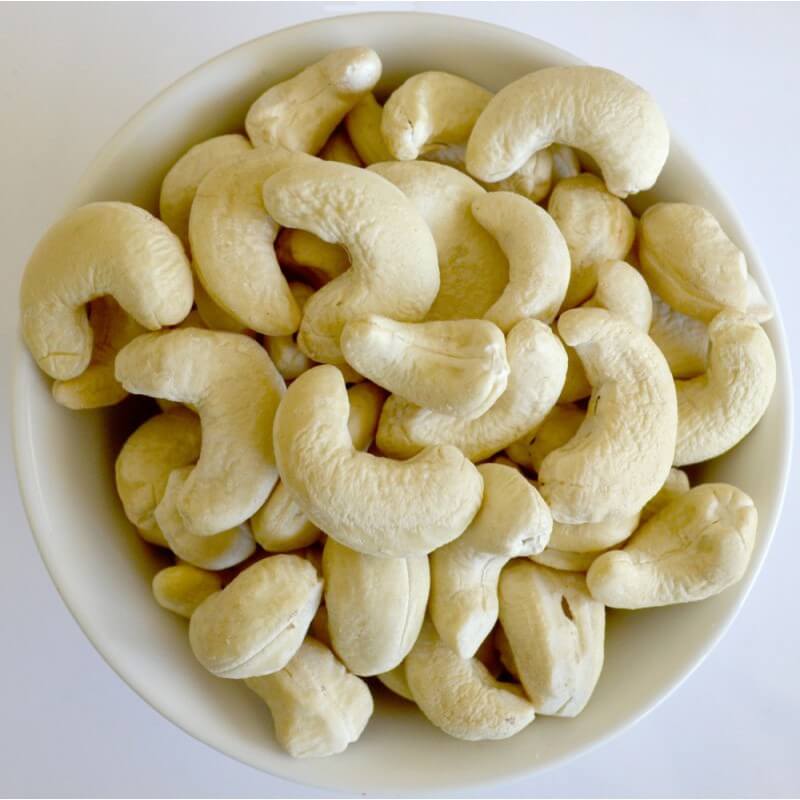
- Cashews have a rich, nutty, buttery taste with a light natural sweetness. Their pleasant flavor makes them a favorite ingredient for chefs, home cooks, and snack lovers.
- Cashews contain no cholesterol and provide mostly unsaturated fats. When eaten in a reasonable amount, they can fit well into a heart-conscious diet. They also provide plant-based protein, minerals, and vitamins that may support energy, bones, and general wellness.
However, cashews should not be treated as a cure for any disease. They can be part of a healthy eating pattern, but portion size still matters because they are high in calories.
Cocoa Beans and Cocoa Powder
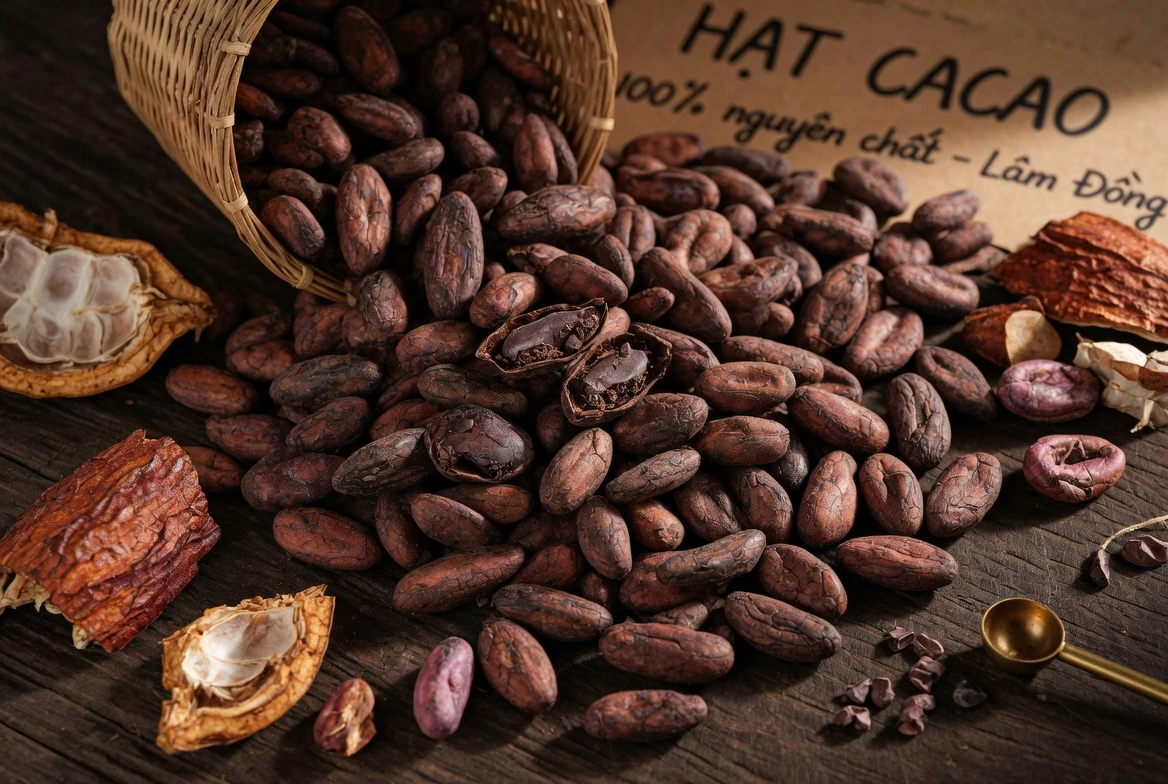
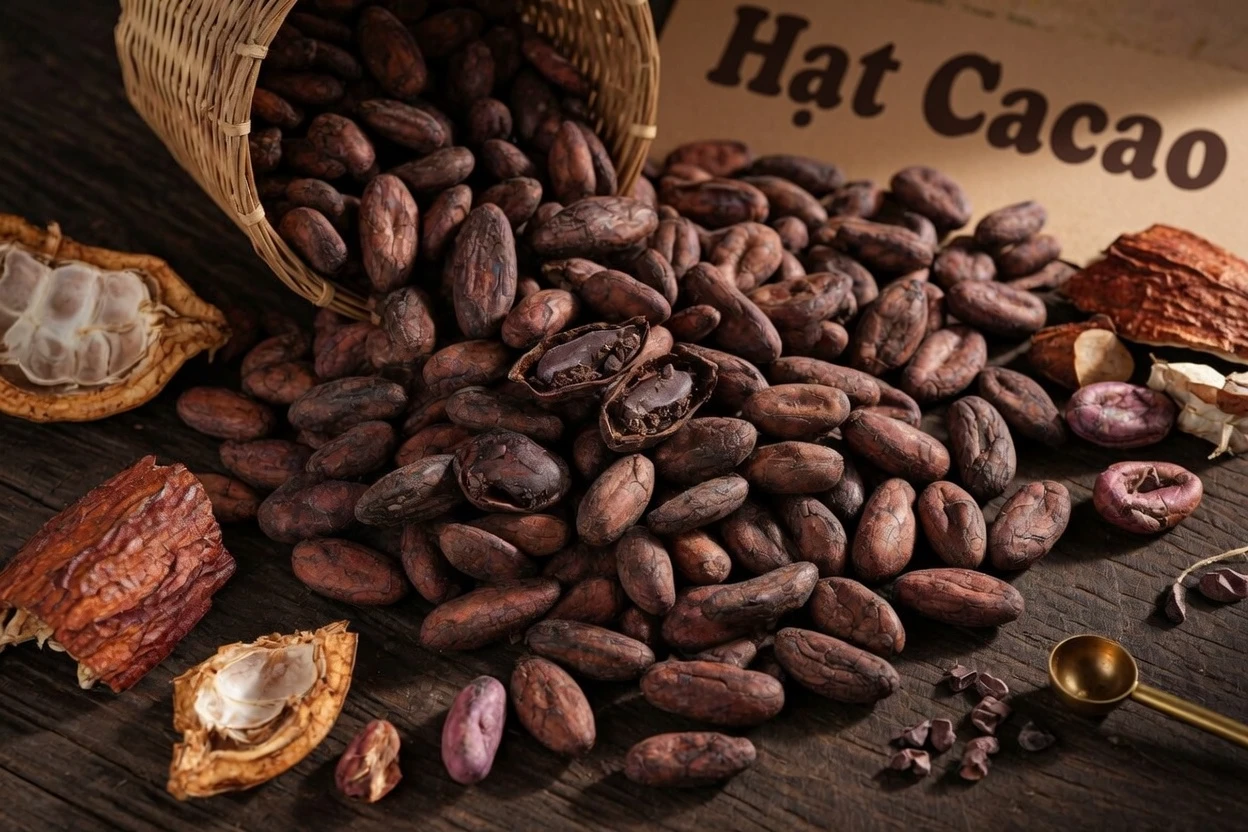
Cocoa beans are often processed into cocoa powder, cocoa butter, cocoa mass, or chocolate.
- In about 100 grams of cocoa powder, the nutrition may include approximately: 350–450 calories, around 40 g carbohydrates, around 20–22 g protein, calcium, iron, phosphorus, potassium, magnesium, natural plant compounds such as flavonoids and polyphenols
- Cocoa also contains theobromine, a natural compound with a mild stimulating effect. This is one reason cocoa can make people feel more alert or more refreshed.
- Cocoa powder has a strong, deep, slightly bitter flavor. It is often mixed with hot water, milk, plant milk, or sweeteners to make cocoa drinks. It is also widely used in cakes, chocolate, desserts, and handmade chocolate products.
Cocoa may support a balanced diet because it contains fiber, minerals, and antioxidant plant compounds. Still, the health value depends heavily on the product. Unsweetened cocoa powder or dark chocolate is very different from heavily sweetened chocolate products.
Cashews vs. Cocoa Beans: A Nutritional Comparison
Cashews:
Cashews are known for their healthy fats, smooth texture, and mild flavor. Key features of cashews include:
- Healthy fats: Cashews contain mostly unsaturated fats, including oleic acid.
- Plant-based protein: They provide protein that can help make meals more satisfying.
- Minerals and vitamins: Cashews provide minerals such as copper, magnesium, zinc, and potassium, along with some B vitamins.
- Versatile use: They can be eaten as a snack or used in sweet and savory recipes.
Cashews are especially useful when you want a filling, creamy, and nutrient-dense ingredient.

Cocoa Beans:
Cocoa beans are best known for their intense flavor and antioxidant compounds. Key features of cocoa include:
- Antioxidant compounds: Cocoa contains flavonoids and polyphenols, which are often linked with heart-conscious eating patterns.
- Minerals: Cocoa provides minerals such as magnesium, iron, zinc, and potassium.
- Theobromine: Cocoa contains theobromine, a mild natural stimulant similar to caffeine, but usually gentler.
- Chocolate production: Cocoa is the essential base for chocolate and many chocolate-flavored products.
Cocoa is a good choice when you want deep flavor and natural plant compounds. But the final product matters. Unsweetened cocoa is very different from sugary chocolate candy.
Other Differences Between Cashews and Cocoa Beans
Cashews and cocoa beans are used in different areas of cooking and food production.
How Cashews Are Used
Cashews are commonly eaten directly as a snack. They are also used in:
- roasted cashews
- salted cashews
- cashew butter
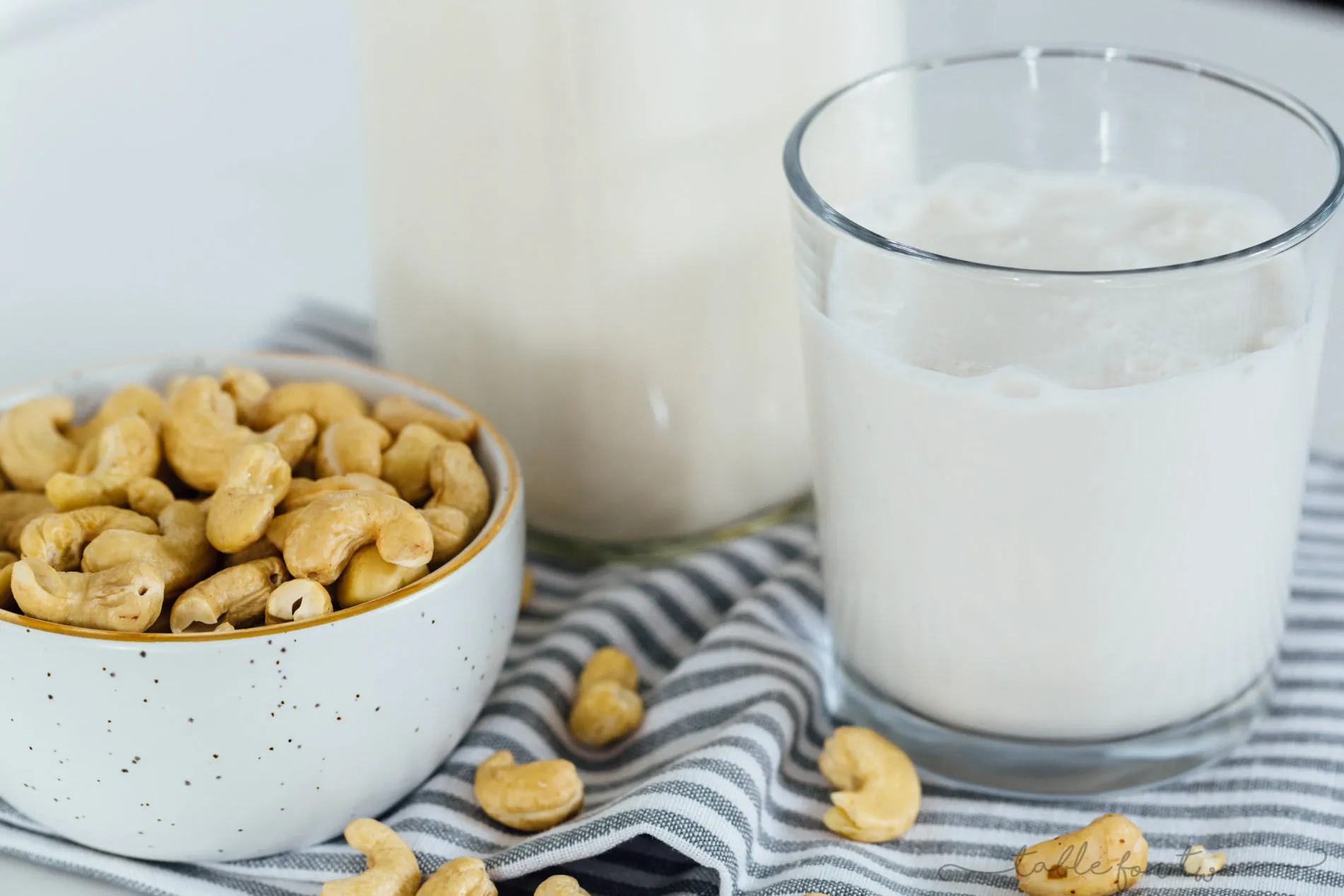
- cashew milk
- cashew cakes
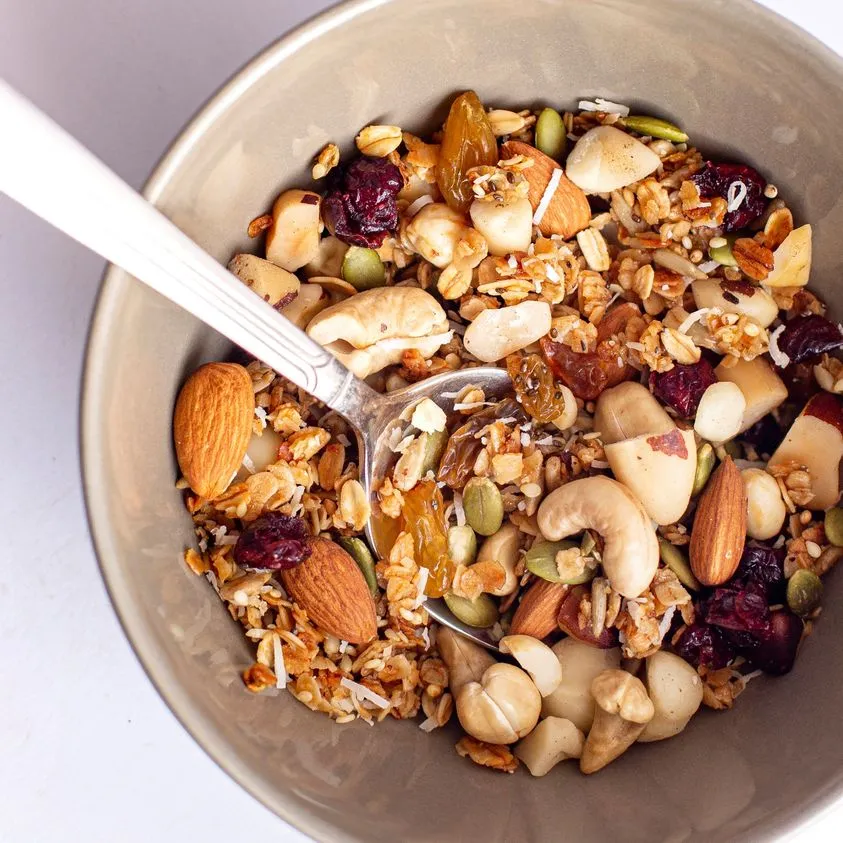
- trail mixes
- salads
- curries
- stir-fried dishes
- vegan sauces and desserts
Cashews are especially popular in Asian cooking, plant-based recipes, and healthy snack products.
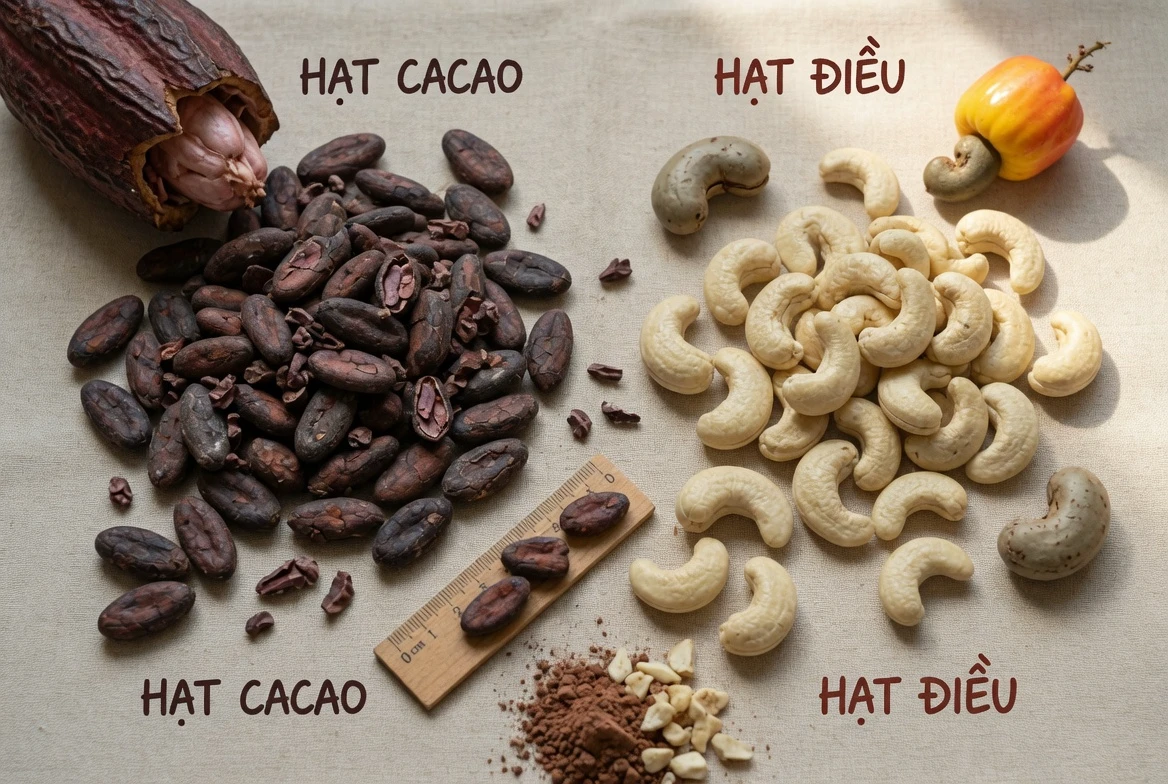
How Cocoa Beans Are Used
Cocoa beans are usually processed before being consumed. They are the foundation of chocolate and many cocoa-based products. Cocoa is commonly used in:
- chocolate
- cocoa powder
- hot cocoa drinks
- brownies
- cakes
- desserts
- chocolate sauces
- handmade chocolate
- cocoa nibs
Cocoa is strongly connected to chocolate, baking, drinks, and desserts, while cashews are more commonly used as a snack and cooking ingredient.
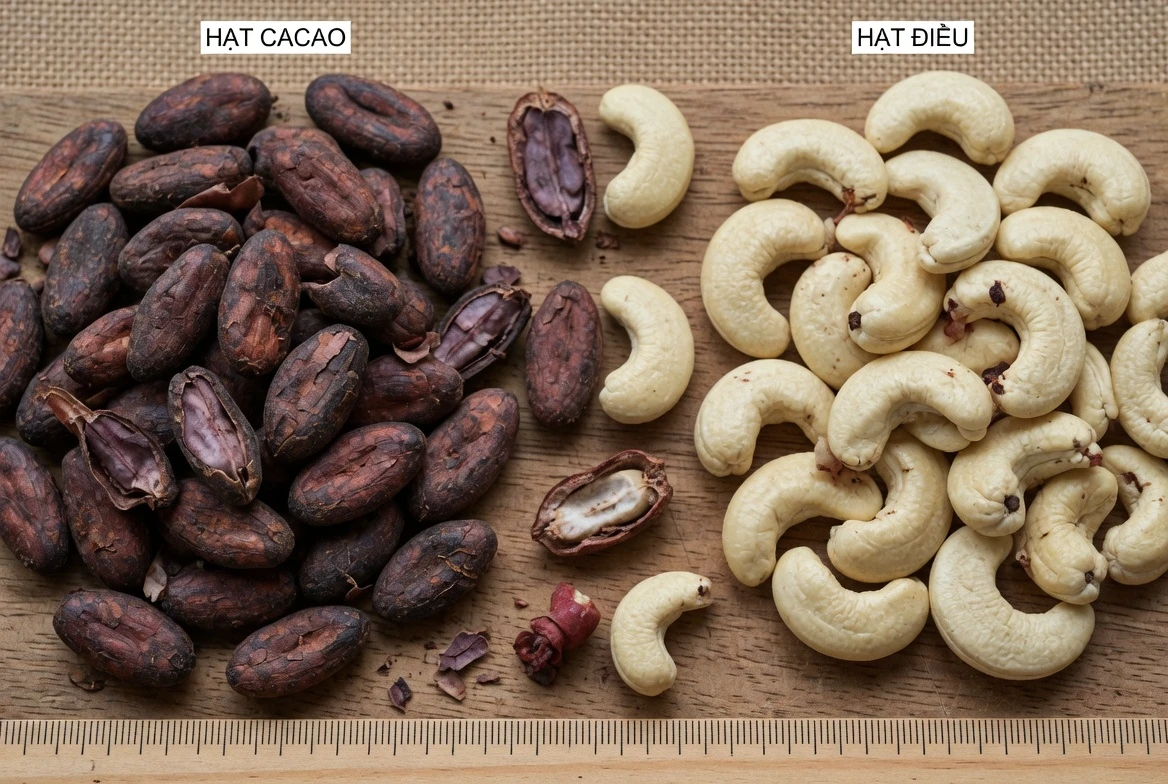
Final Thoughts / Conlusion
Cashews and cocoa beans are both valuable foods, but they serve different purposes.
Cashews stand out for their mild, creamy taste, healthy fats, plant-based protein, and mineral content. They are great as a snack, a cooking ingredient, or a base for creamy recipes.
Cocoa beans are best known for their deep flavor and their role in chocolate production. They contain natural plant compounds and are commonly used as cocoa powder, cocoa mass, cocoa butter, or chocolate.
It is not possible to say that one is absolutely better than the other. The right choice depends on your taste, your purpose, and your overall diet.
When used in a reasonable amount, both cashews and cocoa can be part of a varied and balanced diet. Cashews bring creaminess and fullness, while cocoa adds rich flavor and antioxidant plant compounds. Together, they can even make a great combination for desserts, breakfast bowls, drinks, and healthy snacks.

Chúng tôi là một thương hiệu chuyên sản xuất, thương mai và xuất khẩu các mặt hàng nông sản của Việt Nam. Chúng tôi có vùng trồng điều & nhà máy điều ở Bình Phước, trại nuôi ruồi lính đen ở Tây Ninh. Các mặt hàng xuất khẩu chính của Công ty là: hạt điều, hạt điều nhân, ruồi lính đen,… từ Việt Nam.