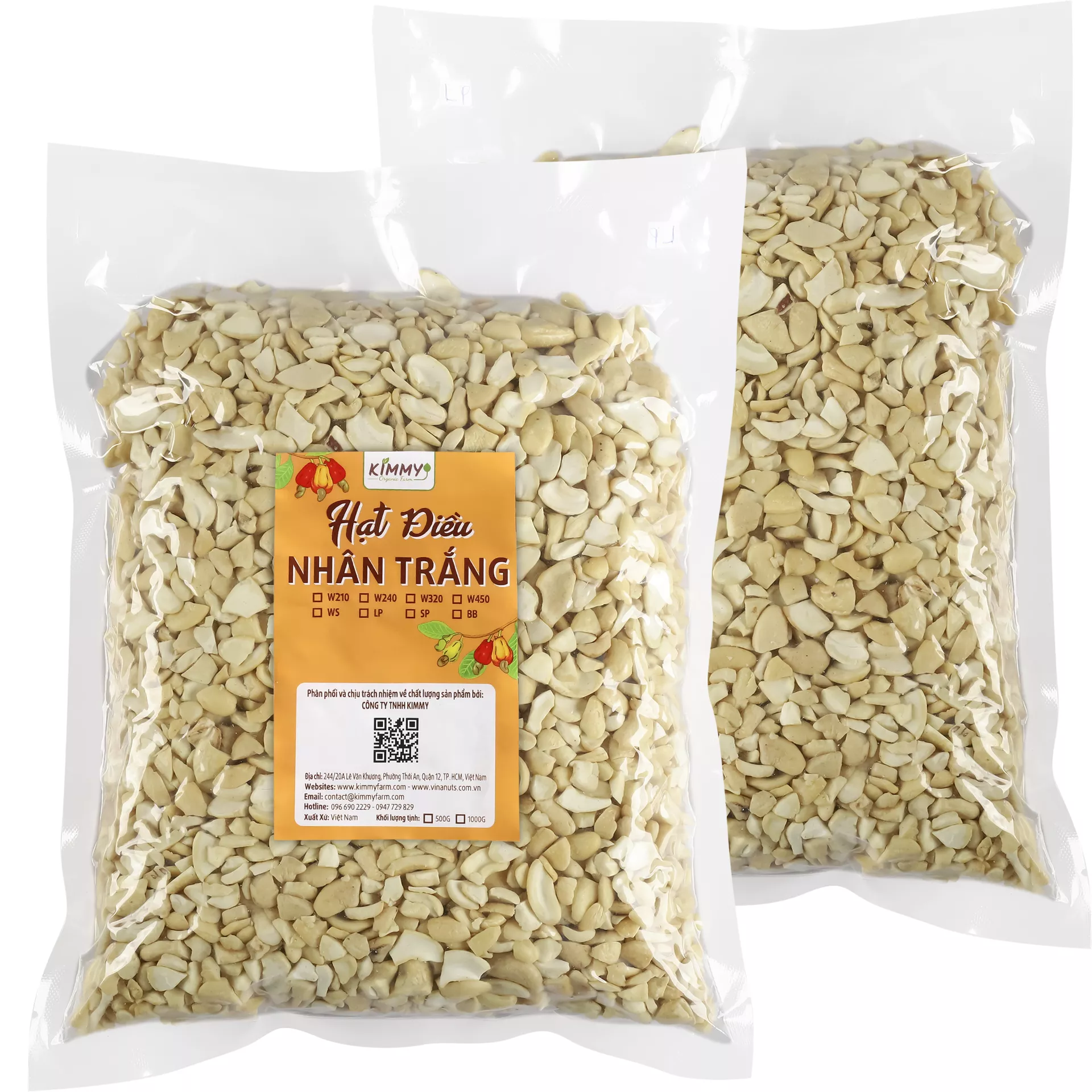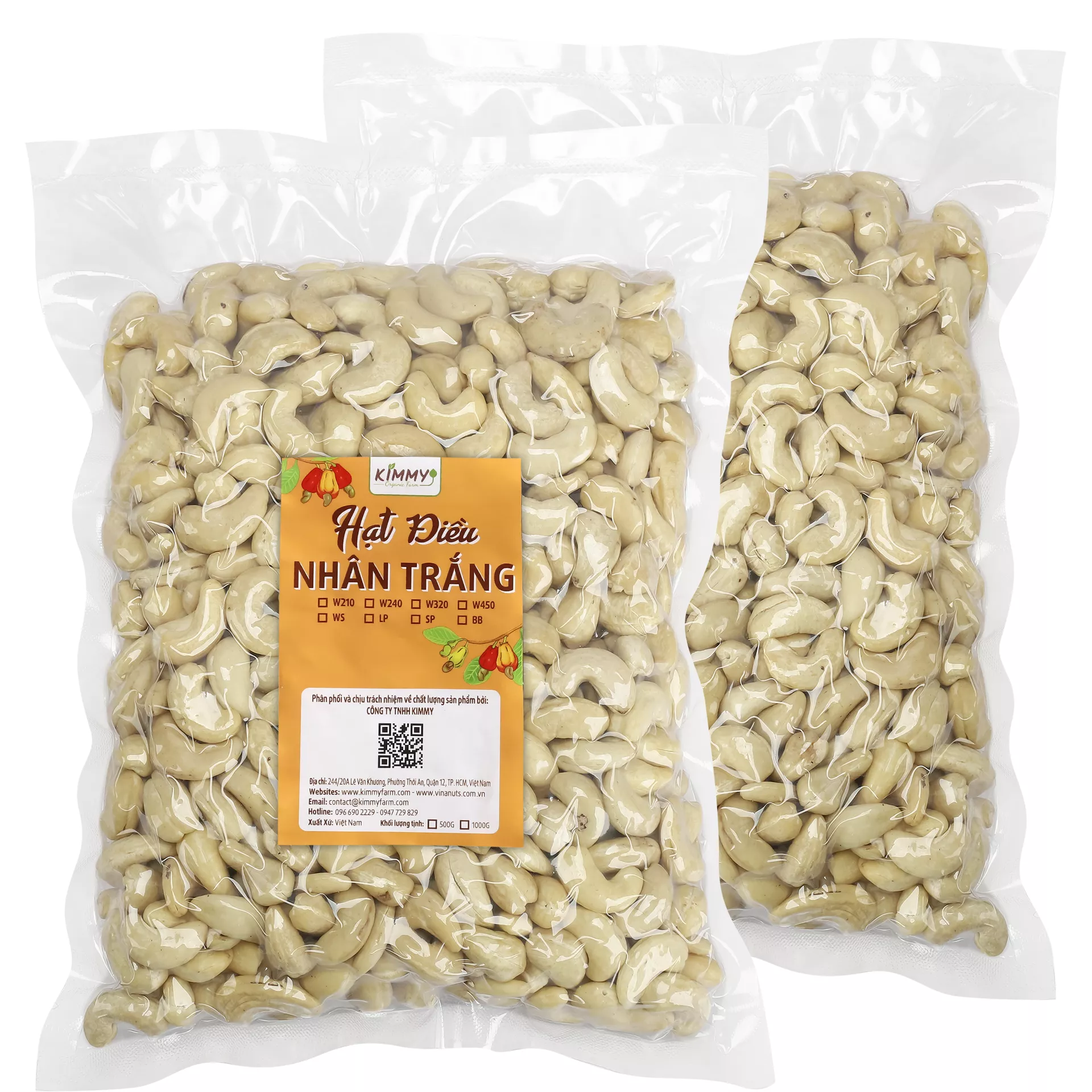
This essay will compare two popular options cashew nuts and fresh lotus seeds to help you decide which is better for your health, based on our research into the advantages of each. You should be aware of the distinctions between the two snacks because they each have different nutritional qualities that can affect your health. We will go into the details, such as protein content and vitamin and mineral profiles, so you can make an educated decision.
What Are Cashew Nuts and Lotus Seeds?
Cashew Nuts Overview
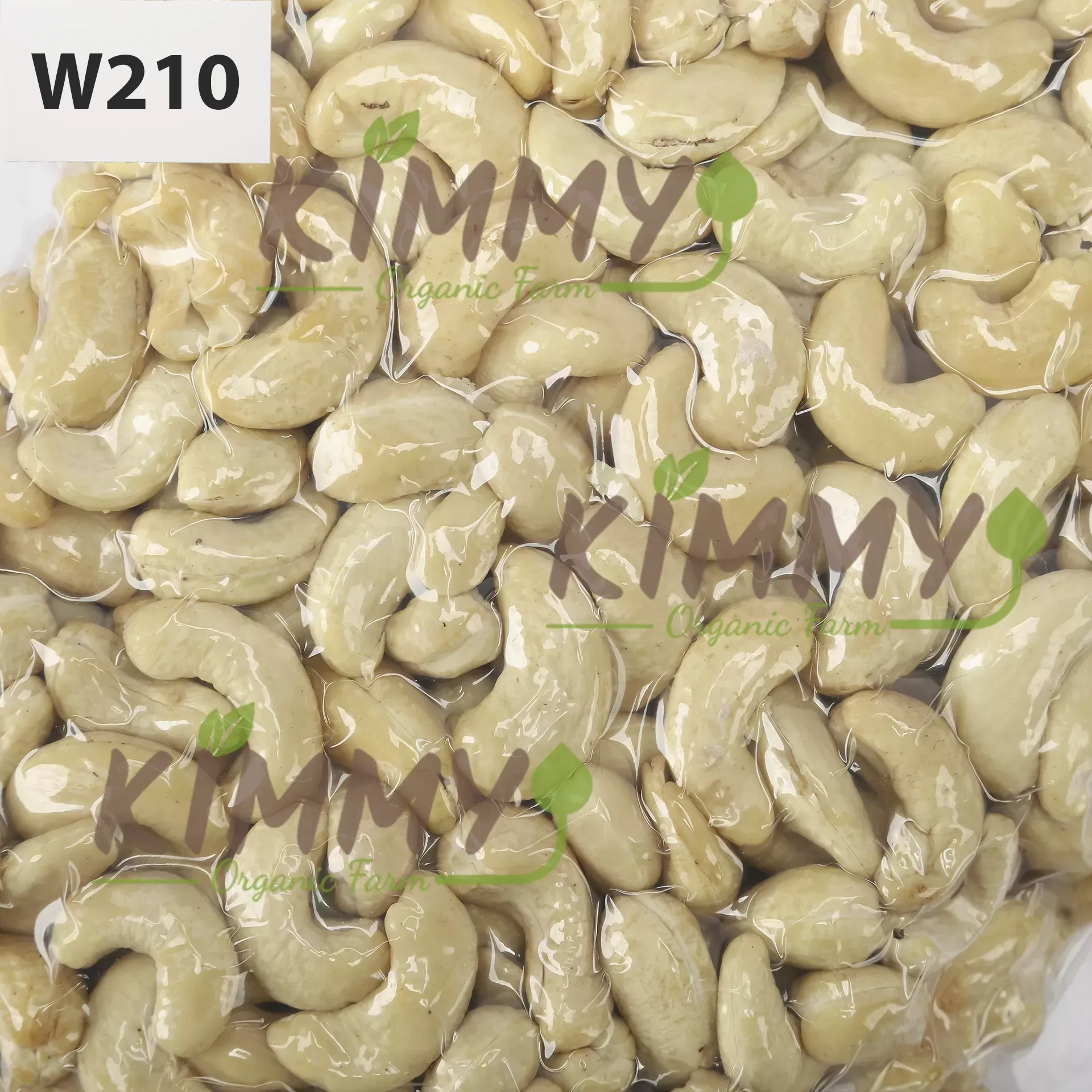
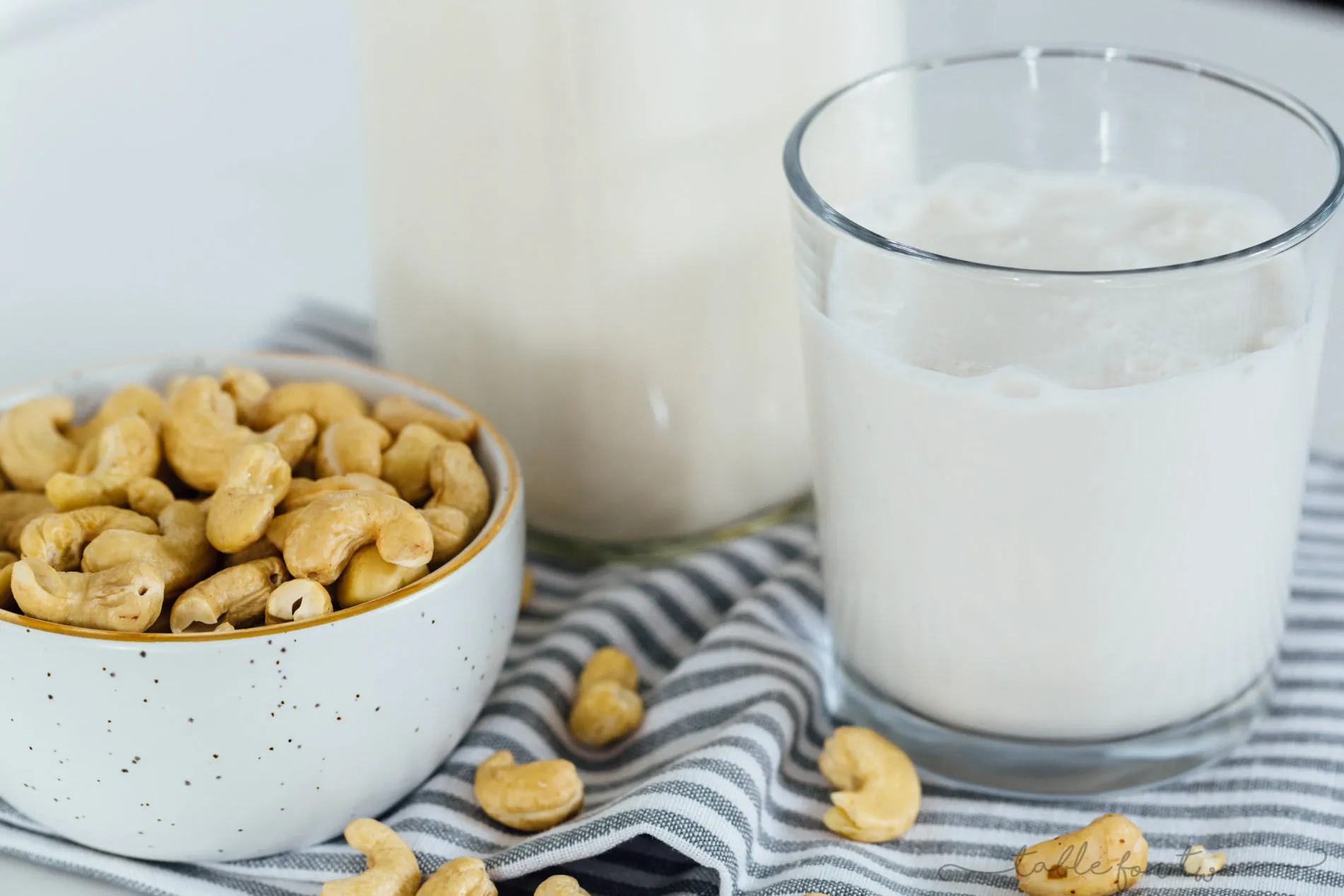
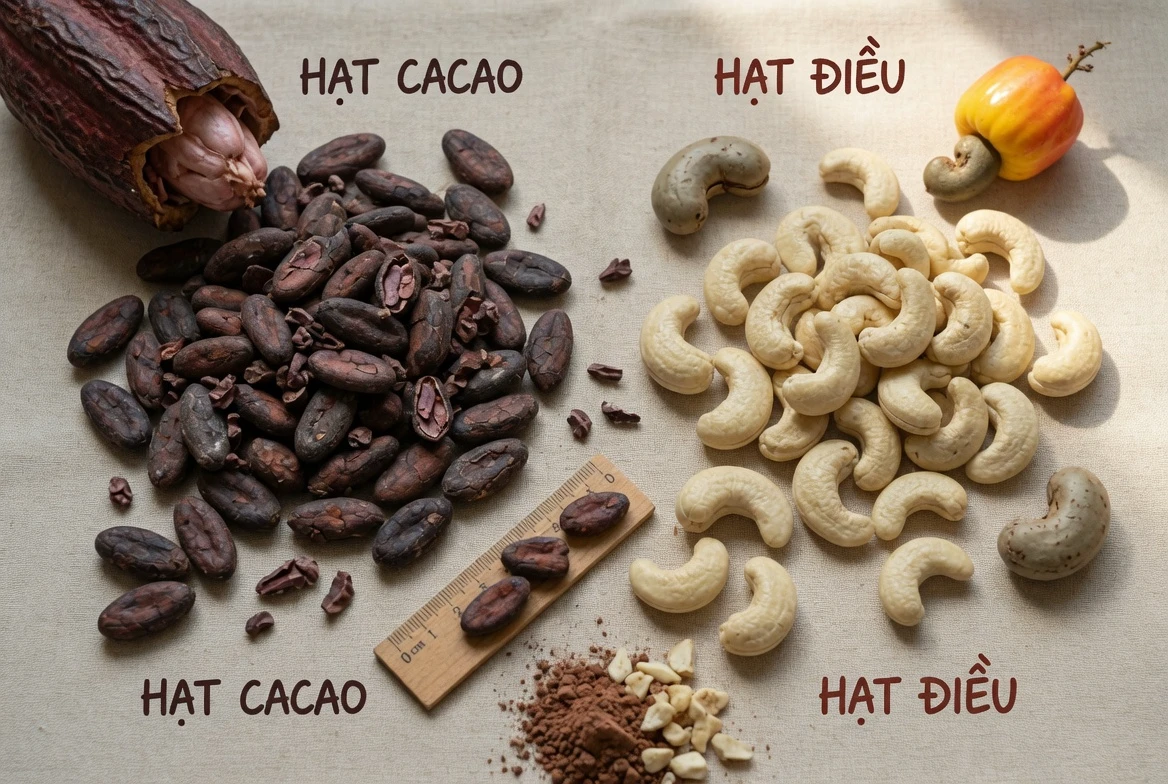
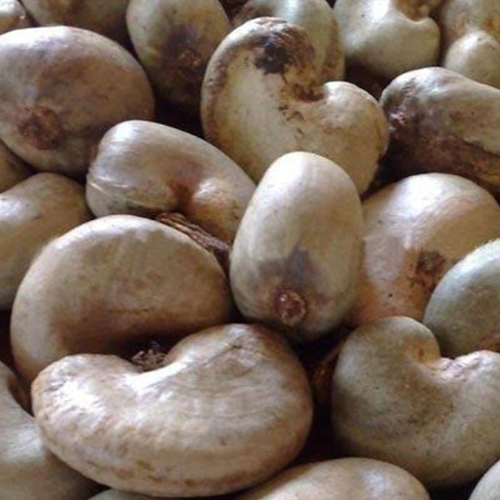
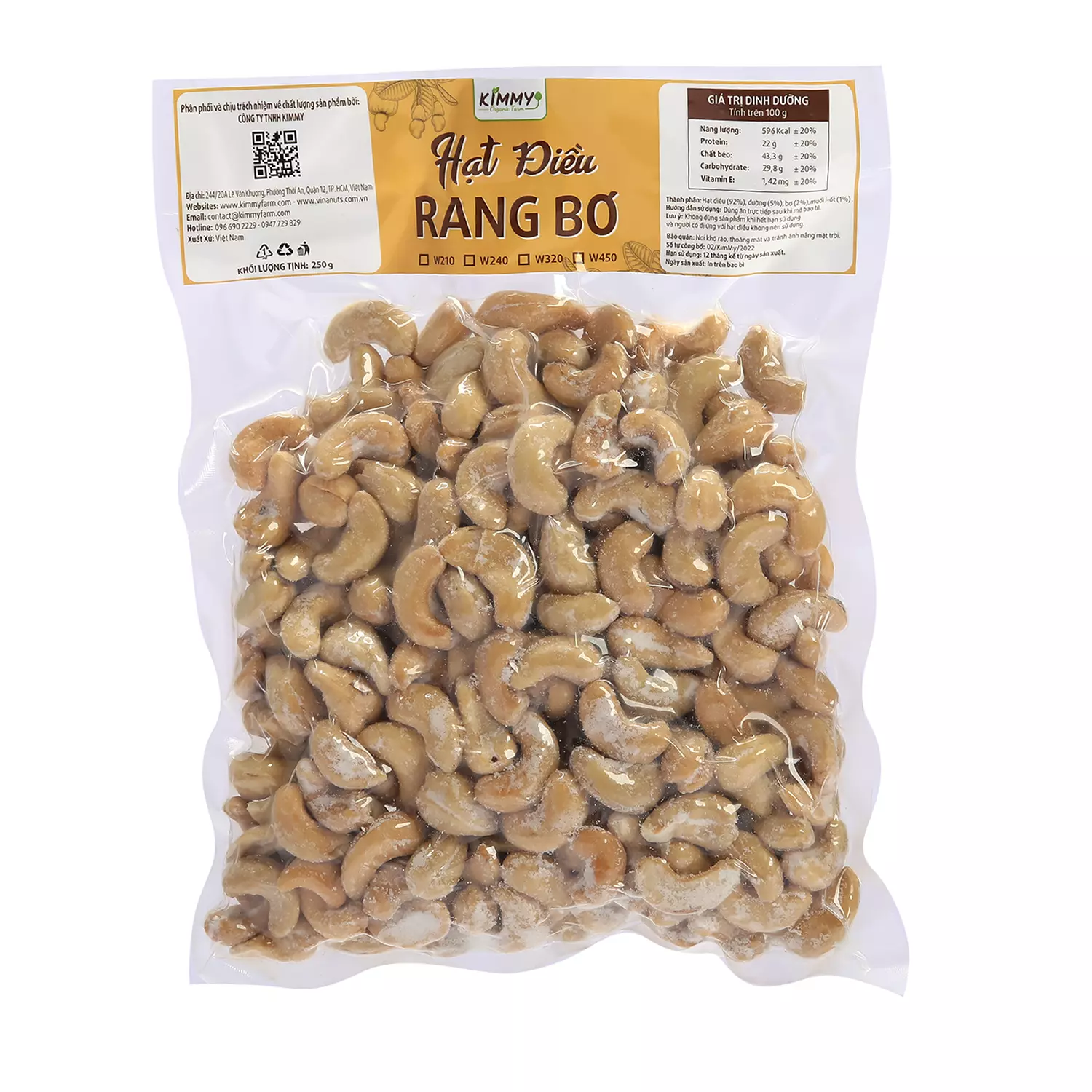
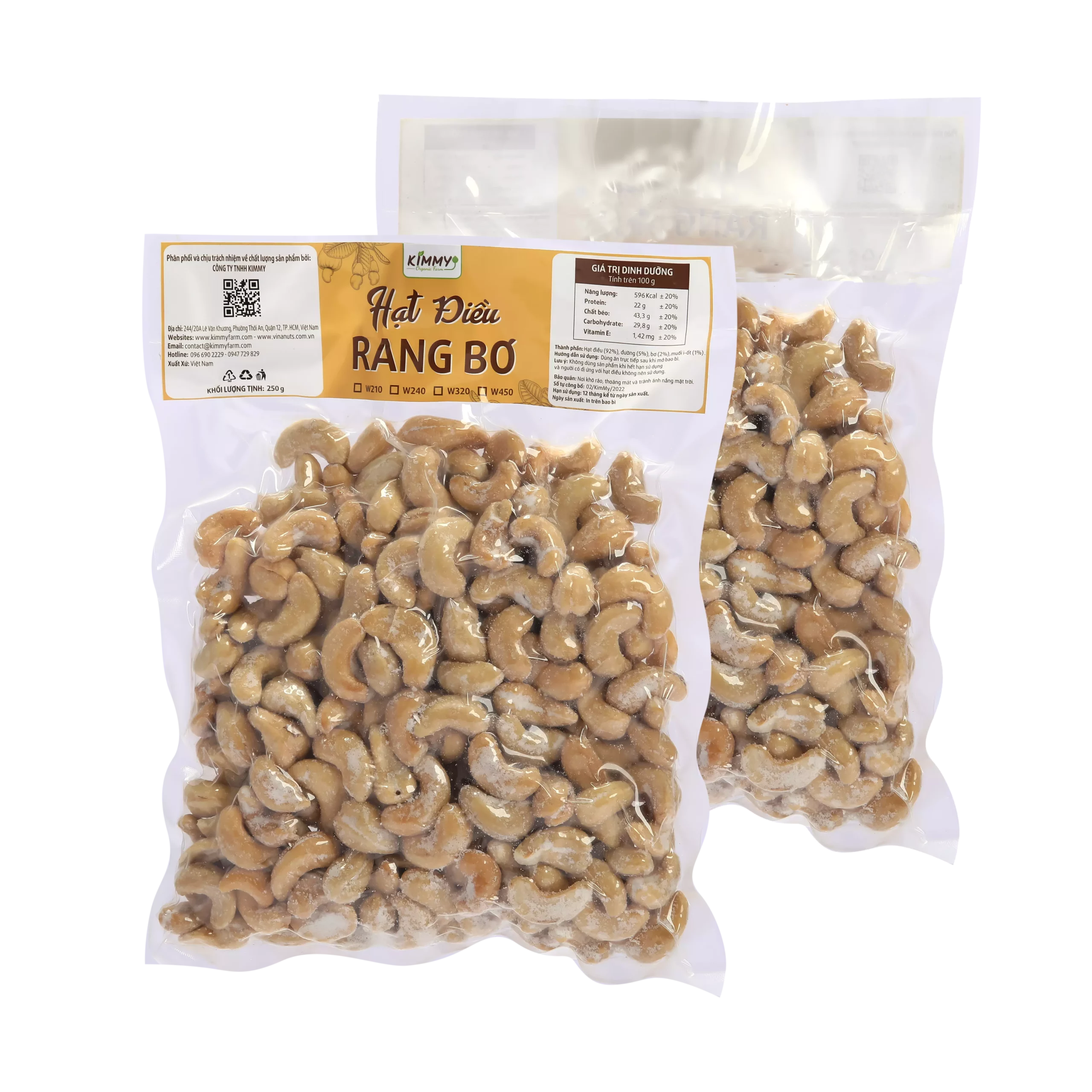
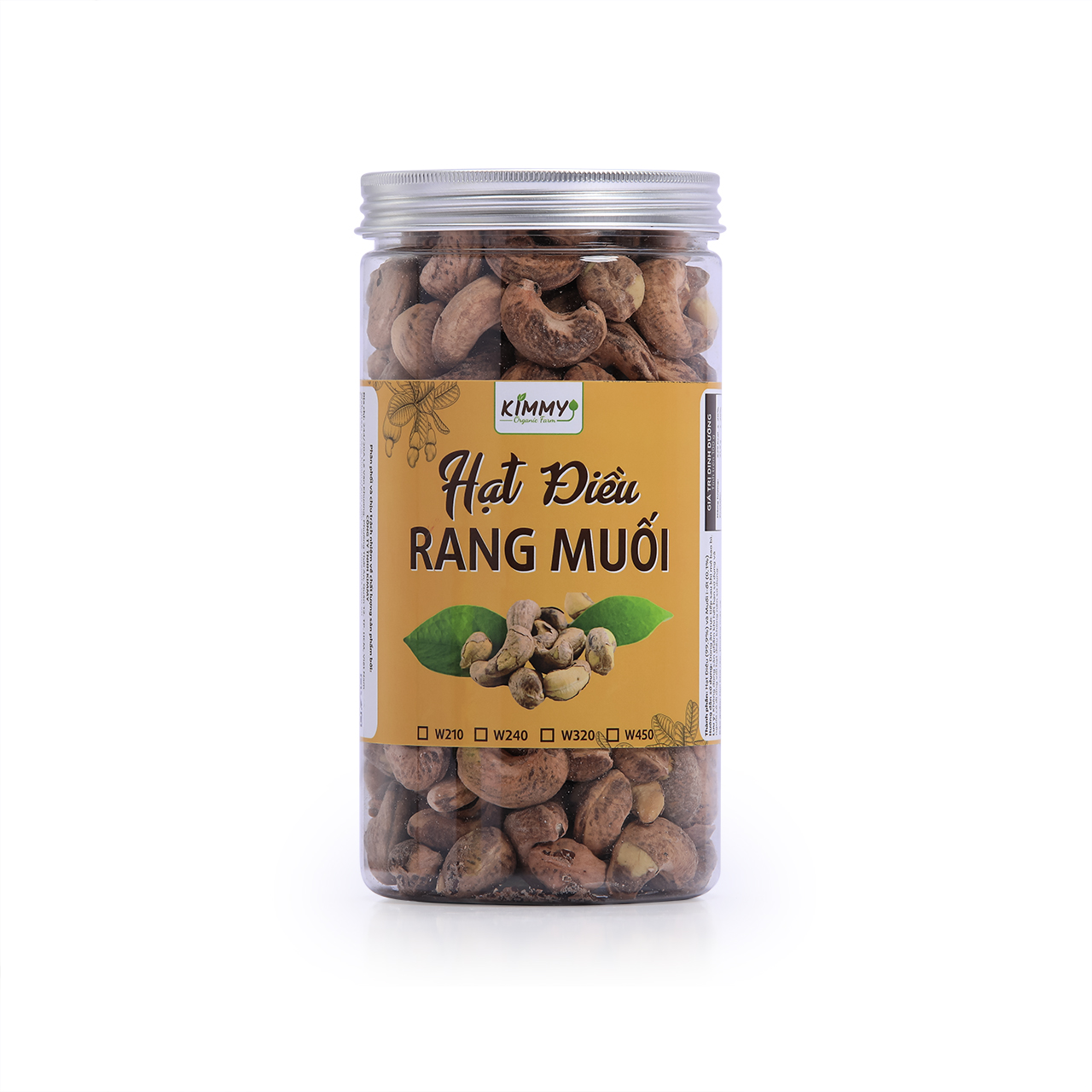
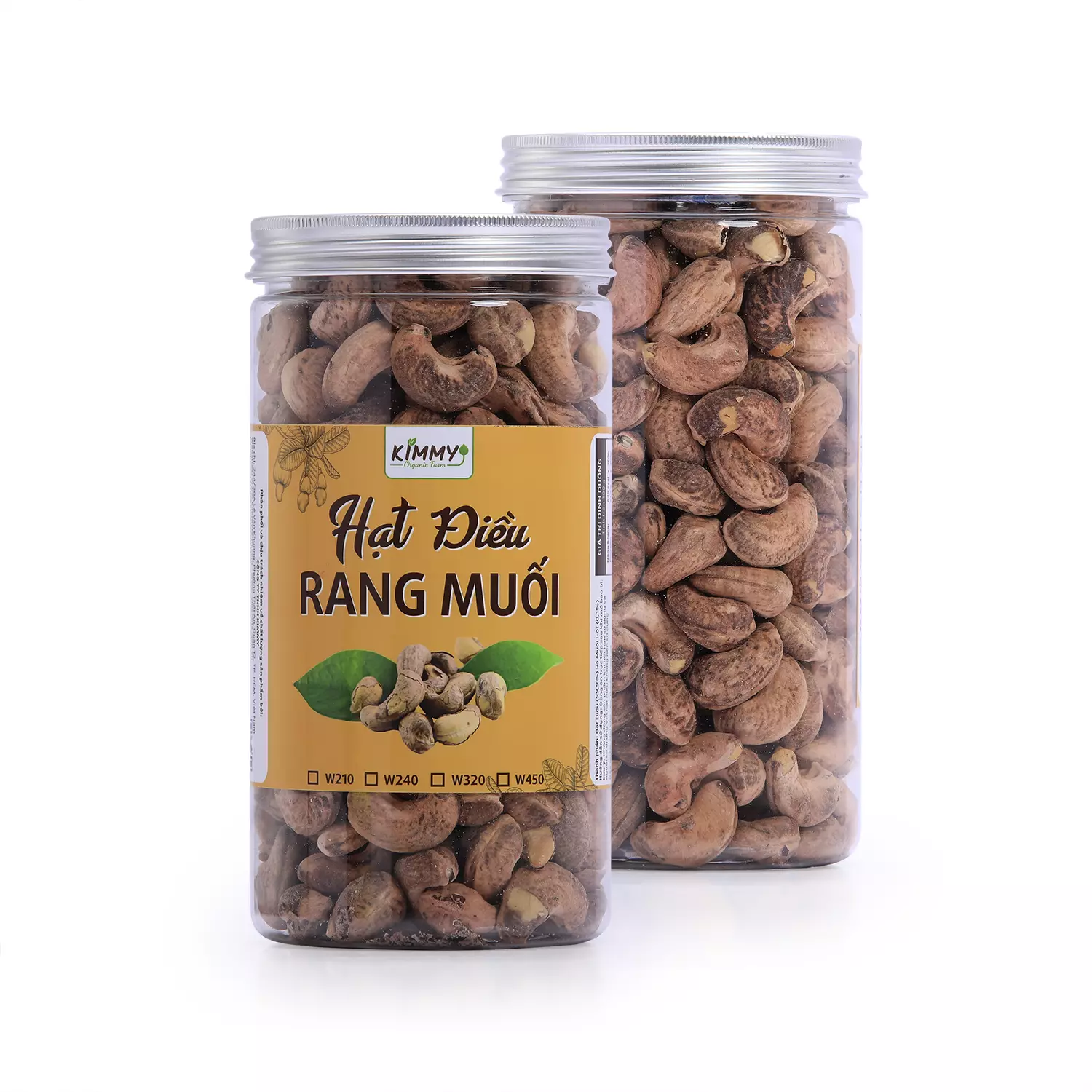
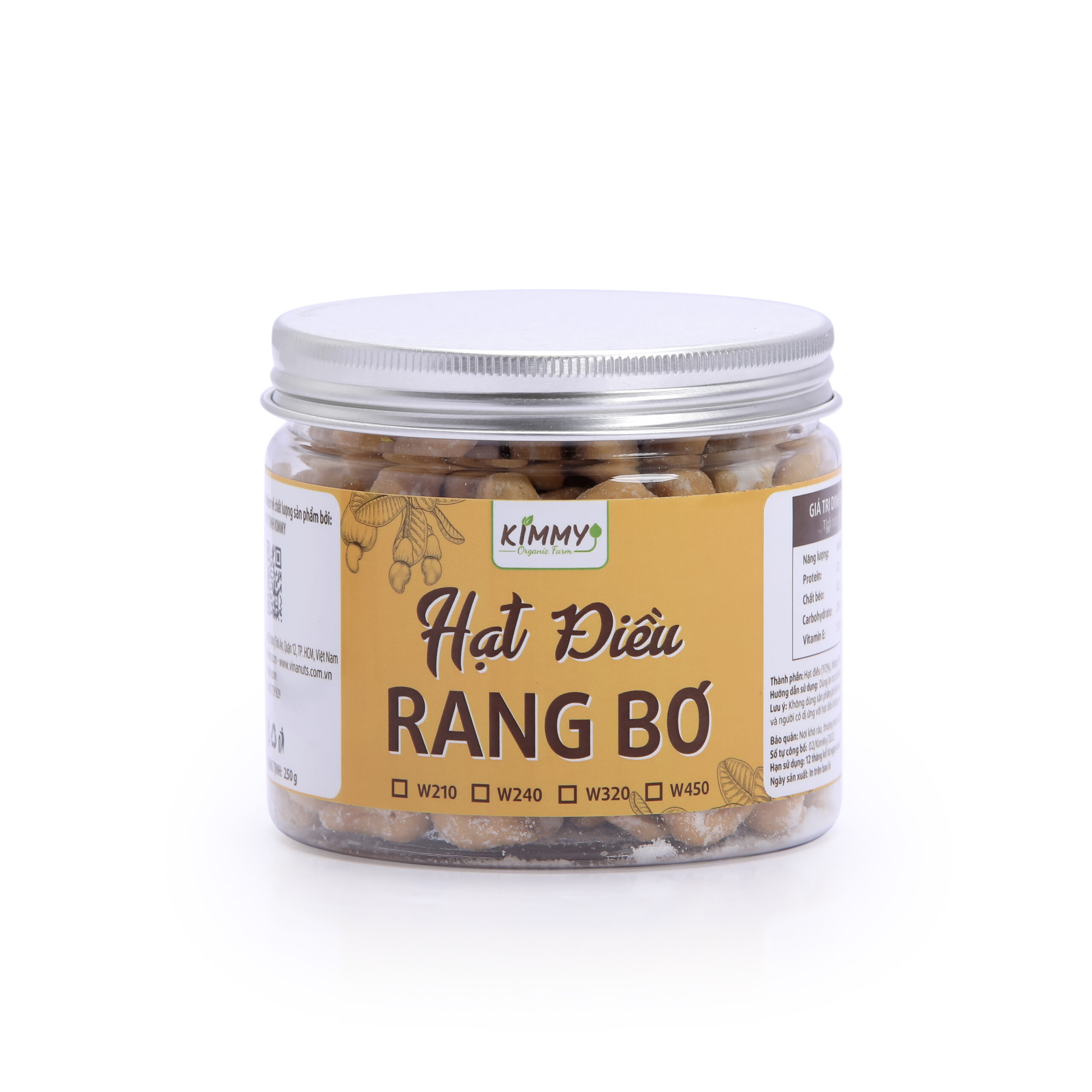
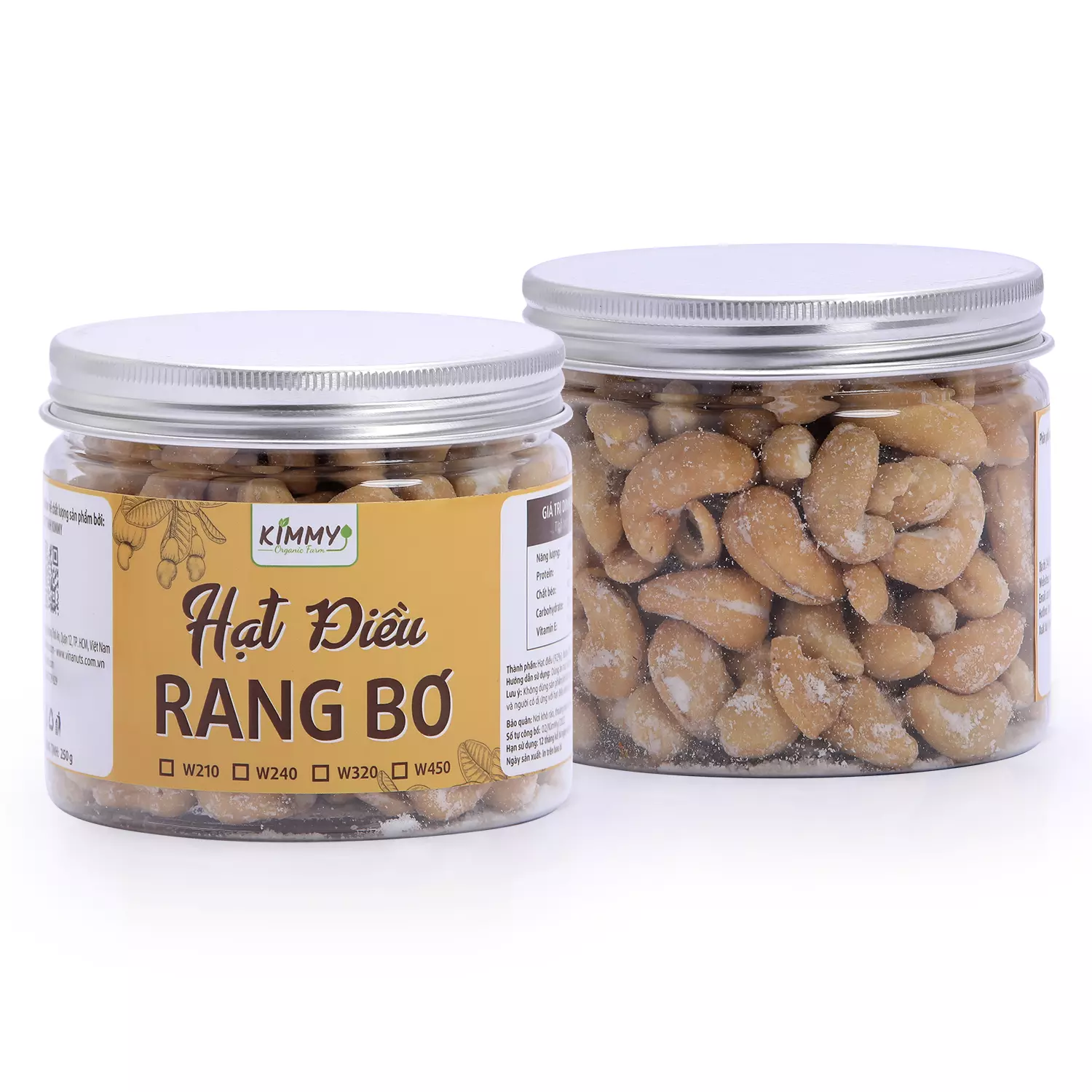
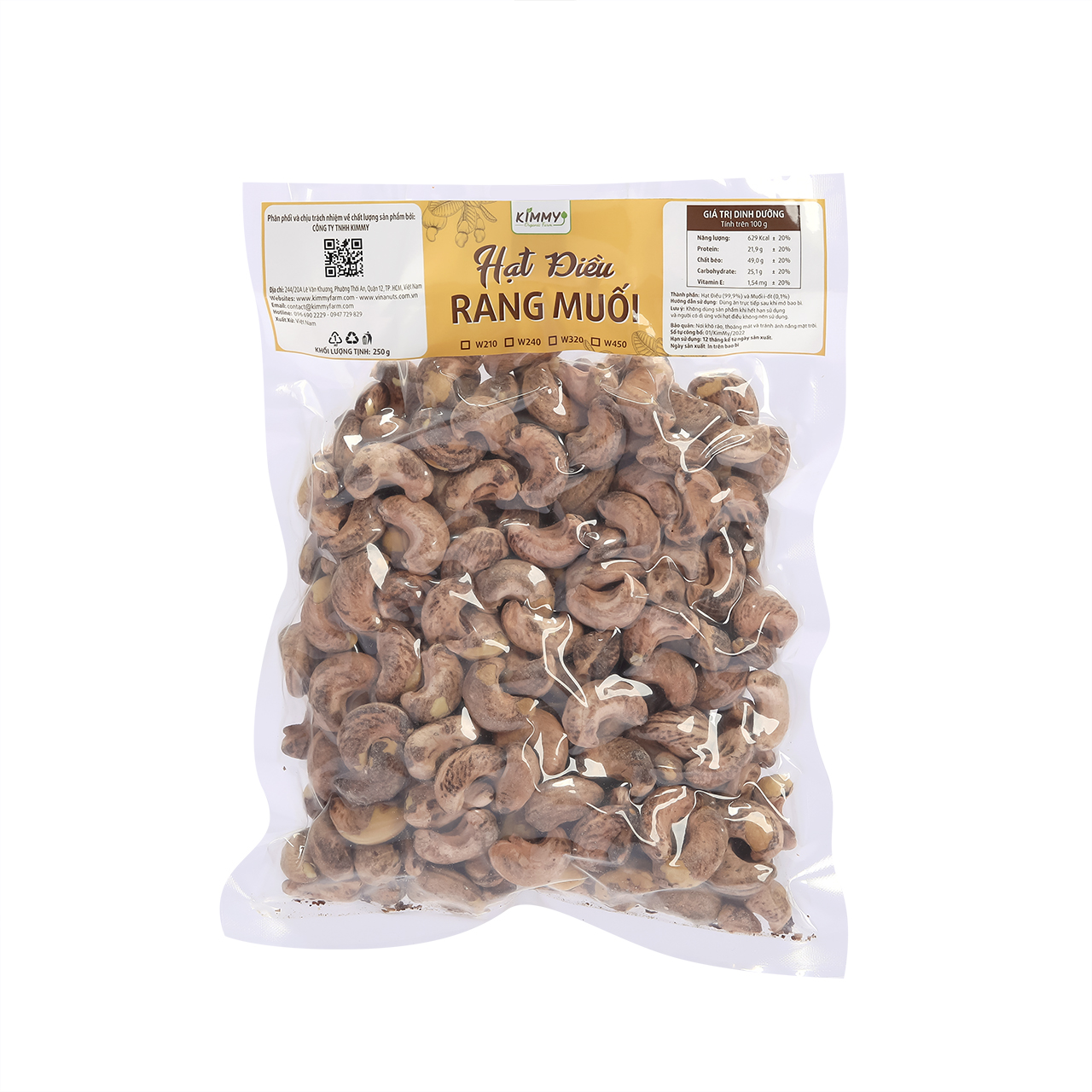
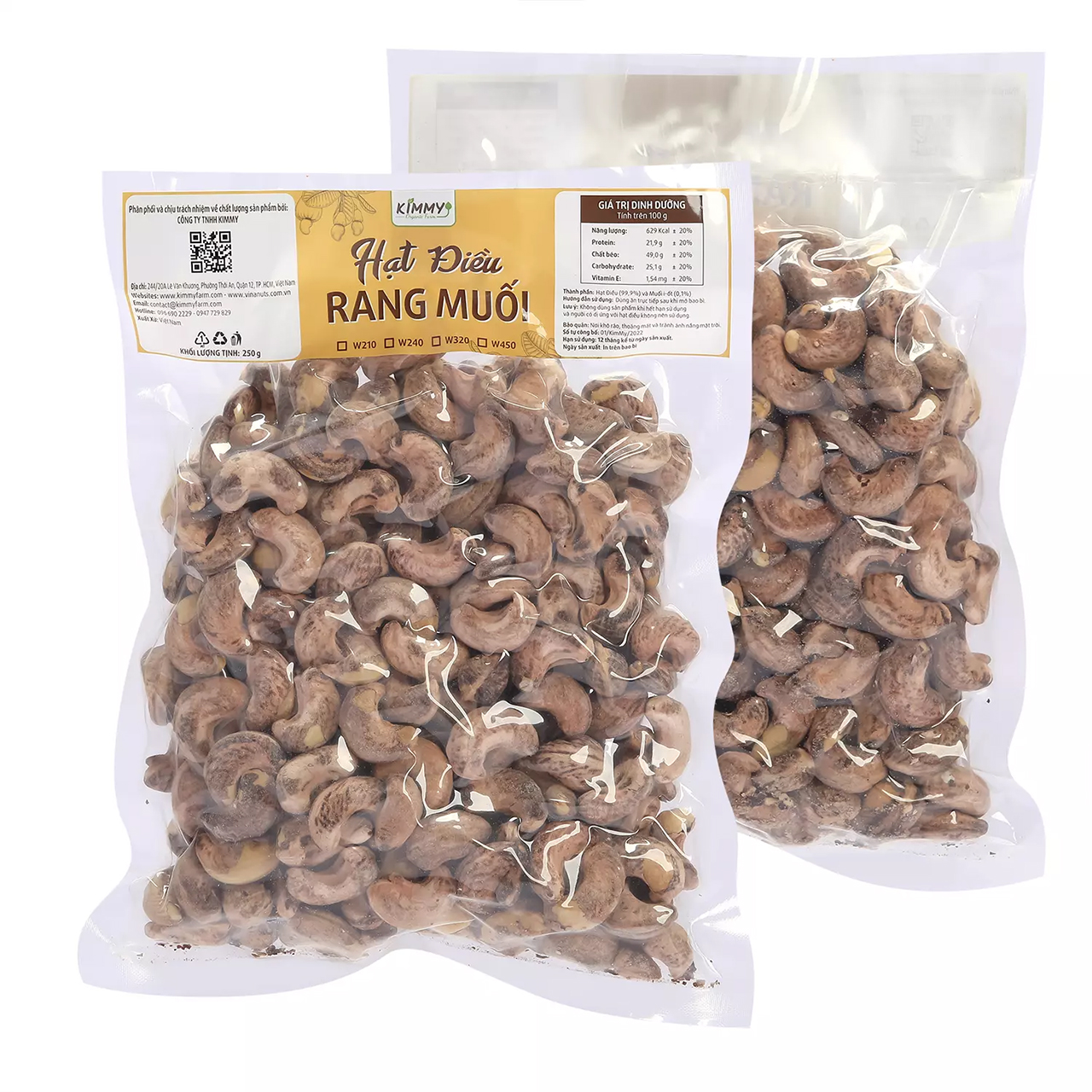
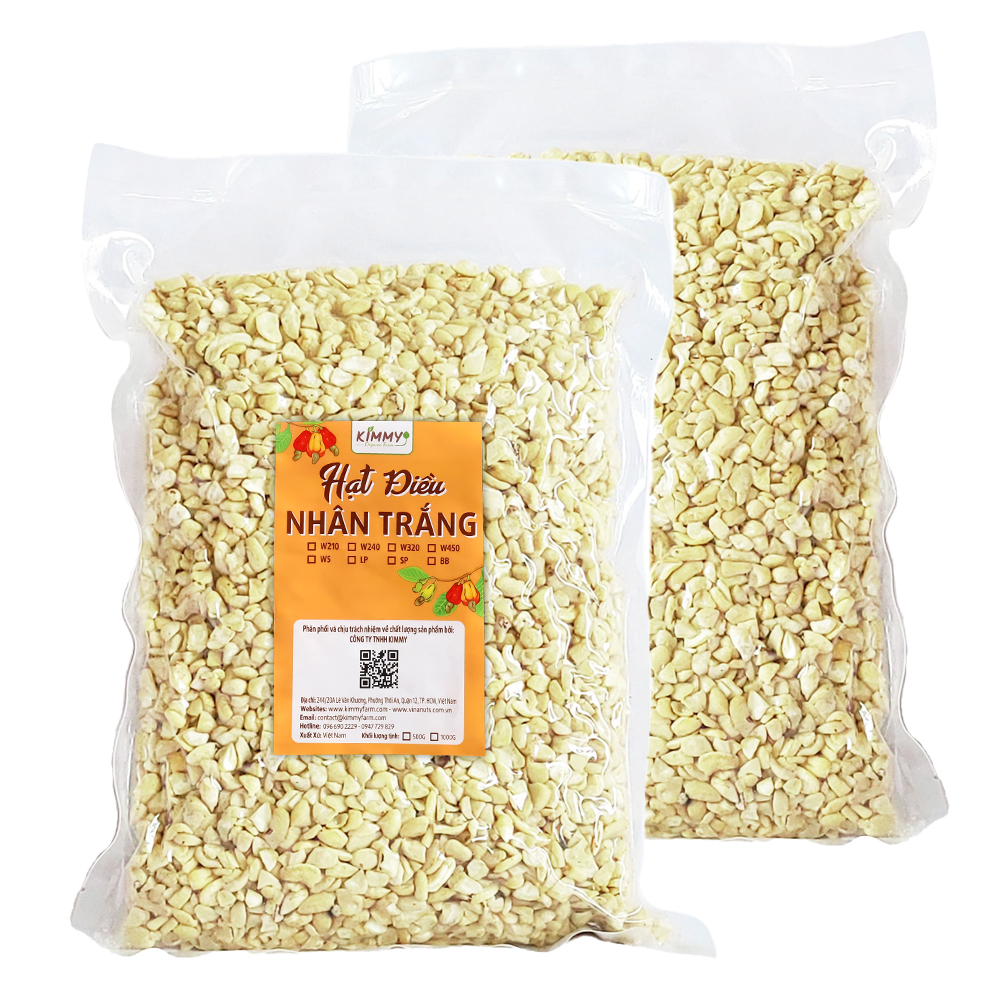
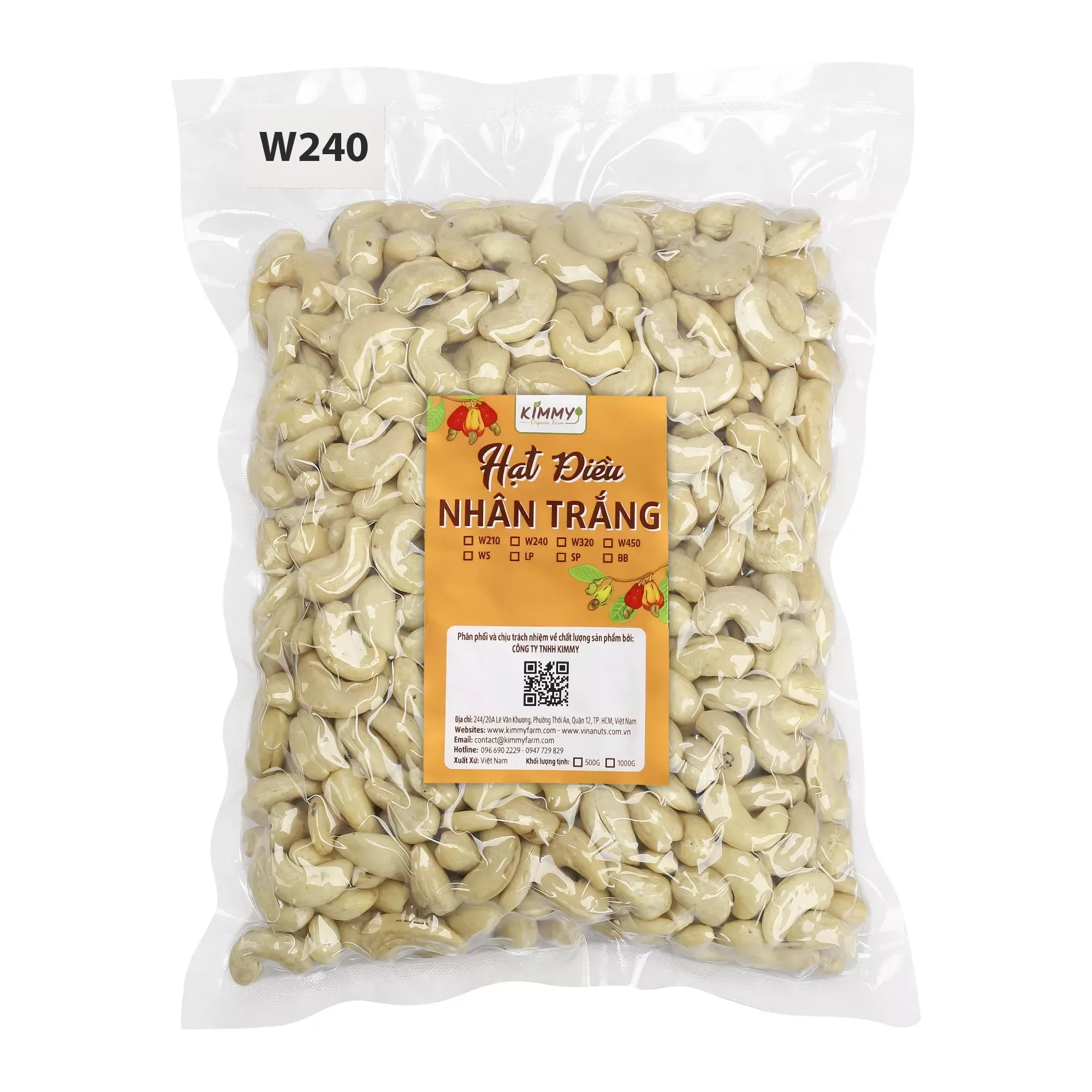
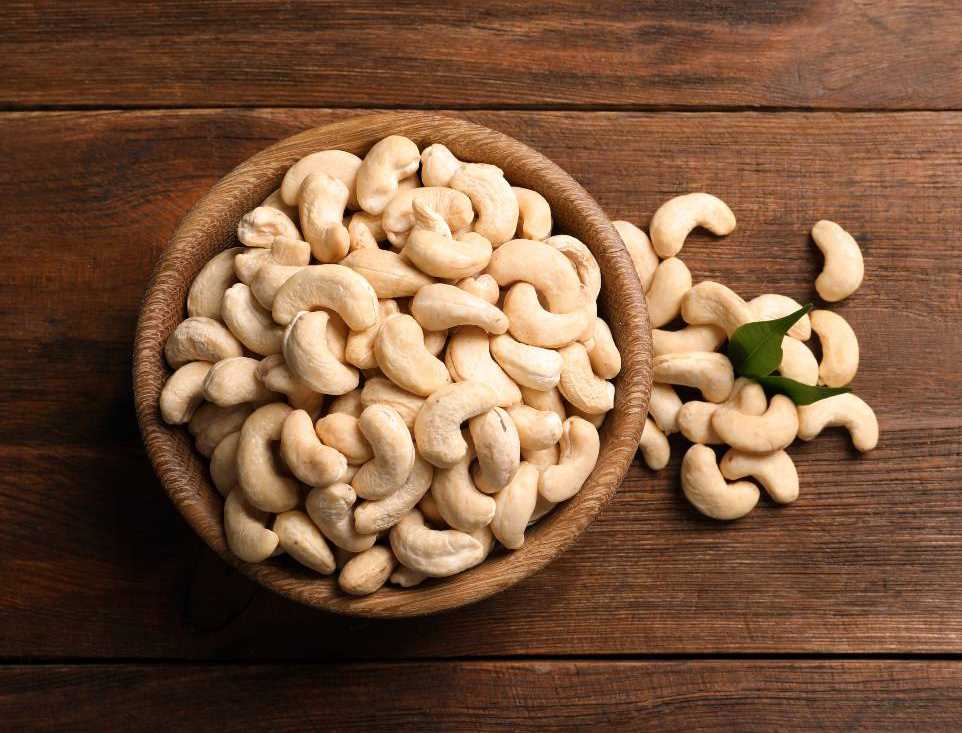
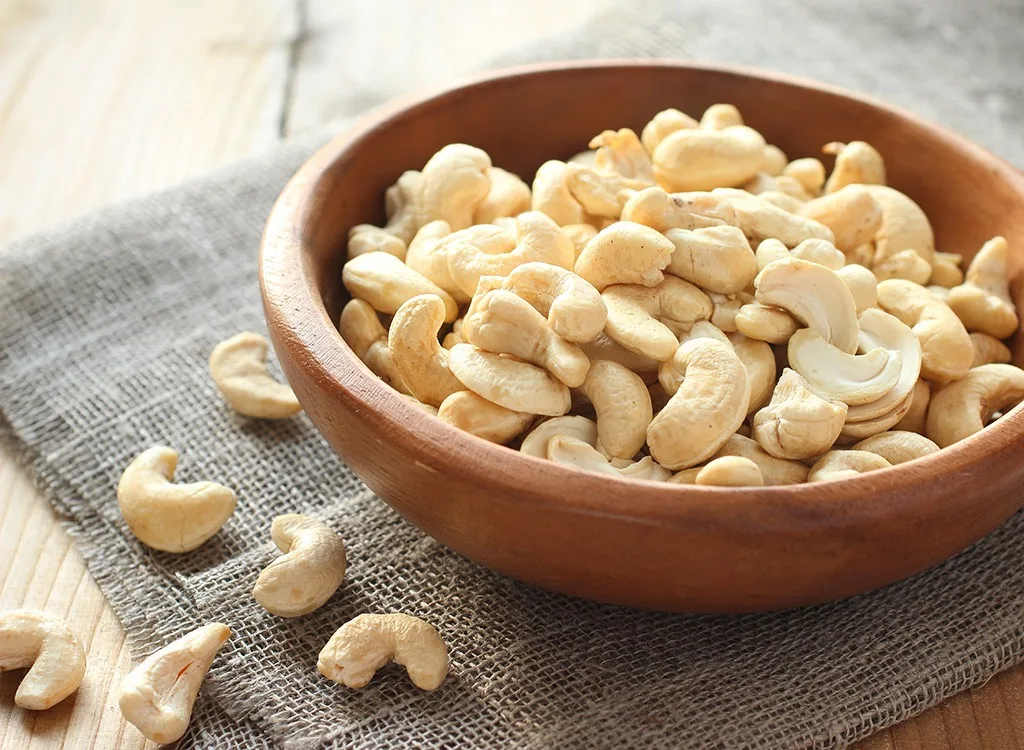
Cashew nuts are kidney-shaped seeds that come from the cashew apple. They are widely known for their smooth texture and slightly sweet, buttery flavor. Cashews are often used in plant-based snacks, roasted nut mixes, and even creamy sauces. They are considered one of the most popular nuts for snacking, especially in roasted or unsalted forms.
Lotus Seeds Overview
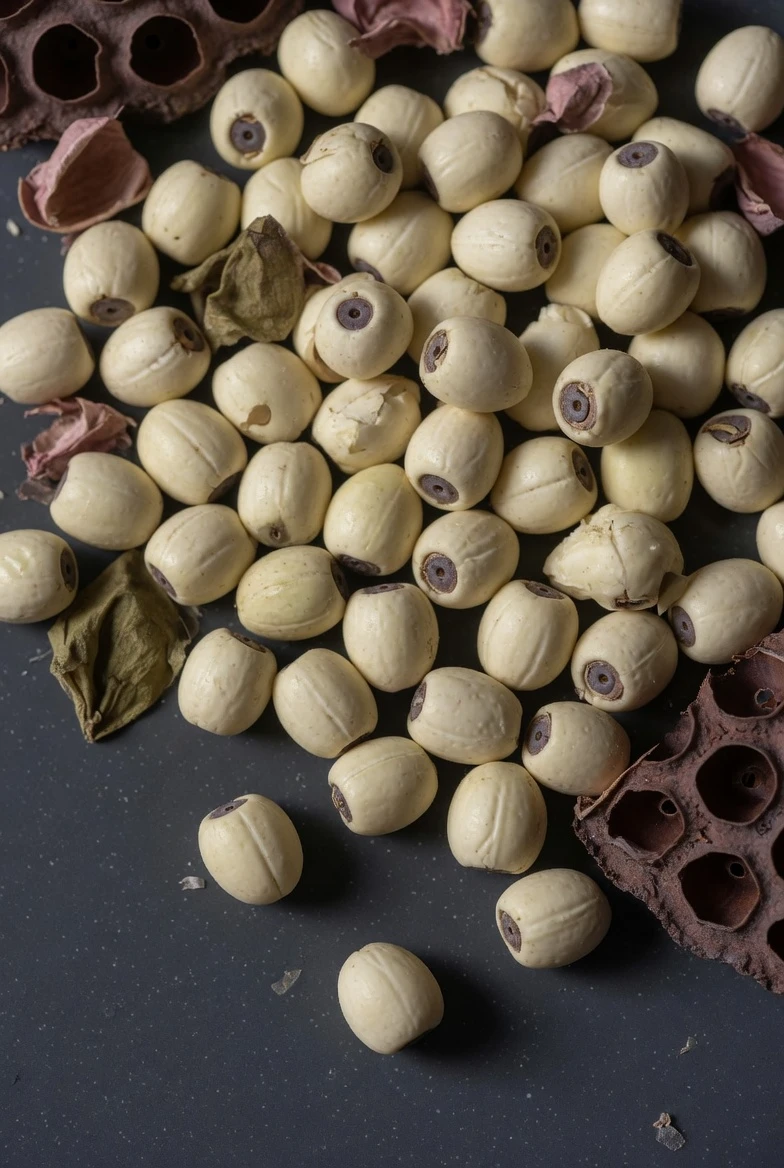
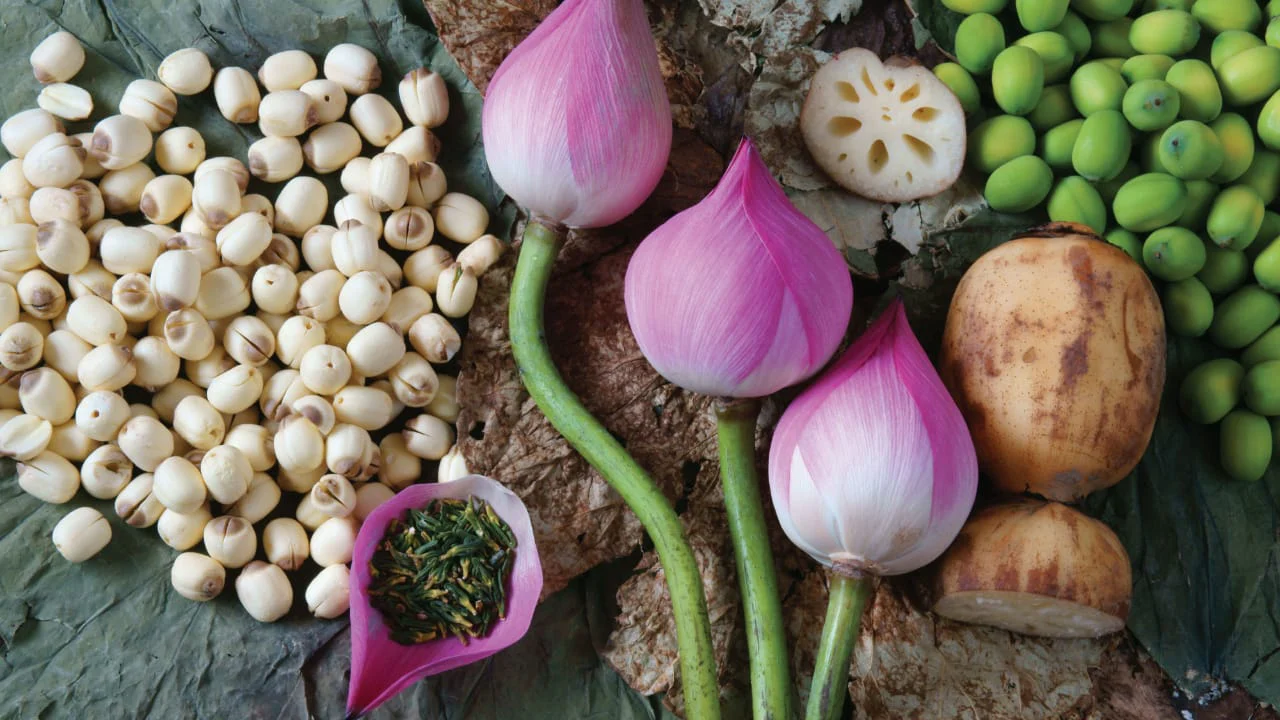
Lotus seeds come from the lotus flower and are commonly used in Asian cuisine. They can be eaten fresh, dried, or roasted. Lotus seeds have a mild taste and a slightly starchy texture. They are often included in low-calorie snacks, herbal dishes, and traditional desserts, making them very different from typical nuts.
Nutritional Profiles Of Each Nuts
Your diet plays a crucial role in maintaining good health and well-being. Let’s take a look at the nutritional profiles of cashew nuts and fresh lotus seeds to understand the benefits they offer.
Cashew Nuts: Nutritional Breakdown
Nuts like cashews are rich in protein, heart-healthy fats, and minerals like phosphorus, copper, and magnesium. Vitamin K and antioxidant chemicals are also abundant in these foods. Having said that, watch your calorie intake if you don’t want to put on extra pounds. On a 100 g basis, cashews provide around 553 kcal, 18 g protein, 44 g fat, 30 g carbs, 3.3 g fiber, 292 mg magnesium, 593 mg phosphorus, 660 mg potassium, and 5.8 mg zinc. They are especially strong in copper, with about 2.2 mg per 100 g, which is a standout amount. This profile makes cashews a richer and more concentrated snack than lotus seeds.
Fresh Lotus Seeds: Nutritional Breakdown
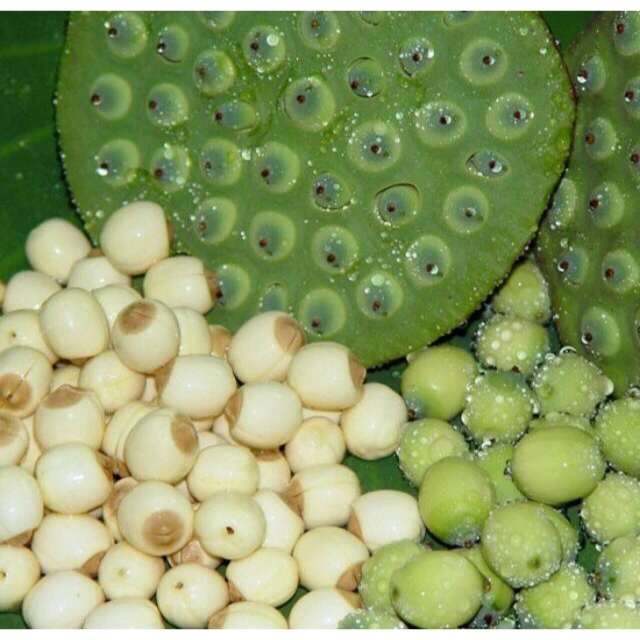
Fresh lotus seeds are low in calories and fat, making them an excellent snack option for those looking to manage their weight. They are rich in protein, fiber, and essential minerals such as iron and manganese. Additionally, they contain significant amounts of vitamins B and C, which are essential for overall health and immunity.

Dried lotus seeds provide around 332 kcal, 15 g protein, 2 g fat, 64 g carbs, 210 mg magnesium, 626 mg phosphorus, and 1368 mg potassium per 100 g. Compared with cashews, they are far lower in fat and much higher in carbs. They also bring strong mineral value, especially for potassium and phosphorus. That makes them appealing for readers looking for low-fat snacks or a seed-based alternative with a different nutrient balance.
Comparative Analysis Cashew vs Lotus
Cashew nuts and fresh lotus seeds both have their own set of advantages when looking at their nutritional profiles. Cashew nuts are calorie heavy despite their abundance of beneficial fats and minerals. In contrast, fresh lotus seeds are great for controlling weight because they aren’t loaded with calories and fat. Here is a simple way to break it down:
- For energy and richness: choose cashews
- For fiber and lighter eating: choose lotus seeds
- For cooking versatility: cashews work better
- For low-fat diets: lotus seeds fit better
Here’s a comparative analysis of the nutritional content of both:
Cashews are the richer choice for healthy fats, copper, zinc, and a more indulgent snack experience. Lotus seeds are the stronger choice if you want much less fat and a more carbohydrate-based food with strong potassium-rich foods appeal. Neither profile is automatically better. They simply match different goals
| utrient (per 100g) | Cashews | Lotus Seeds |
|---|---|---|
| Calories | 553 kcal | 332 kcal |
| Protein | 18.22 g | 15.03 g |
| Fat | 43.85 g | 1.01 g |
| Carbohydrates | 30.19 g | 63.55 g |
| Fiber | 3.3 g | 11.3 g |
| Sugars | 5.91 g | 1.4 g |
| Calcium | 37 mg | 29 mg |
| Iron | 6.68 mg | 3.94 mg |
| Magnesium | 292 mg | 95 mg |
| Phosphorus | 593 mg | 499 mg |
| Potassium | 660 mg | 569 mg |
| Sodium | 12 mg | 1 mg |
| Zinc | 5.78 mg | 1.09 mg |
| Vitamin C | 0.5 mg | 1.9 mg |
| Thiamine (B1) | 0.42 mg | 0.107 mg |
| Riboflavin (B2) | 0.06 mg | 0.26 mg |
| Niacin (B3) | 1.06 mg | 0.09 mg |
| Vitamin B6 | 0.42 mg | 0.165 mg |
| Folate (B9) | 25 µg | 27 µg |
| Vitamin E | 0.90 mg | 0.1 mg |
These values are based on raw, unprocessed cashews and lotus seeds. Keep in mind that while both foods offer various nutritional benefits, their profiles are quite different. Cashews are higher in fat and protein, while lotus seeds are lower in fat and higher in carbohydrates.
Health Benefits
Some of the health benefits of including cashew nuts and fresh lotus seeds in your diet are truly remarkable. Both these nuts offer a variety of essential nutrients and have positive impacts on your overall well-being. Let’s take a closer look at the specific health benefits of each.
Benefits of Cashew Nuts
You should include cashew nuts in your diet because of their many important health benefits. In addition to being rich in heart-healthy fats, they are also an excellent source of protein, fiber, vitamins, and minerals. In addition to supplying your body with vital nutrients like magnesium, zinc, and iron, eating cashew nuts can assist enhance your heart health and aid in weight management. Furthermore, cashew nuts’ antioxidants can shield cells from free radical damage, which in turn lowers the chance of developing chronic diseases.
- Source of Healthy Fats: Cashews contain mostly unsaturated fats, which are often included in balanced diets. These fats help provide energy and support satiety.
- Supports Energy and Daily Nutrition: Because of their calorie density, cashews are a strong choice for people who need energy-rich snacks, especially in active lifestyles.
- Versatile for Plant-Based Diets: Cashews are widely used in plant-based recipes, from nut butter to dairy-free sauces. This makes them more flexible than many other snack options.
Benefits of Fresh Lotus Seeds
On the other hand, fresh lotus seeds offer their own unique set of health benefits. These seeds are low in cholesterol and sodium and are an excellent source of essential nutrients, including protein, fiber, and vitamins like B complex and vitamin E. Their high magnesium and phosphorus content can promote bone health and support proper nerve function. In addition, the antioxidants present in lotus seeds contribute to their anti-aging and anti-inflammatory properties, making them a valuable addition to your diet.
- High in Fiber: Lotus seeds are a good option for those looking for high-fiber snacks, which can support digestion and help maintain a balanced diet.
- Lower in Fat and Calories: Compared to cashews, lotus seeds are naturally lower in fat, making them suitable for people who prefer low-fat snack options.
- Light and Easy to Eat: Their mild taste and lighter texture make lotus seeds easy to include in daily meals without feeling too heavy.
Unique Properties and Shared Advantages
While cashew nuts and fresh lotus seeds have their individual benefits, they also share some common advantages. Both are beneficial for improving digestion, boosting immunity, and providing sustained energy. They also offer a natural source of healthy fats that can support brain function and contribute to a healthy nervous system. The high protein content in cashew nuts and lotus seeds can also aid in muscle repair and growth, making them an ideal choice for individuals leading an active lifestyle.
Drawing together all the information on cashew nuts and fresh lotus seeds, it’s clear that both of these snacks offer unique nutritional benefits. Cashew nuts are high in healthy fats and protein, making them a great addition to your diet for energy and muscle support. On the other hand, fresh lotus seeds are a low-calorie, high-fiber option that can aid digestion and promote feelings of fullness. Whether you’re looking for a quick snack on the go or a nutritious addition to your meals, both cashew nuts and fresh lotus seeds have something valuable to offer. Remember to enjoy them in moderation and as part of a balanced diet to reap their full benefits.
Which One Is Better for Weight Management?
This is the section where bad nutrition writing usually falls apart. Many posts say lotus seeds are automatically better for weight loss because they are lower in fat. That is too simplistic. Fresh lotus seeds, dried lotus seeds, and puffed lotus snacks are not nutritionally identical, and dried forms can be much more calorie-dense than people assume. Meanwhile, cashews are higher in fat, but that same richness may help some people feel satisfied with a smaller portion.
- If you want a richer, more filling snack, cashews may work better.
- If you want a lower-fat snack and you control portion size carefully, lotus seeds may fit better.
In both cases, portion is the real decision-maker, not the food label alone.
Final Verdict / Conclusion
If you want the simplest answer to “Cashew Nuts Vs Lotus Seeds: Nutrition, Benefits, and Which One Is Better for You?”, here it is: cashews are better for healthy fats, richer taste, and mineral density in areas like copper and zinc, while lotus seeds are better if you want a much lower-fat option with strong potassium and phosphorus levels and a lighter snack profile. But a smarter conclusion is not to force a winner. Cashews and lotus seeds can both fit into a balanced diet. One gives you richness and satiety. The other gives you variety and a different nutrient balance. For many readers, the best move is not choosing one forever. It is using both at different times, for different needs.
Are cashew nuts healthier than lotus seeds?
Cashews are more energy-dense and provide more fat, along with useful minerals such as magnesium, phosphorus, zinc, and copper. Lotus seeds, especially in dried form, are much lower in fat and provide carbohydrates, protein, and minerals such as potassium, magnesium, and phosphorus. So the better choice depends on whether the reader wants a richer, more filling snack or a lighter, lower-fat option.
Which one is better for everyday snacking?
Both can work well as everyday snacks, but they suit different eating habits. Cashews are often the better choice for people who like a creamy texture and a richer, more satisfying bite. Lotus seeds are often better for people who prefer something lighter and less fatty. The more important point is not just which snack you choose, but how much you eat. Harvard Health suggests keeping nuts and seeds to about one to two ounces per day, depending on the rest of the diet.
Are lotus seeds lower in calories than cashews?
In general, dried lotus seeds are lower in calories than cashews for similar serving sizes, but this comparison can get messy if people do not specify the form. A 1-ounce serving of raw cashews provides about 156.78 calories, while a 1-cup serving of dried lotus seeds listed by the University of Rochester provides about 106.24 calories. That said, readers should be careful not to treat all lotus seed products as identical, because processing and serving size can change the nutrition profile quite a bit.
Which one is better for weight management?
Neither food guarantees weight loss on its own. Lotus seeds may appeal to readers who want a lower-fat snack, while cashews may help some people feel full faster because they are richer and more satisfying in small portions. Better Health Channel notes that nuts and seeds can support weight regulation partly because they help regulate food intake, but portion size still matters. So the smarter takeaway is this: lotus seeds may fit better in a lighter snack plan, while cashews may fit better when a person wants more satiety in a small serving
Are cashews a good source of minerals?
Yes. Cashews are especially valued for their mineral content. A 1-ounce serving provides magnesium, phosphorus, potassium, zinc, copper, and iron, which helps explain why cashews are often seen as nutrient-dense snacks rather than just tasty nuts. This is one of the clearest advantages cashews have in a nutrition comparison.
Do lotus seeds have any nutritional advantages over cashews?
Yes, they do. Lotus seeds are much lower in fat and still provide protein and important minerals such as potassium, magnesium, and phosphorus. For readers who want a lighter snack or want more variety beyond typical nuts, lotus seeds offer a useful alternative. This is why it is more accurate to say lotus seeds have a different nutritional role rather than saying they are simply better or worse than cashews.
Can cashews and lotus seeds both fit into a healthy diet?
Yes. The FDA’s updated guidance on the “healthy” claim makes clear that nuts and seeds can be part of a healthy dietary pattern. Better Health Channel also notes that nuts and seeds provide protein, healthy fats, fiber, vitamins, and minerals, and that variety matters because different types bring different nutrient profiles. That makes it perfectly reasonable to include both cashews and lotus seeds in a balanced diet instead of forcing a choice between them.
Is it better to eat cashews or lotus seeds plain?
Usually, yes. Plain or lightly seasoned versions are generally the smarter choice if health is the goal. The FDA’s updated framework for healthy foods favors nutrient-dense foods that fit healthy dietary patterns, and heavily salted or heavily sweetened snack products can pull foods away from that standard. In practical terms, simple versions usually make more sense than ones loaded with sodium, sugar, or strong coatings.
A brand specializing in the production and export of agricultural products in Vietnam. We have a black soldier fly farm in Tay Ninh and a cashew growing area in Binh Phuoc. The main export products of the company are: cashew nuts, cashew nut kernels, black soldier fly, frozen seafood, shrimp, prawns, catfish… from Vietnam.