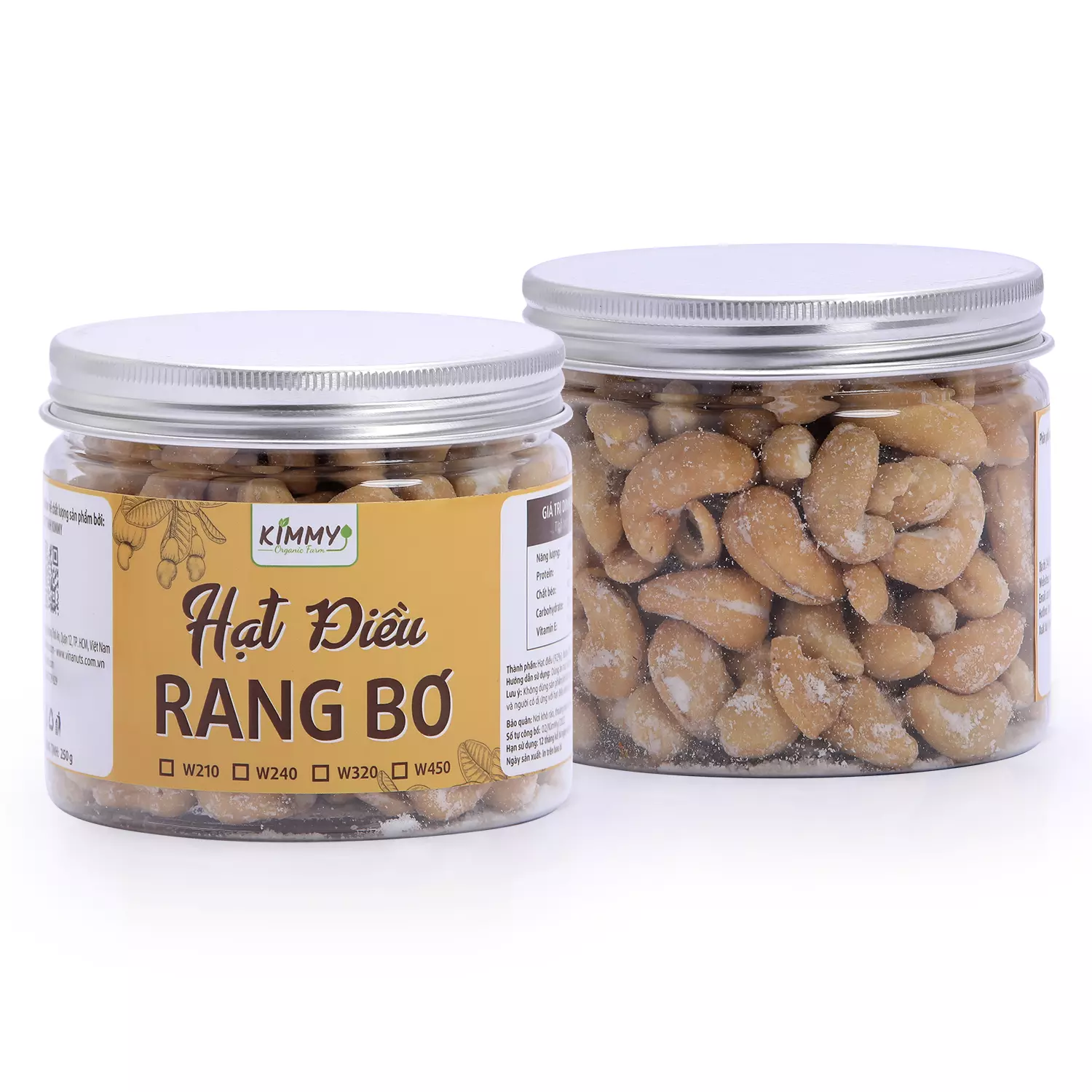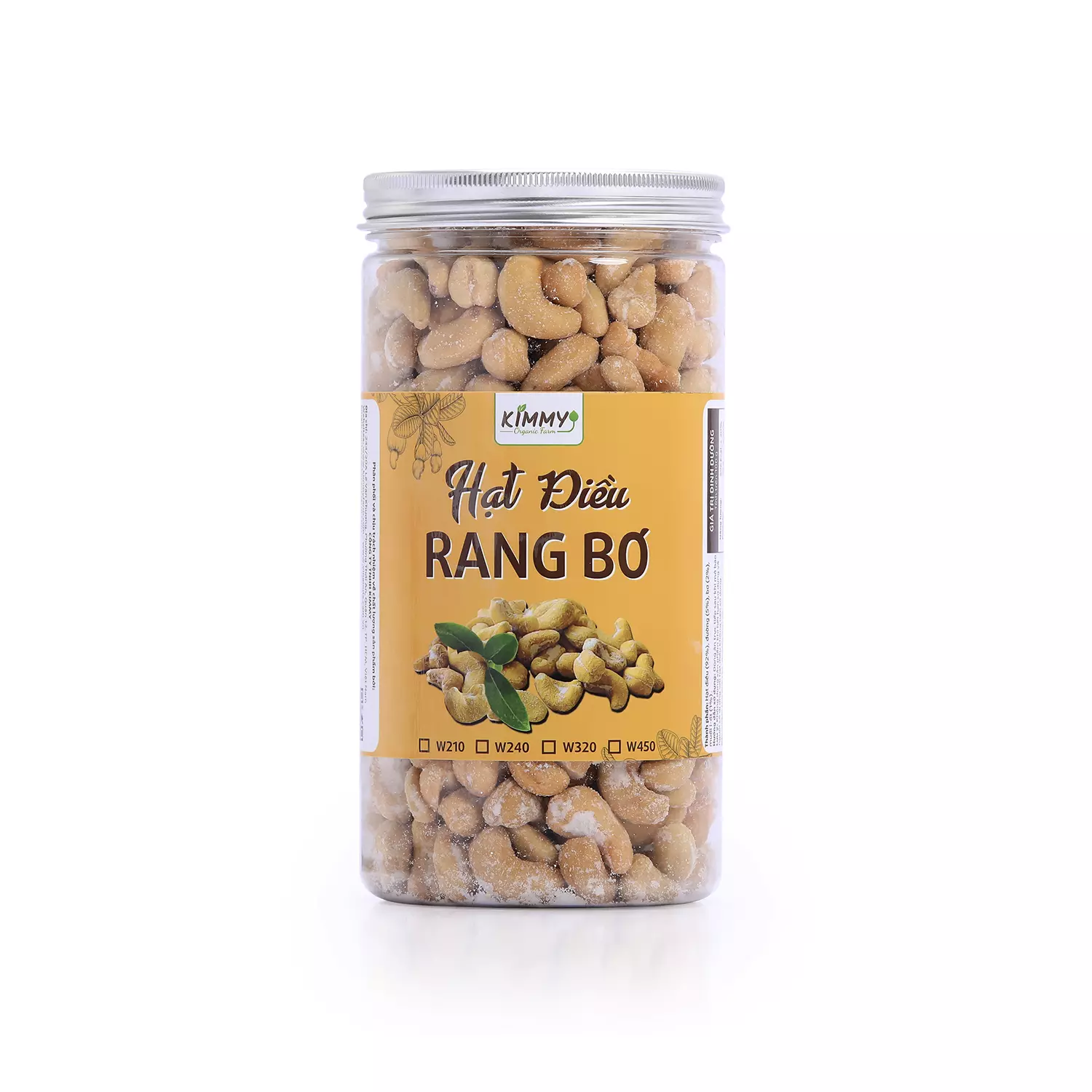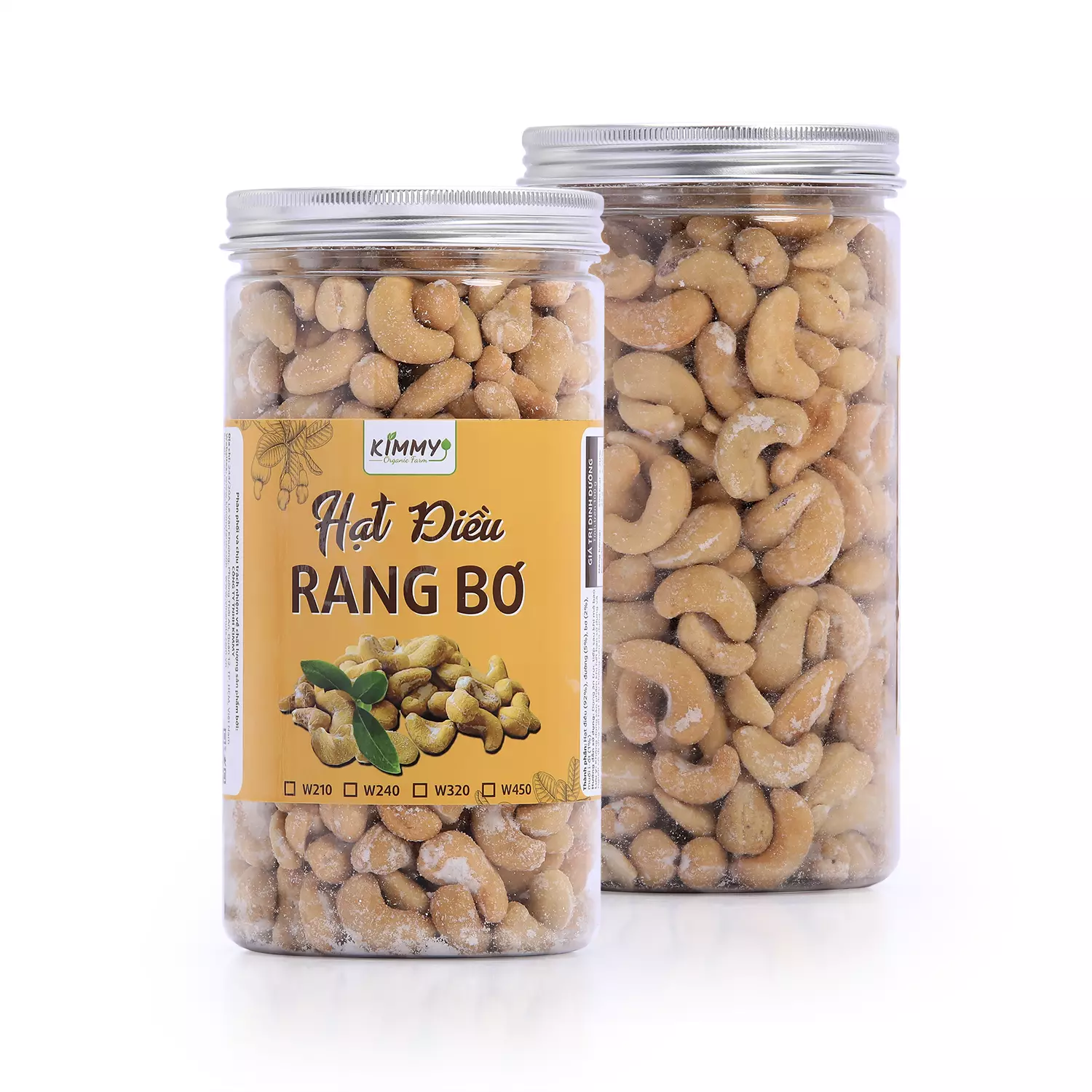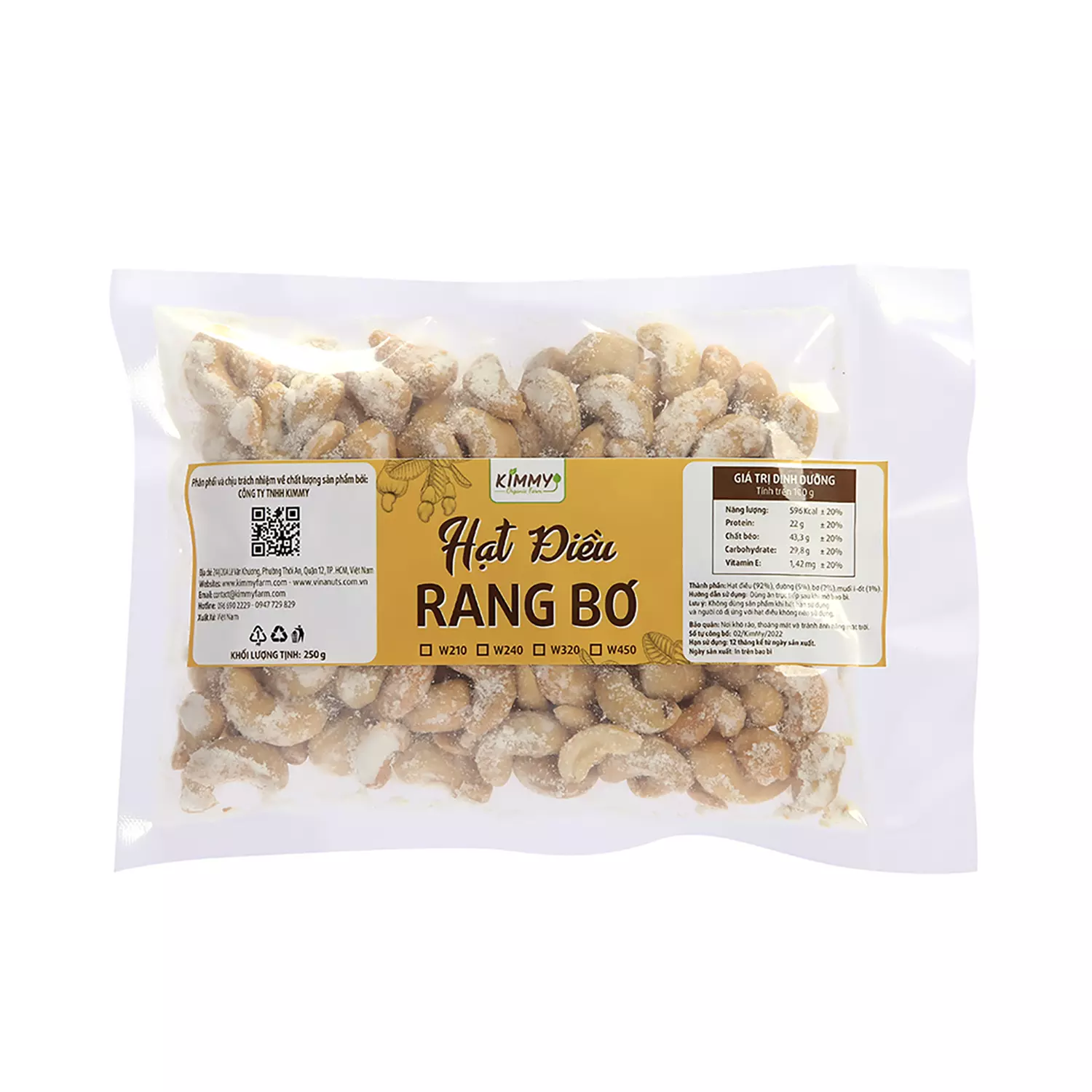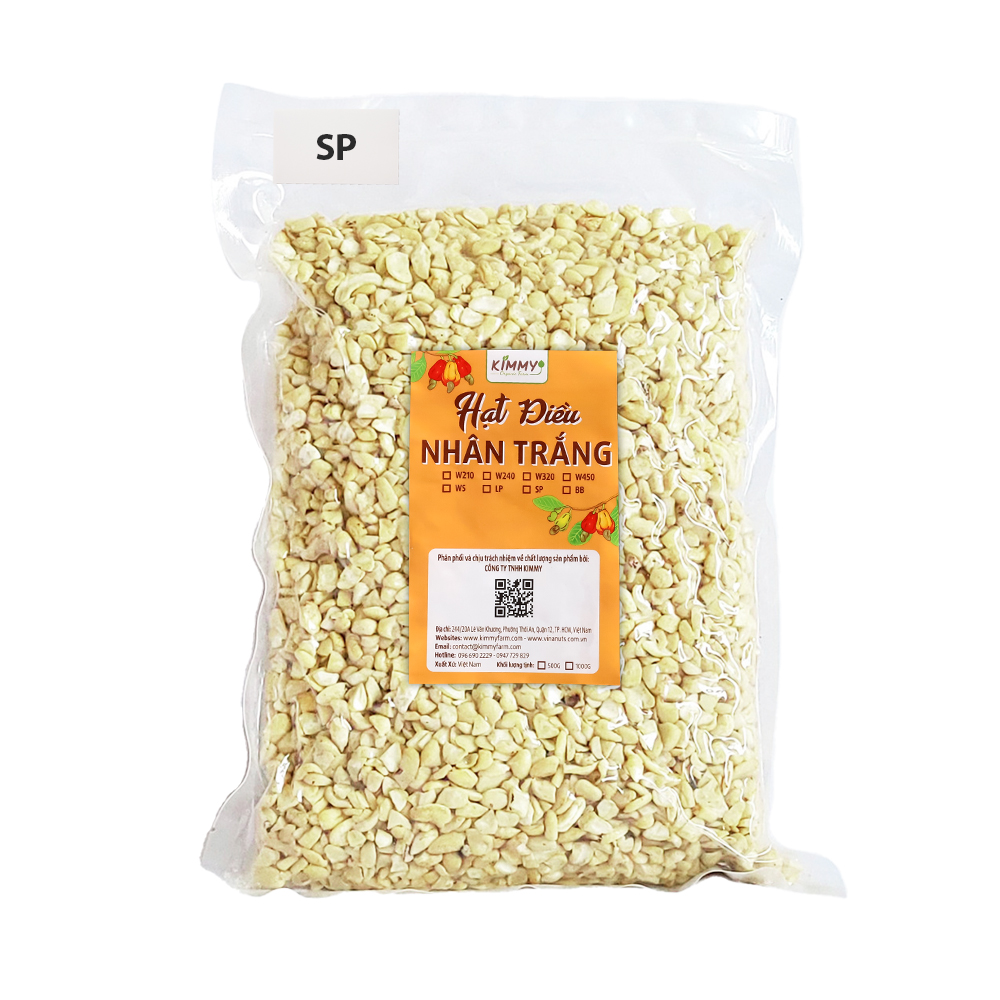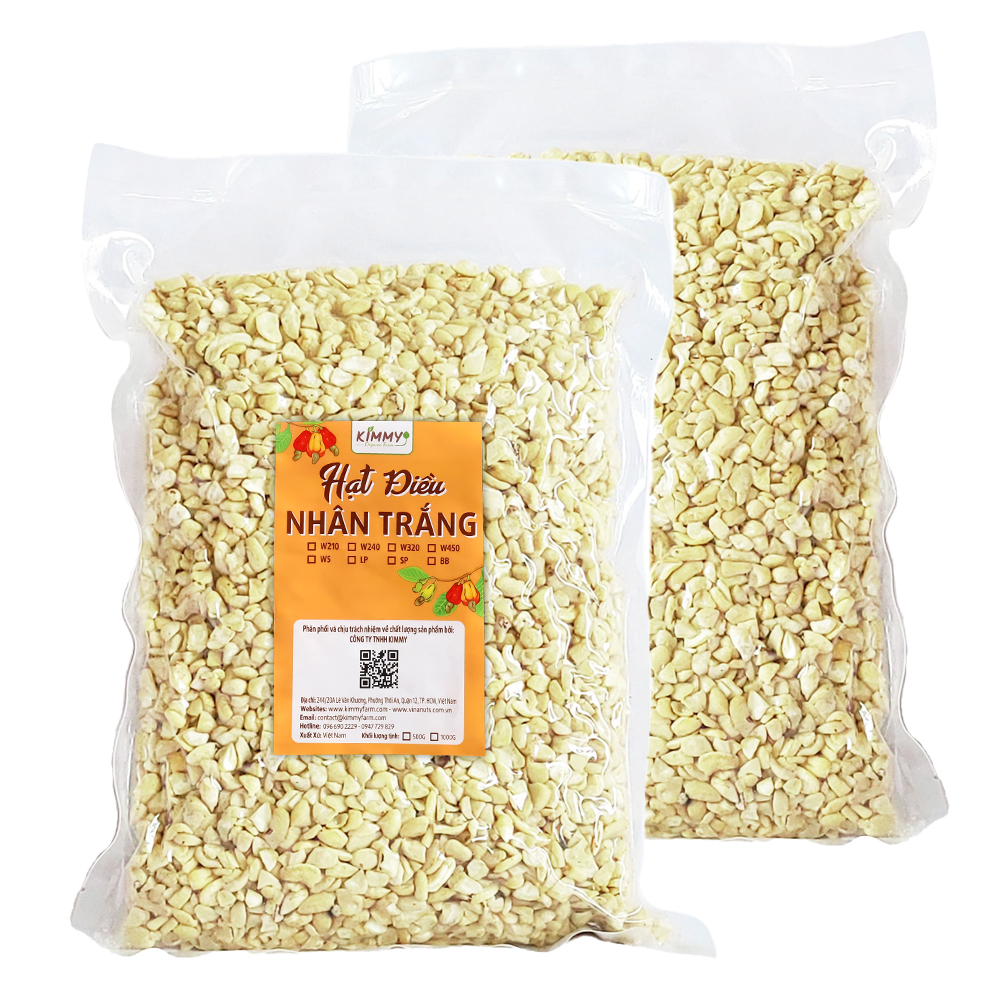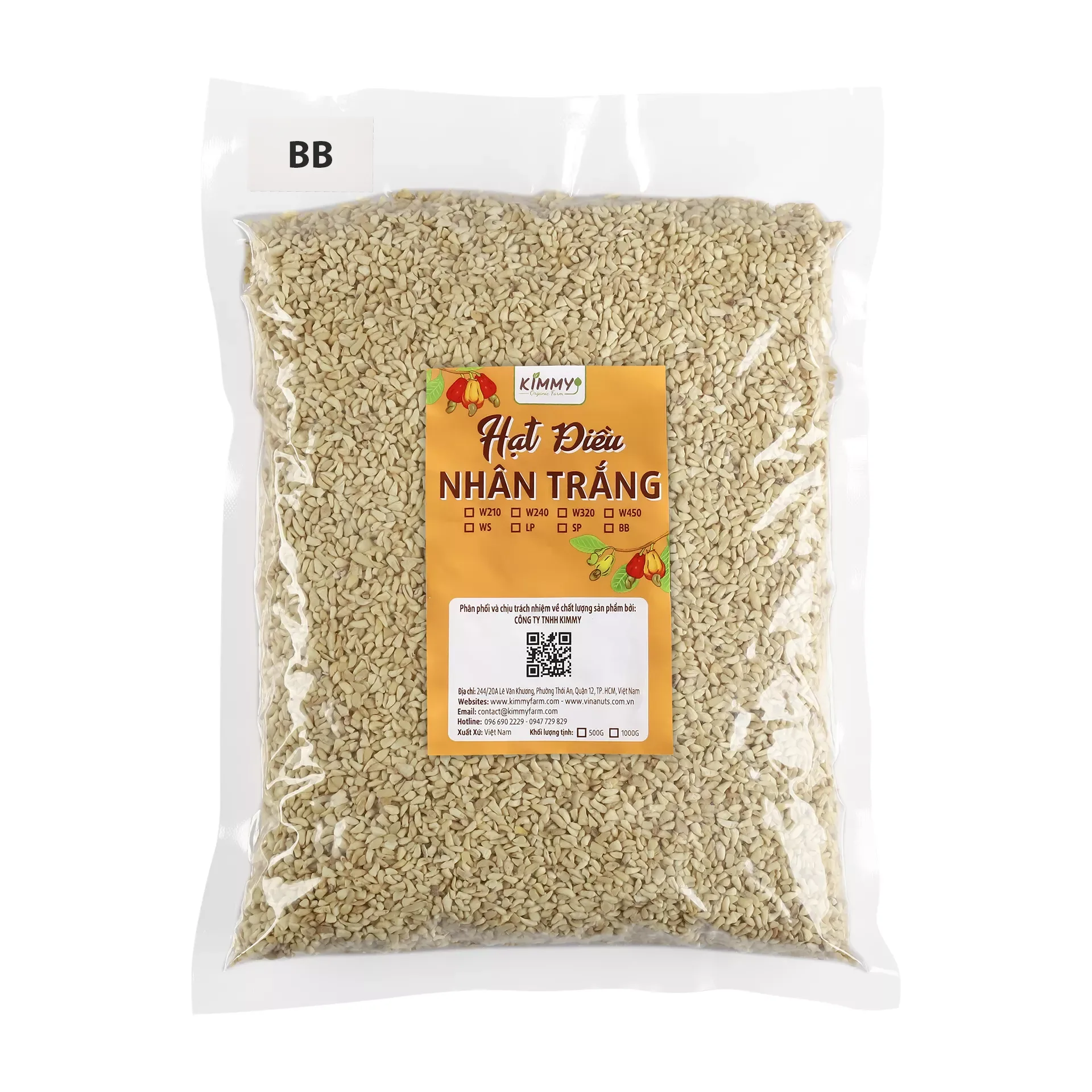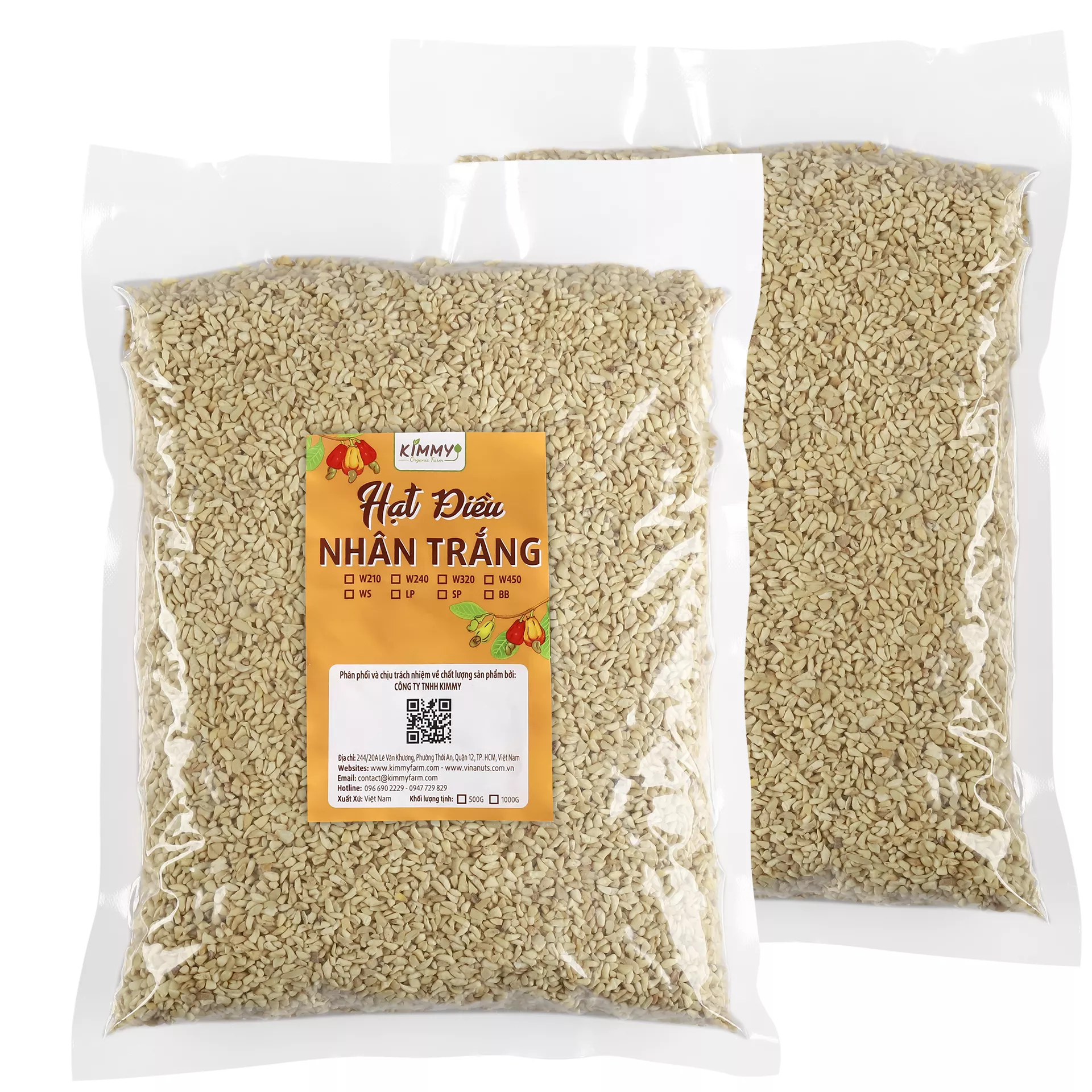
Cashews and pumpkin seeds are two popular snack choices that many people enjoy during holidays, family gatherings, or as part of a healthy daily diet. Both are tasty, convenient, and packed with valuable nutrients. Even so, many people still wonder which one is better and how they differ in terms of nutrition, vitamins, minerals, and health benefits.
The truth is that both cashews and pumpkin seeds can be great additions to your diet. They each offer their own strengths, from healthy fats and protein to important minerals that support the body in different ways. Understanding these differences can help you make better choices based on your health goals, taste preferences, and lifestyle.
The Origin of Cashews and Pumpkin Seeds
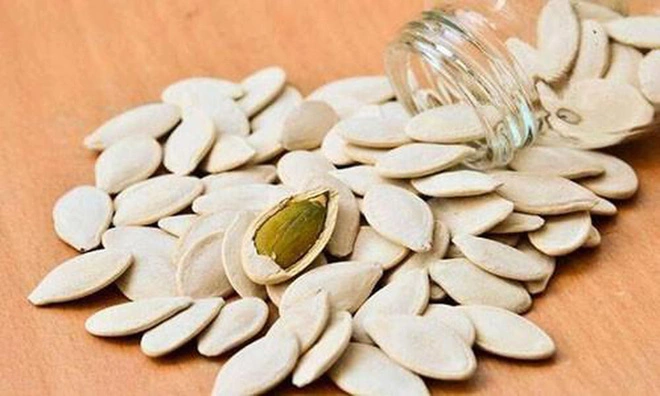
Pumpkin Seeds: A Familiar Seed Enjoyed Worldwide
Pumpkin seeds have been consumed for thousands of years and have long been part of traditional diets in many regions. Over time, they became a popular snack around the world thanks to their pleasant taste and easy preparation.
In Vietnam, pumpkin is also widely grown and can be cultivated in many areas throughout the year. After planting, pumpkins are usually ready for harvest in around three months or a little longer.
Cashews: A Tropical Nut with a Rich Flavor
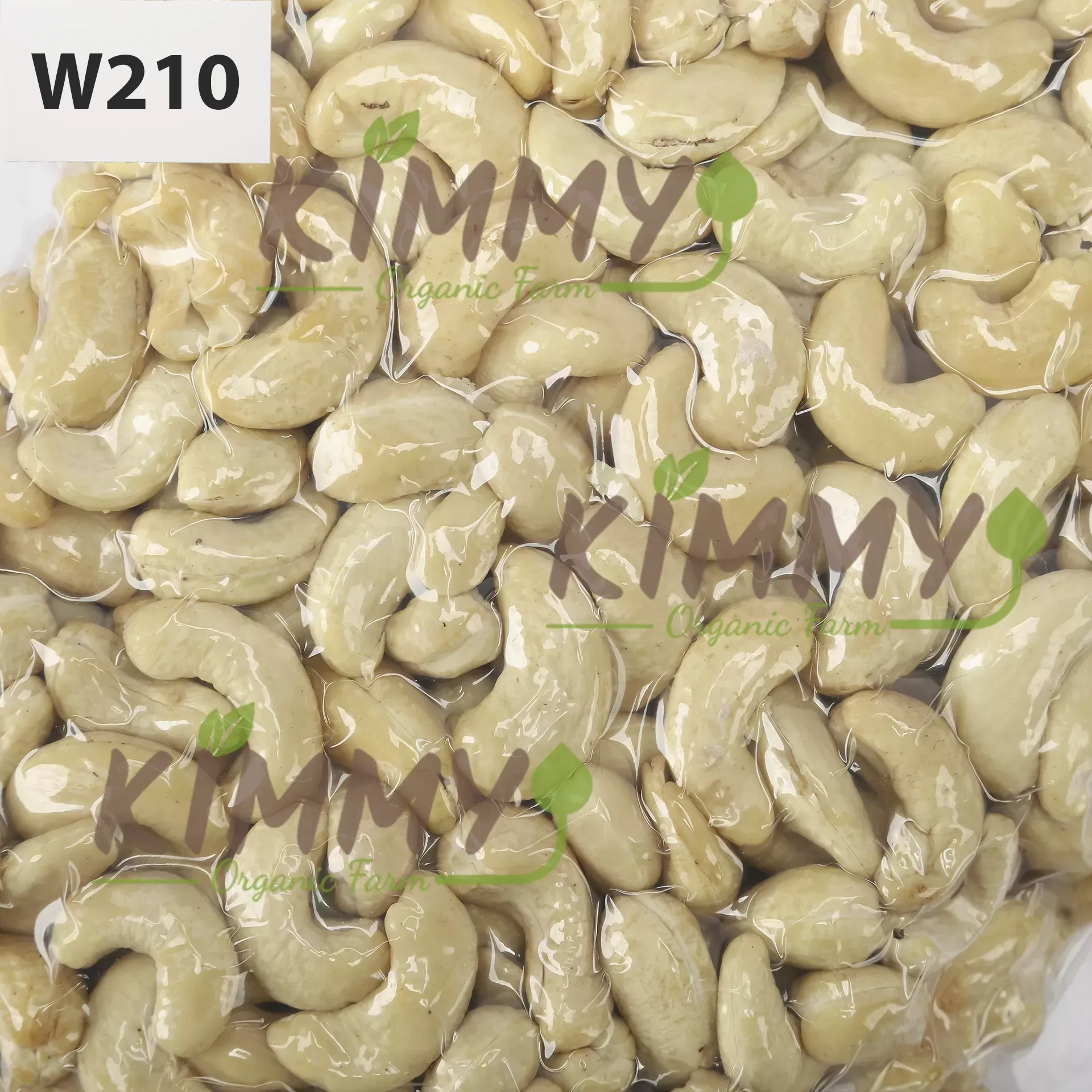
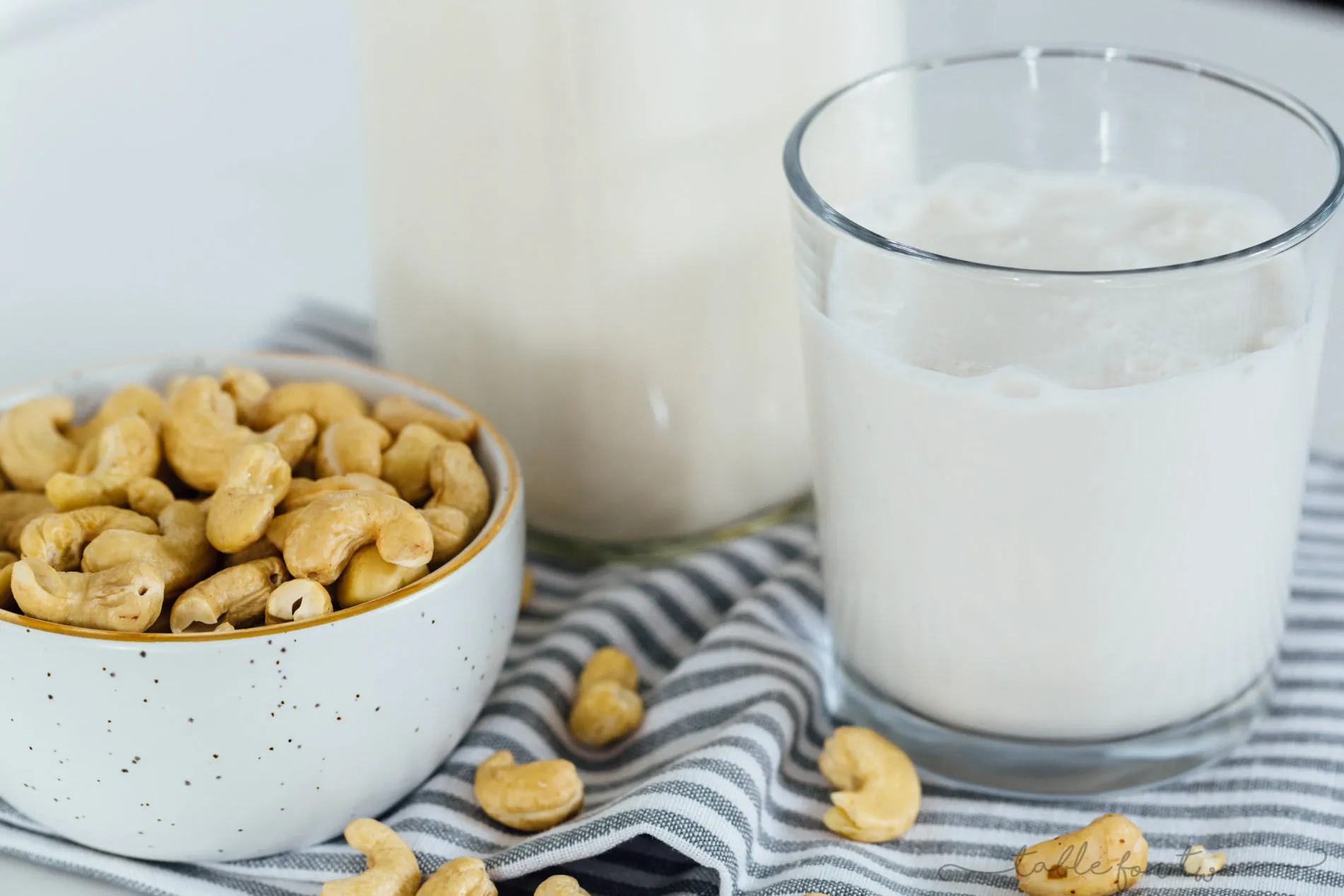
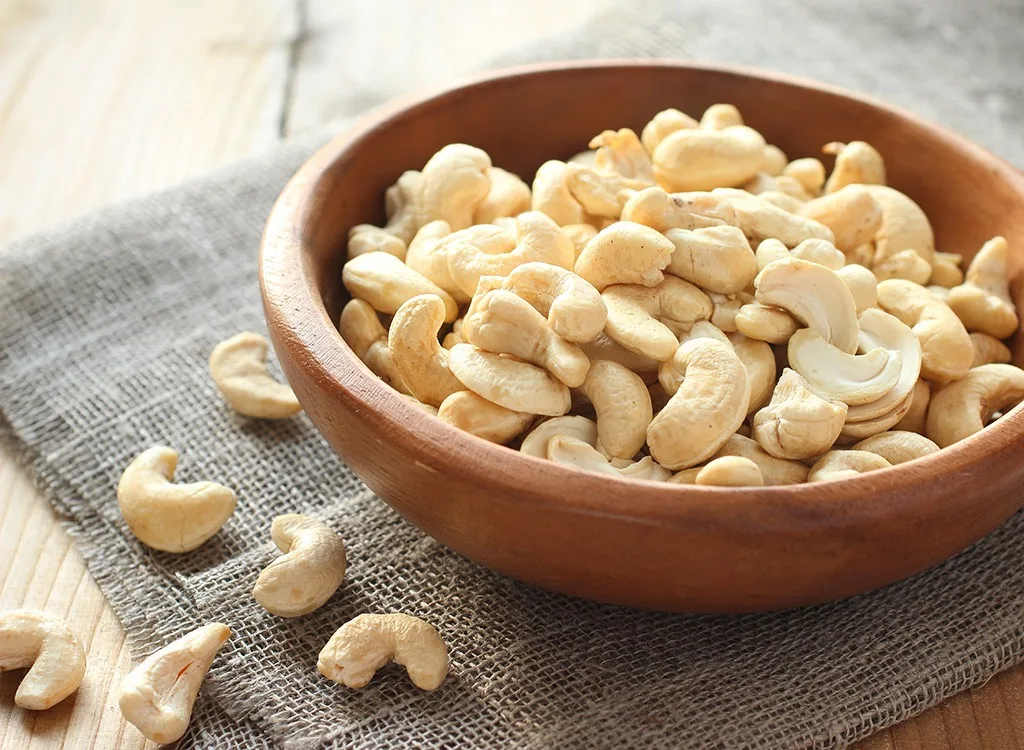
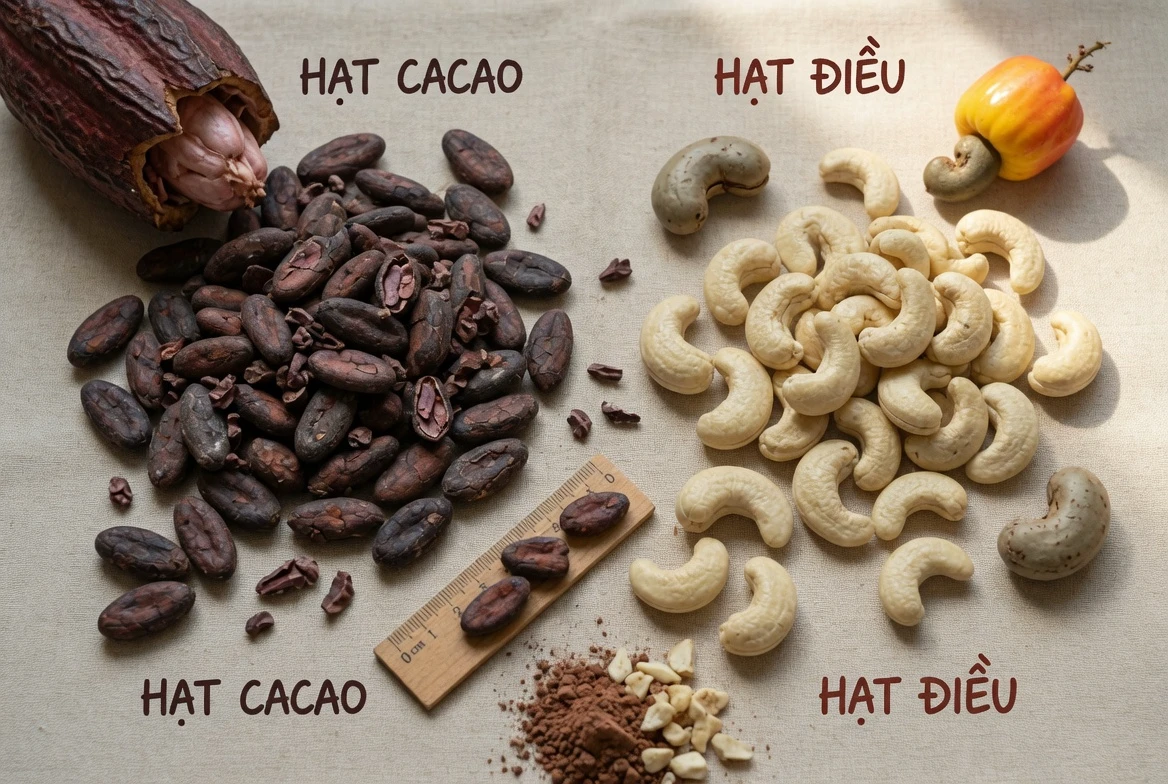
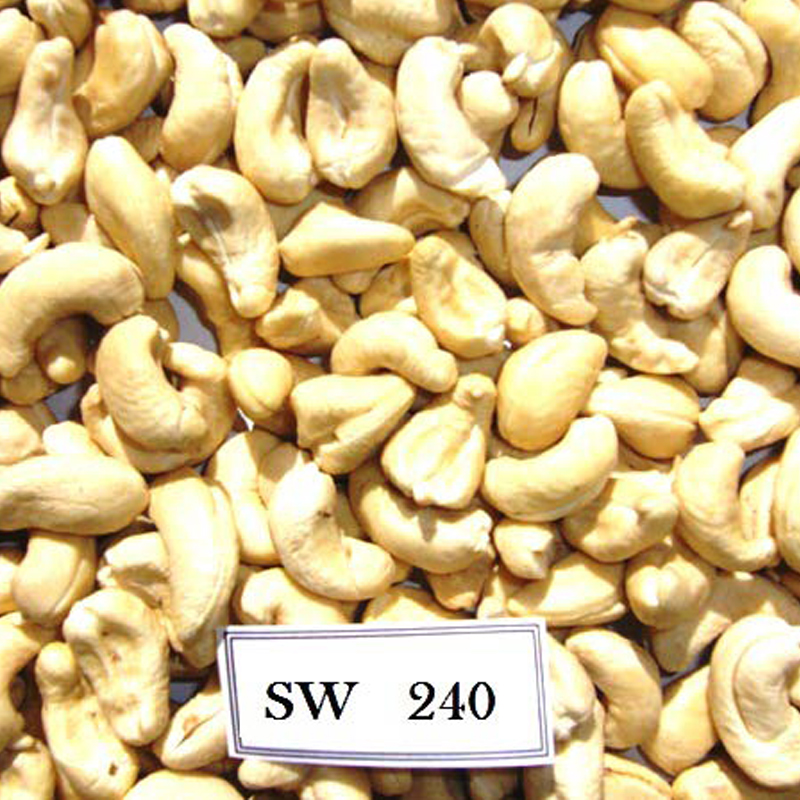
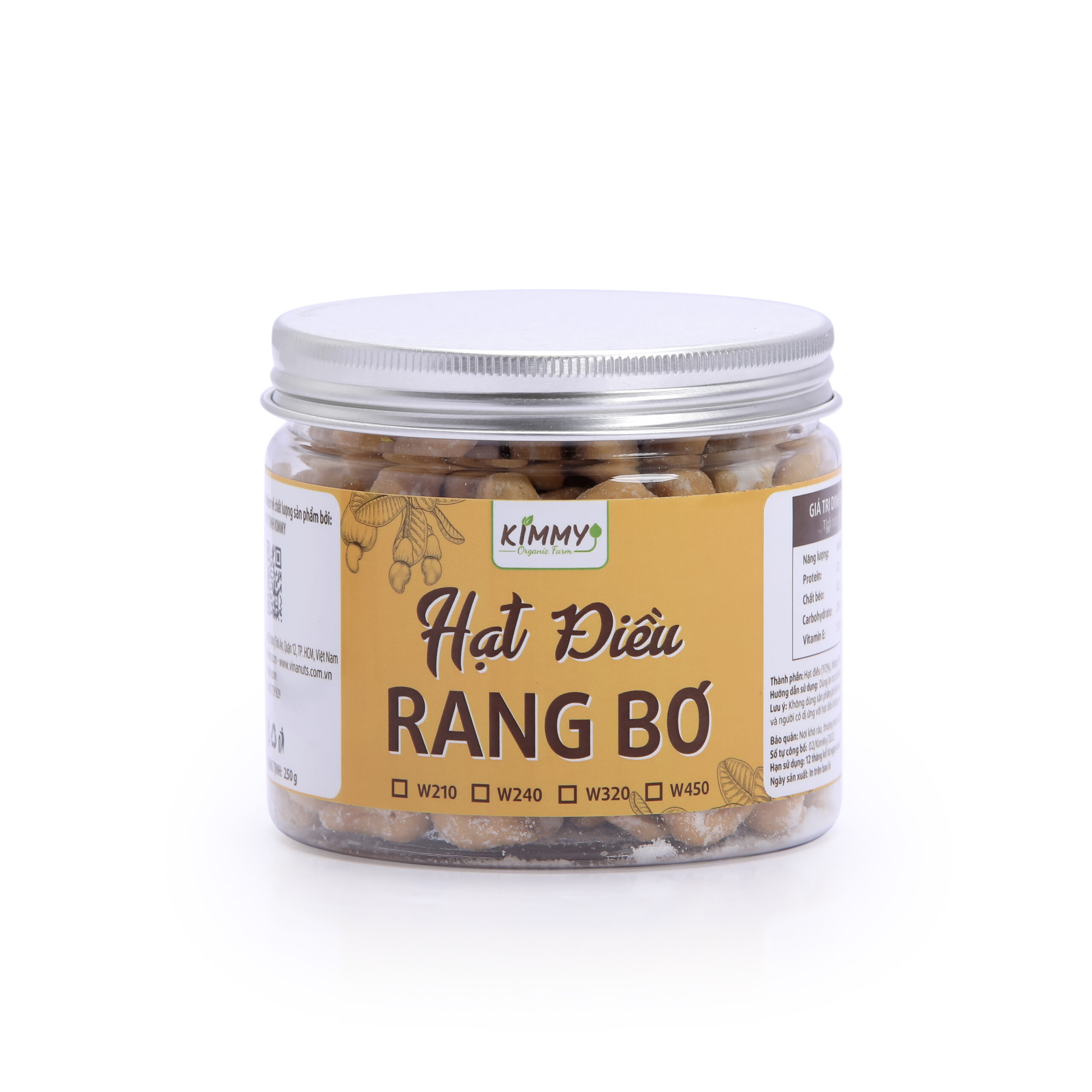
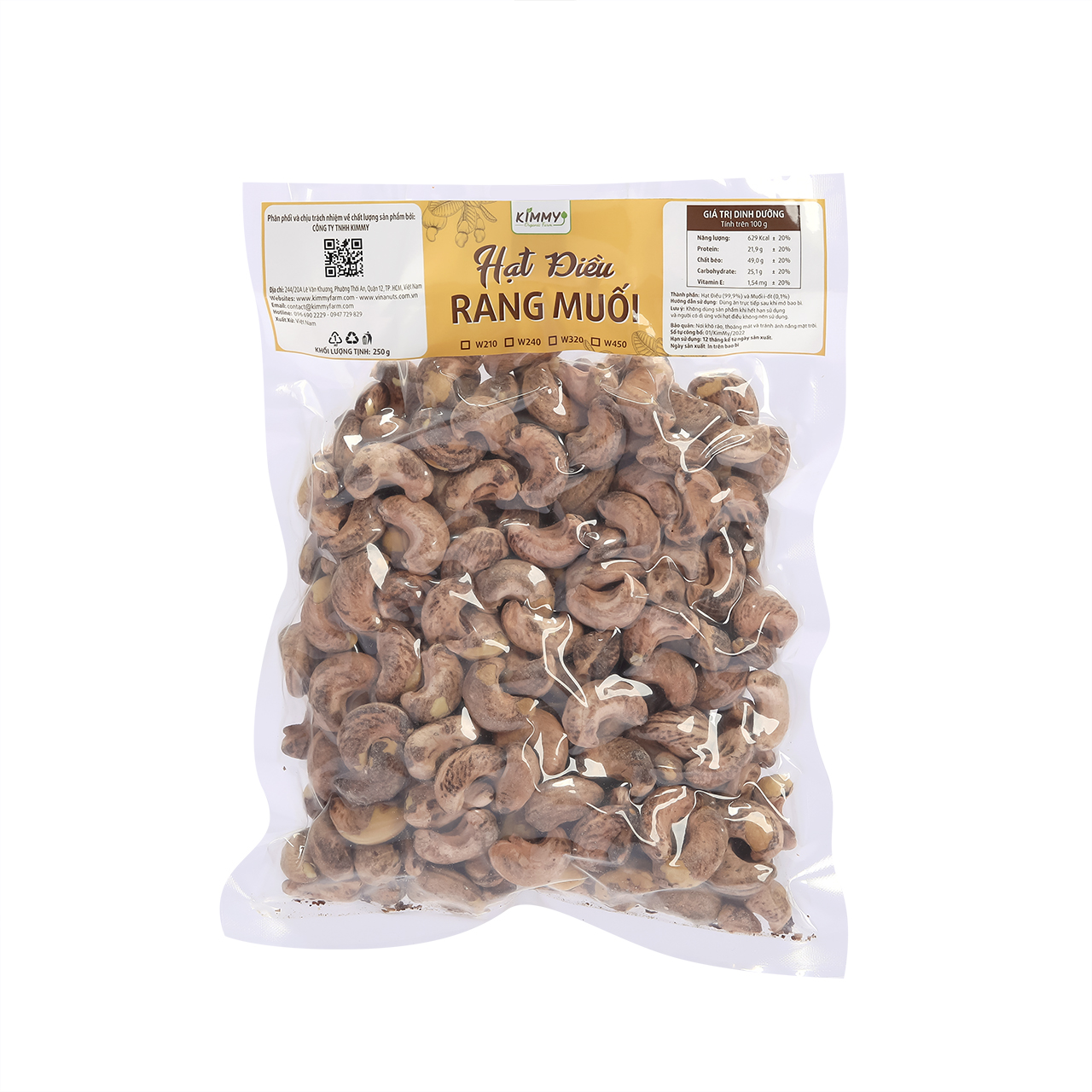
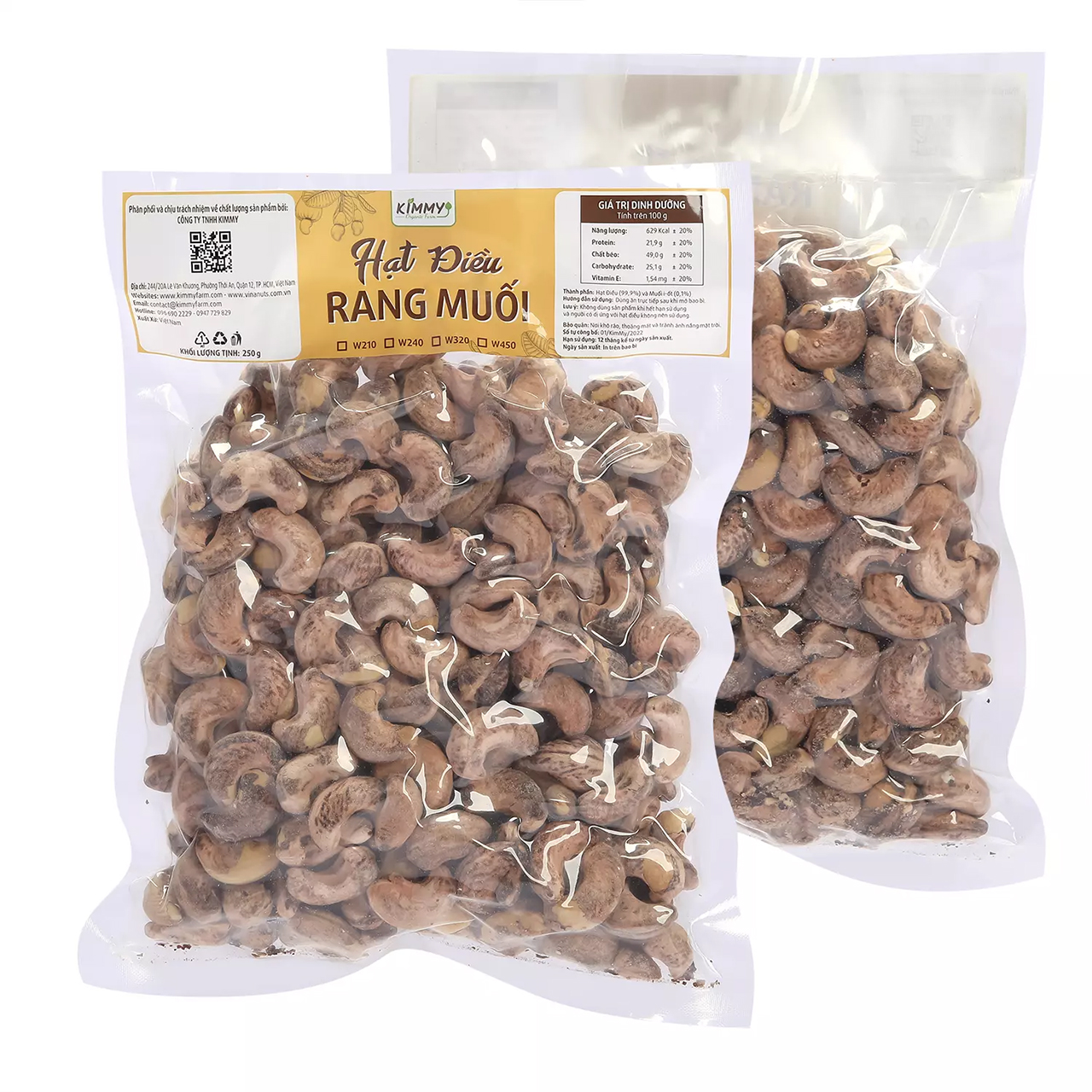
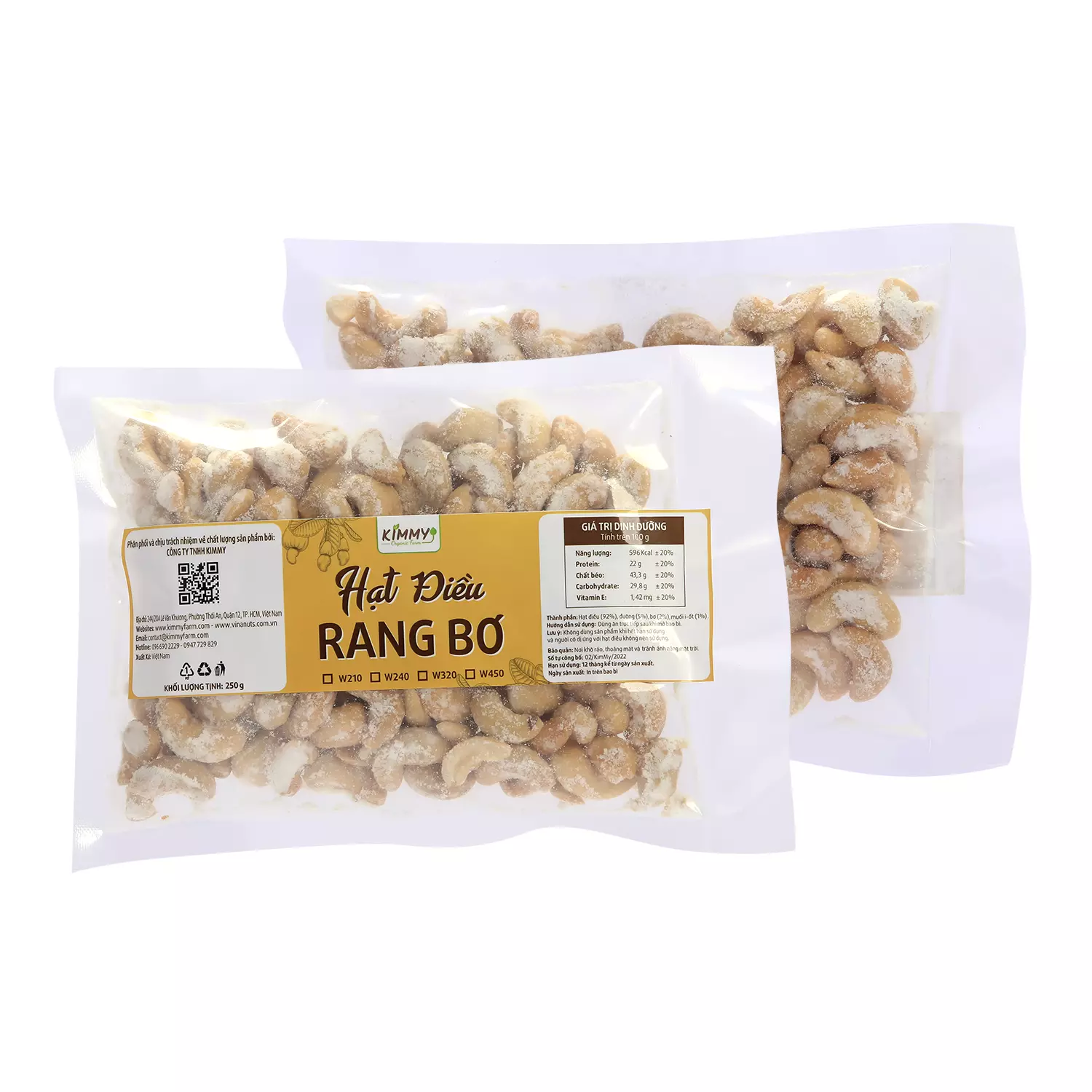
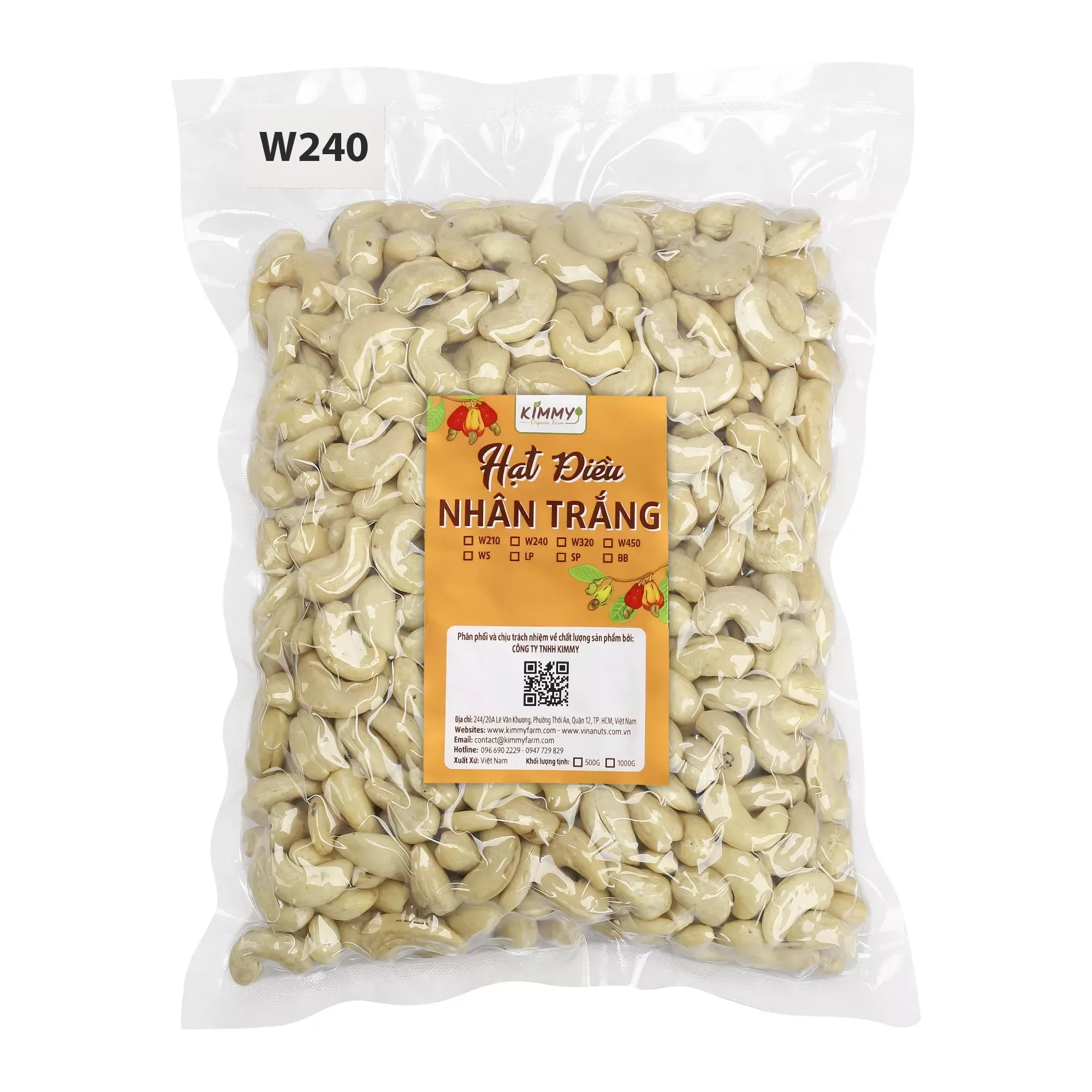
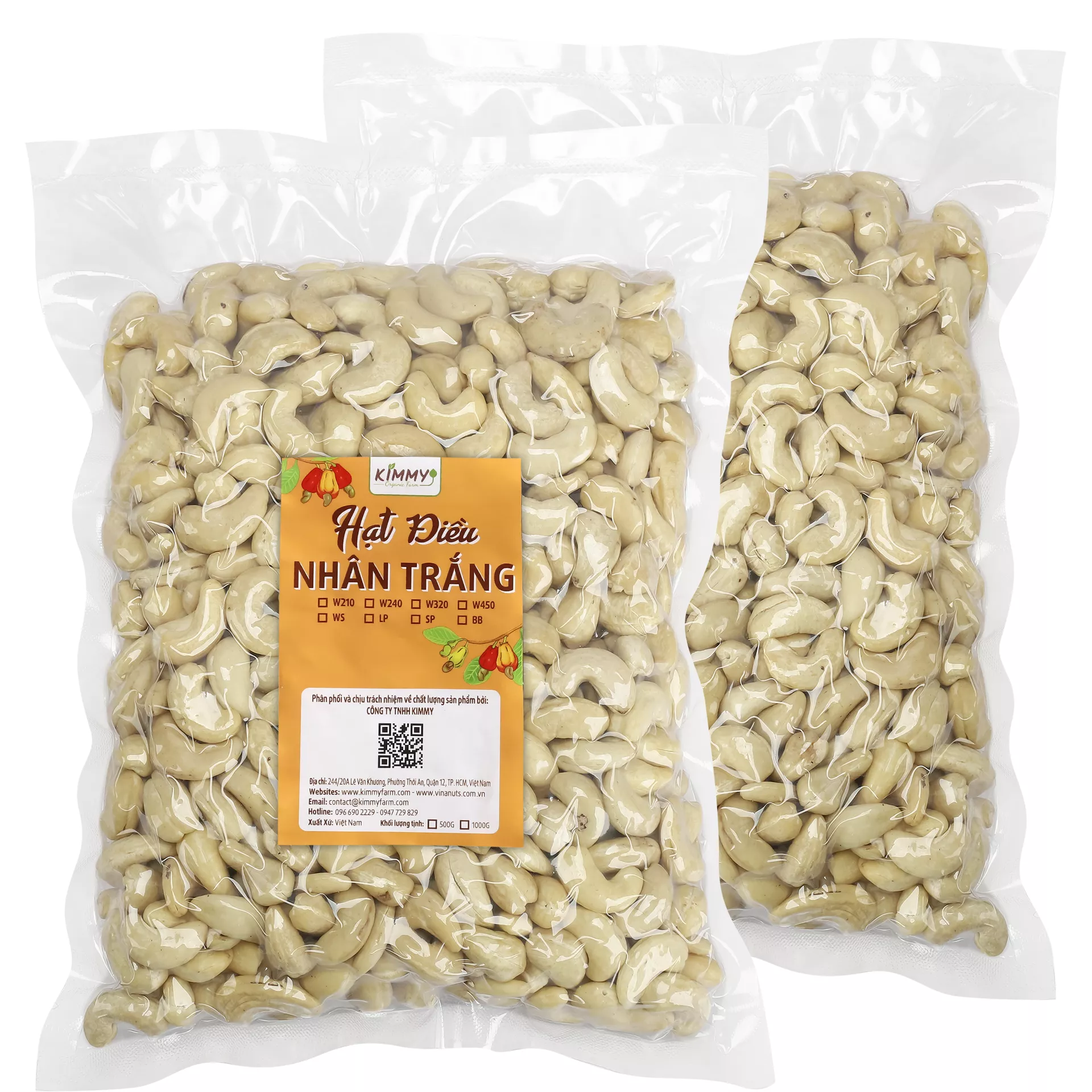
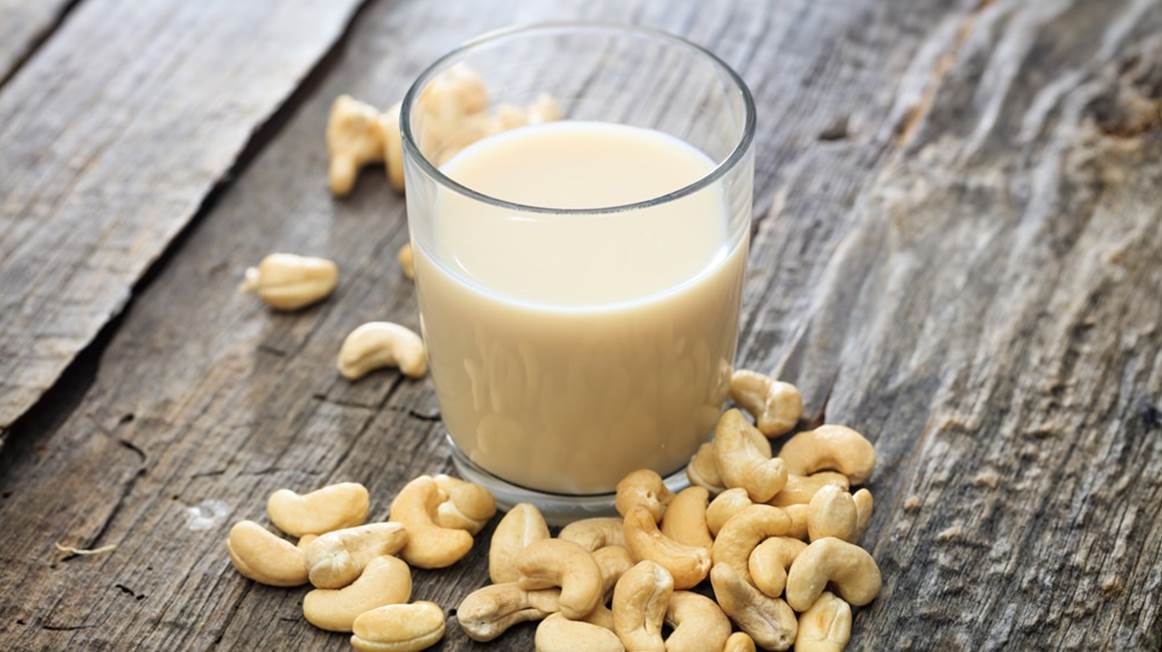
Cashews originally come from tropical regions such as Brazil. These kidney-shaped nuts grow attached to the cashew apple and have been part of many cuisines for centuries.
Today, cashews are widely grown in Vietnam, especially in provinces such as Đồng Nai, Lâm Đồng, Bình Thuận, and most notably Bình Phước, which is one of the country’s leading cashew-growing regions. Their naturally creamy texture and mildly sweet, nutty taste make them popular in both savory and sweet dishes.
Nutritional Value and Health Benefits
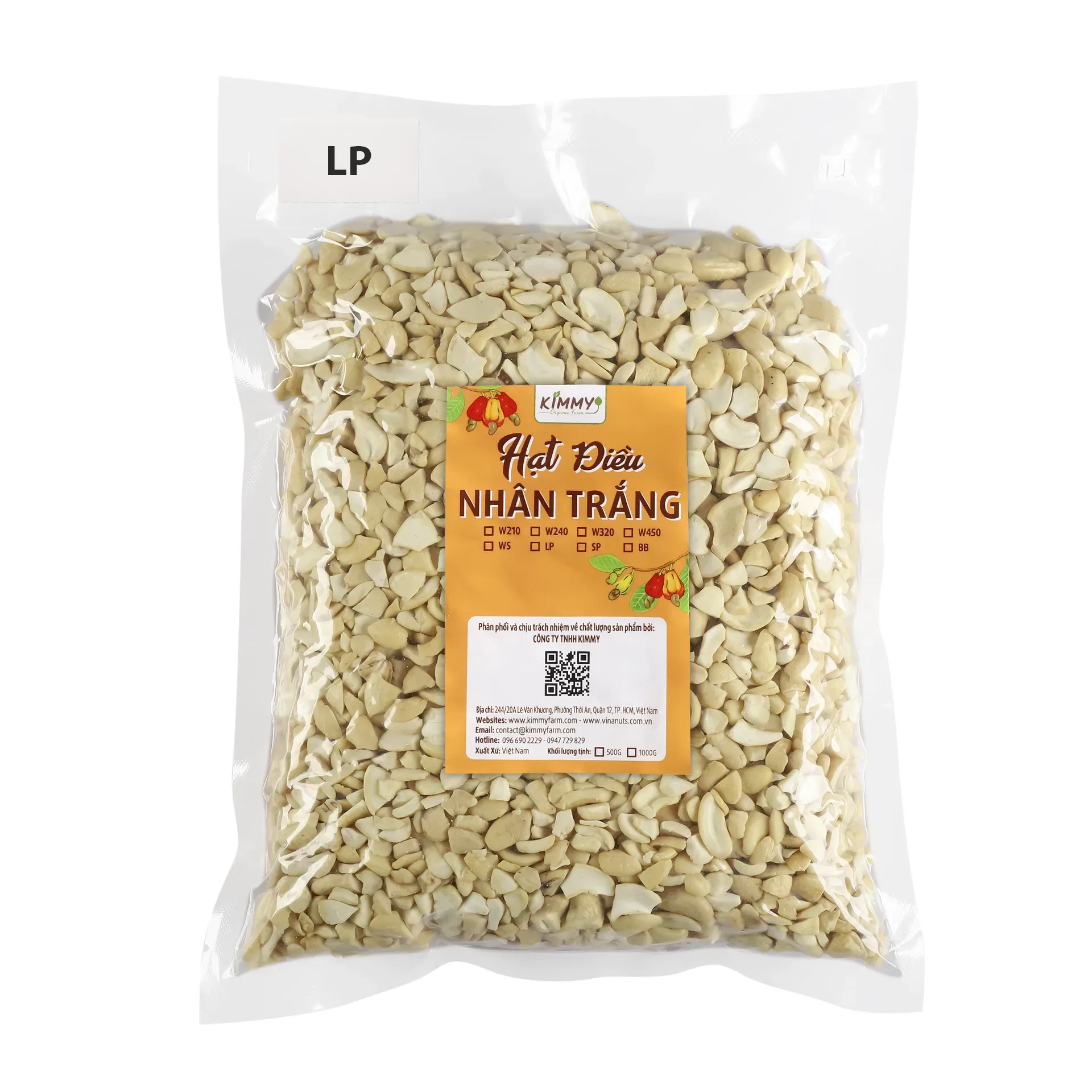
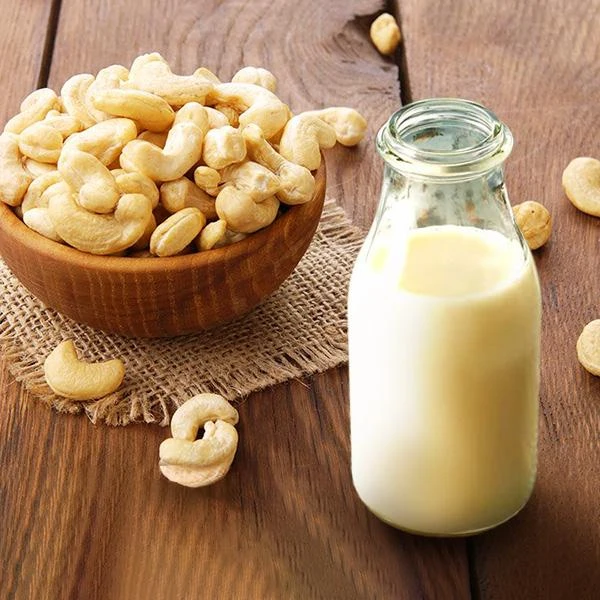
Cashews
In the original article, cashews are described as a nutrient-rich food that provides energy, protein, fiber, and important minerals such as calcium, potassium, and magnesium, along with vitamins like vitamin E, vitamin K, and vitamin B6.
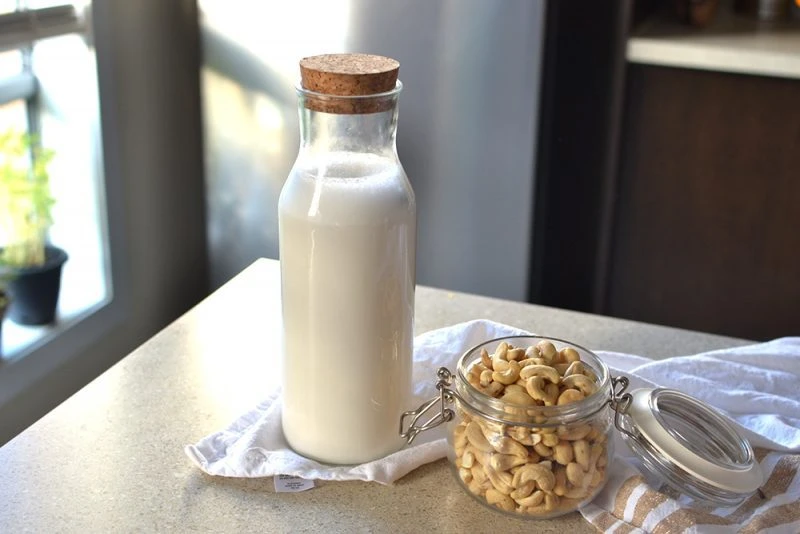
Cashews are appreciated for their rich, buttery taste and gentle sweetness. Because of this pleasant flavor, they are often used in cooking, baking, desserts, and snack mixes.
From a health perspective, cashews are commonly valued for:
- Providing plant-based protein and healthy fats
- Supporting heart health when eaten in moderation
- Supplying minerals that help maintain strong bones
- Contributing to overall energy production
- Offering nutrients that may support the immune system and general wellness
They are also often considered a convenient snack for women, older adults, and people looking for a more nutritious alternative to processed snacks.
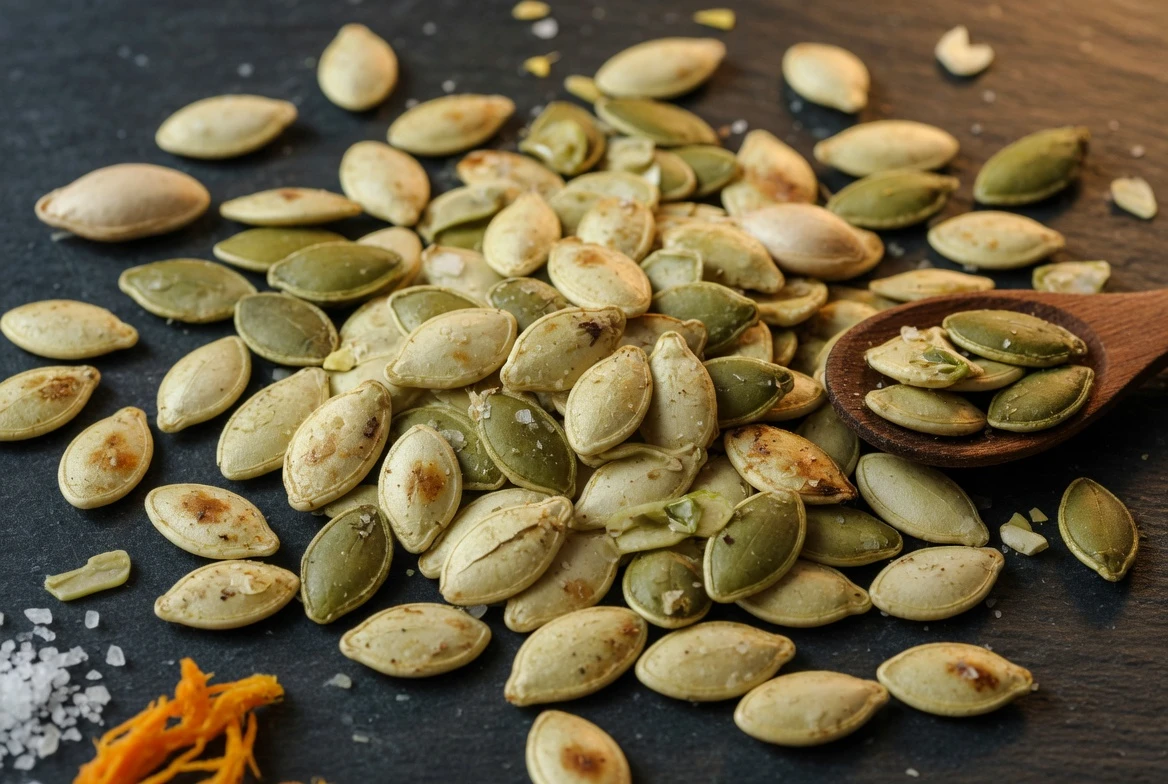
Pumpkin Seeds
Pumpkin seeds as a highly nutritious food containing protein, fiber, healthy fats, and minerals such as magnesium, iron, manganese, potassium, and calcium, along with several B vitamins and vitamins C, E, and K.
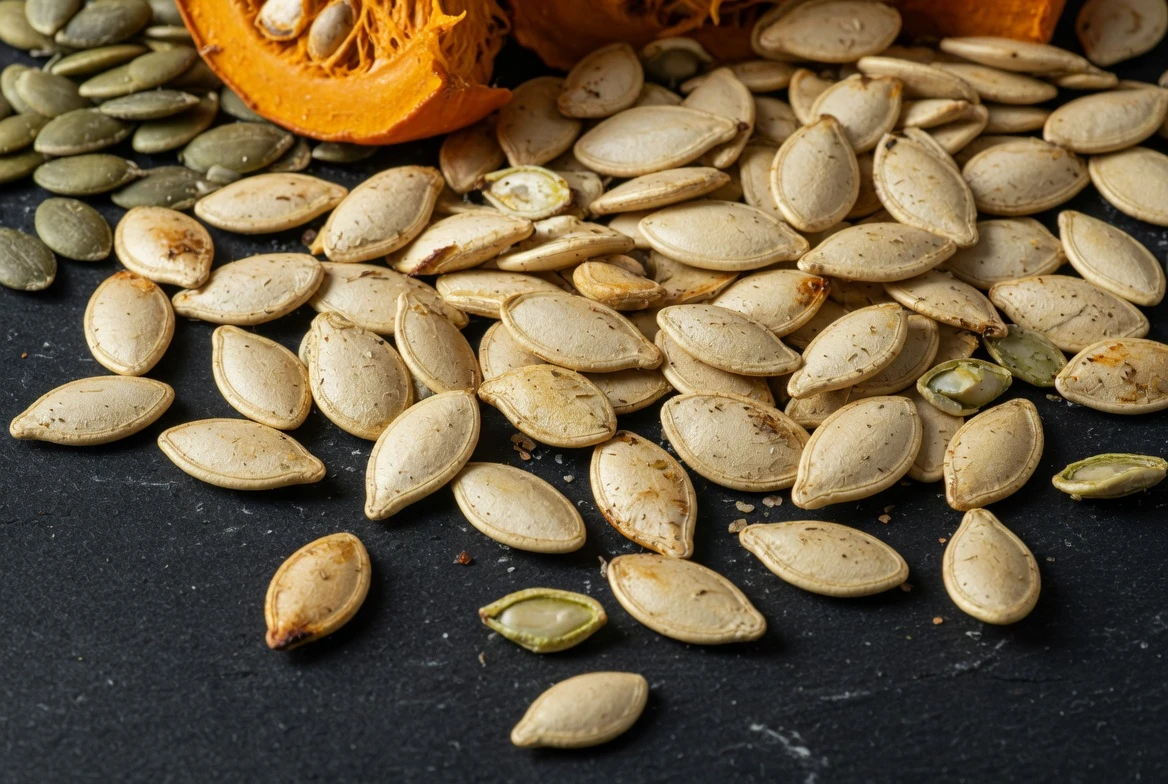
When roasted, pumpkin seeds have a light, nutty flavor and a satisfying texture. They can be seasoned in many ways, which makes them a flexible and enjoyable snack.
Pumpkin seeds are often associated with benefits such as:
- Supporting digestion thanks to their fiber content
- Contributing to energy production through magnesium
- Providing minerals that support tissue repair and normal body function
- Being a filling snack that may help with appetite control
- Offering nutrients that are often linked to men’s health and overall vitality
Cashews vs. Pumpkin Seeds: Key Differences
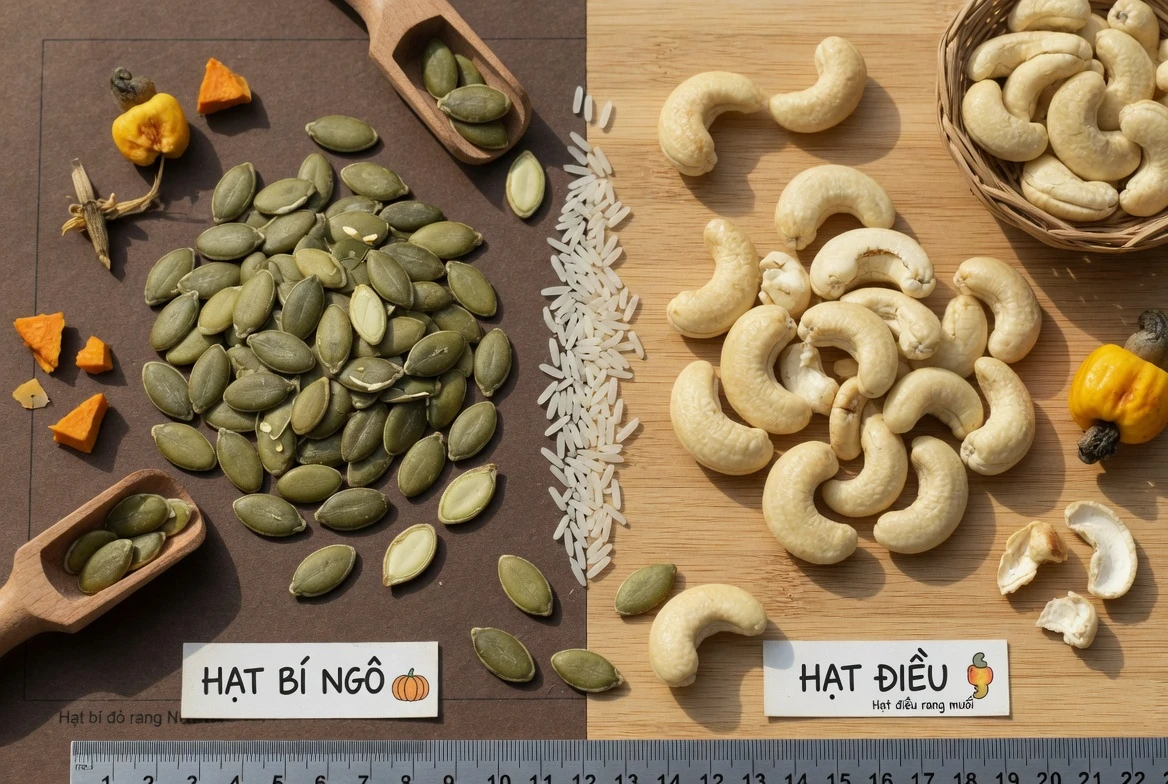
Comparing cashews and pumpkin seeds, it quickly becomes clear that both can be part of a healthy eating plan. The difference lies in what each one offers most strongly.
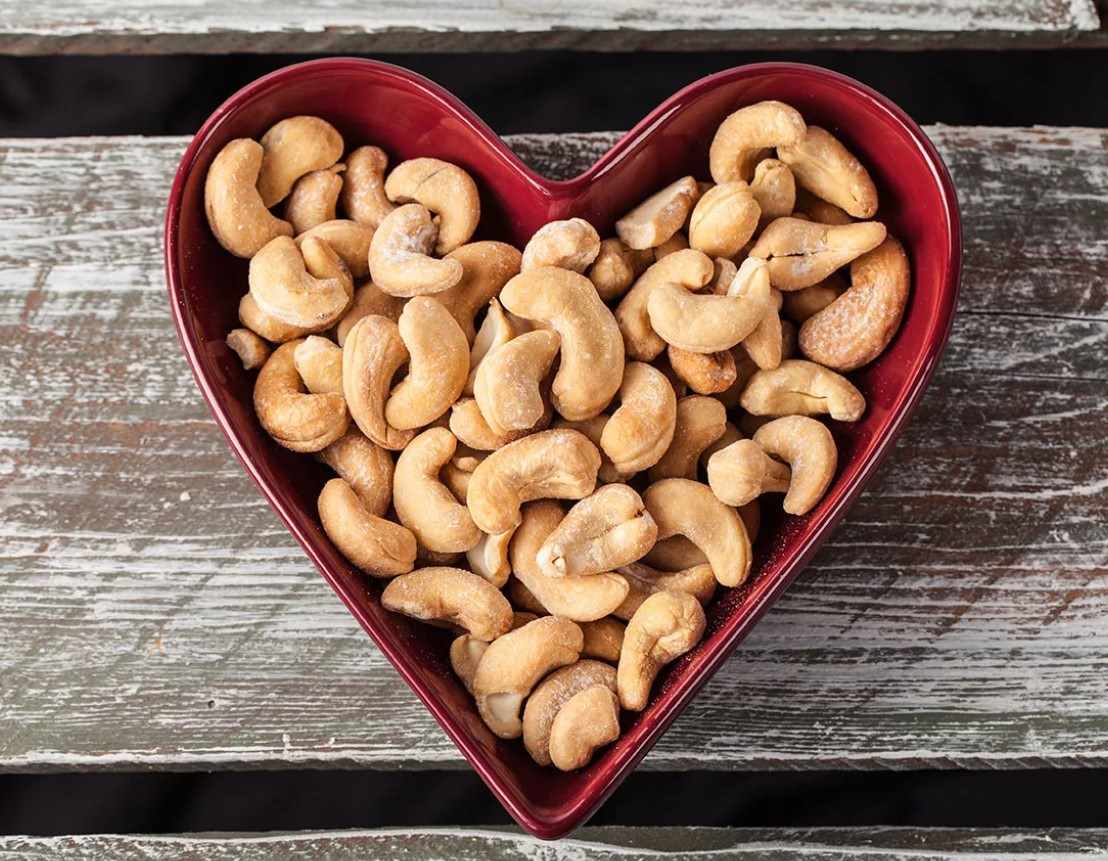
Cashews: Rich, Convenient, and Energy-Dense
Cashews are a great choice for people who want:
- A creamy, easy-to-eat snack
- A source of healthy fats
- More energy in a small serving
- An ingredient that works in many recipes
They are flavorful, convenient, and satisfying. Their soft bite and buttery taste also make them appealing to a wide range of people, including those who do not usually enjoy harder or more fibrous seeds.
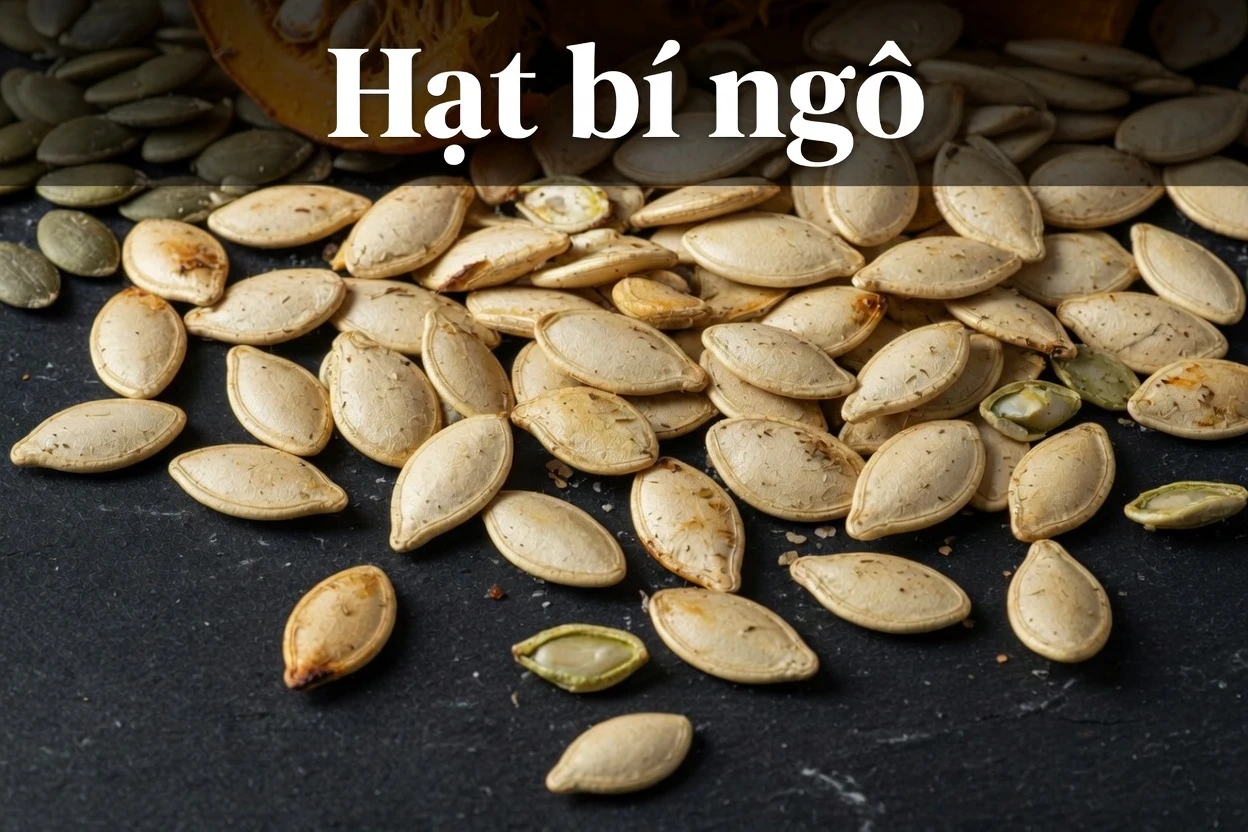
Pumpkin Seeds: Higher in Fiber and Mineral Support
Pumpkin seeds are often a better fit for people who want:
- More fiber in their diet
- More magnesium and zinc
- A plant-based snack with a hearty texture
- A food that supports a healthy eating routine
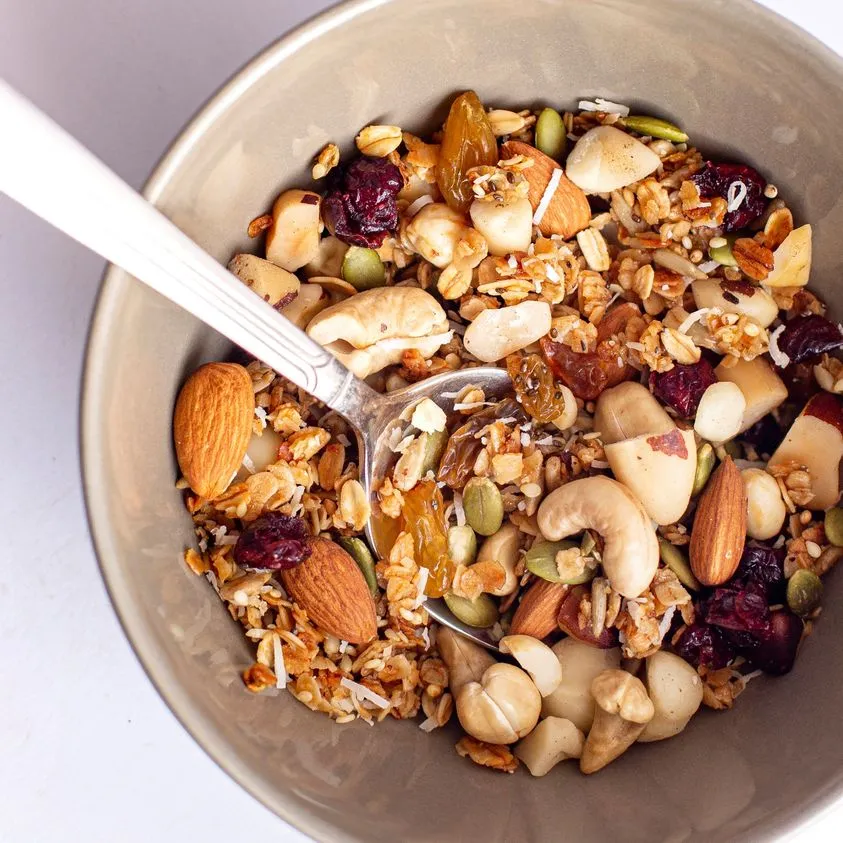
Their slightly firmer texture and roasted taste make them popular as a standalone snack, and they also pair well with salads, yogurt bowls, granola, and baked goods.
Other Points of Comparison
- Taste and Texture: Cashews are smooth, rich, and slightly sweet. Pumpkin seeds are nuttier, firmer, and more earthy in flavor. If you prefer a softer and more buttery snack, cashews may be the better choice. If you enjoy a roasted, crunchy texture, pumpkin seeds may be more appealing.
- Calories and Satiety: Cashews are generally seen as a more energy-dense snack because of their fat content. Pumpkin seeds are also nutrient-dense, but many people choose them for their combination of protein, fiber, and minerals. In real life, both should be eaten in sensible portions rather than treated as unlimited snacks.
- Cooking Flexibility: Cashews are extremely flexible in the kitchen. They work well in sauces, curries, desserts, baked goods, and snack mixes. Pumpkin seeds are more commonly used as toppings, roasted snacks, or additions to cereals and salads.
Who Should Choose Cashews?
Cashews may be the right choice for you if:
- You enjoy a rich, buttery flavor
- You want a convenient snack for quick energy
- You need a more versatile ingredient for cooking
- You prefer a softer texture that is easy to eat
Who Should Choose Pumpkin Seeds?
Pumpkin seeds may be the better option if:
- You want more plant protein and fiber
- You are paying attention to magnesium and zinc intake
- You follow a healthy eating or clean eating routine
- You want a snack that feels more filling
Why Are Cashews and Pumpkin Seeds Often Compared?
These two foods are often compared because they are both widely seen as healthy snack choices. They are easy to store, easy to eat, and both fit well into modern lifestyles focused on better nutrition.
People usually compare them because they want to know which one is better for their own goals, such as:
- Weight management
- Better snacking habits
- Higher protein intake
- More minerals in the diet
- Better overall nutrition
The truth is that there is no single winner for everyone. The smarter choice depends on what your body needs and how you plan to use the food in your daily meals.
Final Thoughts / Conclusion
Cashews and pumpkin seeds are both nutritious foods, but they offer different strengths.
Cashews stand out for their rich taste, healthy fats, convenience, and flexibility in cooking. Pumpkin seeds stand out for their protein, fiber, magnesium, and zinc, making them an excellent option for people who want a more mineral-rich snack.
Instead of trying to choose one absolute winner, it often makes more sense to choose based on your goal. If you want a softer, richer, more versatile nut, go with cashews. If you want a more fiber- and mineral-focused seed, pumpkin seeds may be the better fit. For many people, the best answer is simple: enjoy both in moderation as part of a balanced diet.
A brand specializing in the production and export of agricultural products in Vietnam. We have a black soldier fly farm in Tay Ninh and a cashew growing area in Binh Phuoc. The main export products of the company are: cashew nuts, cashew nut kernels, black soldier fly, frozen seafood, shrimp, prawns, catfish… from Vietnam.