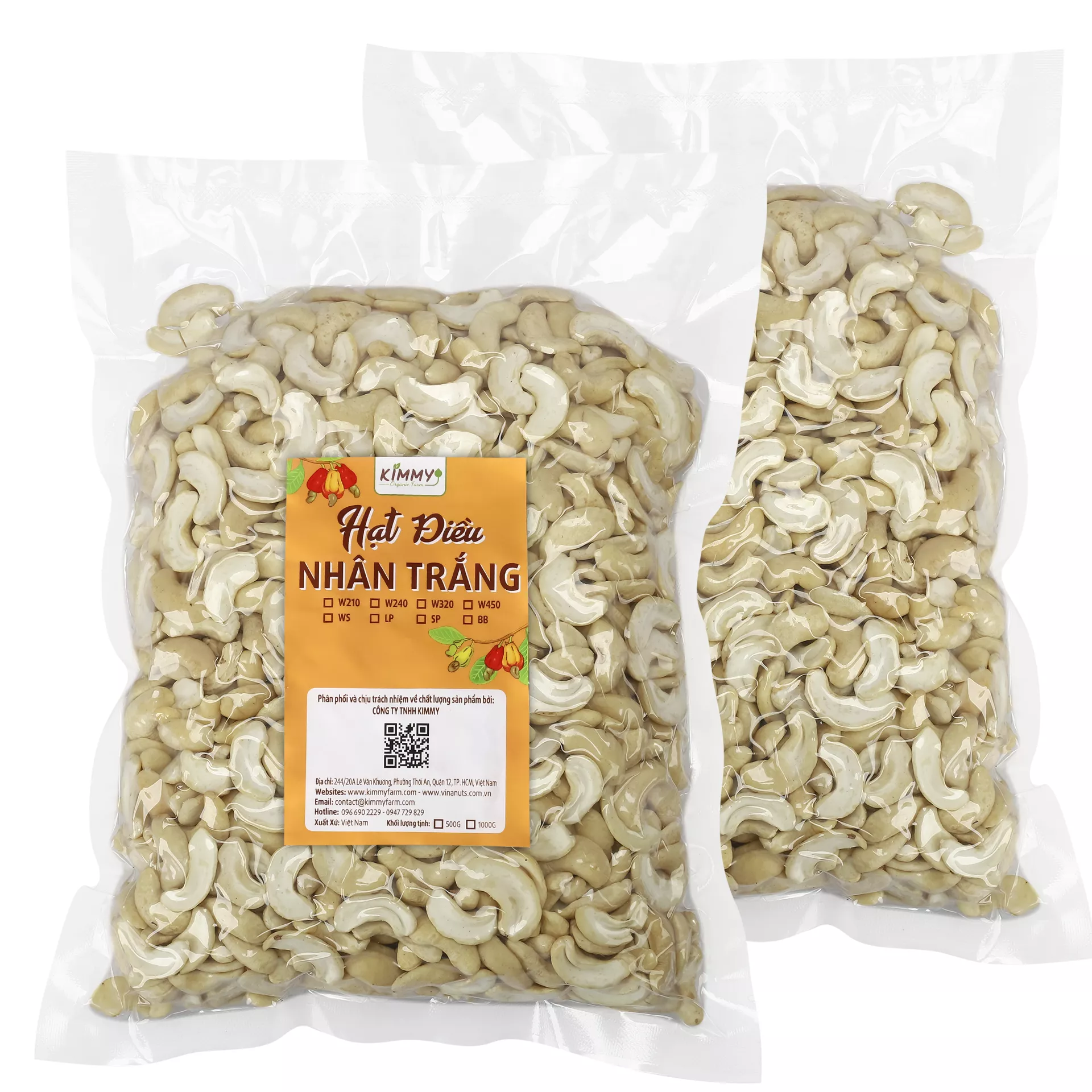
The global cashew industry was forecast to continue growing steadily, driven by rising cashew consumption around the world. According to earlier market projections, the cashew market was expected to grow at an annual rate of 4.27% from 2020 to 2025, reaching nearly USD 7 billion by 2025.
Although the Covid-19 pandemic created direct and unfavorable impacts on the global cashew market, demand for this nutritious nut recovered quickly. Thanks to the health benefits of cashews, global consumption was expected to keep increasing in the following years.
Growing Global Demand for Cashew Kernels
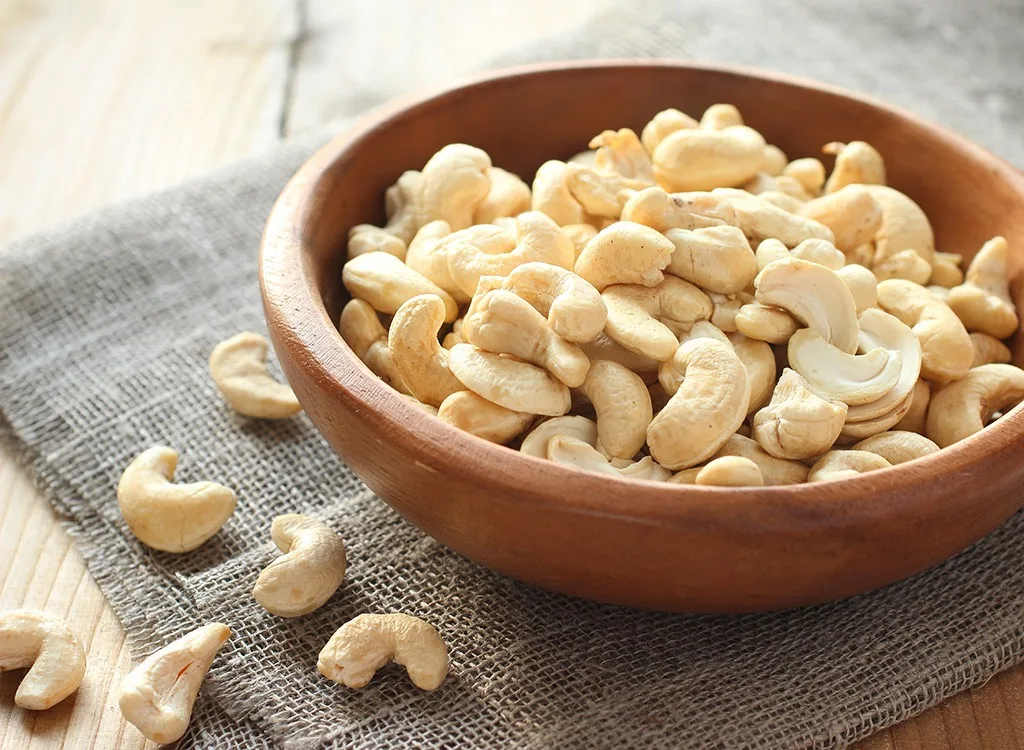
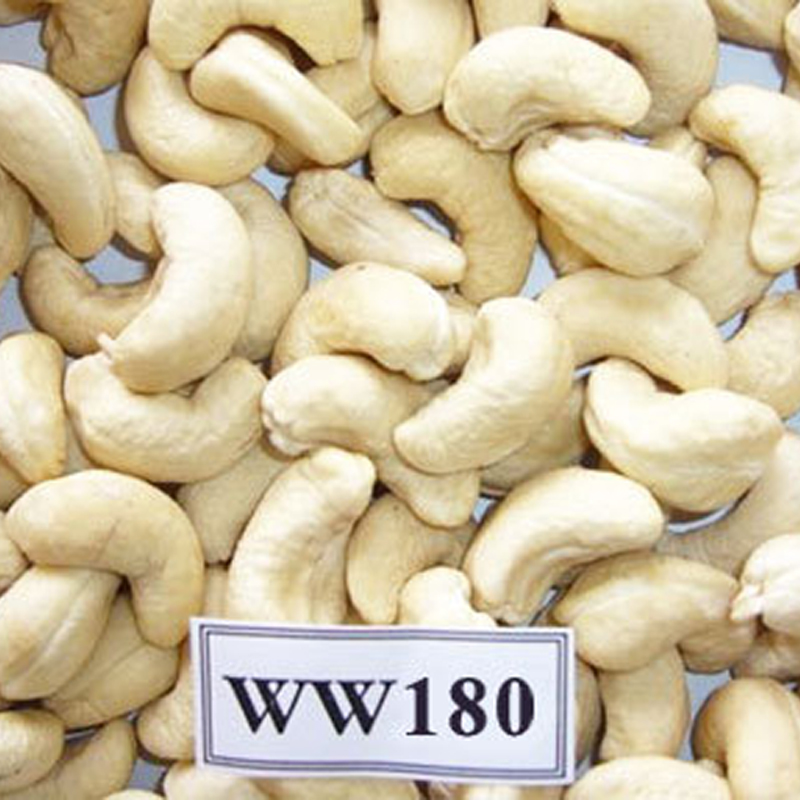
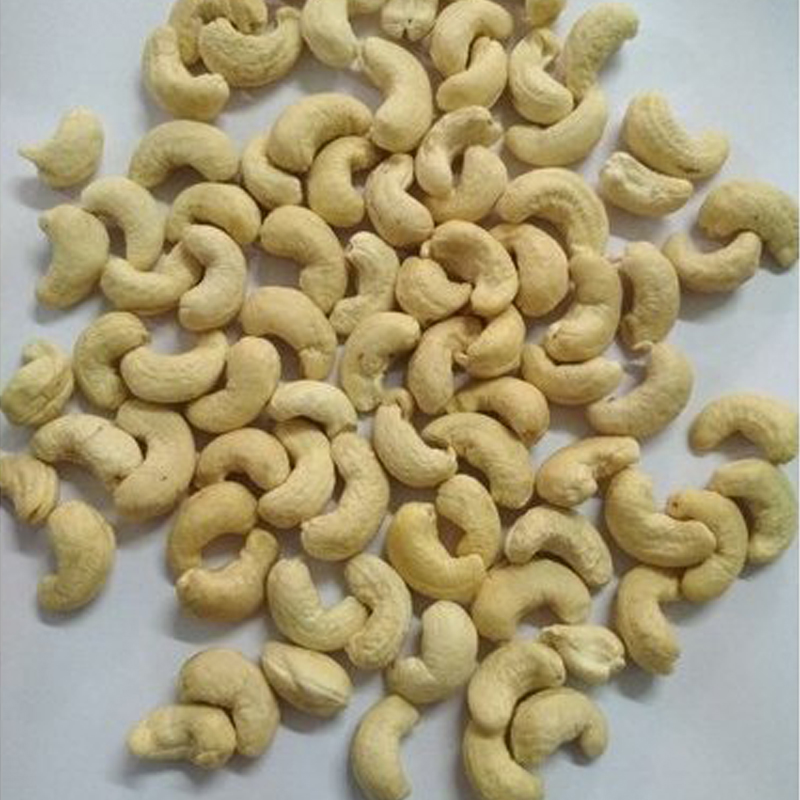
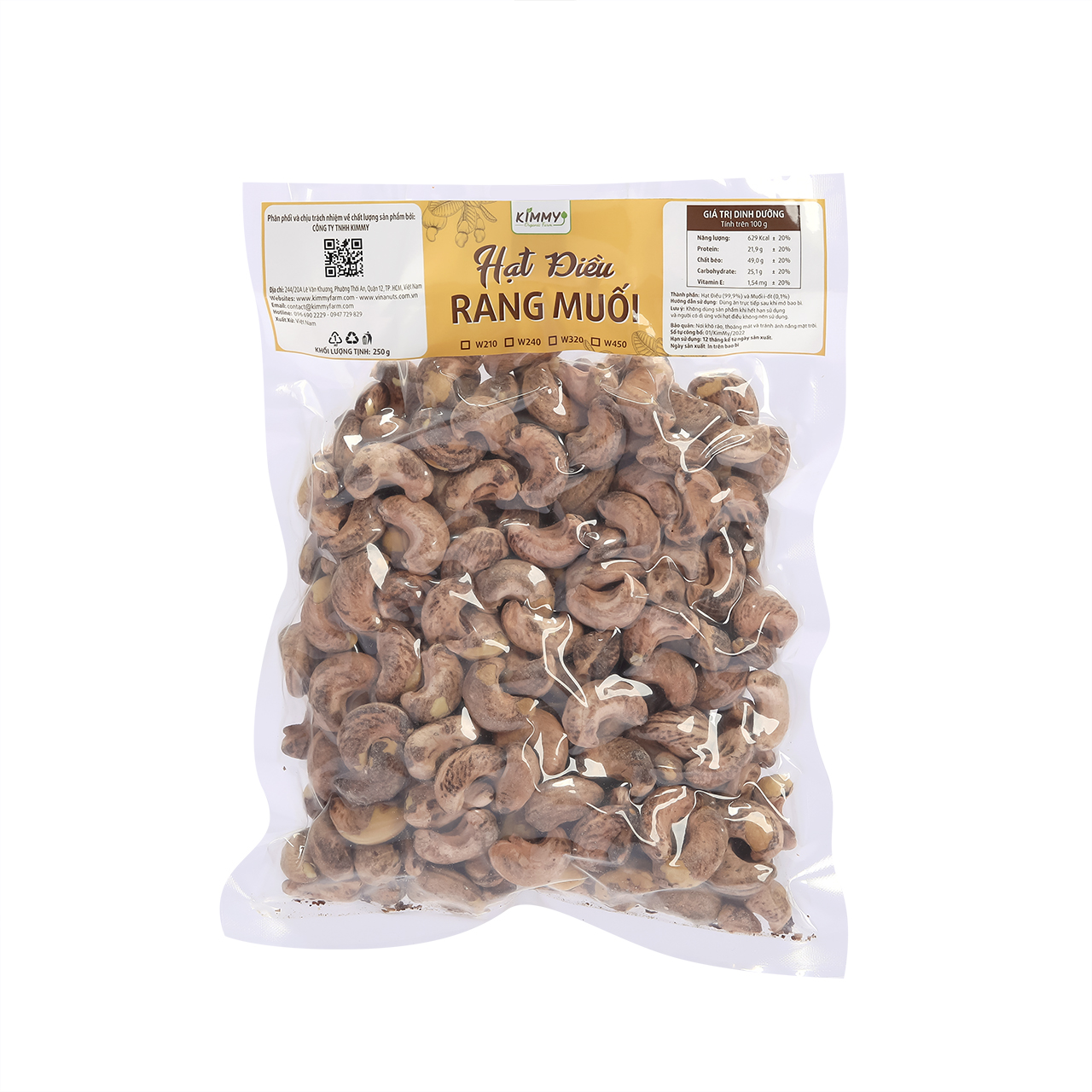
Demand for cashew kernels has been rising worldwide, especially in developed economies and emerging markets. One of the main drivers is the growing focus on health and nutrition. Cashews are widely recognized for their nutritional value and are increasingly used in plant-based diets.
Cashews are also used as an alternative to dairy-based products and have become a popular healthy snack. In some markets, cashew-based spreads and cashew butter are also seen as alternatives to traditional peanut butter.

The global demand for cashews is rising partly because consumer lifestyles are changing. People are paying more attention to health, choosing safer foods, and showing greater interest in vegan and plant-based diets. In Western countries, many consumers prefer nuts as a source of protein and healthy fats instead of relying too much on meat-based foods. Because cashews are rich in nutrients and healthy fats, they have become a popular choice in many plant-based eating habits.
Key reasons why cashew demand continues to grow include:
- The health benefits of cashew kernels are increasingly recognized worldwide.
- Cashew kernels can help replace part of the protein and fat normally obtained from animal-based foods.
- More consumers are choosing vegan diets and nut-based foods to support better health.
- Many people want to reduce their intake of animal-based fats.
- Many people also want to reduce their intake of animal-based protein.
Top 10 Countries with the Highest Cashew Consumption
| Rank | Country | Cashew Consumption tons/year |
| 1 | India | 301,719 |
| 2 | United States | 143,256 |
| 3 | Germany | 35,930 |
| 4 | Netherlands | 17,236 |
| 5 | United Kingdom | 16,772 |
| 6 | Australia | 16,471 |
| 7 | Canada | 14,267 |
| 8 | France | 8,649 |
| 9 | Japan | 8,040 |
| 10 | Saudi Arabia | 7,854 |
Cashew kernel processing factories in African cashew-growing countries have been increasing production to meet market demand. The cashew market was projected to grow at an annual rate of 4.27% from 2020 to 2025, reaching nearly USD 7 billion by 2025.
African Countries Are Playing a Bigger Role in Meeting Global Demand
Cashew processing factories in African countries are becoming increasingly important in meeting the growing demand of the global cashew market. Many large cashew processing facilities have been established and are expected to contribute more strongly to the industry in the coming years.
=> Learn more about raw cashew nuts from different origins:
- Information about Tanzania raw cashew nuts
- Information about Ivory Coast cashew nuts
- Information about Nigeria cashew nuts
- Information about Cambodia cashew nuts
- Information about Vietnam cashew nuts

African countries are becoming key players in responding to the rising global demand for cashews.
Cashew Processing Factories in Africa Face Many Challenges
Many factories that process raw cashew nuts into cashew kernels in African countries still face major challenges. The most common issues include weak transport infrastructure and the fact that much of the raw cashew supply has already been purchased by Asian processors.
Another major challenge is the lack of working capital. This limits the ability of local processors to buy raw cashew nuts. As a result, African processors often face strong competition from foreign processors and exporters, especially from Asia, who can push raw cashew prices higher.
Asian processors and exporters are often able to pay higher prices for raw cashew nuts because they may have access to better financing and lower interest rates in their home markets. Local African processors, on the other hand, may struggle to compete, leaving many factories without enough raw material to operate at full capacity.
Common challenges faced by African cashew factories include:
- Weak transport and logistics infrastructure
- Processing technology that is still being improved
- Lack of capital to purchase raw cashew nuts
- Raw materials being bought early by Asian processors
- Farmers in Africa being used to selling raw cashews to Asian buyers
Weak transport and logistics systems remain one of the biggest challenges for the cashew processing industry in Africa.
African Governments Are Increasing Support for the Cashew Industry
Governments in several African cashew-producing countries have been increasing support for the cashew sector. Their goal is not only to export raw cashew nuts, but also to encourage more local processing, create jobs, increase export value, and help farmers earn more stable income.
If African countries can improve logistics, expand access to capital, upgrade processing technology, and build stronger links between farmers and local factories, they could capture more value from the global cashew supply chain instead of relying mainly on raw cashew exports.

Chúng tôi là một thương hiệu chuyên sản xuất, thương mai và xuất khẩu các mặt hàng nông sản của Việt Nam. Chúng tôi có vùng trồng điều & nhà máy điều ở Bình Phước, trại nuôi ruồi lính đen ở Tây Ninh. Các mặt hàng xuất khẩu chính của Công ty là: hạt điều, hạt điều nhân, ruồi lính đen,… từ Việt Nam.