Vietnamese garlic is well known for its strong aroma and rich flavor. However, in many markets, it often faces strong competition from imported Chinese garlic.
Today, many agricultural products from China are widely sold around the world. Some low-quality products may be treated to prevent sprouting or bleached to look more attractive. According to several market reports, China is one of the world’s largest garlic producers and exporters.
Vietnam also grows many types of garlic. However, in 2021, Vietnam still spent a large amount of money importing garlic. This makes it more important for consumers to know how to choose good-quality garlic and avoid poor-quality products.
This article will help you tell the difference between Vietnamese garlic and Chinese garlic so you can choose safer, fresher, and more flavorful garlic for your meals.
5 Ways to Tell Vietnamese Garlic and Chinese Garlic Apart
There are many ways to identify the difference between Chinese garlic and Vietnamese garlic. The easiest signs are usually based on size, color, smell, taste, and price.
- Chinese garlic usually has larger cloves.
- The outer skin of Chinese garlic is often white or yellowish-white.
- Chinese garlic may have a sharp smell but is often less fragrant than Vietnamese garlic.
- Vietnamese garlic is usually smaller than Chinese garlic.
- Vietnamese garlic often has purple-white skin, uneven cloves, and a strong spicy flavor.
=> Read more: 5 Delicious Garlic Dishes You Should Not Miss
1. Shape and Size of the Garlic Cloves
Chinese garlic is usually much larger than Vietnamese garlic, with an average bulb diameter of about 4 to 5 cm. The cloves are often large, firm, and even in size, but there are usually fewer cloves in each bulb compared with Vietnamese garlic.
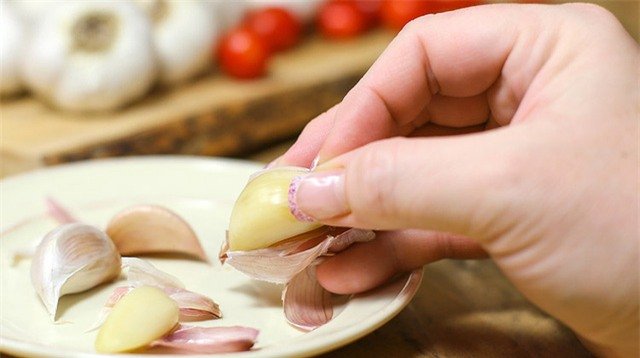
Chinese garlic cloves are also easier to separate and peel. Meanwhile, Vietnamese garlic cloves are often smaller, more tightly packed, and harder to peel.
This is one of the simplest ways to tell the difference. If the garlic bulb is very large, has smooth cloves, and peels very easily, it may be Chinese garlic.
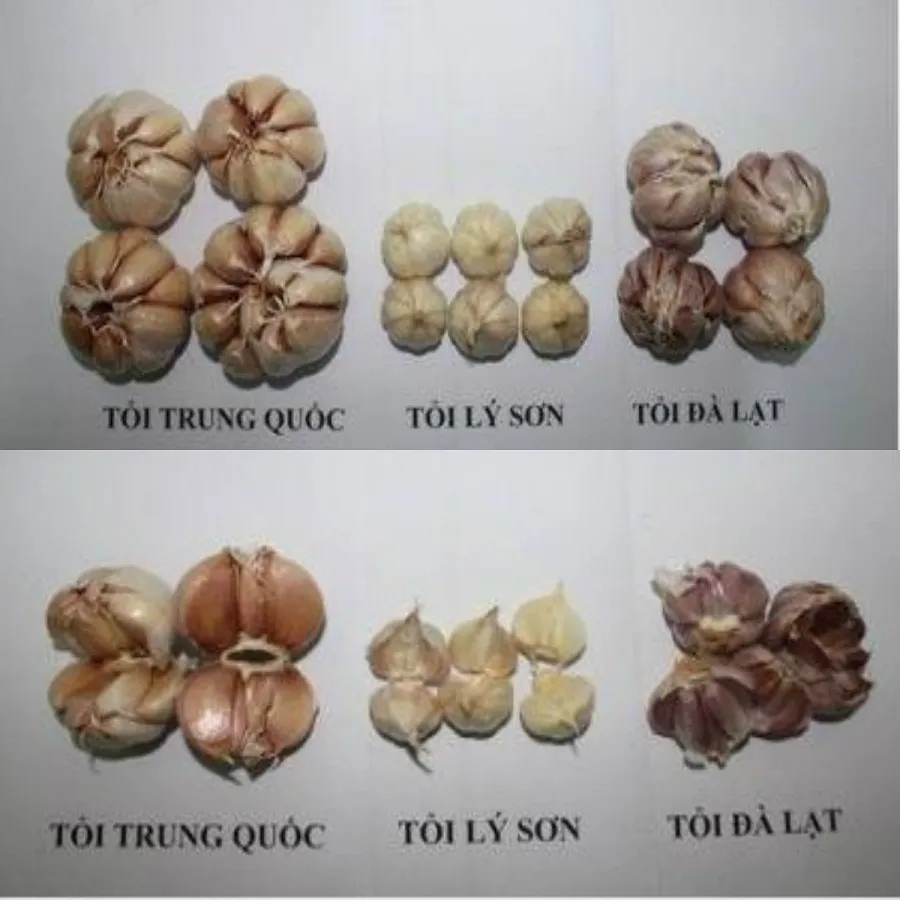
Chinese garlic is usually large and easy to peel. In contrast, Vietnamese garlic is often smaller and harder to peel. This is one of the easiest ways to tell them apart.
2. Outer Appearance of the Garlic Bulb
The outer skin of the garlic bulb is also an important sign.
Vietnamese garlic often has a purple or light purple skin. However, some types of Vietnamese garlic, such as garlic from Phan Rang or Hai Duong, may have a milky-white outer skin.
Compared with Vietnamese garlic, Chinese garlic usually looks more eye-catching. Its skin is often smoother, brighter, and ivory-white.
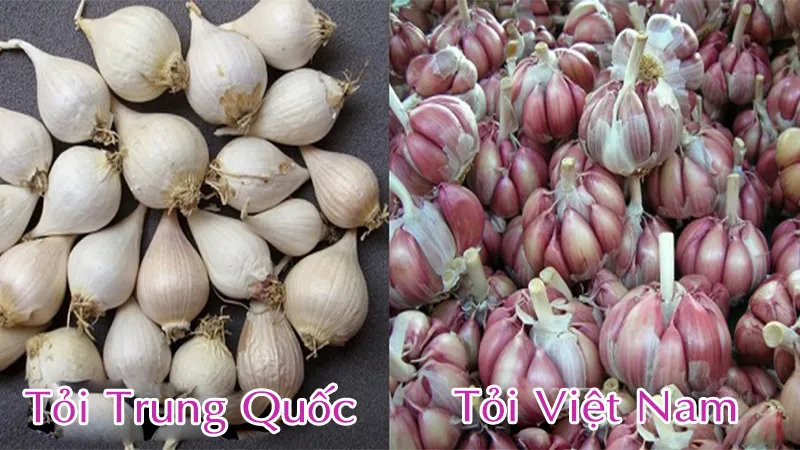
Vietnamese garlic often has purple skin, except for some varieties from Phan Rang and Hai Duong, which may have milky-white skin. Chinese garlic usually looks smoother, brighter, and more uniform.
3. Smell and Taste
Vietnamese garlic usually has a very distinct aroma, with a strong spicy and pungent flavor. When used in cooking, it gives dishes a rich and appetizing garlic fragrance.
In contrast, Chinese garlic often has a lighter aroma. When peeled, the smell is usually not as strong or as fragrant as Vietnamese garlic. When cooked, it may smell sharper but less pleasant.
Vietnamese garlic is often preferred by people who enjoy a strong garlic taste in traditional dishes.
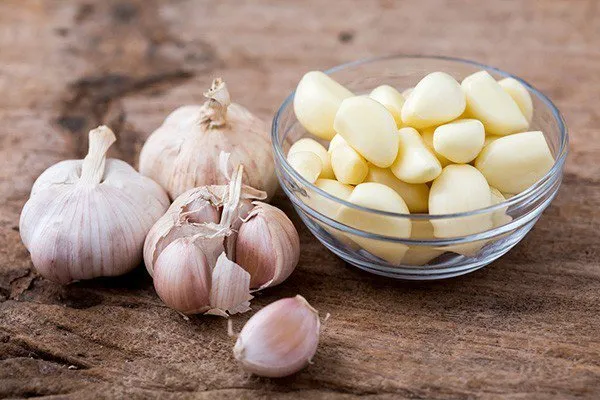
Vietnamese garlic is often more aromatic and flavorful than Chinese garlic.
4. Storage Time
Vietnamese garlic usually does not last as long if it is not stored properly. It may sprout more easily because many local garlic varieties are not heavily treated with preservatives.
Chinese garlic, on the other hand, often has a longer storage life. Some imported garlic may be treated before being sold to prevent sprouting and extend shelf life.
However, consumers should be careful with any garlic that looks unusually white, shiny, or has no natural smell. Good garlic should look fresh, feel firm, and have a natural aroma.
Without special preservation treatment, different garlic varieties may have similar shelf life when stored properly.
5. Price
Chinese garlic is usually much cheaper than Vietnamese garlic. In many markets, Chinese garlic may cost around 30,000 to 40,000 VND per kilogram, while Vietnamese garlic often costs around 70,000 to 90,000 VND per kilogram.
For special Vietnamese varieties, such as Ly Son garlic, the price can be much higher, often around 150,000 to 200,000 VND per kilogram.
However, price alone is not enough. Some sellers may sell Chinese garlic at the price of Vietnamese garlic. That is why consumers should combine several signs, including size, color, smell, taste, and origin, before buying.
By choosing good-quality Vietnamese garlic, consumers can enjoy better flavor while also supporting local farmers.

Vietnamese garlic is usually more expensive than Chinese garlic, but it is often valued for its stronger flavor and better aroma.
Other Things to Know About Vietnamese Garlic and Chinese Garlic
Some health experts have warned that consumers should be careful when buying very cheap imported garlic from unclear sources. Garlic that is treated with strong chemicals, improperly stored, or sold without clear origin may pose food safety concerns.
Because of this, it is better to buy garlic from trusted suppliers, clean markets, farms, or stores with clear product information.
Chinese Garlic Competes Strongly With Vietnamese Garlic
Many Vietnamese farmers have faced difficulties selling local garlic because cheaper imported garlic is widely available. Although Vietnamese agricultural products are often high in quality, they can struggle to compete with imported garlic that looks brighter, peels more easily, and costs less.
Because Chinese garlic is often cheaper and available in large quantities, many consumers buy it without knowing how to check its origin. This makes it harder for Vietnamese garlic farmers to sell their products.
=> Read more: Garlic in Spiritual Beliefs and Protection Rituals
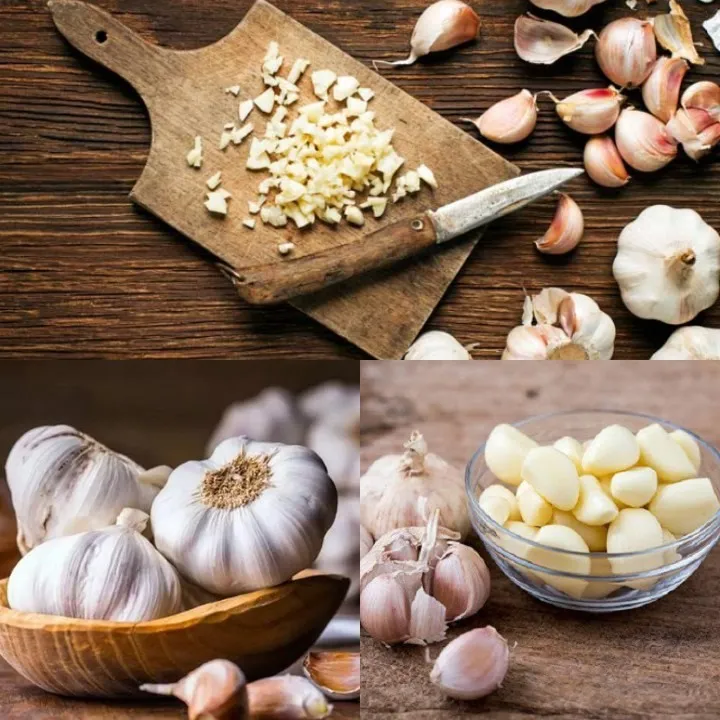
Because of its low price and large supply, Chinese garlic competes strongly with many valuable Vietnamese garlic varieties.
In traditional markets, Chinese garlic is often sold in large quantities because its price can be much lower than Vietnamese garlic. In some cases, sellers may mix or relabel garlic to sell imported garlic as Vietnamese garlic.
Restaurants and food stalls may also use cheaper garlic to reduce costs. For consumers, this makes it even more important to know the basic signs of good-quality garlic.
Concerns About Low-Quality Garlic Treated With Chemicals
Some reports have raised concerns that certain low-quality imported garlic products may be treated with chemicals to prevent insects, slow sprouting, and extend storage time.
There are also concerns that some garlic may be grown or processed under poor conditions. This can affect product quality and food safety.
Not all imported garlic is unsafe, and not all Chinese garlic is low quality. However, consumers should avoid garlic with unclear origin, strange smells, mold, unusual color, or overly shiny skin.
=> Read more: How to Remove Garlic Breath Effectively After Eating
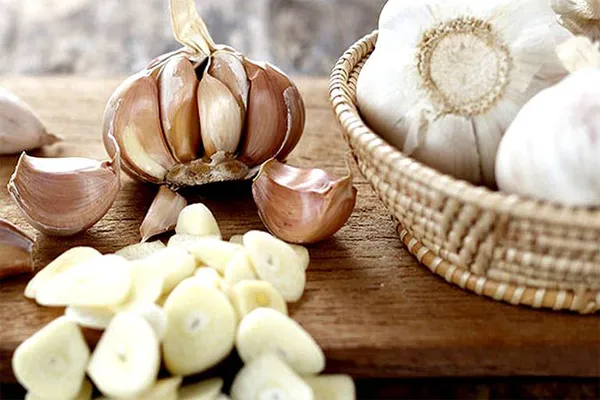
Some low-quality garlic may be treated to look whiter and more attractive to buyers.
3 Basic Tips to Avoid Buying Poor-Quality Garlic
Whether you choose white garlic or purple garlic, you should buy bulbs with clean skin, a natural shine, and a firm texture.
Avoid buying garlic with the following signs:
- First: If the garlic feels soft, hollow, or mushy, it may already be spoiled and should not be purchased.
- Second: If the outer skin has black mold spots or turns gray or yellow, the garlic may be moldy or damaged.
- Third: Avoid buying pre-peeled garlic from markets if the source is unclear. Although it is convenient, pre-peeled garlic can spoil faster and may be exposed to bacteria during handling and storage.
=> Read more: The Benefits of Garlic in Traditional Medicine
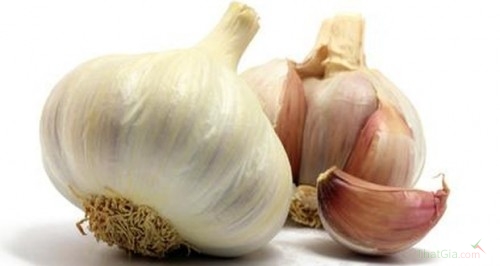
When buying garlic, avoid bulbs that are soft, moldy, or have an unpleasant smell.
Helpful Tips for Choosing the Right Vietnamese Garlic
To choose fresh and flavorful Vietnamese garlic, you should understand the common garlic varieties grown in Vietnam. Each region has its own garlic type, appearance, and flavor.
Common Types of Vietnamese Garlic
Vietnam has many garlic varieties. Some of the most popular include Ly Son garlic, Phan Rang garlic, Hai Duong garlic, Khanh Hoa garlic, and Da Lat garlic.
Da Lat Garlic
Da Lat garlic is a well-known Vietnamese garlic variety, loved for its unique and pleasant flavor.
To identify Da Lat garlic, look for its brownish-purple outer skin. The skin is usually harder to peel. When the stem is removed, the small cloves tend to stay tightly together. Da Lat garlic has a spicy flavor, a pleasant aroma, and a distinct garlic fragrance.
Ly Son Garlic
Ly Son garlic, also known as Ly Son single-clove garlic or lonely garlic, is one of the most famous garlic varieties in Vietnam.
Ly Son garlic usually has white skin. The bulbs are medium-sized, not too large. The cloves are firm, even, and aromatic. Single-clove Ly Son garlic is especially valued for its gentle fragrance. It is less pungent than many other garlic varieties and can be easier to eat raw.
Phan Rang Garlic
Phan Rang garlic has become more popular in recent years as local producers have promoted this specialty to protect it from competition with imported garlic.
Phan Rang garlic has milky-white skin and small but firm cloves. It has a strong, spicy, and distinctive flavor. After harvest, the garlic is usually sun-dried so the outer skin becomes thin and easy to remove. Phan Rang garlic is often tied into bunches and sold as a local specialty.
Hai Duong Garlic
Hai Duong garlic, sometimes called northern garlic, purple garlic, or local garlic, is very popular in northern Vietnam.
Hai Duong garlic usually has slightly purple skin with darker tones. It may not look as white and clean as Ly Son garlic, but it often has more cloves. Each clove can also be larger than Ly Son garlic. Its flavor is strong, spicy, and pungent.
Khanh Hoa Garlic
Khanh Hoa garlic is a valuable and well-known garlic variety from Khanh Hoa Province.
It usually has white, slightly rough skin with clear veins on the outer layer. The cloves are small but firm. The flavor is mild, spicy, and pleasant, making it suitable for many dishes.
Should You Choose Purple Garlic or White Garlic?
Garlic is an essential ingredient in Vietnamese cuisine. It appears in fish sauce, stir-fries, garlic butter bread, beef dishes, roasted garlic dishes, and many other recipes.
Although garlic is easy to find, each type has its own shape, color, aroma, and taste. Many home cooks still wonder whether they should choose white garlic or purple garlic.
If you care about aroma and cooking flavor, purple garlic is often a better choice. It usually has a stronger smell, a richer fragrance, and a more intense spicy taste. Some purple garlic varieties also have a light natural sweetness.
That is why many professional cooks prefer purple garlic for cooking. It helps make dishes more fragrant and flavorful.
White garlic is often milder and less pungent. It can be suitable for salads or dishes that use raw garlic, where the flavor should not be too strong.
So, it is not possible to say that purple garlic is always better than white garlic. The best choice depends on how you want to use it.
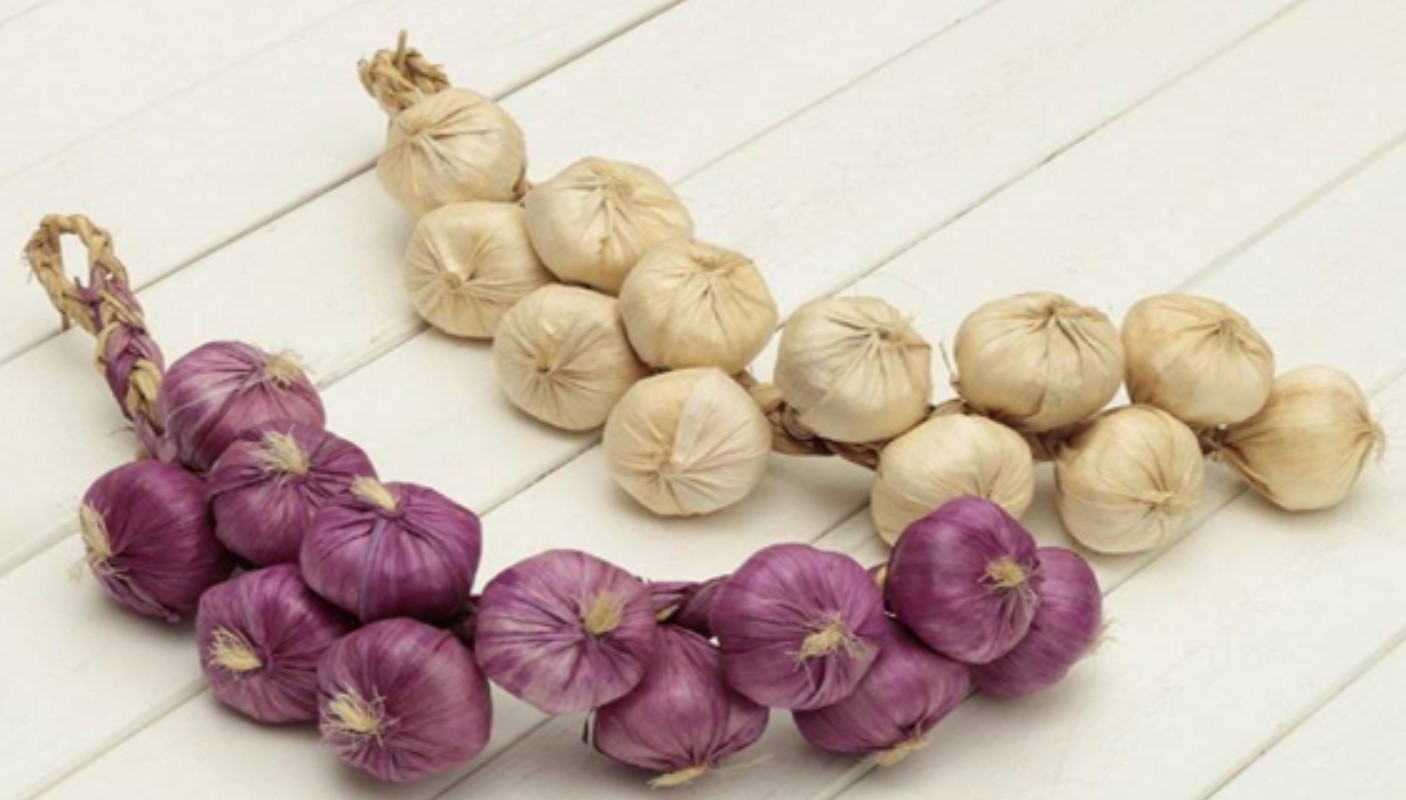
Should you choose purple garlic or white garlic? It depends on your cooking purpose. In general, purple garlic has a stronger and spicier flavor than white garlic.
Choose the Right Garlic for Your Needs
Vietnam has many garlic varieties, and each growing region produces garlic with different characteristics. Common garlic-growing areas include Da Lat, Dien Bien, Ly Son, Phan Rang, and other regions.
It can be difficult to identify the exact origin of garlic just by looking, unless you are very familiar with garlic varieties. For easier identification, people often divide garlic into two main types: purple garlic and white garlic.
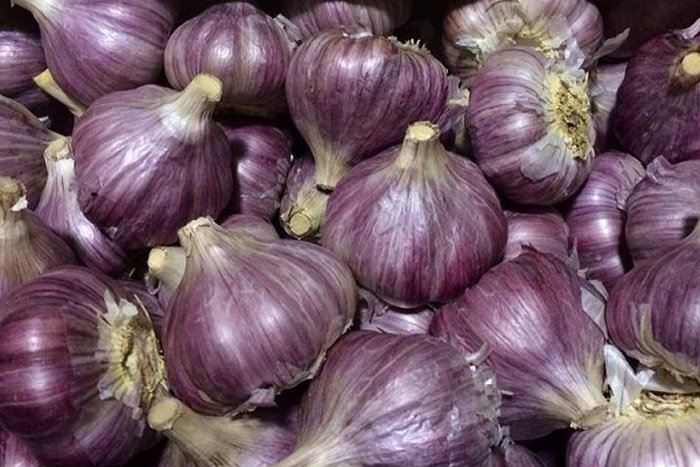
As the names suggest, the difference is mainly based on appearance and color. Purple garlic has purple skin or purple veins, while white garlic has a white outer skin.
In general, white garlic bulbs are often larger than purple garlic bulbs. The cloves may also be larger and firmer, although their sizes are not always even. In terms of flavor, purple garlic usually has a stronger, spicier, and more aromatic taste.
Which Garlic Has Higher Nutritional Value?
Purple garlic is often grown in spring and usually takes longer to develop and harvest than white garlic, which may be grown in cooler seasons. Because of its longer growing period, purple garlic is often considered richer in flavor and natural compounds.
Purple garlic is also usually more expensive than white garlic. It is believed to contain a higher level of allicin than some white garlic varieties. In addition, purple garlic contains natural pigments such as anthocyanins, which are associated with antioxidant properties.
In traditional medicine, garlic is often used as a food that supports circulation, digestion, and general health. Purple garlic is also rich in fiber and natural compounds that may support a balanced diet.
However, garlic should be eaten in moderation. It should not be used as a replacement for medical treatment.
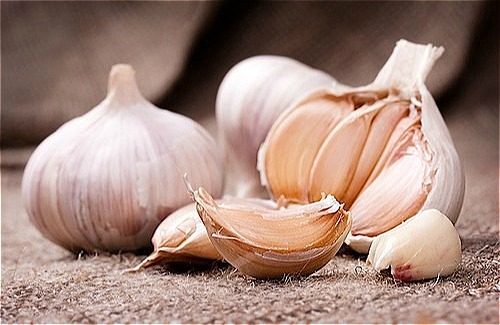
Purple garlic is often valued for its stronger flavor and natural compounds.
How to Store Garlic Properly
To keep garlic fresh and flavorful, remember these basic storage tips:
- Store garlic in a dry, dark, and well-ventilated place, away from direct sunlight.
- If some garlic bulbs become soft, separate them from the rest so they do not affect other bulbs.
- When buying garlic, choose firm bulbs with clean, dry skin.
- Avoid garlic that has mold, a strange smell, or visible damage.
- Do not store whole garlic in the refrigerator for a long time, as moisture can cause mold.
Chúng tôi là một thương hiệu chuyên sản xuất, thương mai và xuất khẩu các mặt hàng nông sản của Việt Nam. Chúng tôi có vùng trồng điều & nhà máy điều ở Bình Phước, trại nuôi ruồi lính đen ở Tây Ninh. Các mặt hàng xuất khẩu chính của Công ty là: hạt điều, hạt điều nhân, ruồi lính đen,… từ Việt Nam.