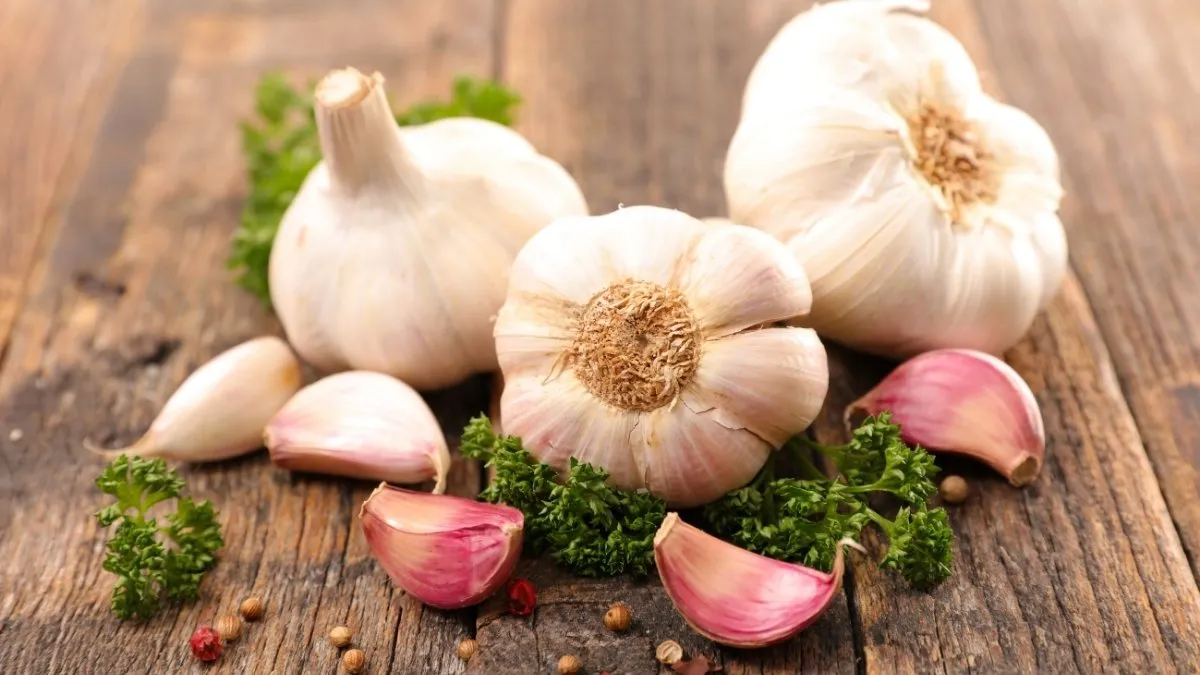
Garlic can offer many health benefits when used properly. However, garlic is not suitable for everyone. People with certain health conditions, such as liver disease, eye problems, or a history of low blood pressure, should be careful when using garlic because it may worsen their condition.
So, can children eat garlic? At what age is it safe to add garlic to a child’s diet? This article will help answer the most common questions parents may have about giving garlic to babies and young children.
=> Quick answer: Children can usually start eating small amounts of garlic from around 8 to 9 months old, especially when it is cooked and added gently to their meals.
Benefits of Garlic for Children
Garlic is well known for its nutritional value and traditional health benefits. But for children, whose bodies and immune systems are still developing, garlic should be used in the right way and in a suitable amount.
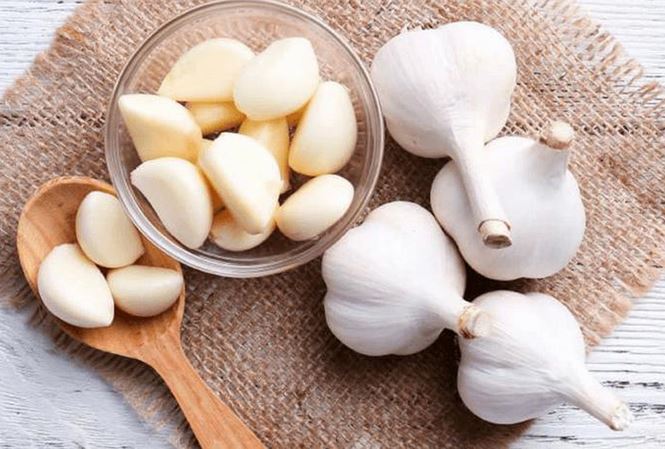
Garlic may offer several positive benefits for children’s health when used properly.
Supports Digestive Health
Children’s digestive systems are still developing, which means they may be more likely to experience digestive problems such as diarrhea, indigestion, digestive disorders, colitis, or acid reflux.
Garlic may help support gut health by limiting the growth of certain harmful bacteria and parasites. It may also help improve digestion when used as part of a balanced diet.
Because of this, parents can add a small amount of cooked garlic to their child’s meals to support digestion. However, garlic should not be used as a replacement for medical treatment if the child has serious or long-lasting digestive symptoms.
=> Read more: 5 Ways to Tell the Difference Between Vietnamese Garlic and Chinese Garlic
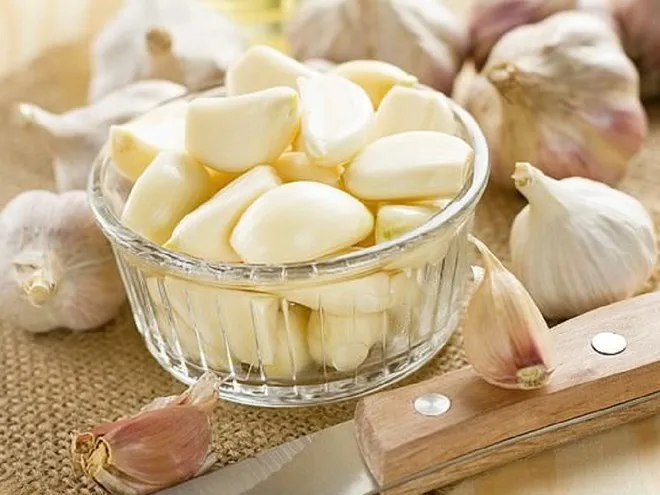
Garlic may help support the developing digestive system of children.
May Help Support Ear Health
Young children, especially those under 36 months old, are more likely to experience middle ear infections. This condition often happens when bacteria or viruses cause inflammation in the middle ear, leading to pain, discomfort, and sometimes discharge.
In traditional home care, garlic oil is sometimes mentioned as a natural remedy. However, parents should be very careful. Garlic oil should not be placed into a child’s ear without medical advice, especially if there is ear discharge, strong pain, fever, or a possible eardrum problem.
If a child shows signs of an ear infection, the safest step is to take the child to a doctor for proper diagnosis and treatment.
=> Read more: What Is Garlic Oil? How to Make Garlic Oil at Home
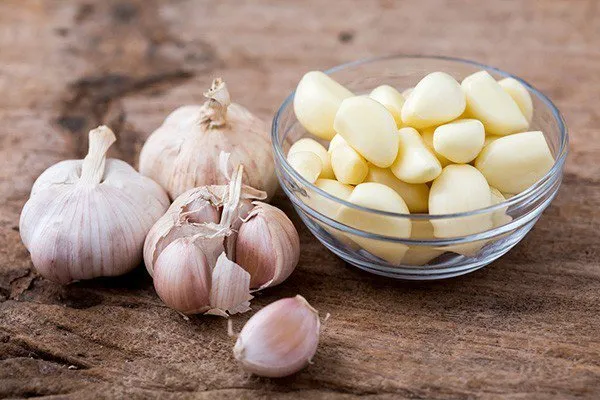
Garlic is often used in traditional remedies to support health, but ear problems in children should be checked by a doctor.
Helps Support the Body During Colds and Coughs
Colds and coughs are very common in young children. Garlic has a warm, strong flavor and is often used in traditional diets to help support the body during cold weather or when the immune system needs extra care.
Adding a small amount of cooked garlic to a child’s food may help warm the body and support overall health. However, garlic should only be used as a food ingredient, not as a direct treatment for serious cough, high fever, breathing problems, or long-lasting illness.
=> Read more: 5 Delicious Garlic Dishes You Should Not Miss
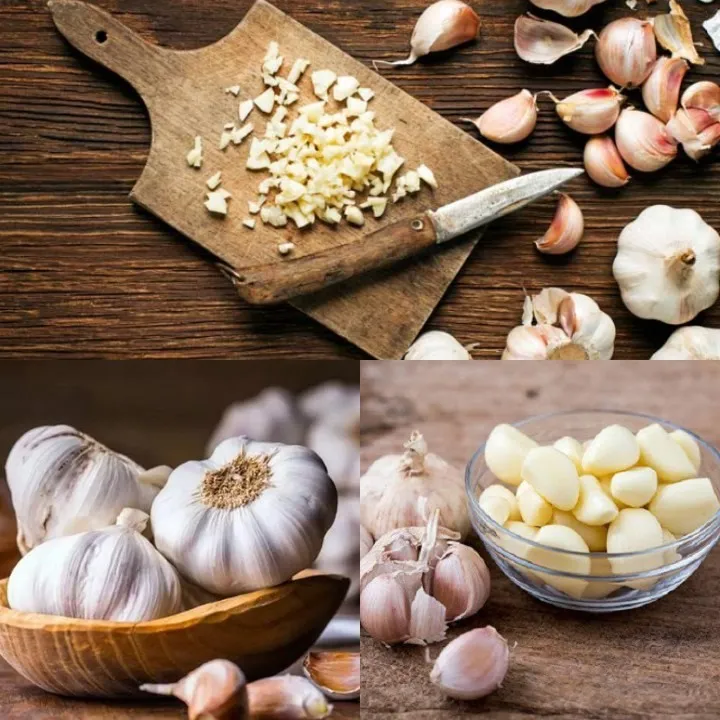
At What Age Can Babies Eat Garlic?
Garlic can be safe for babies when used in the right way. However, parents should always pay attention to the amount, preparation method, and the child’s reaction after eating it.
Garlic During Pregnancy
Pregnant mothers can usually include garlic in their diet in normal food amounts. Garlic can be added to cooked dishes to provide flavor and nutrients.
If mothers do not like the strong smell of raw garlic, they can enjoy cooked dishes that contain garlic. However, when using garlic-based supplements, garlic oil, or concentrated garlic products, it is best to ask a doctor first to make sure they are safe for both mother and baby.
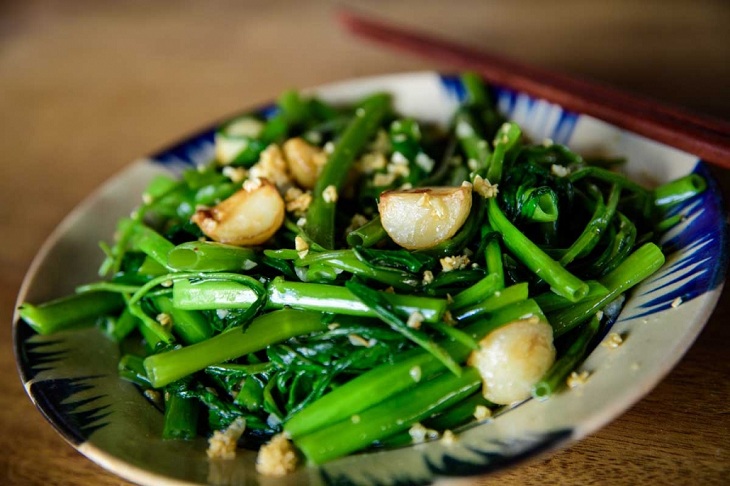
Garlic While Breastfeeding
Some studies suggest that the flavor of garlic can pass into breast milk. This may slightly change the smell or taste of the milk. In some cases, babies may still breastfeed normally, while some may react differently.
Mothers can eat garlic in normal food amounts while breastfeeding, but they should avoid using too much. A large amount of garlic may cause digestive discomfort for the mother or may affect the baby’s feeding response.
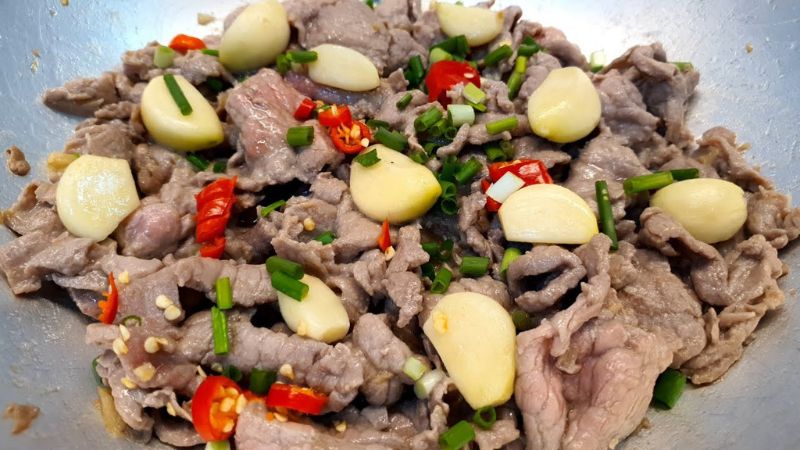
Adding Garlic to a Baby’s Meals
Parents can usually add garlic to a baby’s diet when the baby starts eating solid foods, around 8 to 9 months old. At the beginning, only a very small amount should be used.
There are two important things to remember.
First, although garlic allergy is not common, it can still happen. After giving garlic to a baby, parents should watch for signs such as bloating, diarrhea, rash, vomiting, or unusual discomfort. If these symptoms appear, parents should stop giving garlic and seek medical advice.
Second, garlic has a strong smell and taste. Some babies may not like it at first. Adding too much garlic may make the child refuse food. For children under 2 years old, it is better to introduce garlic slowly and let them get used to the flavor. For children over 2 years old, parents can gradually include garlic more often in family meals, as long as the child accepts it well.
=> Read more: 5 Delicious Garlic Dishes You Should Not Miss
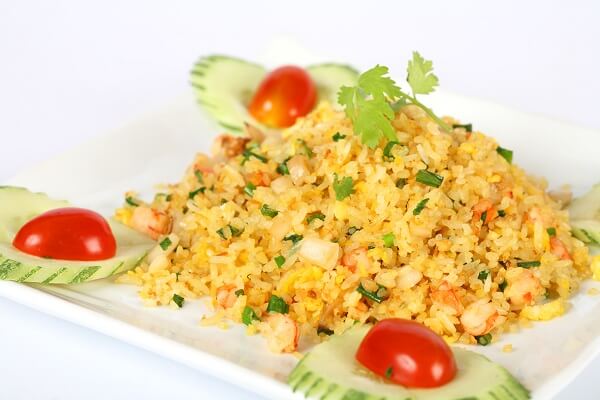
Important Notes When Preparing Garlic for Children
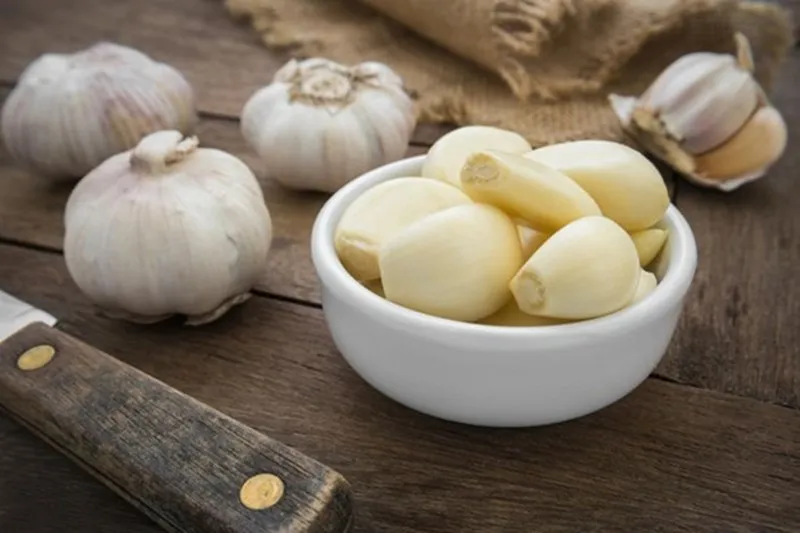
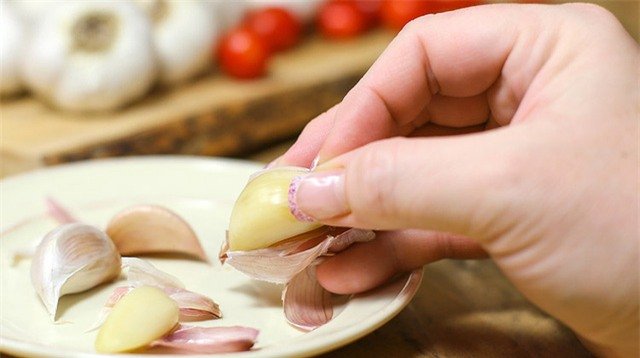
Raw garlic has a very strong smell and taste, and even many adults may find it difficult to eat. For children, it is usually better to cook garlic before serving.
Fresh garlic is often preferred because it has a stronger natural flavor and contains beneficial compounds. Before cooking, parents can finely chop or crush the garlic and let it sit for about 10 minutes.
This is because garlic contains alliin. When garlic is chopped, crushed, or pressed, alliin can convert into allicin, an important compound that gives garlic many of its well-known properties.
One more safety note: parents should not give whole garlic cloves to babies or toddlers to play with. Garlic cloves are small and slippery, and a child may put them into their mouth, which can create a choking risk.
Chúng tôi là một thương hiệu chuyên sản xuất, thương mai và xuất khẩu các mặt hàng nông sản của Việt Nam. Chúng tôi có vùng trồng điều & nhà máy điều ở Bình Phước, trại nuôi ruồi lính đen ở Tây Ninh. Các mặt hàng xuất khẩu chính của Công ty là: hạt điều, hạt điều nhân, ruồi lính đen,… từ Việt Nam.