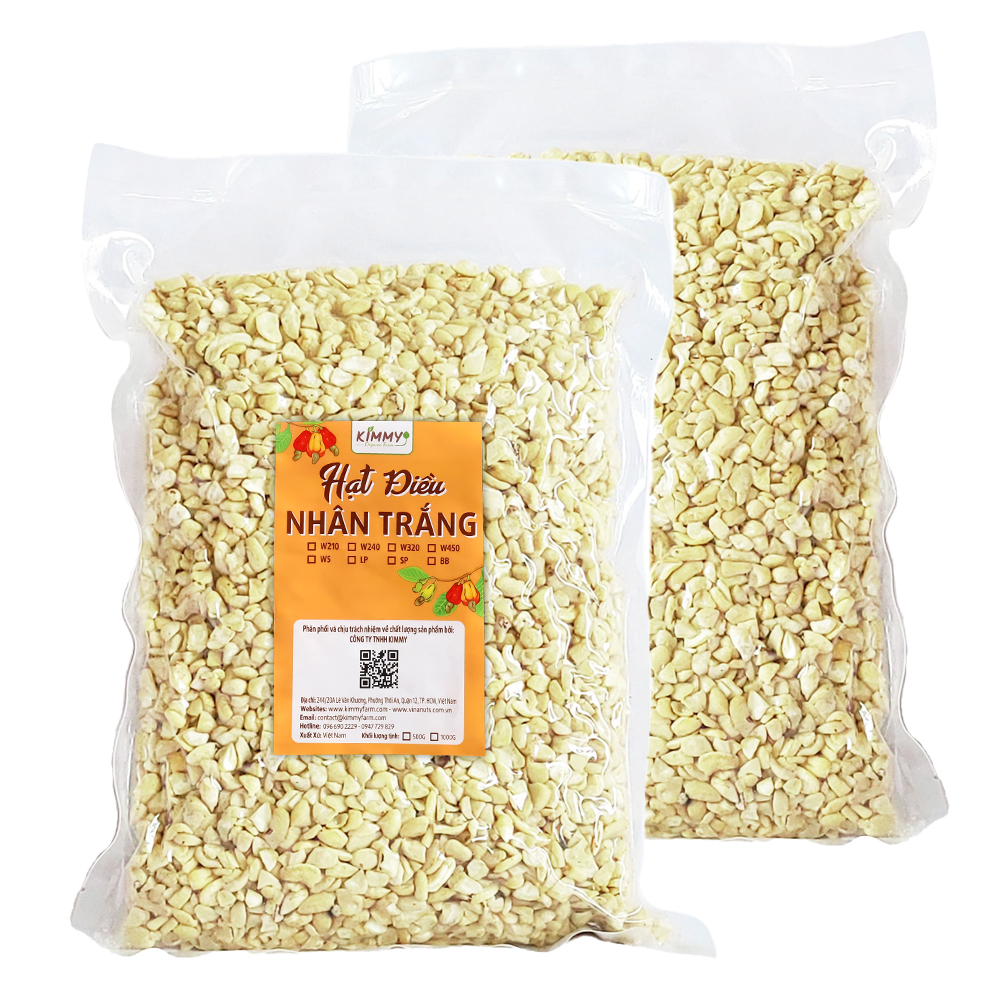
Guinea-Bissau Sets a Floor Price for Raw Cashew Nut Exports
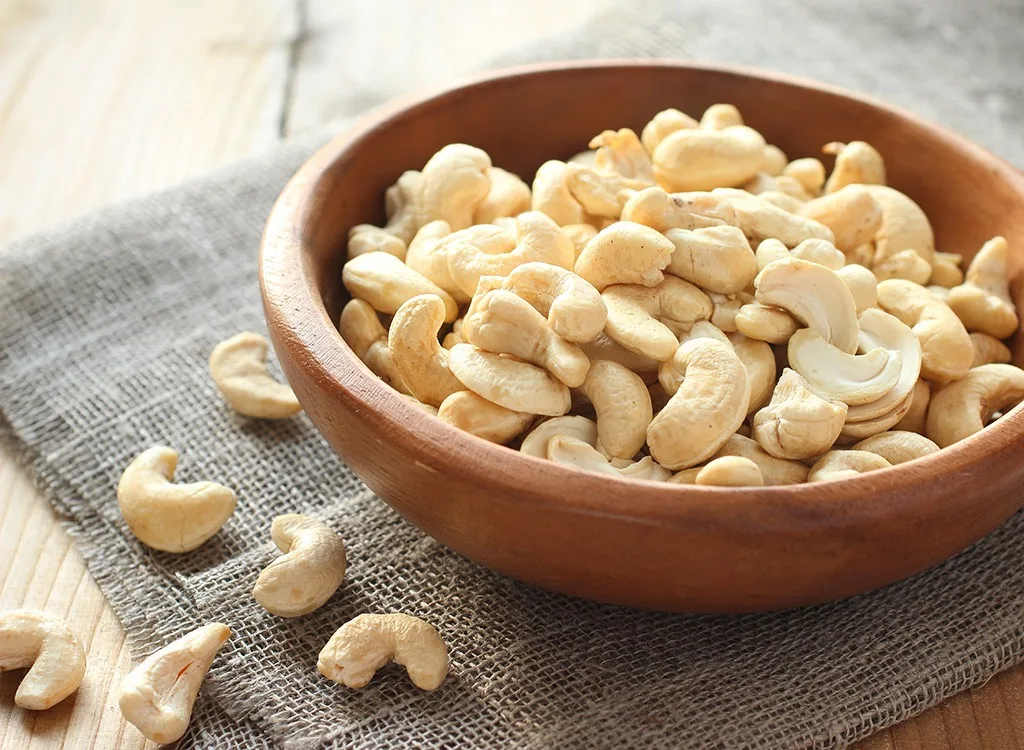
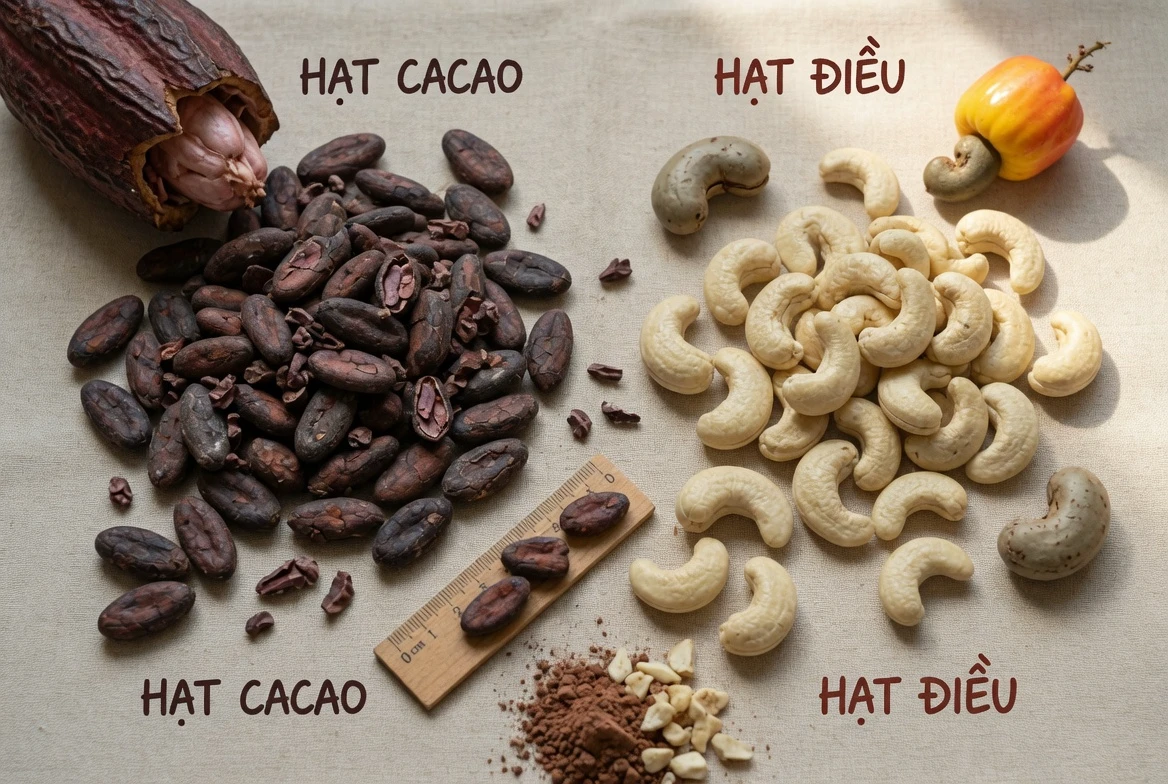
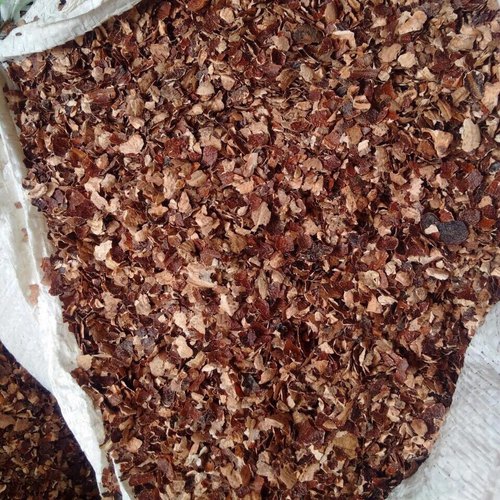
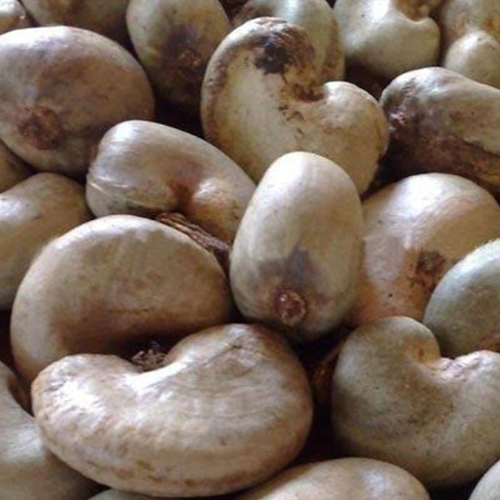
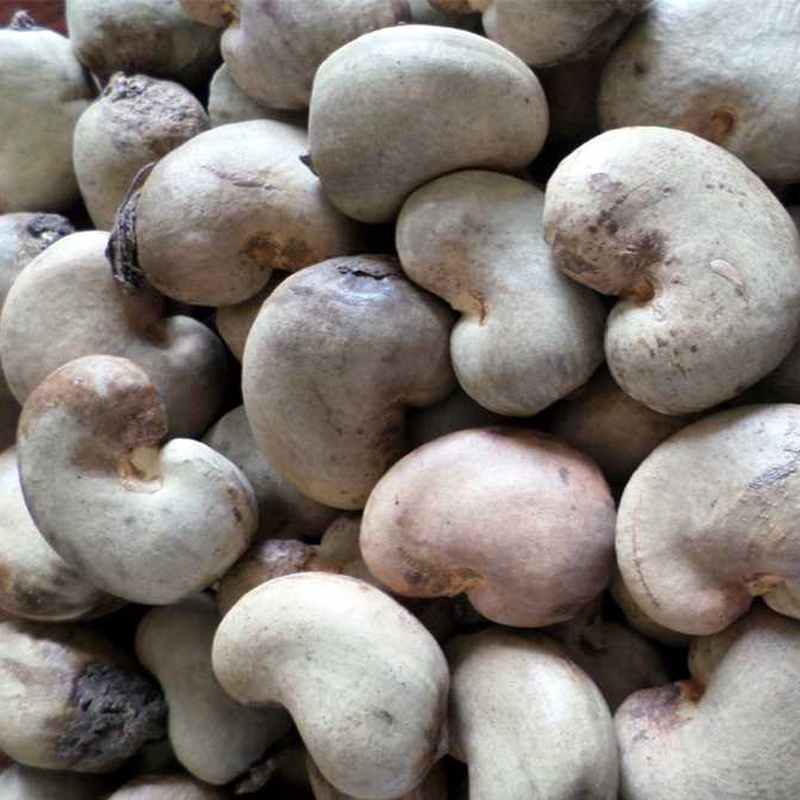
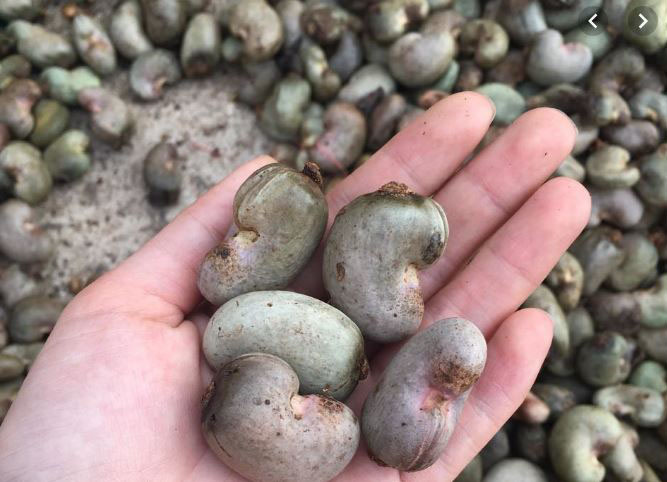
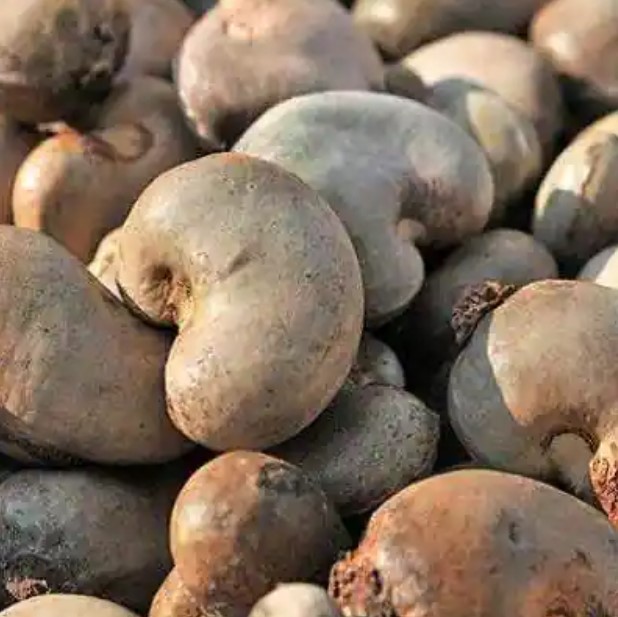
Guinea-Bissau is one of West Africa’s important raw cashew-producing countries. Cashew nuts are the country’s main export crop and accounted for more than 50% of national export revenue in 2019. However, most of Guinea-Bissau’s cashew crop is still exported as raw cashew nuts, which brings lower added value compared with processed cashew kernels.
To stabilize the value of this important agricultural product, the government of Guinea-Bissau has introduced several measures, including setting a floor price for raw cashew exports and encouraging more domestic cashew processing.
Guinea-Bissau Sets a Floor Price for Raw Cashew Nuts
In recent years, Guinea-Bissau’s raw cashew sector has faced pressure from low export prices. The situation became more difficult during the coronavirus outbreak, when supply chains and processing capacity were disrupted.
To support local farmers and stabilize the domestic market, the government set the farm-gate price of raw cashew nuts at 360 CFA francs, around 0.65 USD per kilogram, during its trading campaign from April to September. This price was about 28% lower than the previous season, but it was still intended to create a clearer pricing framework for farmers, traders, and exporters.
At the same time, the government encouraged the development of more local cashew-processing factories. It also set a basic export tax value for raw cashew nuts at around 850 USD per ton.
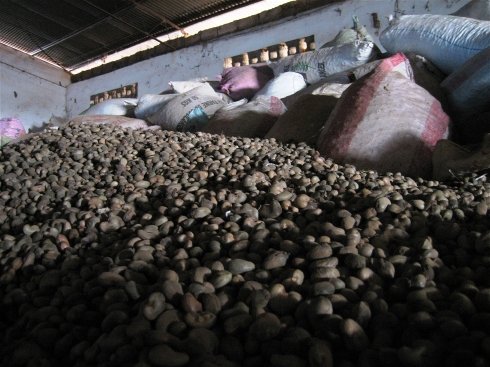
Guinea-Bissau set a farm-gate price for raw cashew nuts at 360 CFA francs per kilogram.
Cashew Nuts Are Guinea-Bissau’s Main Export Crop
Guinea-Bissau produces around 200,000 tons of raw cashew nuts each year. Most of this volume is exported to buyers in India, where the raw cashews are processed into cashew kernels and then shipped to other markets around the world.
However, according to figures from the Ministry of Trade and Industry, exports fell to just under 160,000 tons in 2020. This decline showed how vulnerable the country’s cashew industry can be when it depends heavily on raw exports and external processing markets.
Infrastructure is another major challenge. Once the rainy season begins, usually from late May to mid-June, transporting raw cashew nuts by truck becomes much harder. Many rural roads are narrow, unpaved, and easily flooded. In some areas, the roads turn into mud, slowing down the movement of cashew nuts from farms to ports.
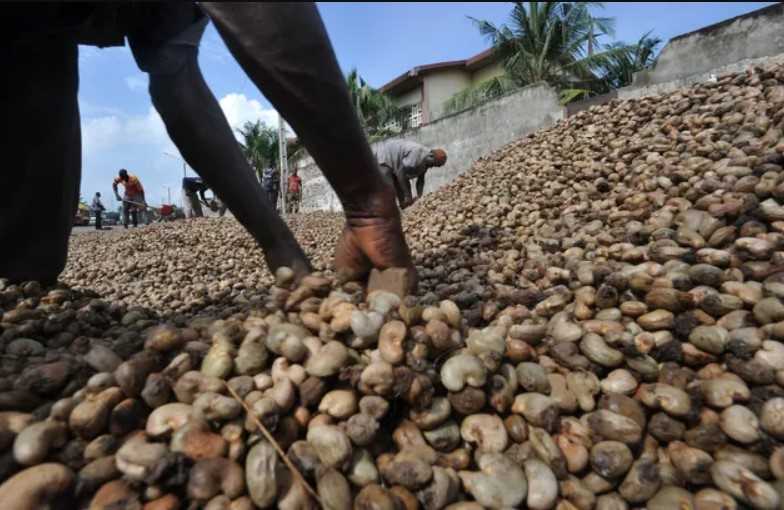

Guinea-Bissau produces around 200,000 tons of raw cashew nuts per year, mostly for export to buyers in India.
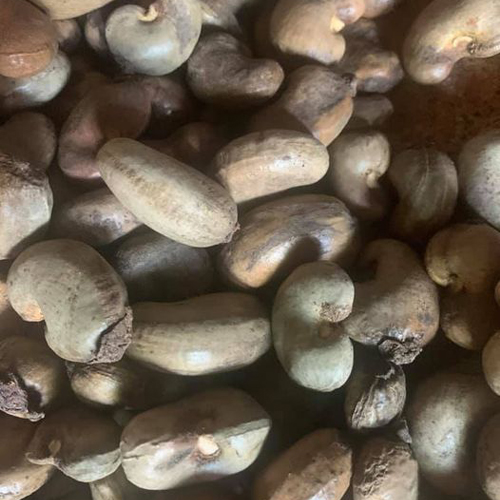
Related Cashew Kernel Products
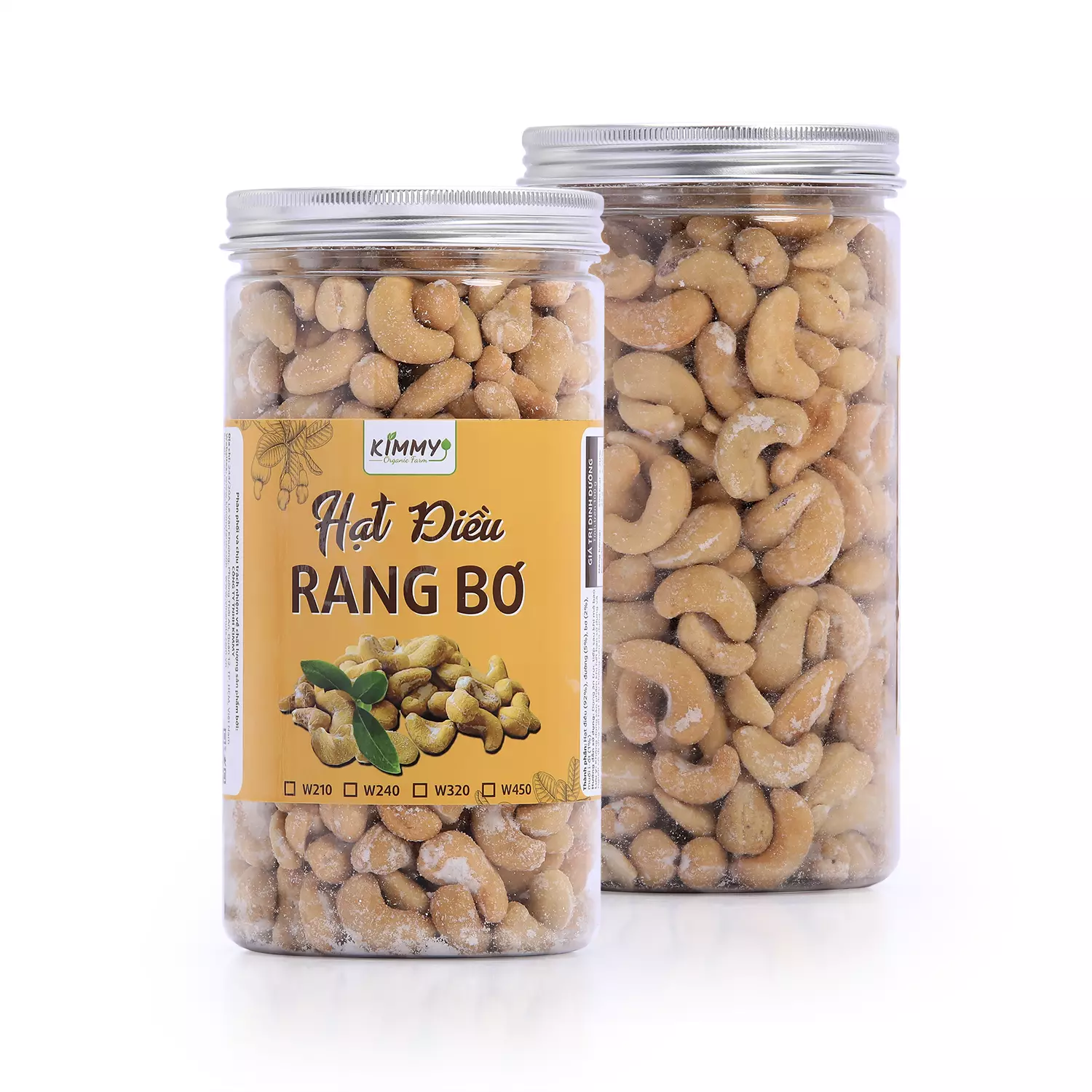
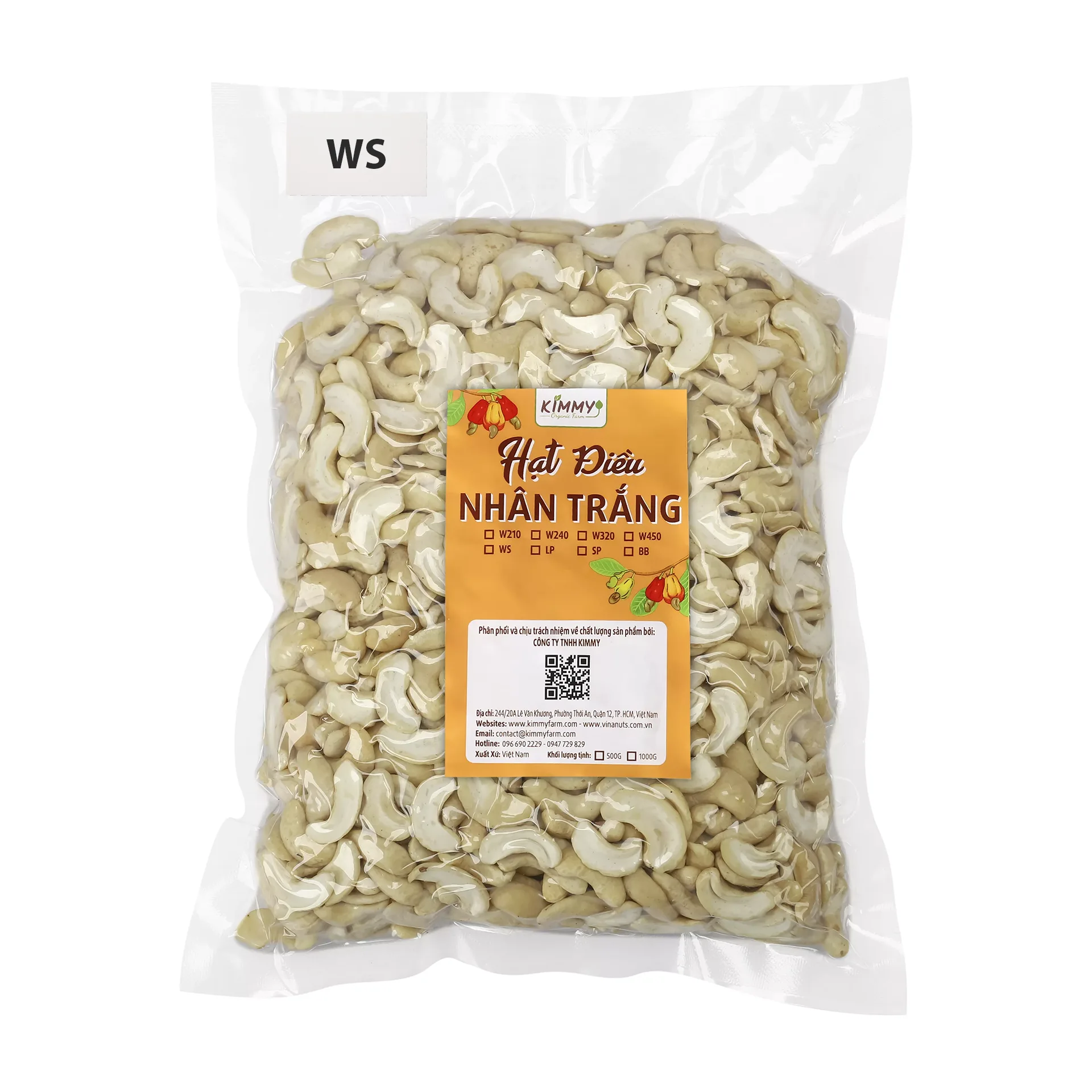
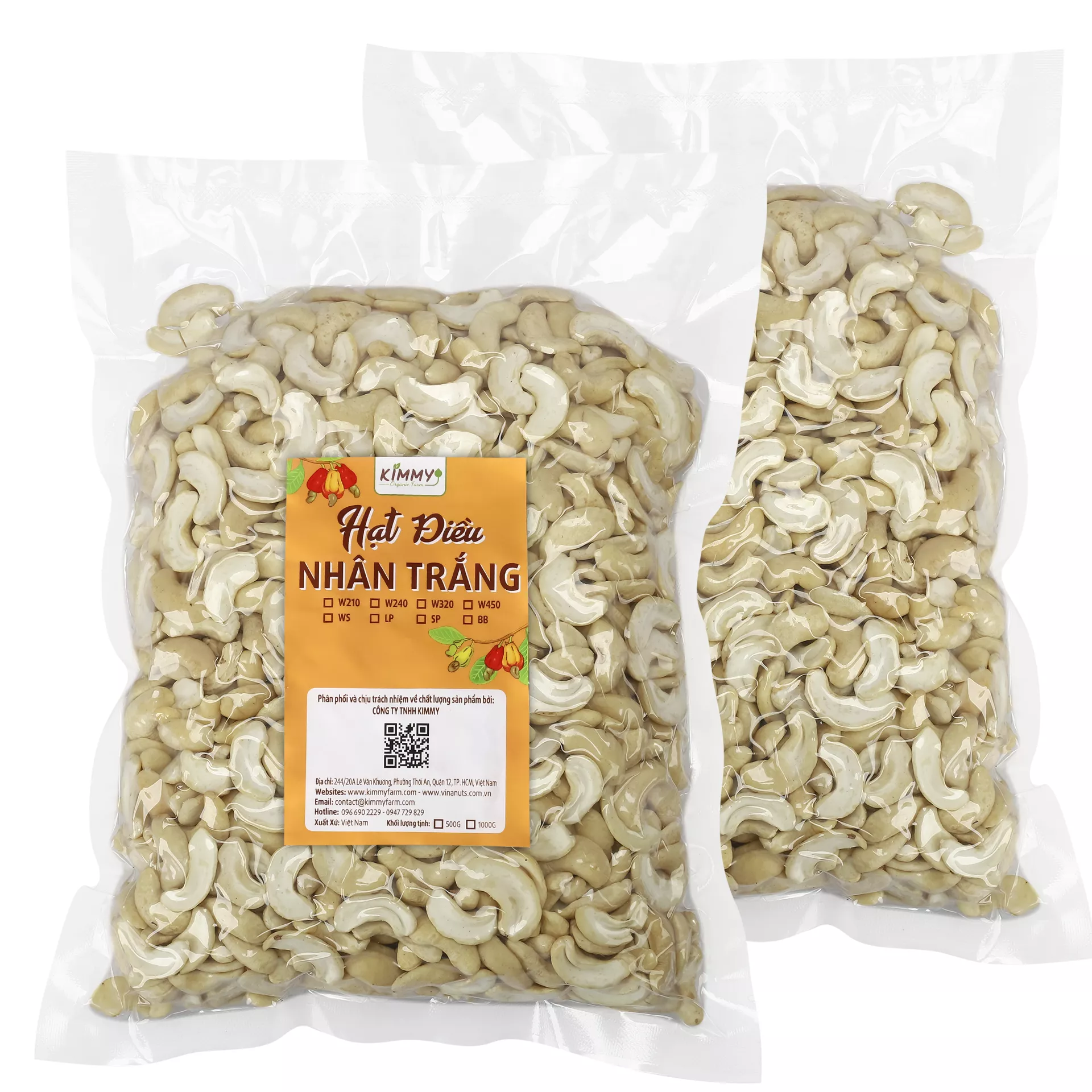
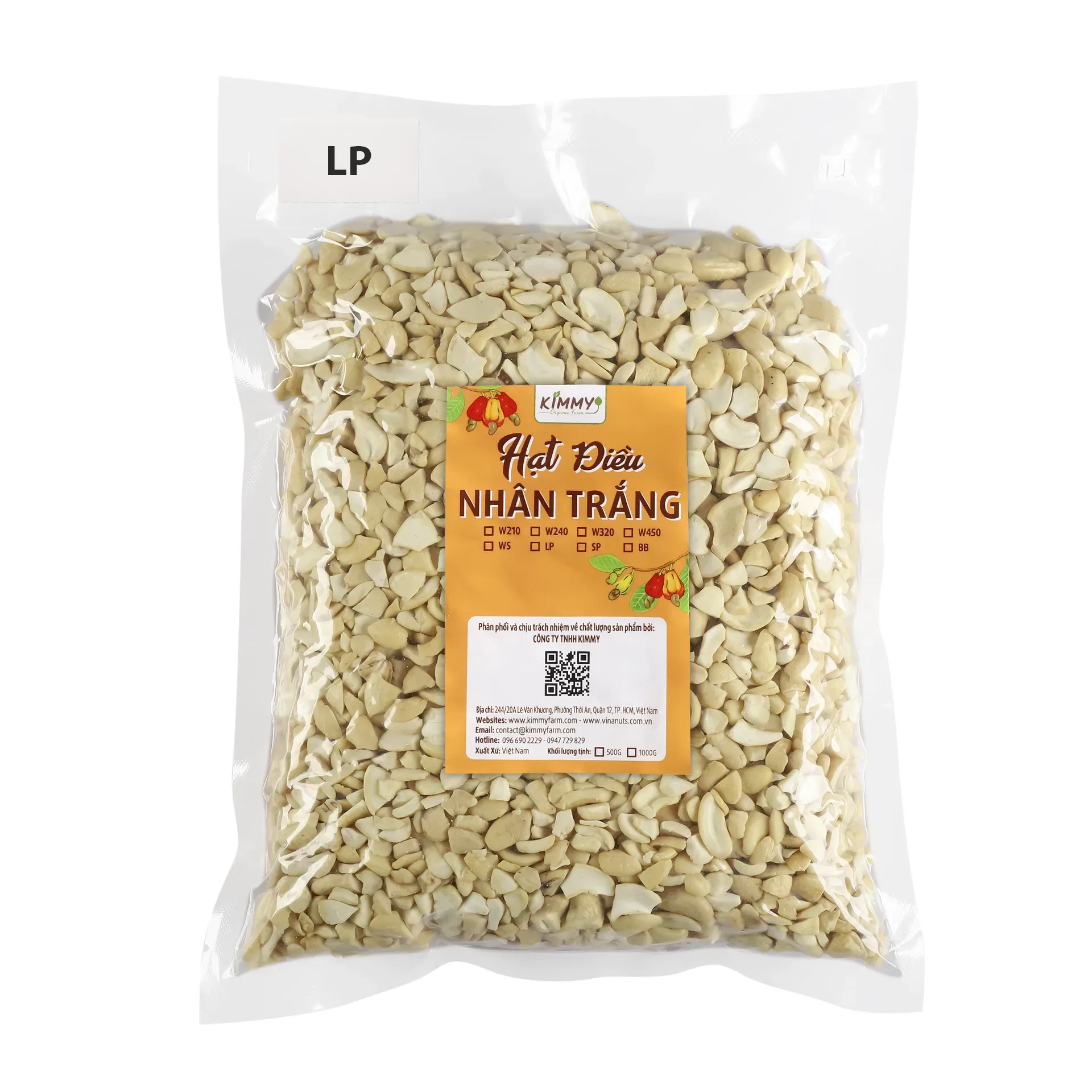
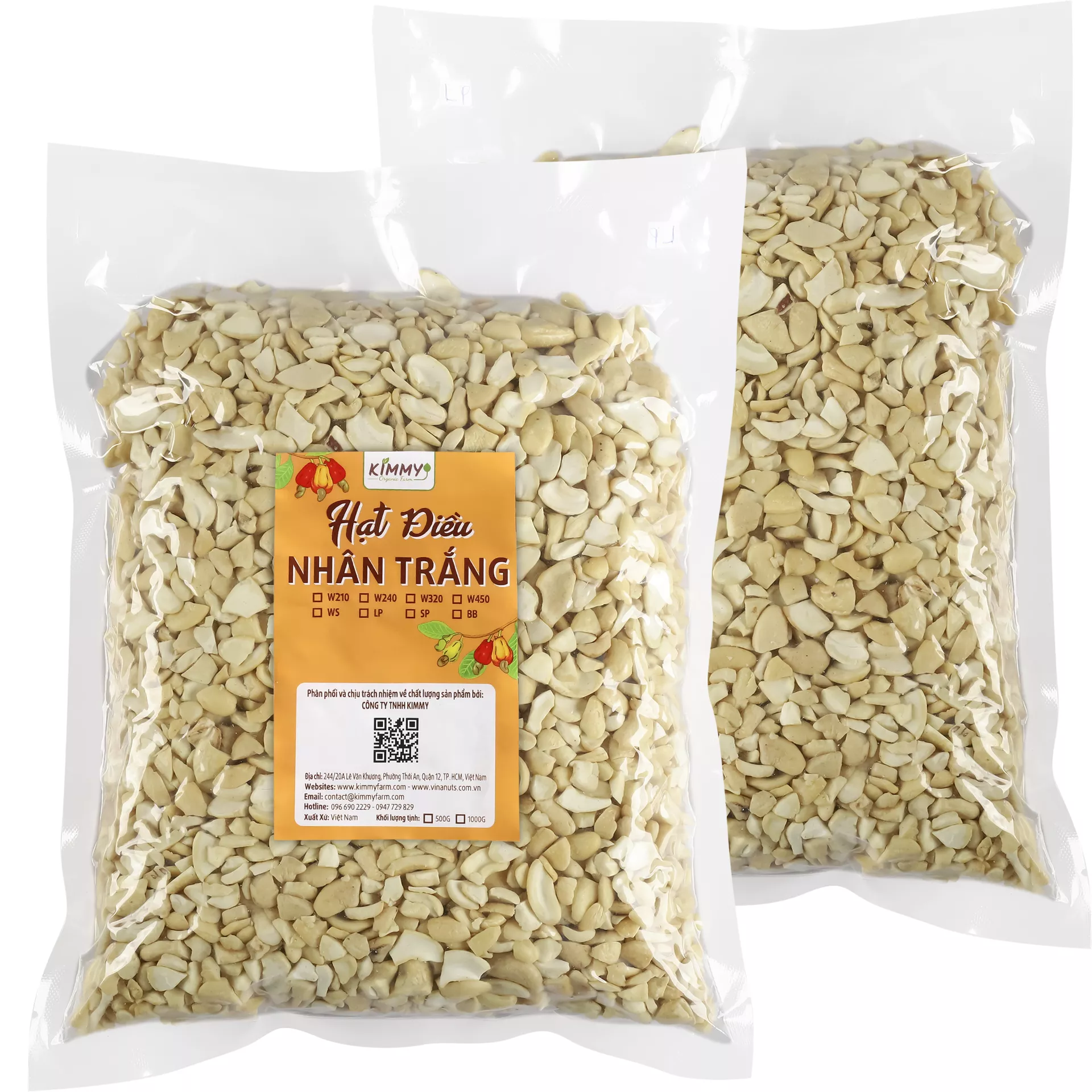
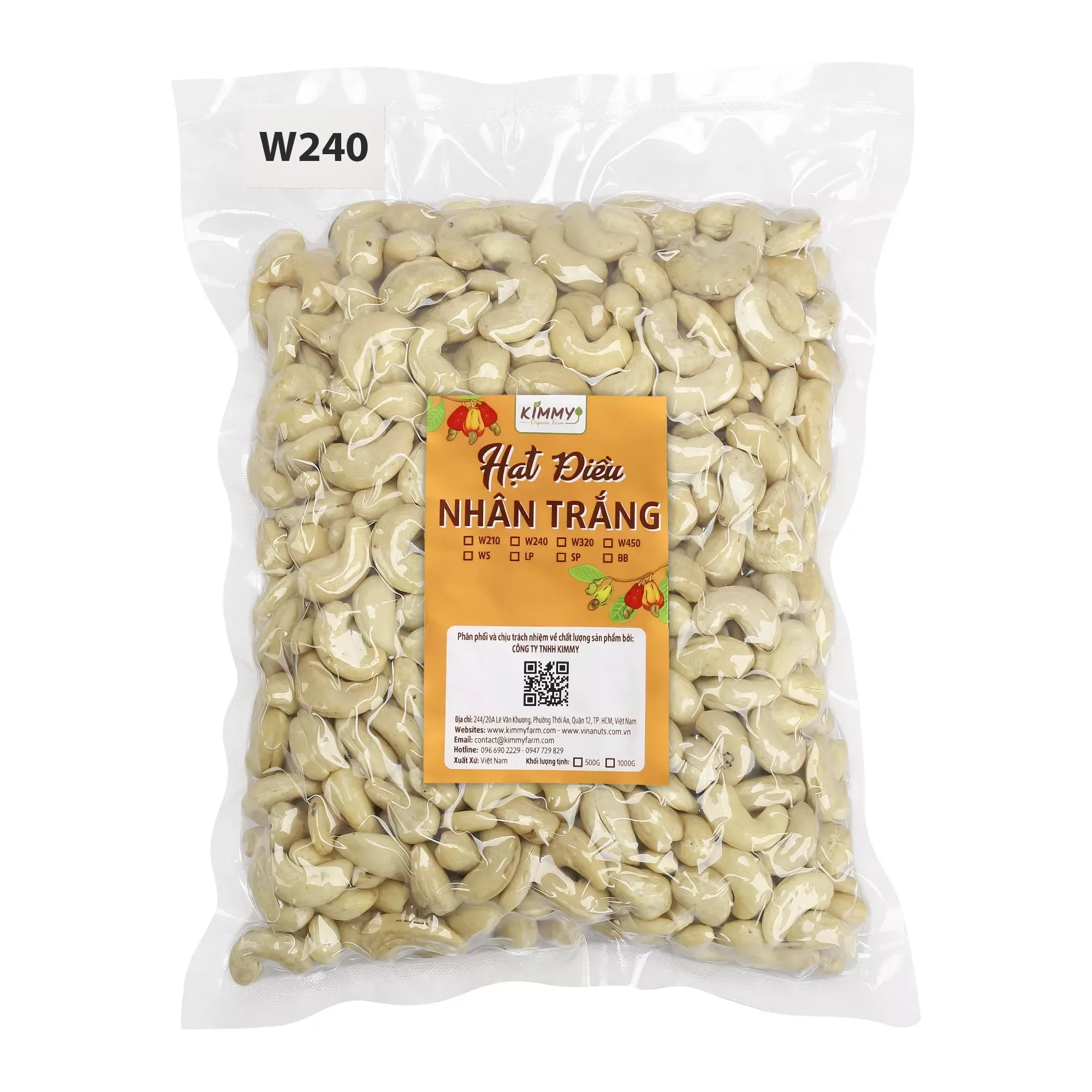
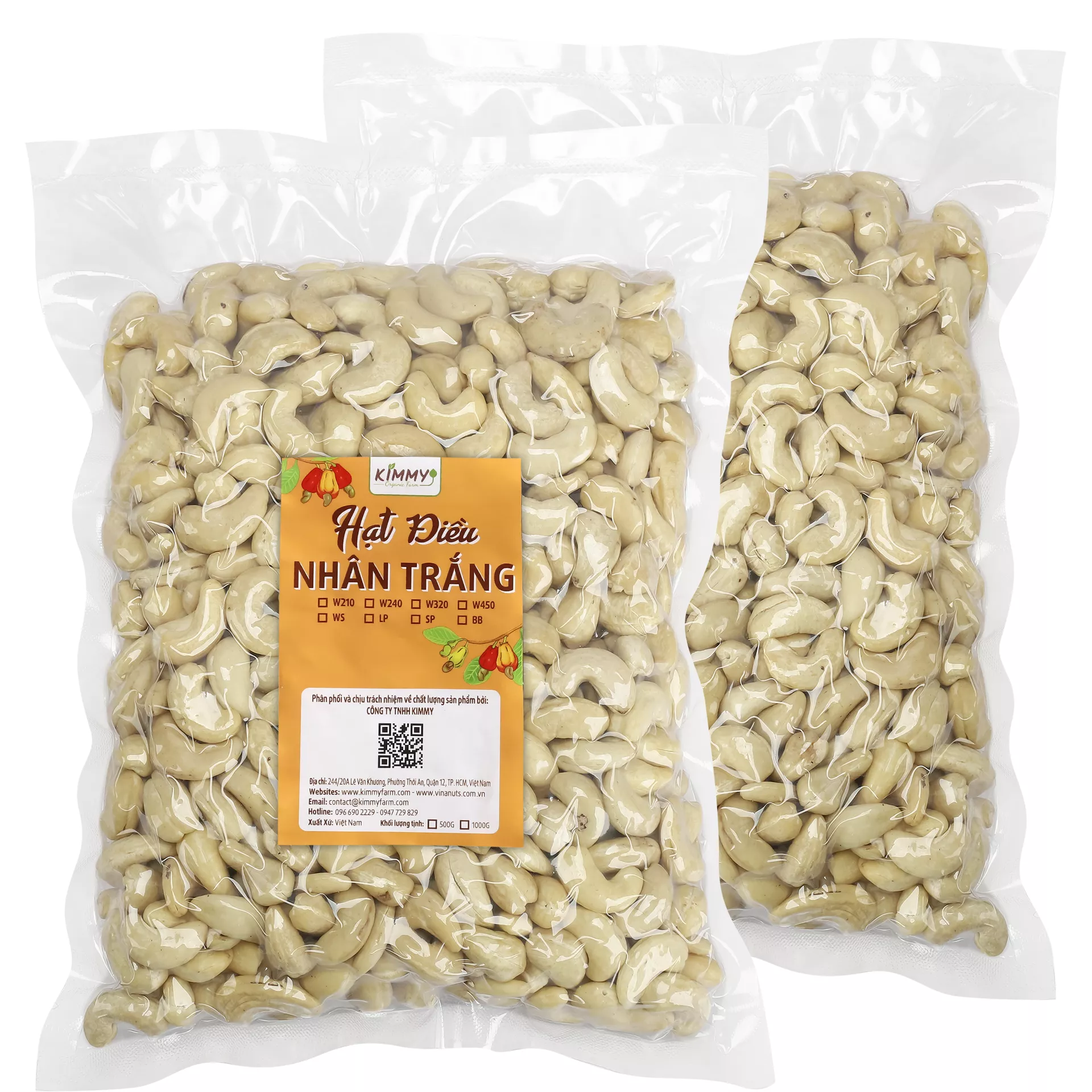
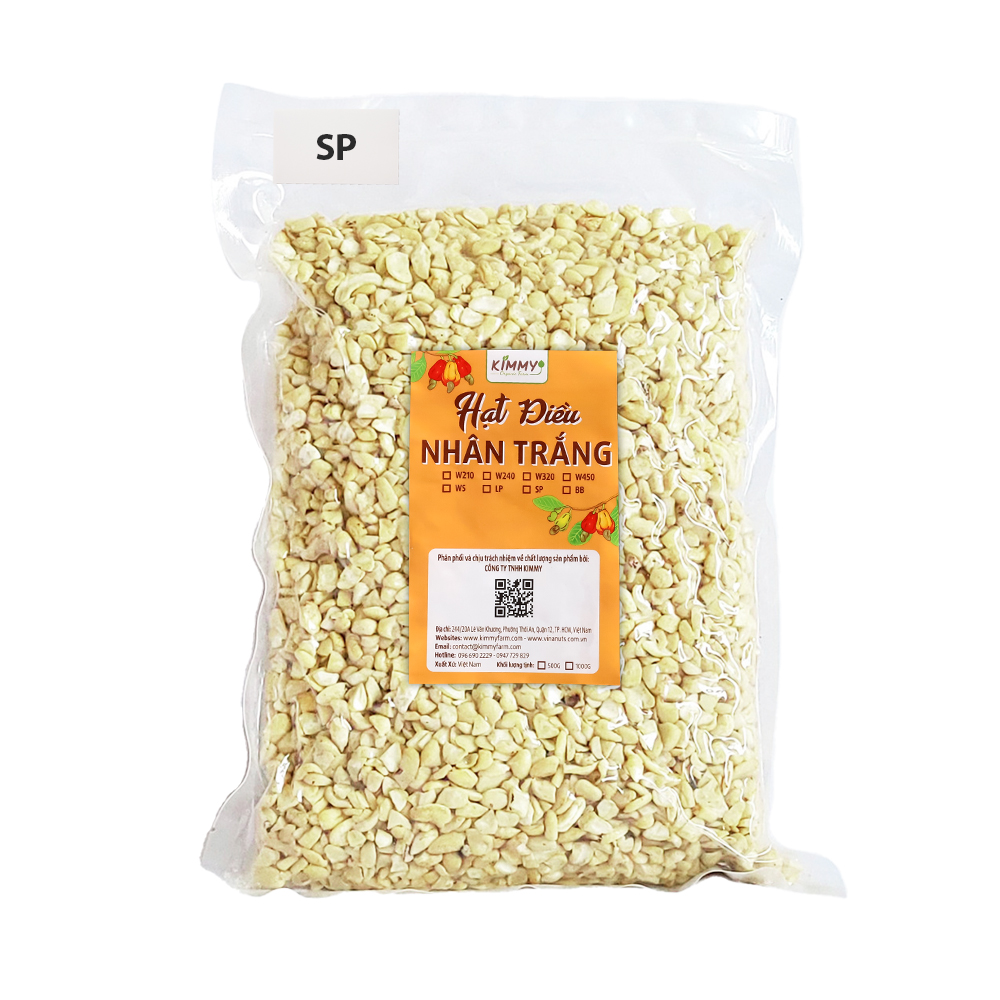
Some cashew kernel products from Binh Phuoc Cashew Nuts:
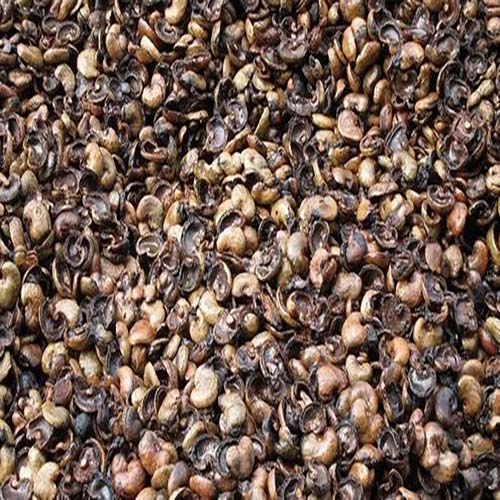
- Raw Cashew Nuts
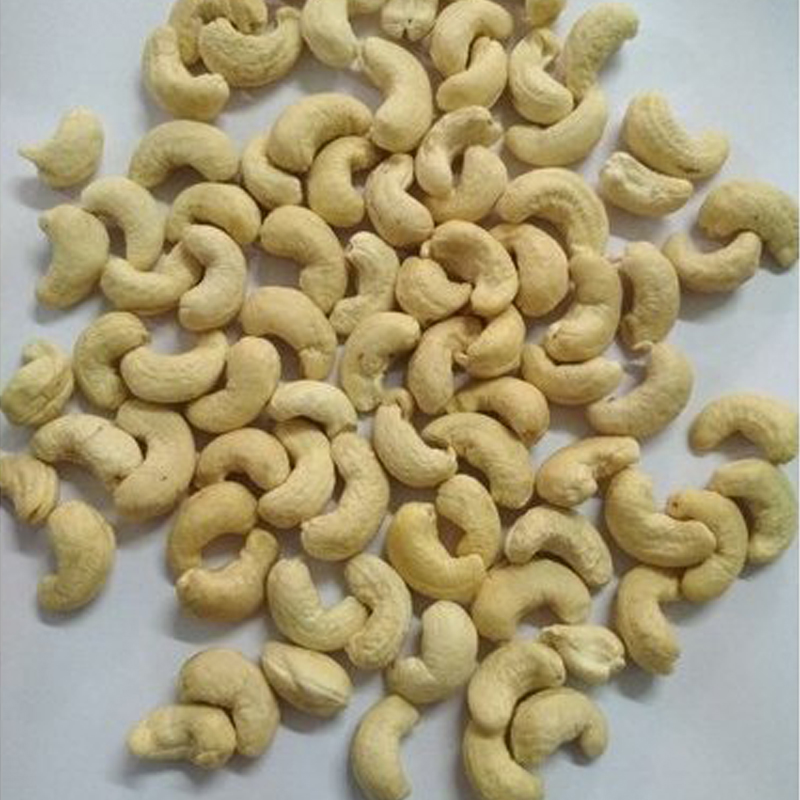
- WW240 White Cashew Kernels
- WW320 White Cashew Kernels
- WW450 White Cashew Kernels
- WS White Split Cashew Kernels
- WB White Butt Cashew Kernels

Chúng tôi là một thương hiệu chuyên sản xuất, thương mai và xuất khẩu các mặt hàng nông sản của Việt Nam. Chúng tôi có vùng trồng điều & nhà máy điều ở Bình Phước, trại nuôi ruồi lính đen ở Tây Ninh. Các mặt hàng xuất khẩu chính của Công ty là: hạt điều, hạt điều nhân, ruồi lính đen,… từ Việt Nam.