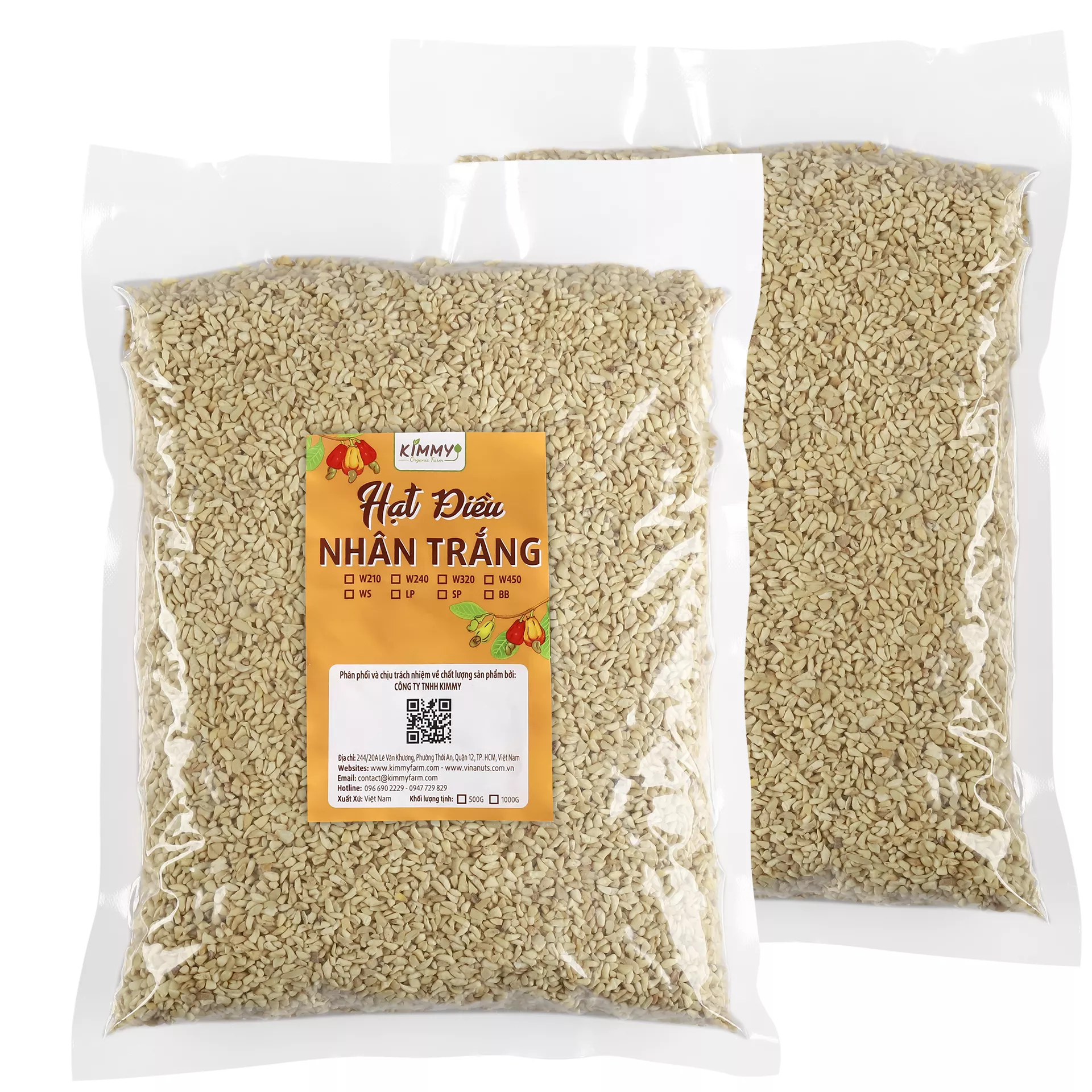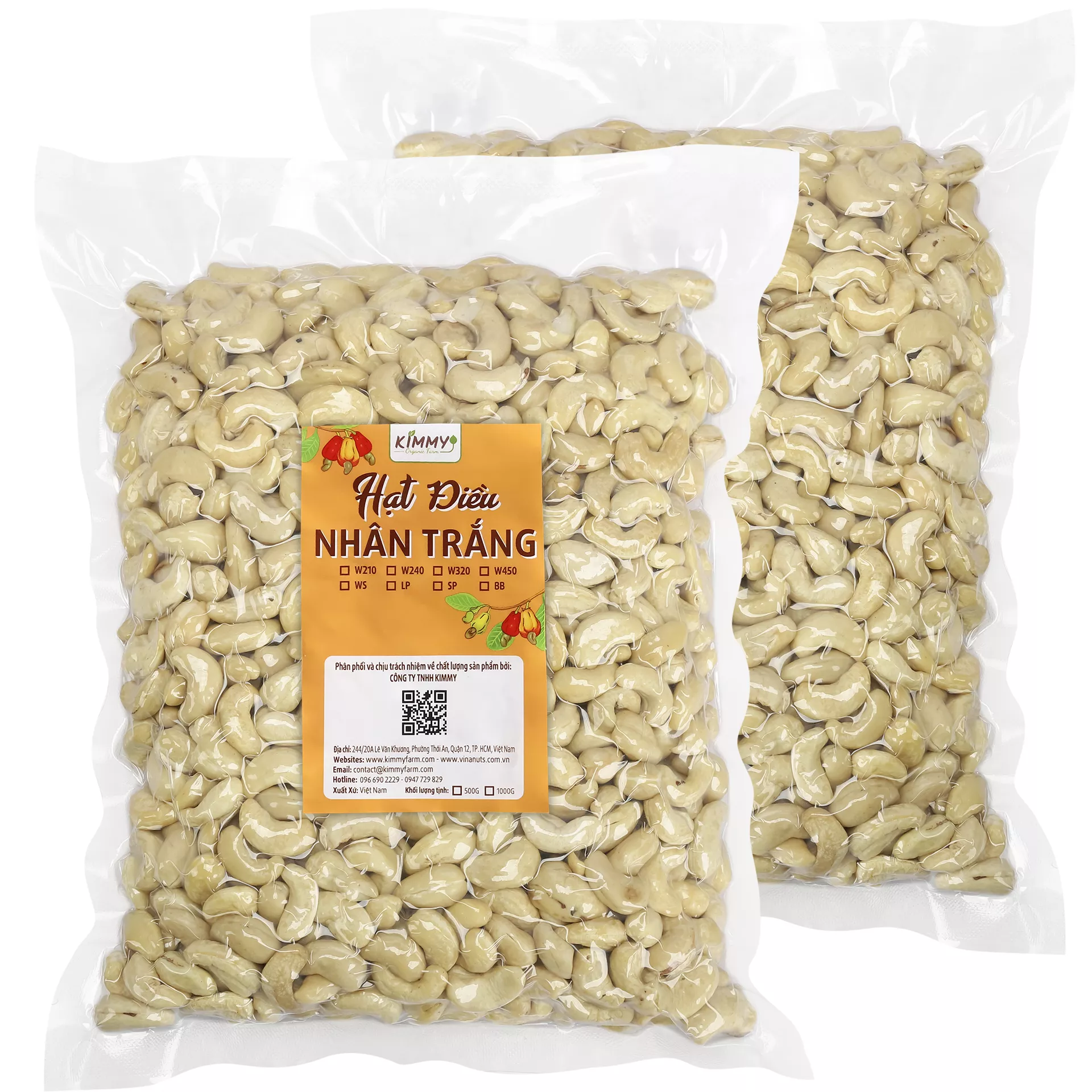
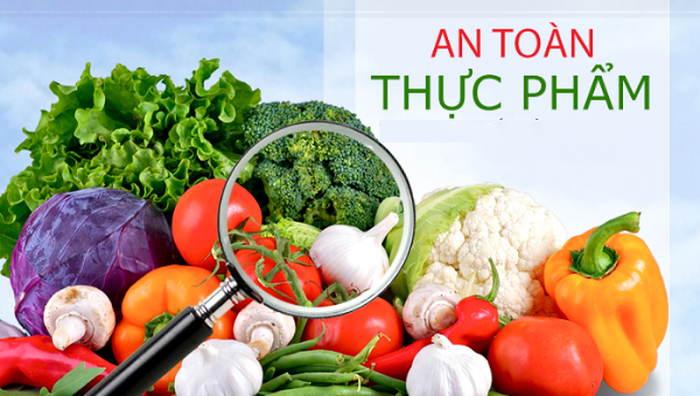
Food hygiene and safety, often called food safety, refers to the proper handling, processing, preservation, and storage of food to prevent foodborne illness. It also includes the habits, procedures, and hygiene practices that must be followed during production to reduce serious health risks.
In Vietnam, businesses that produce or process food are usually required to obtain a Certificate of Food Safety Eligibility, often referred to in Vietnamese as Giấy Chứng Nhận Vệ Sinh An Toàn Thực Phẩm.
Related articles about cashew standards:
- AFI Standard and Export Specifications for Cashew Kernels
- Vietnam Cashew Kernel Standard TCVN 4850:2010
- Types of Cashew Kernels, Standards, and Classification Methods
- HACCP Food Safety Certification for the Cashew Industry
- ISO 22000 Certification in Food Safety
- Vietnam Food Safety Certificate for the Cashew Industry
What Is Vietnam’s Food Safety Certificate?
Vietnam’s Food Safety Certificate for the cashew industry is a certification that confirms a food processing facility, especially a facility that produces cashew products, meets the food safety requirements inspected and approved by the competent authorities in Vietnam.
This certificate is issued by an authorized state agency to food production and trading facilities that can prove their products have clear origin, proper production control, and safe hygiene conditions. It shows that the food produced by the business is safe for consumer health when used correctly.
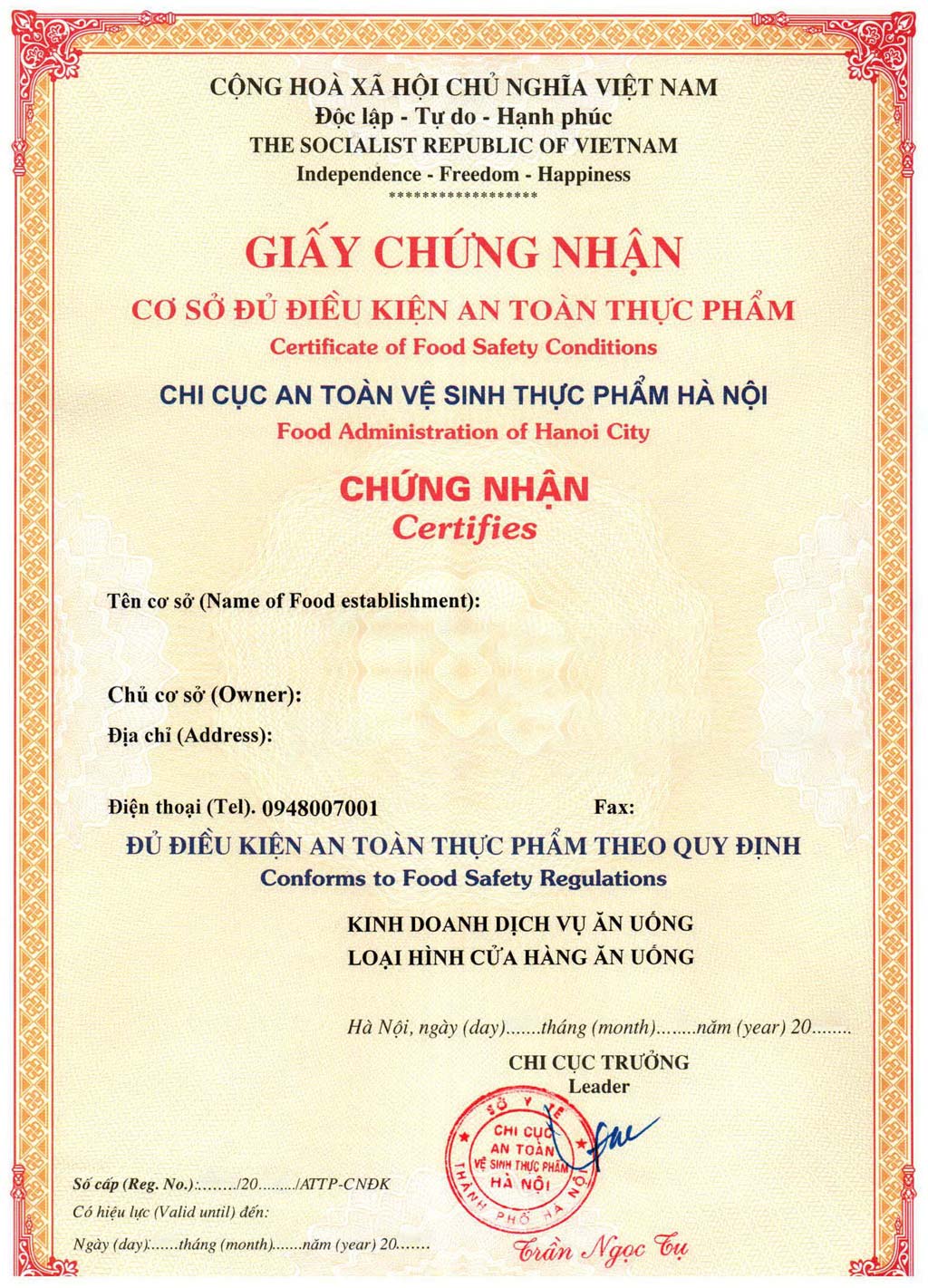
Vietnam’s Food Safety Certificate confirms that a food processing facility meets food safety requirements inspected by competent Vietnamese authorities.
Conditions for Obtaining a Vietnam Food Safety Certificate
A food processing facility must meet several basic requirements before it can be granted a food safety certificate. For a cashew processing business, these conditions may include:
- The cashew production and processing area must be arranged to prevent cross-contamination between raw materials and processed products.
- The facility must have enough clean water that meets technical standards for cashew processing and business operations.
- The production area must have proper tools and containers for collecting waste and by-products during cashew production.
- Drainage systems in the factory and cashew processing area must be clear, clean, and free from stagnant wastewater.
- Warehouses used for storing cashew products must be airy, cool, well-lit, clean, and protected from insects and harmful animals.
- Equipment used for cashew preservation and processing must be clean and maintained regularly.
- Restrooms, handwashing areas, and waste collection areas for employees must be cleaned every day.
- The head of the cashew processing facility must be responsible for ensuring food safety.
- The company must have food production or food trading registered in its business registration certificate.

Conditions for obtaining a Vietnam Food Safety Certificate are clearly regulated under Vietnamese law.
Why Is a Food Safety Certificate Important?
For Consumers
A Food Safety Certificate gives consumers more confidence that the food processing facility follows proper hygiene and safety standards. In today’s market, where food quality can vary greatly, this certificate helps customers better identify businesses that care about safe production and consumer health.
For Food Processing Companies
For food production and processing businesses, the certificate is not just a formality. It is an important legal basis that requires companies to be transparent about food hygiene and safety with state authorities.
For cashew companies, this certificate helps show that their production process meets food safety requirements before products are sold on the market. It can also improve trust with customers, distributors, and business partners.

Required Documents for a Food Safety Certificate Application
To apply for a Certificate of Food Safety Eligibility, a business usually needs to prepare the following documents:
- An application form requesting the Certificate of Food Safety Eligibility.
- A copy of the business registration certificate.
- A written explanation of the facility, equipment, and tools used to meet food hygiene and safety requirements under the rules of the competent state authority.
- Health certificates for the facility owner and employees who directly produce or trade food, issued by a district-level or higher medical facility.
- Certificates confirming that the facility owner and direct food production or trading staff have completed food safety training as required by the relevant authority.
Process for Obtaining a VSATTP Certificate
- Step 1: Submit the application to the competent state authority.
- Step 2: The authority receives and reviews the application. Within 15 working days from the date of receiving a complete and valid application, the authority will inspect the actual food safety conditions at the production or business facility.
- Step 3: If the facility meets all requirements, the authority will issue the Certificate of Food Safety Eligibility.
Related Food Safety Certifications
Some food production and processing facilities may be exempt from applying for a separate VSATTP certificate if they already hold certain valid food safety certifications. These may include:
- VSATTP: Vietnam Food Safety Certificate.
- HACCP: Hazard Analysis and Critical Control Points.
- SQF: Safe Quality Food certification.
- FSSC: Food Safety System Certification.
- BRC: British Retail Consortium Global Standard for Food Safety.
- GFSI: Global Food Safety Initiative.
- ISO 22000: International food safety management system standard developed by the International Organization for Standardization.
- GMP: Good Manufacturing Practices certification.
Why This Certificate Matters for the Cashew Industry
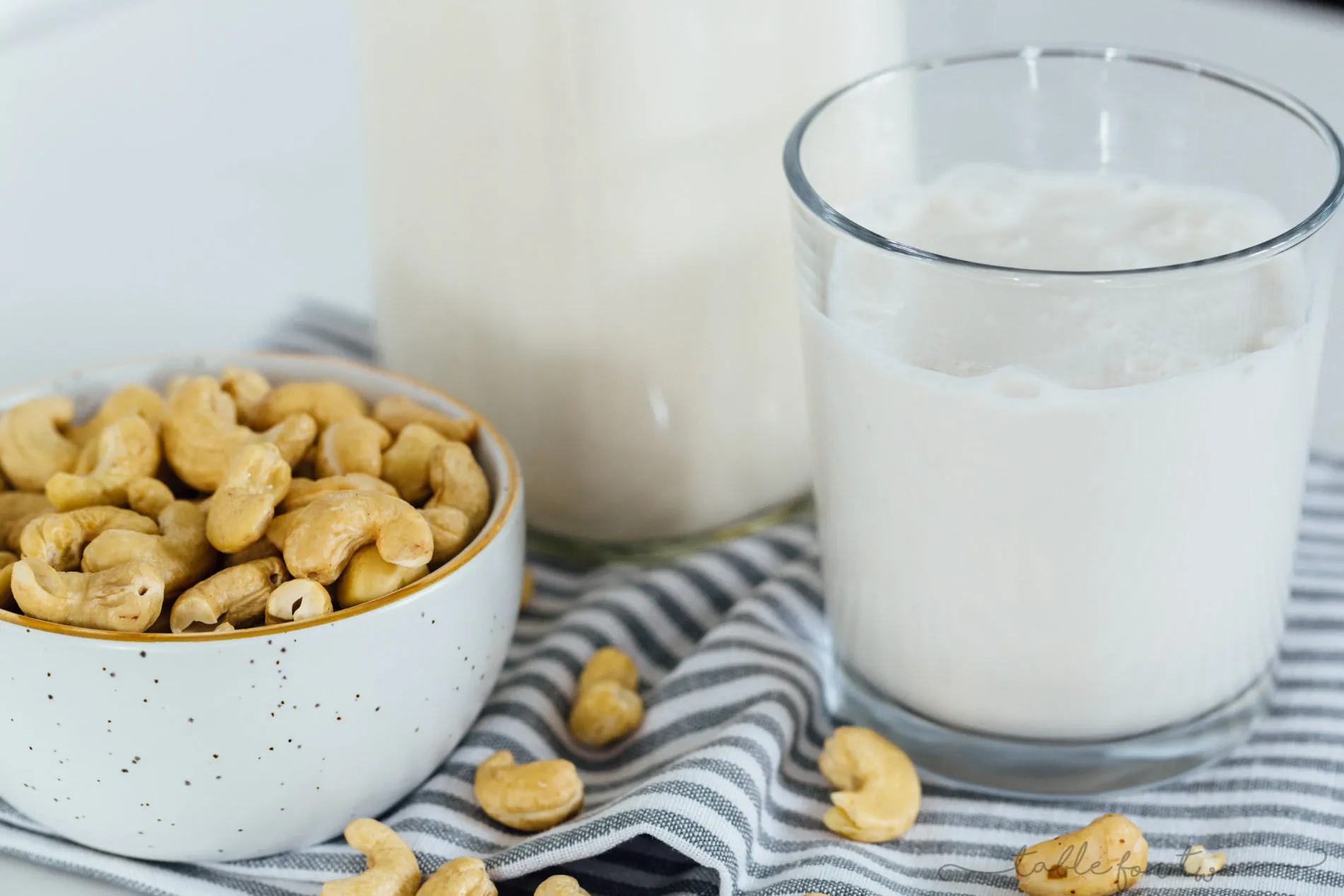
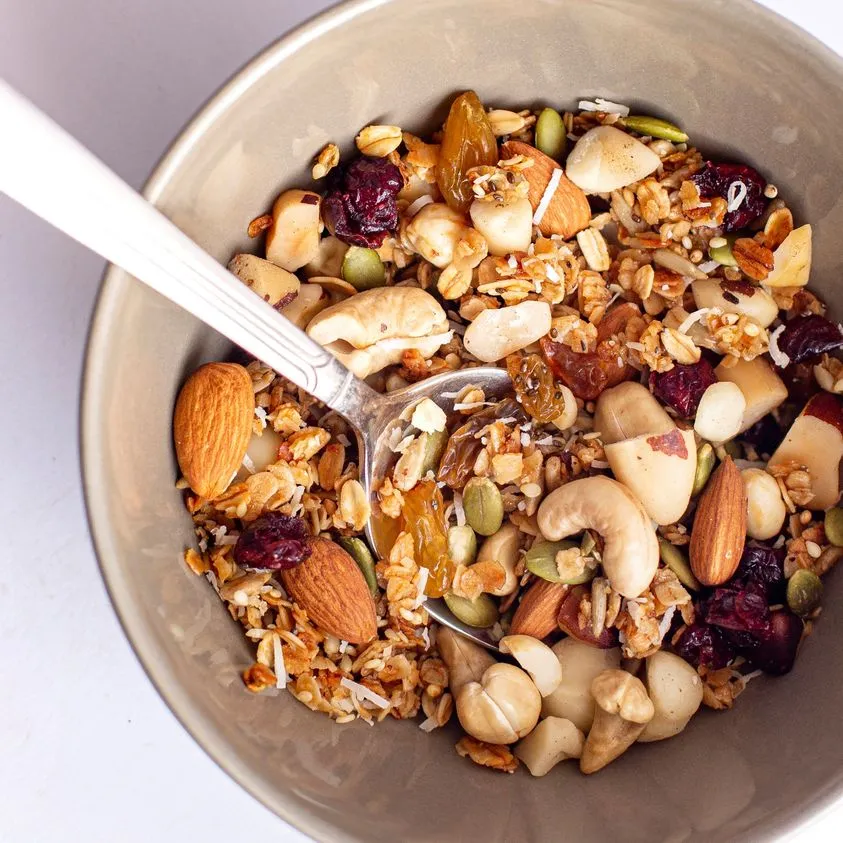
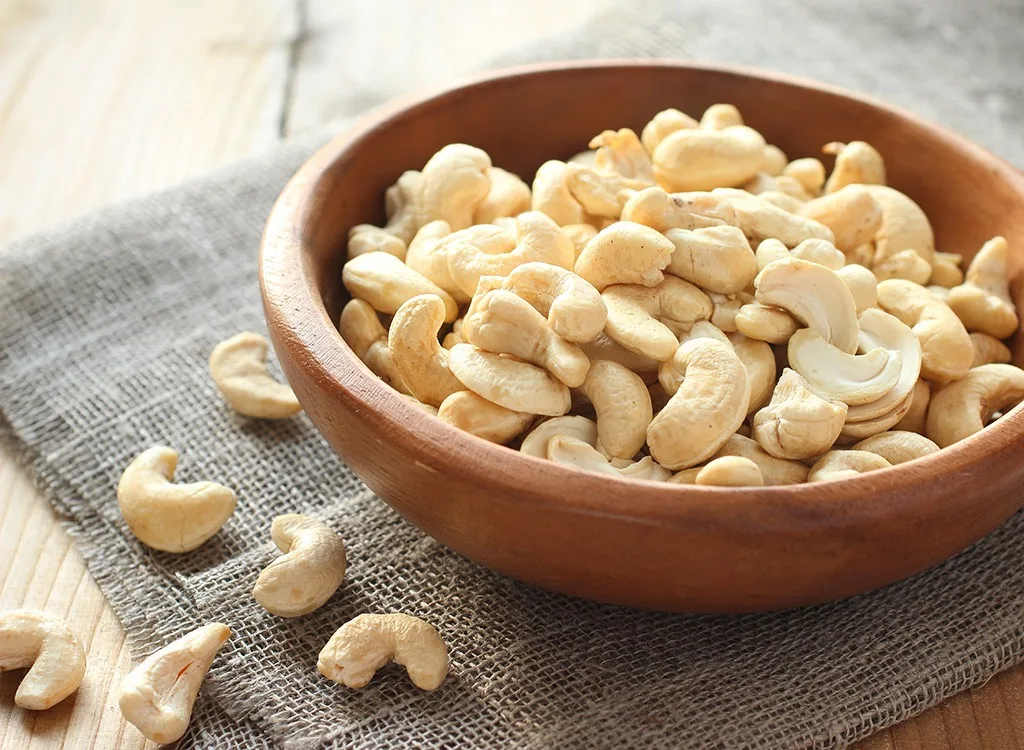
Cashew products are widely used in snacks, bakery ingredients, nut milk, nut butter, confectionery, and export goods. Because of that, food safety is a key factor in building trust with customers and business partners.
For a cashew processing factory in Vietnam, the Food Safety Certificate helps prove that the facility has proper hygiene control, safe production conditions, and legal permission to operate in the food sector. It also supports long-term business growth by making the company more reliable in both domestic and export markets.
In short, this certificate is not only a legal requirement. It is also a practical way for cashew businesses to show responsibility, protect consumers, and strengthen their reputation in the food industry.
Chúng tôi là một thương hiệu chuyên sản xuất, thương mai và xuất khẩu các mặt hàng nông sản của Việt Nam. Chúng tôi có vùng trồng điều & nhà máy điều ở Bình Phước, trại nuôi ruồi lính đen ở Tây Ninh. Các mặt hàng xuất khẩu chính của Công ty là: hạt điều, hạt điều nhân, ruồi lính đen,… từ Việt Nam.