Pangasius fish oil is a nutritious oil that can be used in many food and health-related applications. However, producing a large quantity of natural pangasius oil requires strict control from raw material preparation to oil pressing and refining.
The production process must not only meet food safety and hygiene standards, but also preserve the nutritional quality of the oil. So, how is pangasius fish oil produced in industrial processing? Let’s take a closer look at the basic pangasius fish oil production process used by manufacturers.
=> Read more: What Is Pangasius Fish Oil? Its Benefits for Human Health
Pangasius Fish Oil Production Process
Based on common industrial practices, the production of pangasius fish oil can be divided into two main methods: a simple process, also known as heat pressing, and a high-tech process, often based on enzyme extraction.
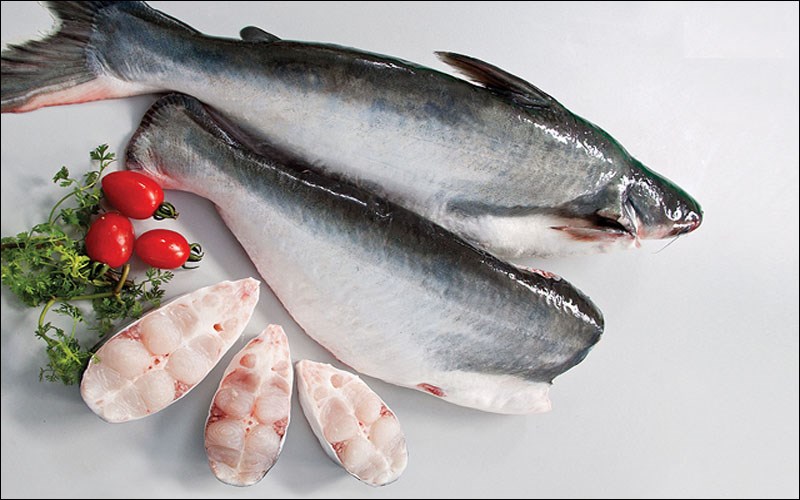
Pangasius fish oil is usually extracted from fish by-products such as belly flaps, heads, internal organs, and other fatty parts. These are parts of the fish that contain a high amount of oil but are often left over during fish fillet processing.
Using these by-products to extract oil brings significant economic value. Although there are several methods of extracting fish oil on the market, heat pressing remains one of the most common industrial methods.
Pangasius fish oil can be extracted by:
- Method 1: Fish oil extraction by heat pressing
- Method 2: Fish oil extraction by enzyme treatment
=> Read more: What Is Pangasius Fish Oil? Its Benefits for Health
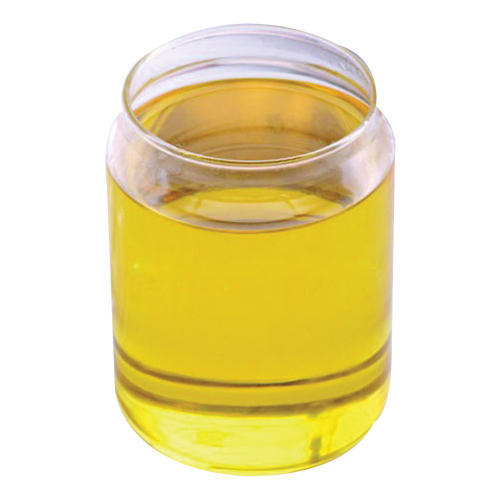
Pangasius fish oil is a nutritious oil used in many food and industrial applications.
Basic Heat Pressing Process for Fish Oil Extraction
A widely used industrial method for fish oil extraction is heat extraction. In this process, raw materials, mainly pangasius by-products, are cooked and pressed to recover the oil.
Basic processing flow: Preparation > Cooking > Pressing > Oil filtration.
- Step 1: Preparation – The intestines and unwanted parts are separated. The pangasius by-products are then cleaned manually or with industrial washing equipment to reduce impurities and fishy odor.
- Step 2: Cooking – The fish materials are usually steamed to help retain moisture and release the oil more efficiently. A common cooking condition is around 95°C for about 25 minutes, depending on the raw material and equipment.
- Step 3: Oil pressing – A pressing machine is used to extract liquid from the cooked fish material. The extracted liquid contains both oil and water. The remaining fish solids can be used as raw materials for livestock, poultry, or aquaculture feed.
- Step 4: Fish oil filtration – The oil-water mixture is separated. Since oil is lighter than water, it naturally floats to the surface. In industrial production, manufacturers often use centrifugal separators to improve oil separation efficiency and obtain cleaner pangasius fish oil.
=> Read more: Is Pangasius Good for You? Nutritional Value of Pangasius
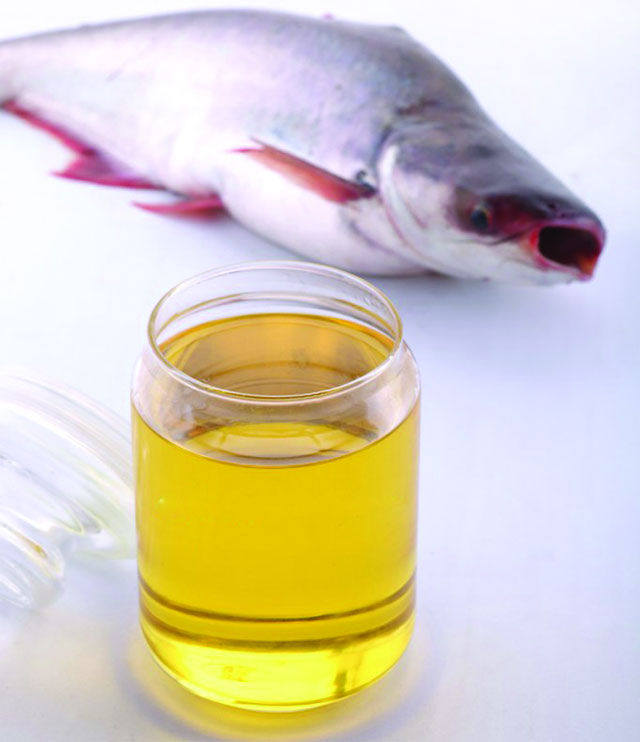
Oil extracted from pangasius is rich in nutrients and is used widely in the food industry.
Detailed Heat Pressing Process for Pangasius Fish Oil
Detailed processing flow: Preparation > Grinding > Heating > Pressing > Residue separation > Water evaporation > Final heating and oil collection.
- Step 1: Preparation – Similar to the basic process, pangasius by-products are sorted and cleaned using industrial equipment. This helps reduce unwanted odor and improve the quality of the final oil.
- Step 2: Grinding – The cleaned fish materials are crushed or ground. This helps increase the contact surface, making cooking faster and oil release more efficient.
- Step 3: Heating – After grinding, the material is heated at around 100°C for about 20 minutes. Heating helps break down the fish structure and release oil from the raw material more effectively.
- Step 4: Oil pressing and separation – After heating, the mixture usually separates into three layers: fish oil, water, and solid residue. Instead of relying only on natural layer separation, modern producers often use centrifugal separation. This improves productivity and produces cleaner oil in a shorter time.
- Step 5: Residue separation – This stage, often called oil refining, helps remove remaining solid particles and reduce the fishy odor in the oil.
- Step 6: Water evaporation – After solid residues are removed, the oil may still contain water. Manufacturers use evaporation equipment to separate moisture from the oil.
- Step 7: Oil collection – The final oil is gently heated to prevent solidification and make it easier to process, store, or use in consumer products.
=> Read more: Useful Parts of Pangasius in the Food Industry
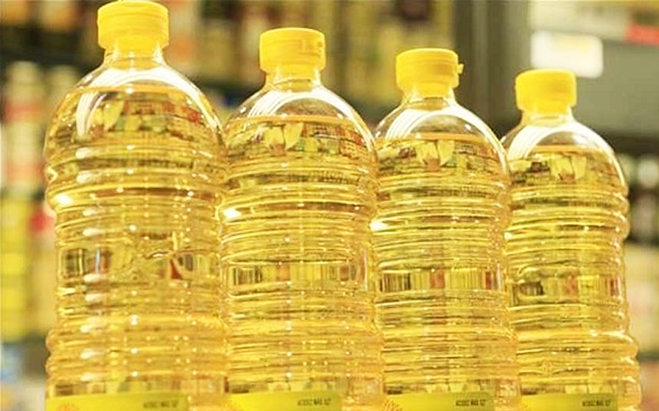
The detailed heat pressing process is one of the most commonly used methods in industrial fish oil production.
Applications of Pangasius Fish Oil in Daily Life
Processing into Cooking Oil
In addition to being used as a nutritional fish oil, pangasius oil can also be processed for use as an alternative to some common cooking oils.
Many health experts recommend choosing suitable fish oils or plant-based oils instead of heavily processed industrial fats. However, because high-quality fish oil is limited and more valuable, it is often used as a nutritional ingredient rather than a main cooking oil in large quantities.
=> Read more: High-Quality Vietnamese Pangasius for Export at Competitive Prices
Pangasius fish oil can be used as an alternative oil source in some food applications.
Used in Nutritional Supplements
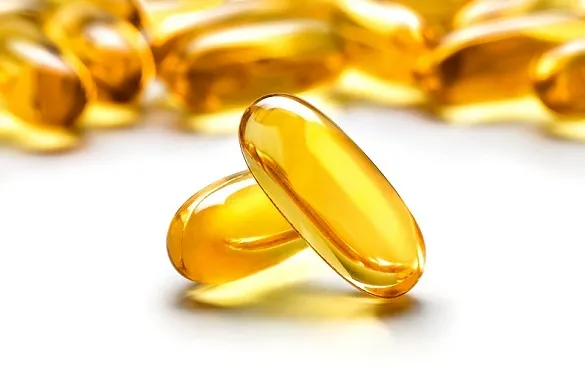
Manufacturers know that pangasius fish oil contains omega-3 and omega-6 fatty acids, so it can be used to produce dietary supplements that support eye health, skin health, and hair care.
Fish oil capsules are often promoted for their role in supporting heart health and brain function. Pangasius oil can also be used in nutritional products for people with dry skin or those who want to supplement essential fatty acids as part of a balanced diet.
However, fish oil supplements should be used properly and should not replace medical treatment.
=> Read more: Vietnamese Pangasius Products
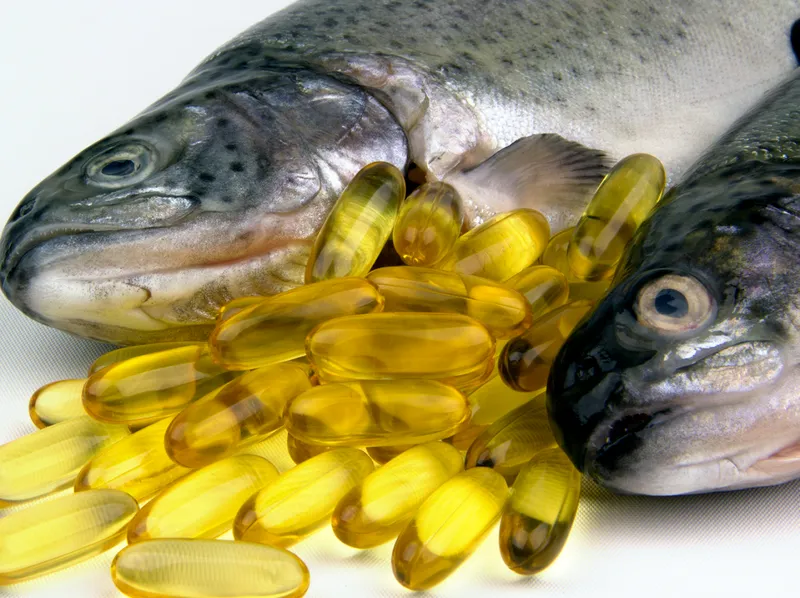
Fish oil capsules can be produced from pangasius fish oil and used as nutritional supplements – Kimmy Farm Vietnam
Used in Consumer Food Products
Pangasius fish oil can be divided into two common forms: liquid oil and solid fat.
Liquid pangasius oil can be used directly in certain food applications, including cooking oil and nutritional oil products. Solid pangasius fat is often supplied to the food processing industry for products such as instant noodles, baked goods, margarine, and other processed food applications.
Two common types of pangasius fish oil are:
- Liquid pangasius oil: commonly used for cooking oil and nutritional food applications.
- Solid pangasius fat: commonly used in instant noodles, margarine, baked goods, and industrial applications.
=> Read more: Is Pangasius Good for You? Nutritional Value of Pangasius
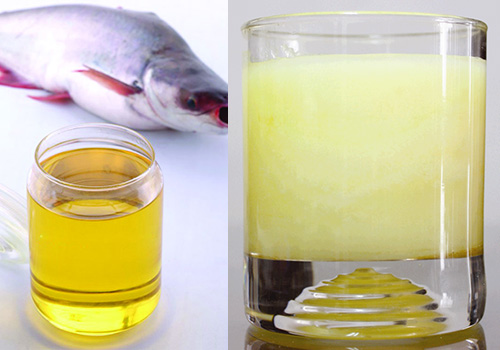
Pangasius fish oil can be divided into liquid oil and solid fat – Kimmy Farm Vietnam
Used in Cosmetics
In recent years, oil extracted from basa and pangasius fish fat has also been explored for use in the high-value cosmetics industry.
In France and some European countries, many cosmetic brands highlight “palm oil-free” products because palm oil is a low-cost oil source and is sometimes viewed critically by consumers. Pangasius fish oil, on the other hand, naturally contains nutrients such as omega-3, omega-6, omega-9, vitamin A, and vitamin E, which are commonly associated with skin care.
Pure pangasius fish oil may be used in cosmetic formulas designed to support skin moisture, elasticity, and the skin barrier. When consumed as part of a balanced diet, fish oil may also support skin health from within.
Pangasius fish oil is increasingly being explored and used in the cosmetics industry.
Used as Fishing Bait
Can pangasius fish oil be used as fishing bait? Yes, it can.
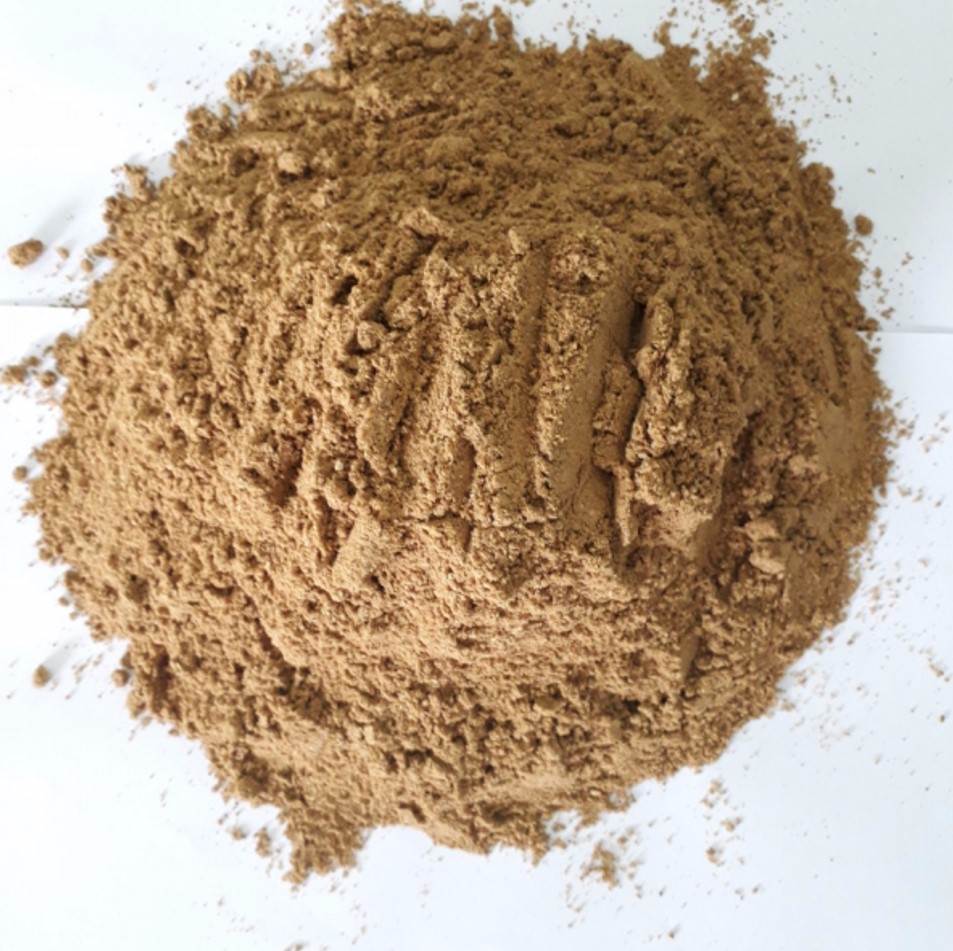
To make fishing bait, people often mix rice bran with unrefined pangasius fish oil. The natural fishy smell helps attract fish, while the thick texture of pangasius oil helps bind the bait mixture together.
Solid pangasius oil mixed with rice bran creates a sticky mixture that clings better to hooks and helps reduce material waste during fishing.

Rice bran mixed with pangasius fish oil can be used as fishing bait – Kimmy Farm Vietnam

Chúng tôi là một thương hiệu chuyên sản xuất, thương mai và xuất khẩu các mặt hàng nông sản của Việt Nam. Chúng tôi có vùng trồng điều & nhà máy điều ở Bình Phước, trại nuôi ruồi lính đen ở Tây Ninh. Các mặt hàng xuất khẩu chính của Công ty là: hạt điều, hạt điều nhân, ruồi lính đen,… từ Việt Nam.