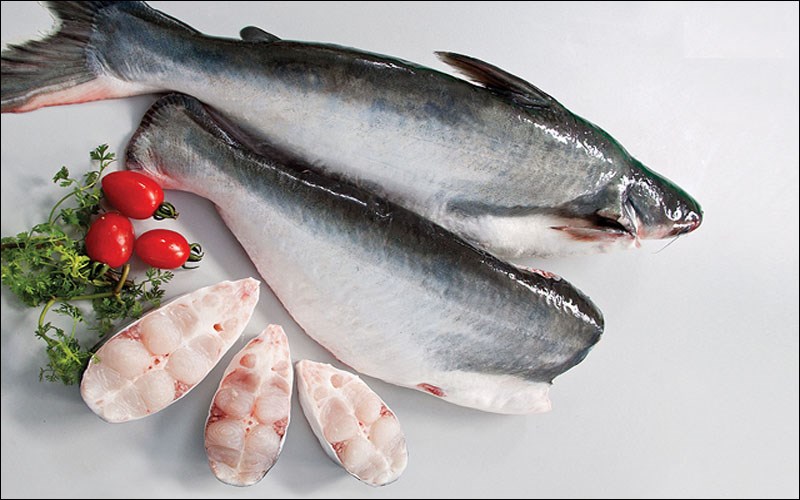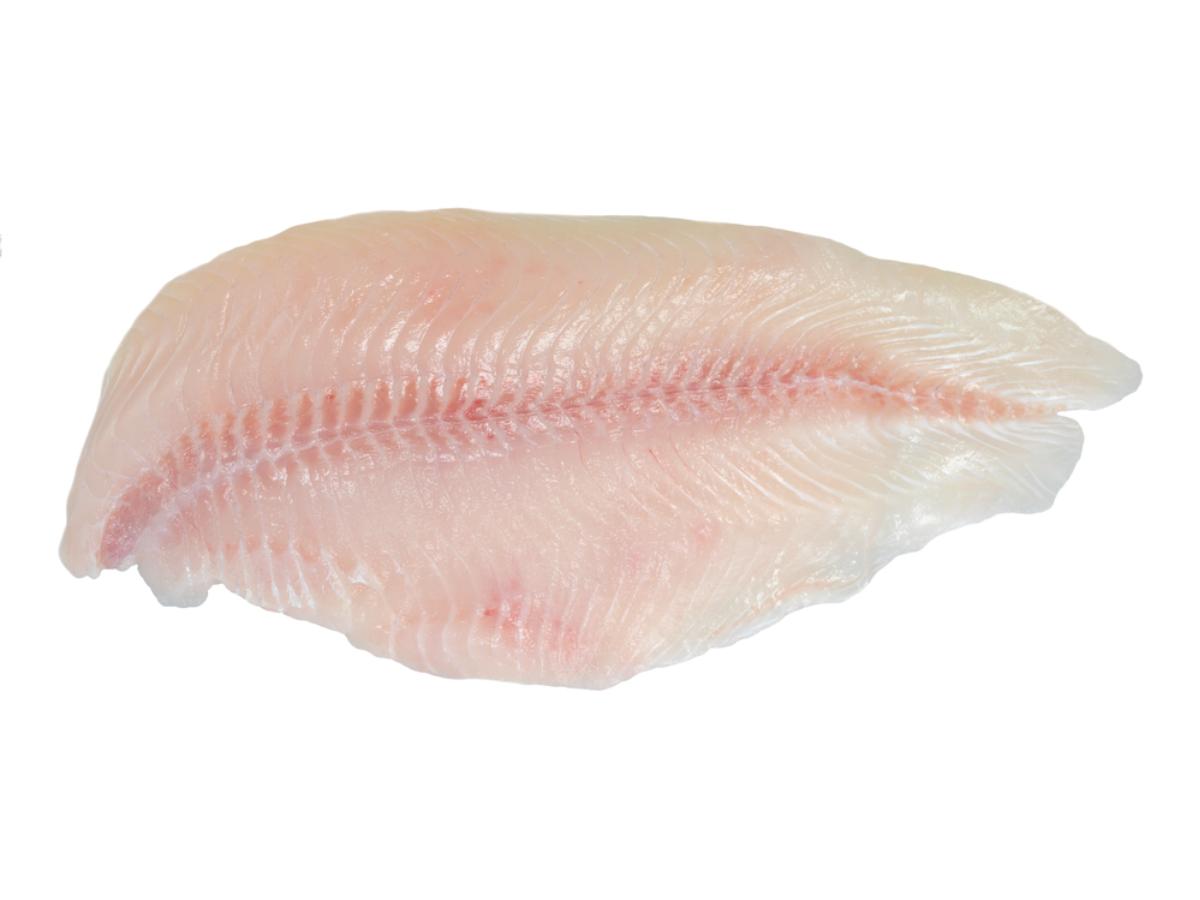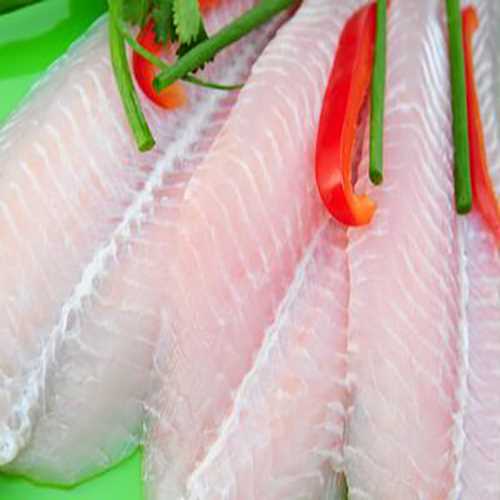
Vietnamese pangasius is a valuable source of nutrition and an important product in the seafood industry. From pangasius, producers can obtain pangasius fillets, belly meat, fins, red meat scraps, and many other raw materials for different uses.
Besides being an affordable source of animal protein, pangasius also provides many commercial by-products, such as fish oil, fish meal, collagen, gelatin, and organic fertilizer for agriculture.
However, to make better use of these materials, we first need to understand what pangasius by-products are, how they are processed, and how they can be used in food, feed, agriculture, medicine, and other industries. Let’s explore this topic with Kimmy Farm in the article below.
What Are Pangasius By-Products?
Pangasius by-products, also known as pangasius processing waste or secondary materials, are the parts left after fish are cleaned and processed for main products such as fish fillets, fins, skin, and stomach.
The remaining parts may include fish heads, intestines, bones, gills, internal organs, dark meat, belly fat, scales, tails, and small meat scraps. These materials can become valuable aquatic by-products for use in many sectors, including industry, agriculture, animal feed, food processing, and medicine.
In Vietnam, especially in the Mekong Delta, pangasius production reaches around 1.5 million tons per year. After fish are processed for fillets, the amount of by-products can account for about 30% to 70% of the total fish weight, depending on the processing method and product type.
To reduce waste and make better use of this valuable raw material, fish processing factories have improved many processing methods, such as salting, drying, and smoking. These methods help extend shelf life, diversify pangasius products, and reduce waste. Even so, the volume of pangasius by-products remains very large.
For this reason, factories now use different methods to turn pangasius by-products into value-added products, including animal feed ingredients such as fish meal and fish oil, biofuel and biogas, nutritional products, pharmaceutical ingredients such as omega-3 oil, fish skin products, fish silage, and organic fertilizer.
=> Read more: Source of Pangasius Waste, Pangasius Intestines, and Fish By-Products
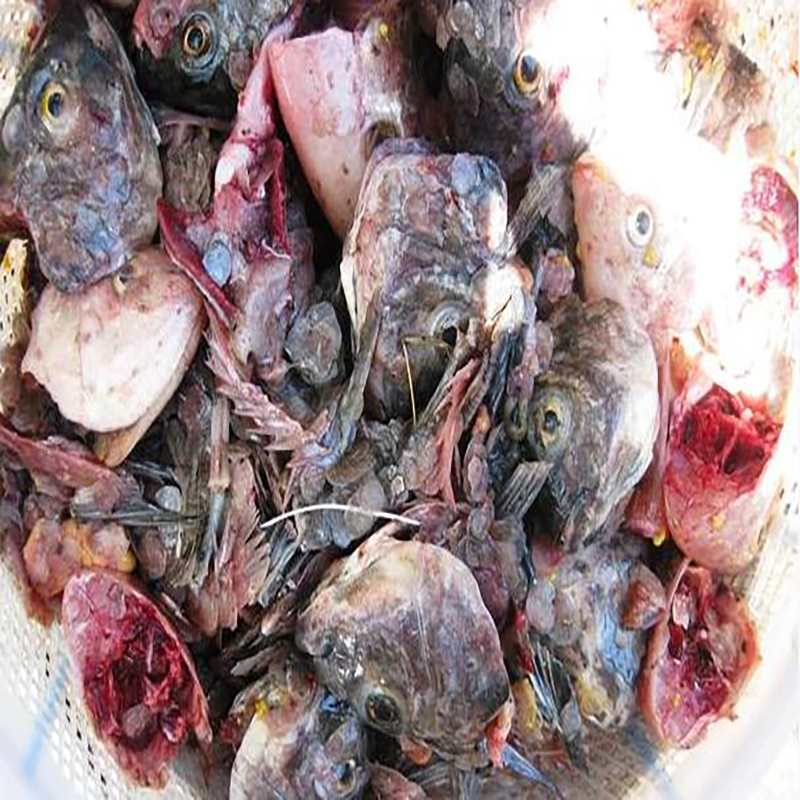
Fish by-products include bones, fins, intestines, internal organs, scales, small meat scraps, fish heads, tails, dark meat, belly fat, and belly fins – Kimmy Farm Vietnam
Applications of Pangasius By-Products
Pangasius by-products were once considered low-value waste. Today, they have become useful raw materials for many industries, especially animal feed production.
In Vietnam, the abundant supply of pangasius by-products from the Mekong Delta is now used to produce many high-value products, such as fish meal for livestock, fish oil, fertilizer, and other animal feed ingredients.
Fish Meal
Pangasius fish meal is commonly used as animal feed. Fish meal can be made from whole fish, fish scraps, or pangasius processing by-products.
With a protein content of about 60% to 75%, pangasius fish meal is in high demand among animal feed producers, especially for livestock feed and aquaculture feed. It can be used directly, fermented, or mixed with other feed ingredients.
Today, pangasius fish meal is also used as an alternative to marine fish meal in aquaculture. This helps reduce feed costs and eases pressure on fish farmers who face rising feed prices.
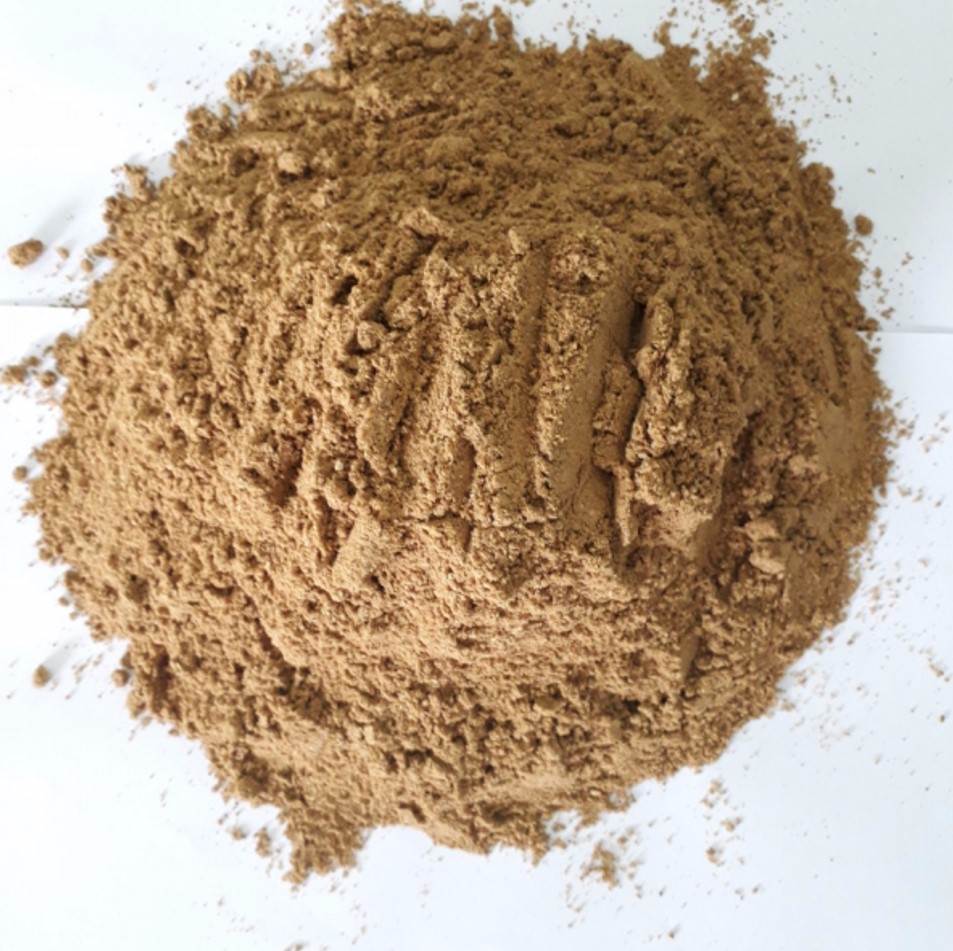
Pangasius fish meal can be produced from whole fish, fish meat scraps, or pangasius processing by-products.
Fish Oil
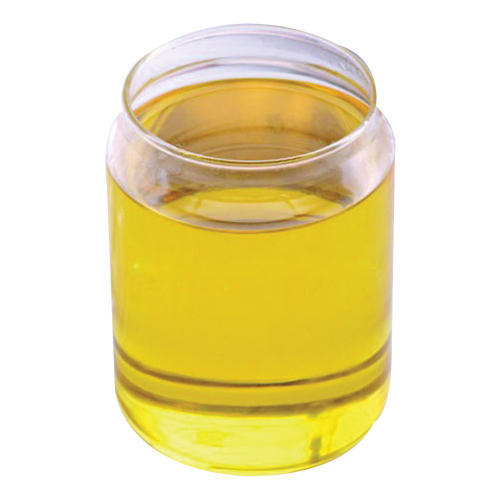
Pangasius fish oil is an important source of fatty acids and can be used in animal feed, pharmaceuticals, paint, resin, and human food products such as margarine, pastries, and dietary supplements.
Pangasius fish oil contains many nutrients that may support health, including:
- Omega-3 and omega-6 fatty acids
- Vitamins E, A, and D
- Protein
- Unsaturated fatty acids such as DHA
- Glycerin
- And other nutritional components
=> Read more: What Is Pangasius Fish Oil? Its Benefits for Human Health
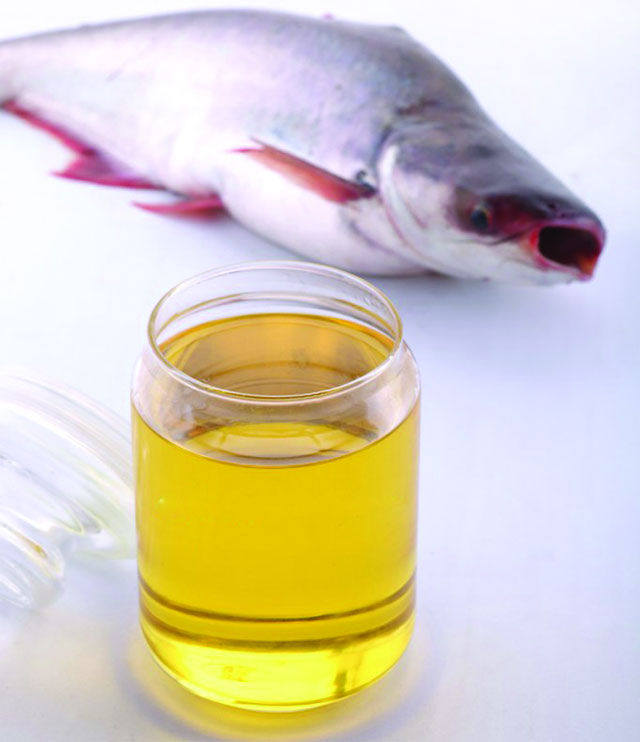
Oil extracted from pangasius is rich in nutrients – Kimmy Farm Vietnam
Other Products Made from Pangasius By-Products
Demand for fish-based ingredients is increasing because they can be used in many food, feed, pharmaceutical, and industrial applications. While milk and plant proteins are more widely available, fish-derived proteins still have an important place in the market.
Collagen
Collagen is a fibrous protein product and a major component of connective tissue. Today, collagen has been successfully extracted from pangasius skin and fins, and it is becoming increasingly popular.
Pangasius collagen can be used in cosmetics, wound dressings, and dietary supplements. It is also commonly associated with products designed to support skin, joints, and bones.
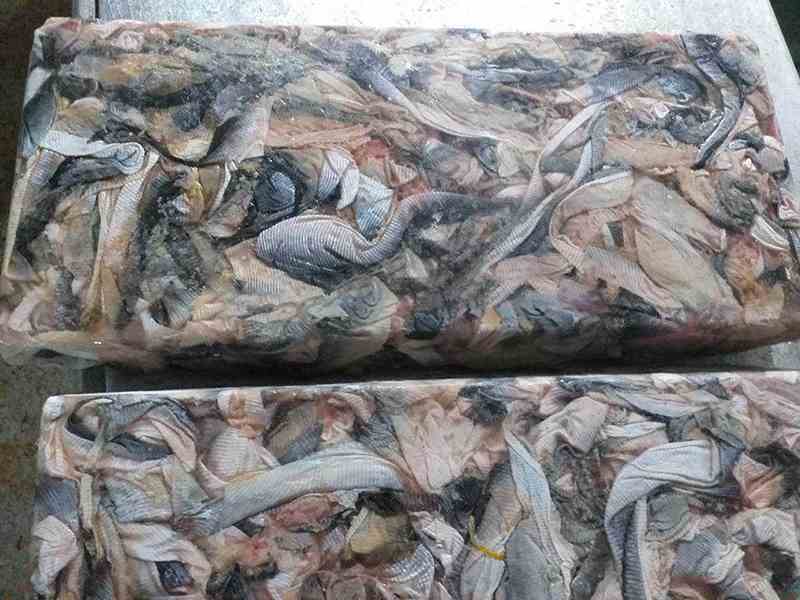
Pangasius skin is an abundant raw material for collagen extraction – Kimmy Farm Vietnam
Gelatin
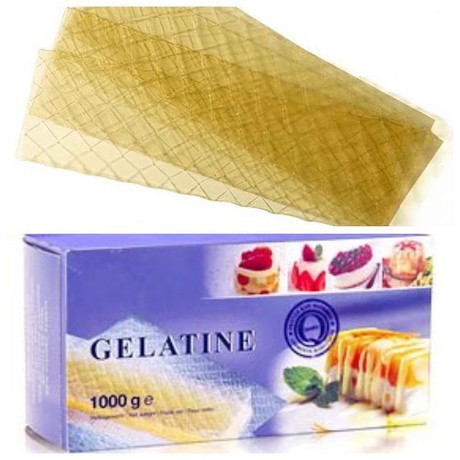
Gelatin is a water-soluble protein obtained through controlled hydrolysis of collagen. Because of this, gelatin can also be produced from pangasius skin and scales.
It is widely used as a stabilizer and emulsifier in the food industry. In the pharmaceutical industry, gelatin is used in capsules and packaging. It is also used in photographic film, graphic film, and X-ray film production.
In addition, gelatin can serve as a support material for stem cell culture and other biomedical applications.
Fish Silage for Animal Feed
Fish silage processing turns fish waste into a liquid mixture of hydrolyzed proteins, lipids, minerals, and other nutrients. These nutrients are easier to digest for both land animals and aquatic animals.
Fish silage can be a practical alternative to fish meal as a rich source of animal protein for feed production.
Other products such as fish skin products, fertilizer, biodiesel, and even plastic alternatives can also be produced from fish processing residues, especially internal organs, skin, scales, and bones.
A recent example from other fish species is the use of tilapia skin in burn treatment. Because tilapia skin contains high collagen levels and has a structure similar to human skin, it can be used as a temporary biological dressing to support tissue regeneration. This example shows the wider potential of fish by-products in medicine and biotechnology.
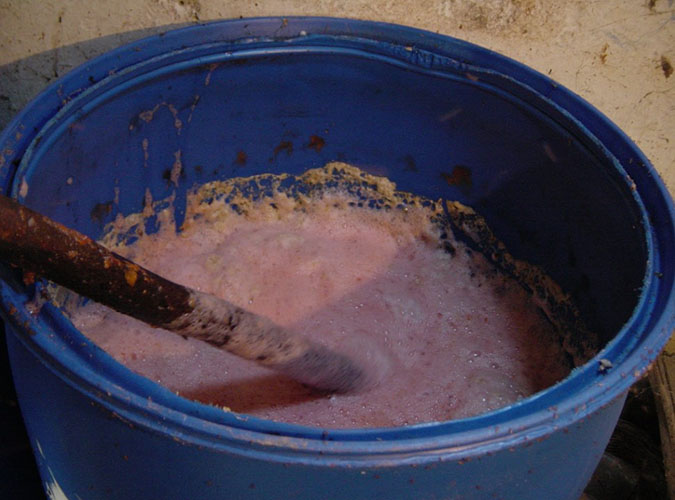
Fermenting fish by-products into animal feed in a plastic drum.
Fertilizer from Pangasius By-Products
Pangasius fish fertilizer is an organic fertilizer made from leftover pangasius by-products after processing. This type of fertilizer contains many nutrients that can support plant growth and soil health.
In many cases, unused fish waste is collected and fermented with beneficial microorganisms to create organic fertilizer. This helps reduce waste while creating useful agricultural inputs.
=> Read more: Organic Fertilizer from Black Soldier Fly Larvae Frass
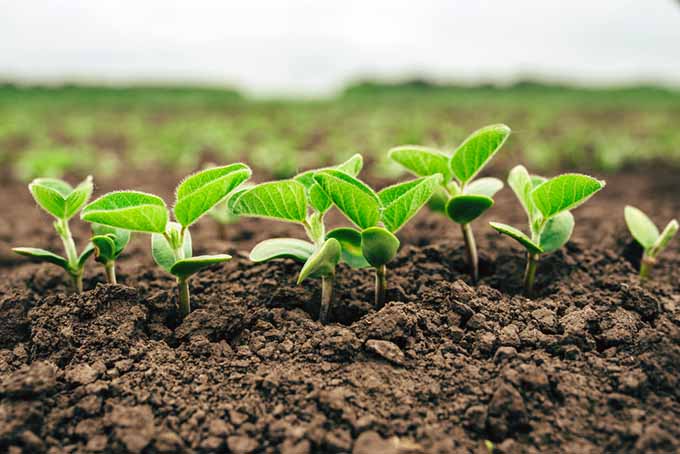
NPK fertilizer, when used correctly, can improve soil quality, support crops, and bring high economic efficiency.

Chúng tôi là một thương hiệu chuyên sản xuất, thương mai và xuất khẩu các mặt hàng nông sản của Việt Nam. Chúng tôi có vùng trồng điều & nhà máy điều ở Bình Phước, trại nuôi ruồi lính đen ở Tây Ninh. Các mặt hàng xuất khẩu chính của Công ty là: hạt điều, hạt điều nhân, ruồi lính đen,… từ Việt Nam.