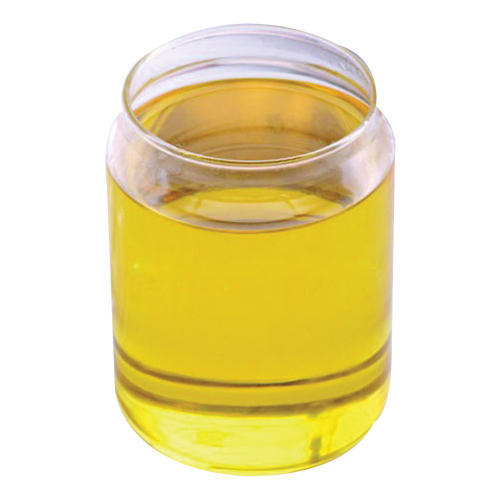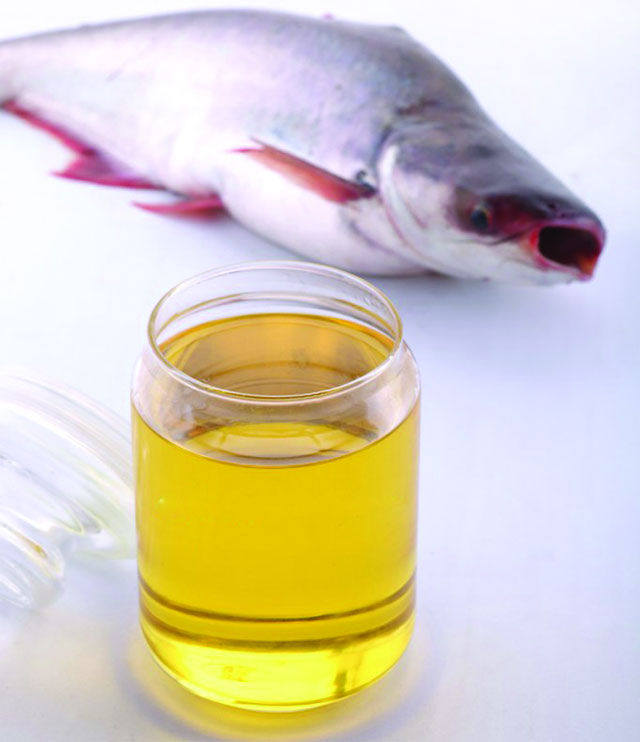
Vietnamese pangasius is a nutritious fish that contains valuable nutrients such as omega-3, omega-6, and omega-9 fatty acids. Pangasius meat is also rich in protein and beneficial amino acids that support food metabolism.
In addition, pangasius liver contains vitamins such as vitamin A and vitamin D. Pangasius fat contains a high amount of healthy fats while being relatively low in cholesterol, making it a useful food option in a balanced diet, especially for people who care about heart health and blood sugar control.
In the past, because pangasius was widely available in the Mekong Delta, many people did not fully recognize its nutritional value. Today, pangasius has become a popular product not only in Vietnam but also in international markets. It is now one of Vietnam’s key seafood export products.
So, do you know how to choose a fresh and high-quality pangasius fish? Let’s find out in the article below.
Where Does Pangasius Come From?
Pangasius is a freshwater fish belonging to the Pangasiidae family. During the breeding season, pangasius naturally migrates from Cambodia to reproduce. Its eggs then drift along the water flow toward the Mekong Delta, including branches of the Tien River and Hau River.
Since around the 1970s, farmers in Vietnam’s western provinces, beginning in areas such as Chau Doc, started raising pangasius in bamboo cages. Over time, pangasius farming expanded widely and developed into one of Vietnam’s most important aquaculture industries.
=> Read more: High-Quality Vietnamese Pangasius for Export at Competitive Prices
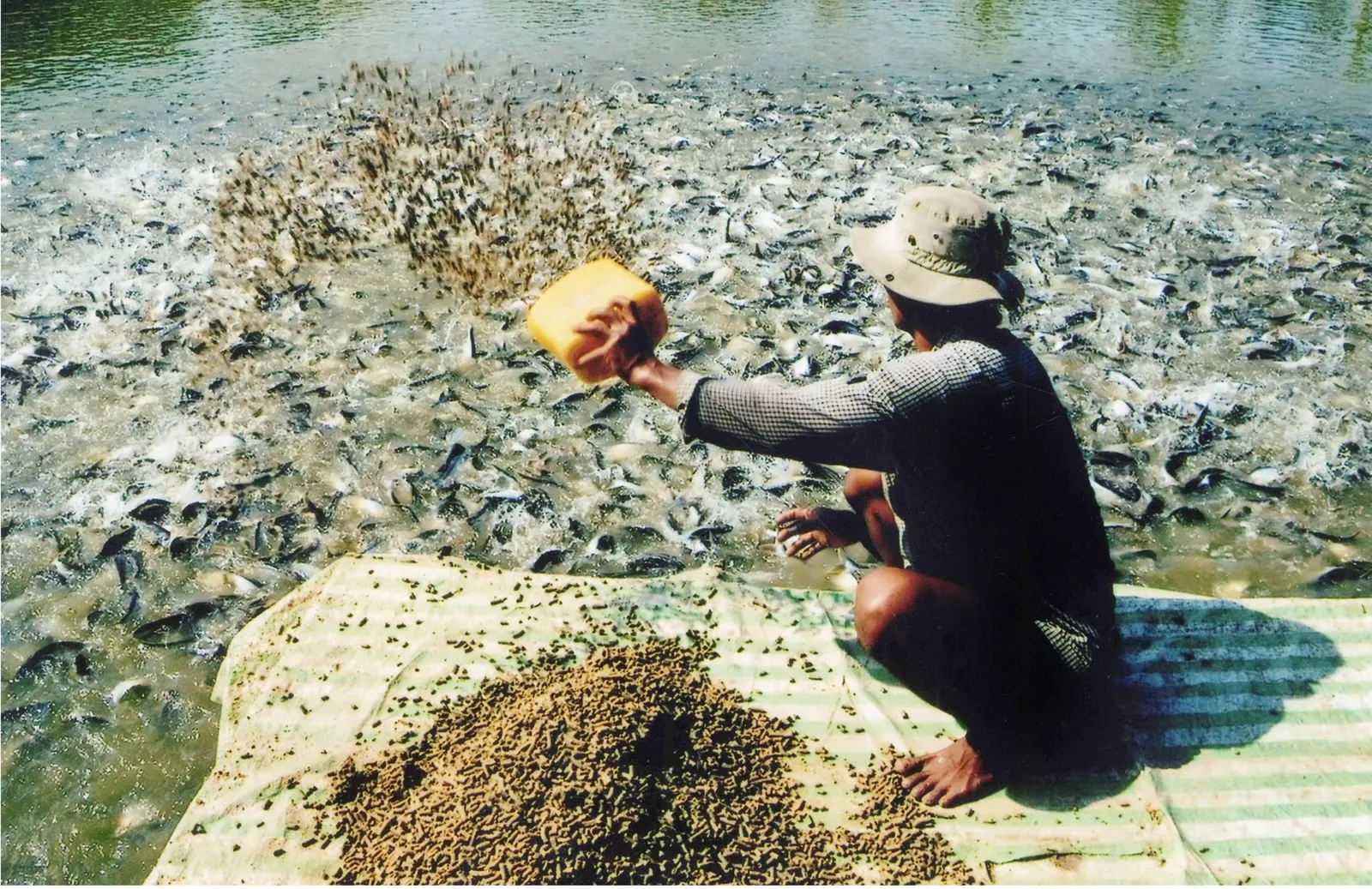
Farmers in the Mekong Delta feeding pangasius in freshwater ponds – Kimmy Farm Vietnam
How to Identify Pangasius Correctly
Pangasius is a type of catfish. Many people may confuse pangasius with basa fish because they look quite similar.
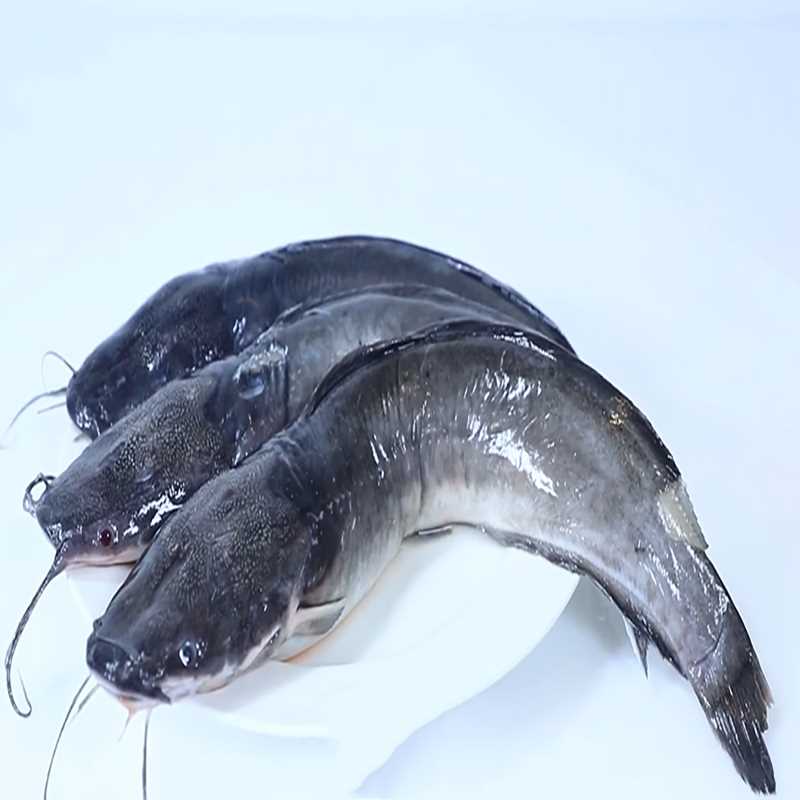
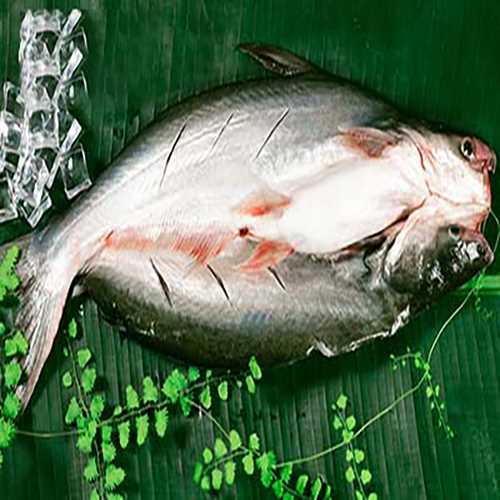
Pangasius has a long, slim, and fairly thick body. Its head is pointed and relatively small compared with the rest of its body. The back of pangasius is dark gray, while the belly area is lighter and has a silvery tone. The belly of pangasius is also not as large as the belly of basa fish.
The fins of pangasius may have a slightly yellowish-red color. Its dorsal fin is high, and its pectoral fins have sharp spines, so you should be careful when handling or preparing the fish. Pangasius also has a fairly large mouth and two long barbels on both sides.
A mature pangasius usually weighs around 4–5 kg on average. However, in reality, some pangasius can grow two or even three times larger.
=> Read more: Is Pangasius Good for You? Nutritional Value of Pangasius
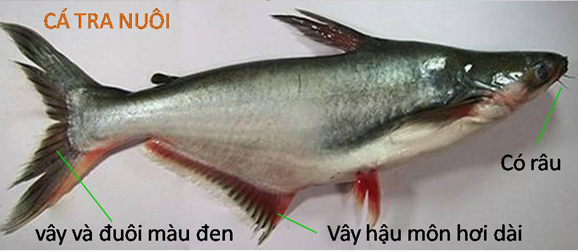
Pangasius has a long, slim, and fairly thick body. Its head is pointed and smaller than the body. The back is dark gray, while the belly is lighter and silvery. Its belly is not as large as that of basa fish.
Easy Tips for Choosing Fresh Pangasius
Save the tips below so you can avoid buying spoiled fish and choose fresh, delicious pangasius more confidently.
How to Choose a Fresh Whole Pangasius
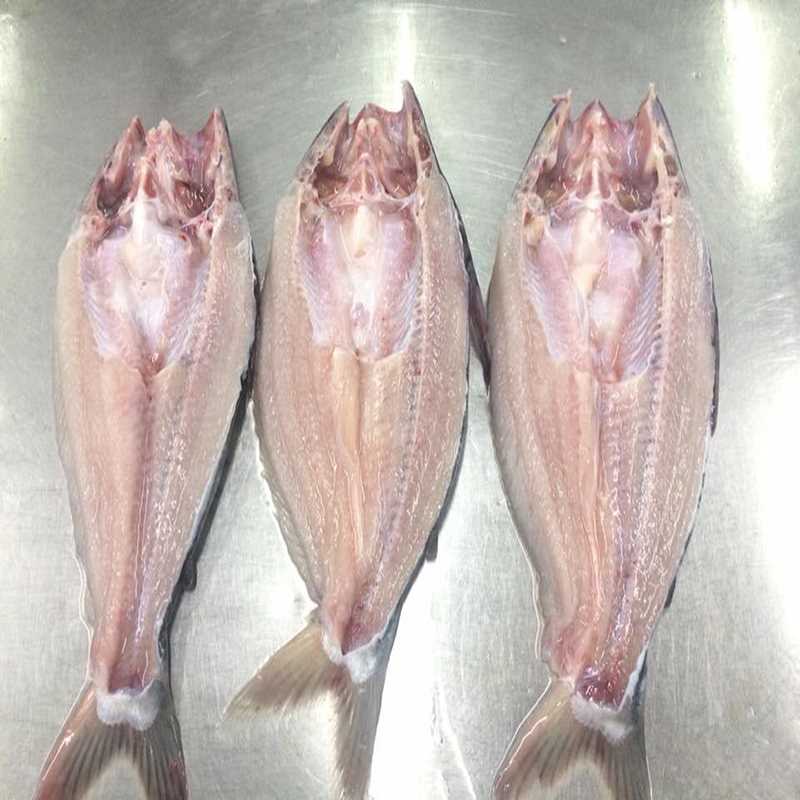
First, observe the whole fish. Fresh pangasius usually has a bright, natural color, a shiny surface, and a thin layer of clear slime. Spoiled fish often feels soft and mushy, has dull or pale skin, and may give off an unpleasant smell.
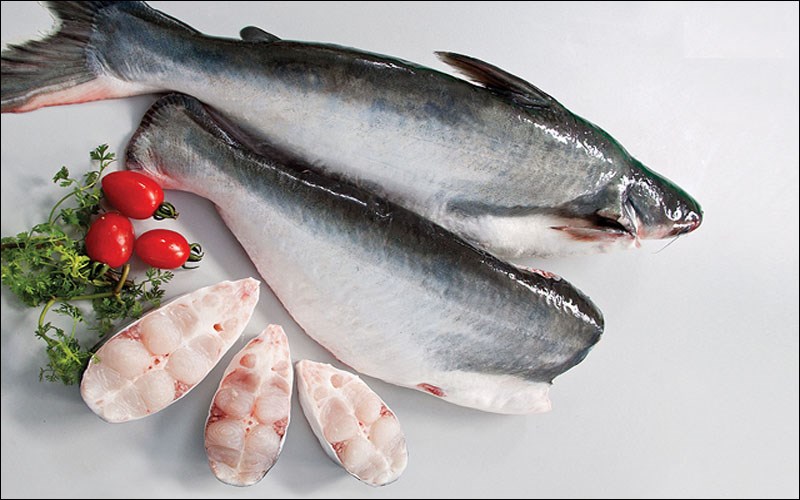
Fresh pangasius usually has a bright color, shiny skin, and a thin clear layer of slime – Kimmy Farm Vietnam
Check the Eyes and Gills Carefully
Have you ever noticed that fish sellers often show the gills when introducing fresh fish? That is because the gills can tell you whether the fish is fresh or spoiled.
If the fish is no longer fresh, the gills may turn dark, brownish, or even black. They may also look swollen or smell unpleasant. Fresh pangasius should have bright red gills that are still firmly attached.
For the eyes, choose fish with clear, bright, and slightly elastic eyes. These are usually signs of freshness. Avoid fish with cloudy, sunken, damaged, or torn eyes, as they may no longer be fresh.
=> Read more: Useful Parts of Pangasius in the Food Industry
Check the Belly and Vent Area
If the fish belly is swollen and the vent is protruding with a red or pinkish color, it is better to avoid buying that fish.
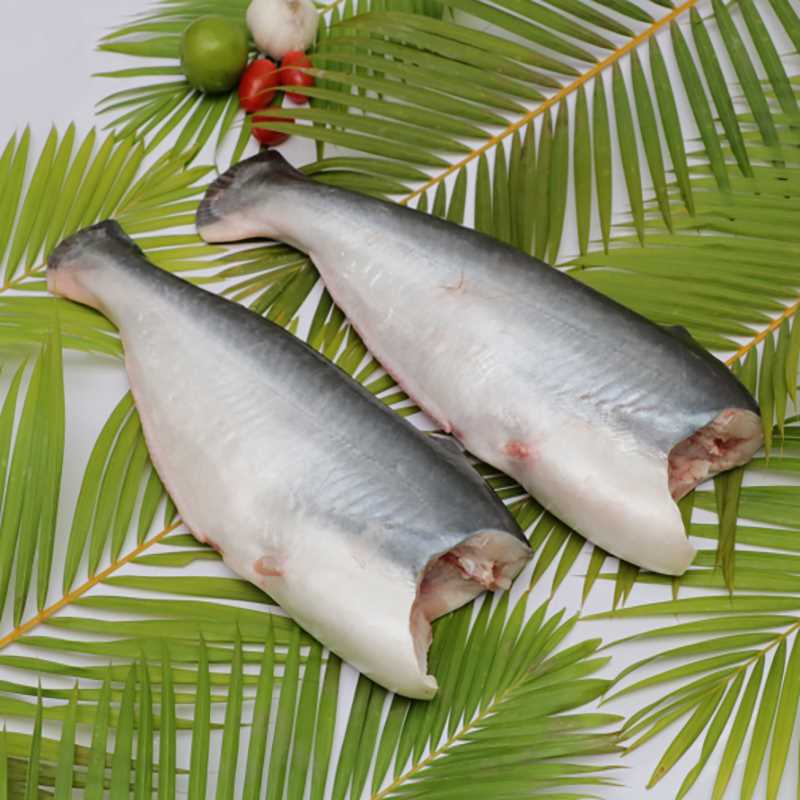
A fresh pangasius usually has a normal or slightly flat belly. The vent should be silver-white like the belly skin and slightly tucked inward.
Check the Skin and Mouth
The skin should remain shiny and bright, with good elasticity and only a small amount of clear slime. If the skin has turned dark gray, the belly has become cloudy yellow, or the slime looks thick and cloudy, the fish is likely spoiled.
The mouth is another simple sign. Fresh fish usually has a closed mouth, while spoiled fish may have an open, damaged, or torn mouth.
=> Read more: High-Quality Frozen Pangasius Skin, Layered or Non-Layered
How to Choose Good Pangasius Fillets
Choosing pangasius fillets can be a little harder than choosing a whole fish.
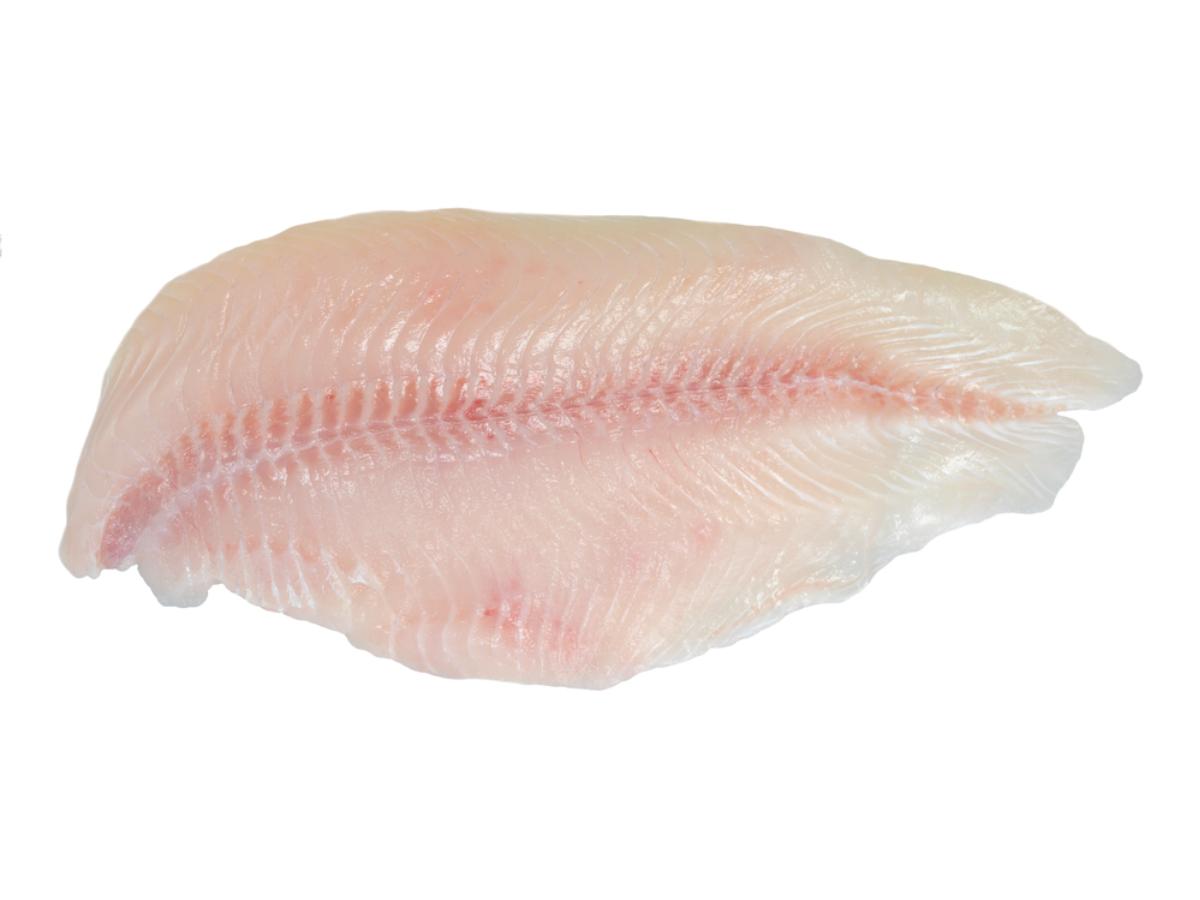
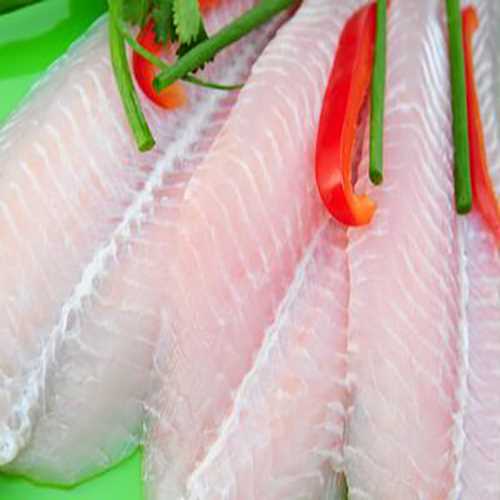
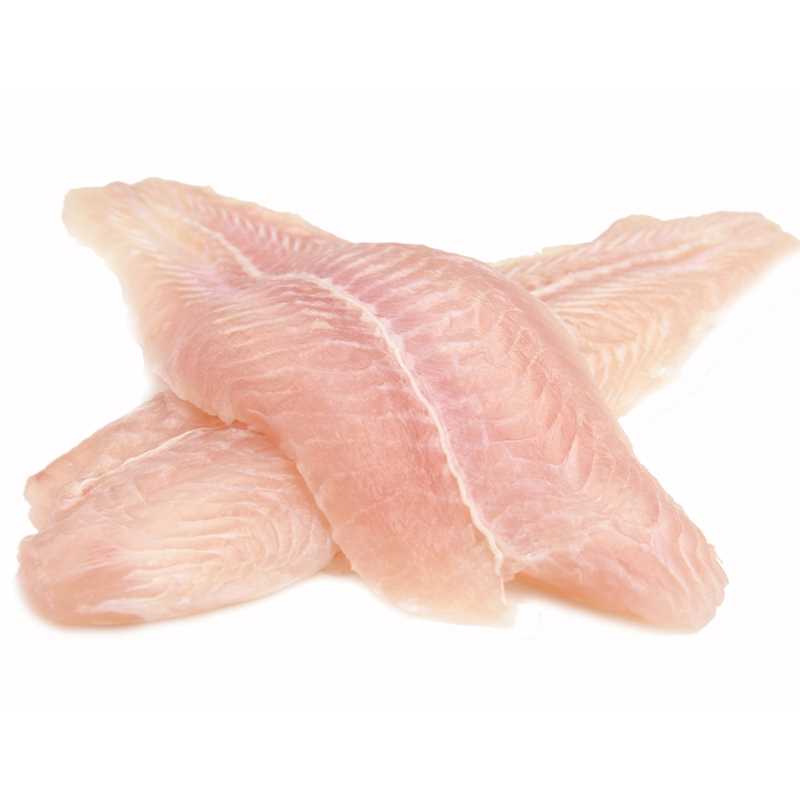
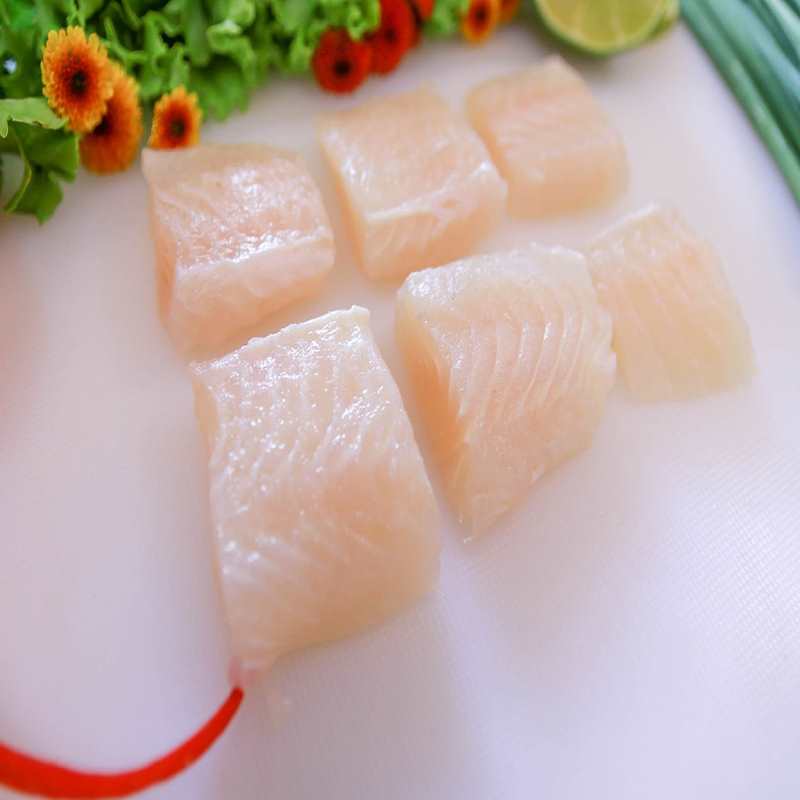
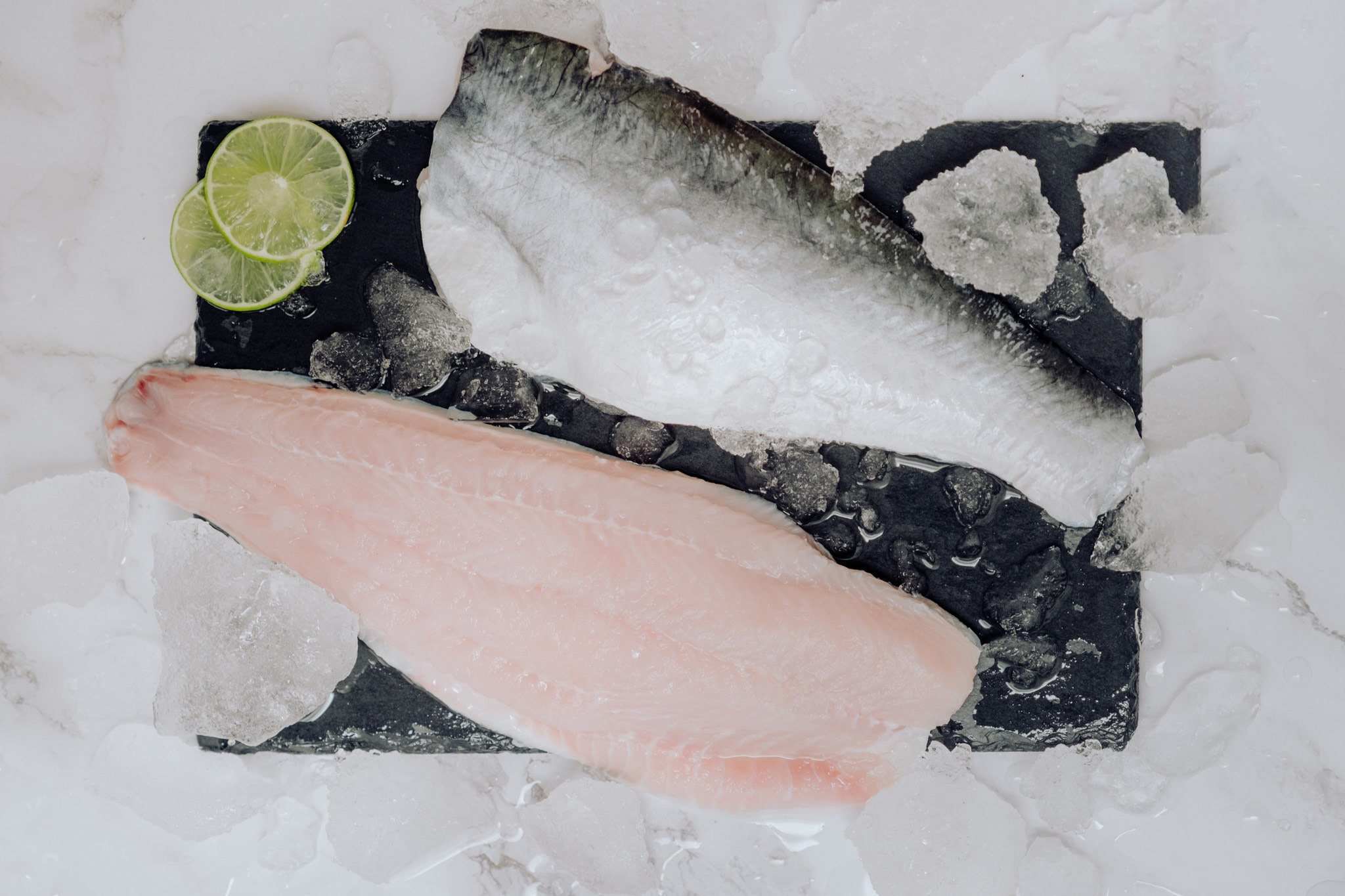
A fresh fillet should feel firm and elastic, not mushy. The muscle fibers should remain intact, clearly visible, and compact. The color should be naturally pinkish-red. When you press the fillet gently with your finger, it should bounce back and not leave a deep mark.
If the fillet keeps the fingerprint mark and does not recover its shape, it may no longer be fresh.
=> Read more: What Is Pangasius Fillet? Types of Pangasius Fillets in Vietnam
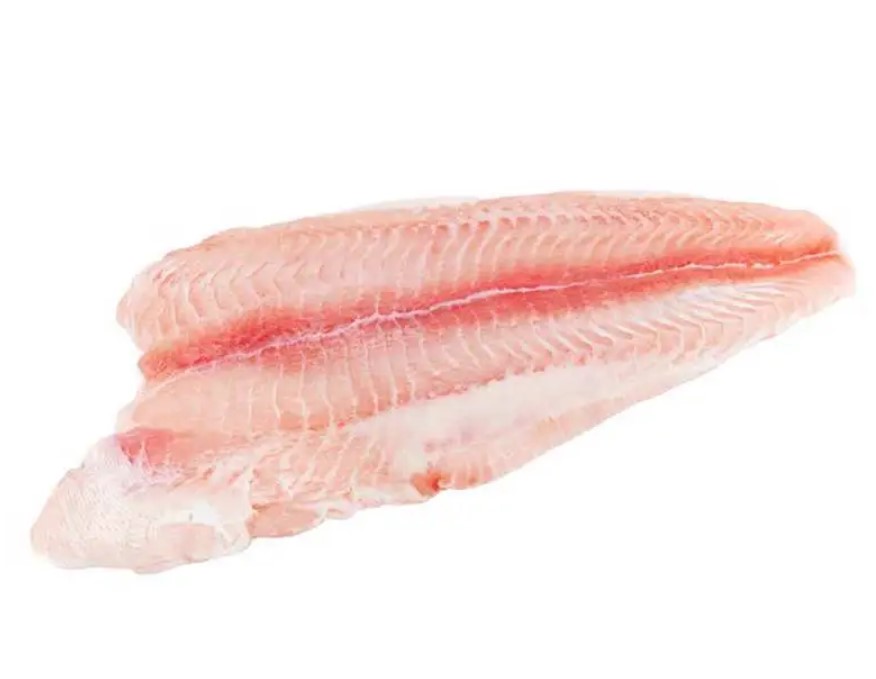
Fresh pangasius fillets should be: elastic, firm, not mushy, with clear muscle fibers and a natural pinkish-red color.
Tips to Keep Pangasius Fresh for Longer
The key to keeping pangasius fresh and reducing fishy odor is to keep the fish as dry and clean as possible.
After washing the fish with salt water, drain it well and pat the meat dry with paper towels. Once the fish is dry, you can place it in an airtight container and store it directly in the freezer.
Another option is to rub the fish lightly with salt before freezing. You can also marinate the fish for about 30–45 minutes before storing it in the refrigerator or freezer. This helps reduce odor and keeps the fish ready for cooking later.
With the tips above, your family can enjoy fresh, delicious pangasius more easily. More importantly, you will know how to avoid buying spoiled fish by mistake.
=> Read more: How to Prepare and Store Fresh Pangasius at Home

Chúng tôi là một thương hiệu chuyên sản xuất, thương mai và xuất khẩu các mặt hàng nông sản của Việt Nam. Chúng tôi có vùng trồng điều & nhà máy điều ở Bình Phước, trại nuôi ruồi lính đen ở Tây Ninh. Các mặt hàng xuất khẩu chính của Công ty là: hạt điều, hạt điều nhân, ruồi lính đen,… từ Việt Nam.