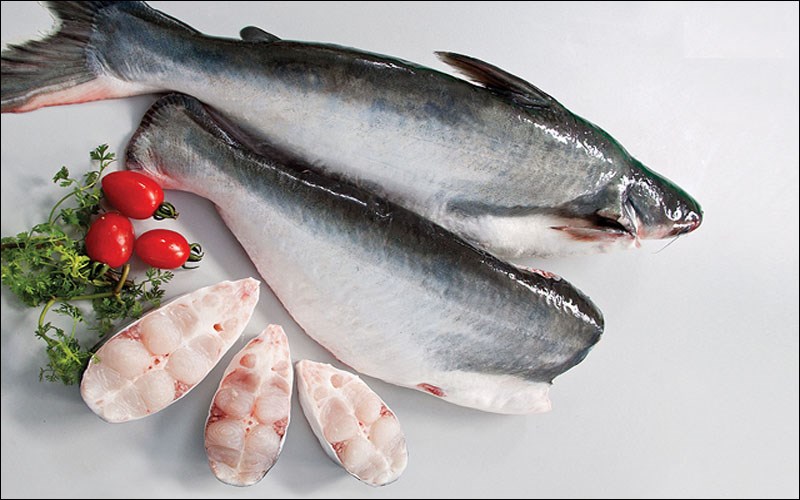
Pangasius is a nutritious food suitable for many groups of consumers. In most cases, people mainly use pangasius meat because it is easy to cook, mild in flavor, and suitable for many dishes.
However, several other parts of the fish are often overlooked or removed during processing because they are less common in daily meals. So, which parts of pangasius are rich in nutrients? Which parts can be used in the food industry? In this article, Kimmy Farm will help you explore the most useful parts of pangasius and their nutritional value.
Pangasius Meat
Pangasius meat accounts for about 80–85% of the fish’s body weight. This is why it is the most widely used part of the fish. Pangasius meat is easy to prepare, has a pleasant taste, and provides a soft, rich texture.
It also contains many nutrients that are beneficial for human health. Many nutrition experts recommend eating fish more often as part of a balanced diet, especially compared with some types of red meat from land animals.

=> Read more: What Is Pangasius Fillet? Types of Pangasius Fillets in Vietnam
Nutrients found in pangasius meat:
- Low calories
- Protein
- Fat
- Selenium
- Phosphorus
- Sodium
- Potassium
- Omega-3 and omega-6 fatty acids
- Vitamins B1, B2, B6, B12, and others
- Cholesterol
=> Read more: Omega-3 in Pangasius: A Valuable Nutrient for Health
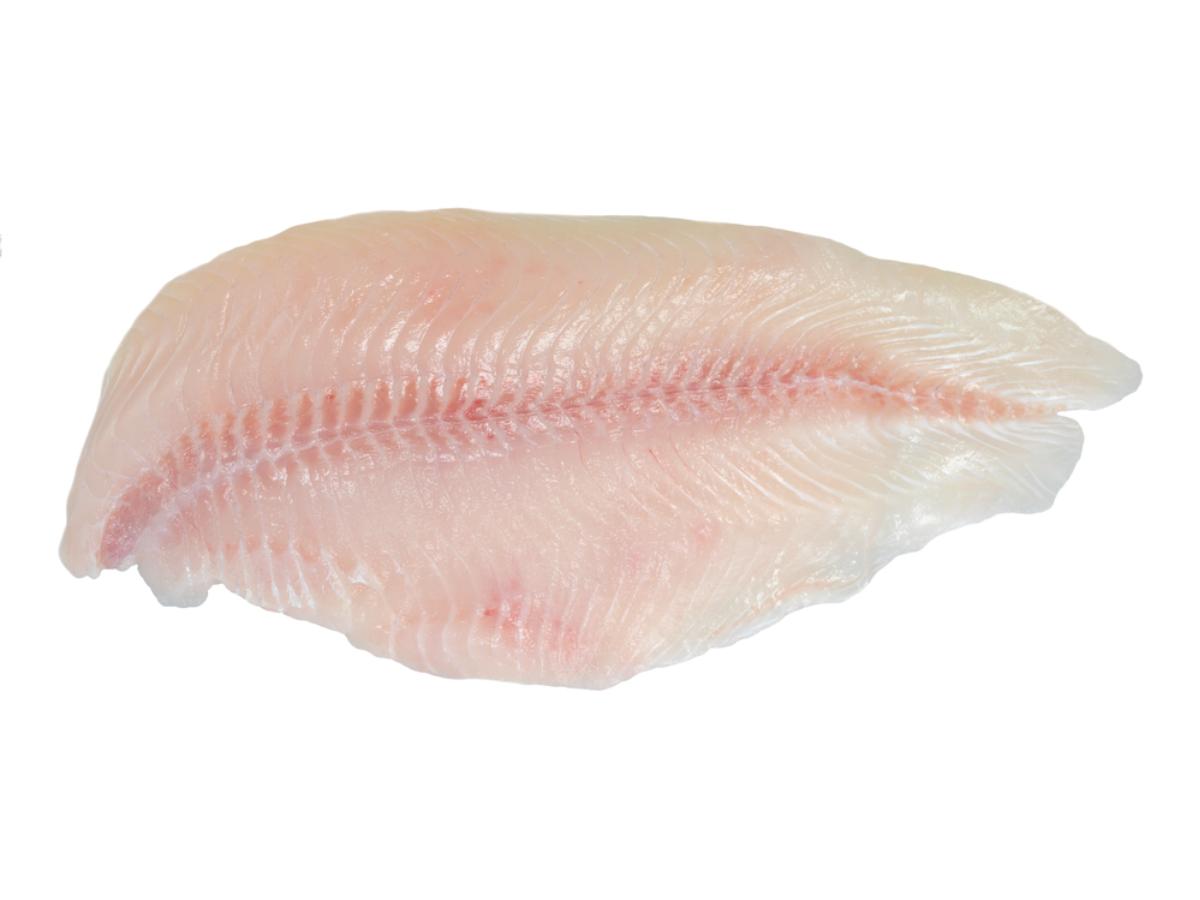
Pangasius fillet is widely used in many dishes – Kimmy Farm Vietnam
Health Benefits of Pangasius Meat
May Help Reduce the Risk of Certain Health Problems
Pangasius contains many essential nutrients, especially protein and omega-3 fatty acids. Fish is often considered a heart-friendly food because it can be part of a diet that supports cardiovascular health.

Some studies suggest that regular fish consumption may help support heart health, blood pressure balance, and overall wellness. Pangasius can also be included in meals for people who feel tired or weak and want to add more easy-to-digest protein to their diet.
However, pangasius should be seen as part of a balanced diet, not as a direct treatment for disease.
=> Read more: Is Pangasius Good for You? Nutritional Value of Pangasius

Omega-3 in pangasius is a valuable nutrient that can support human brain health.
Supports Brain Function
Pangasius, like many other fish, contains nutrients that may support brain function, especially omega-3 fatty acids. These nutrients are often linked with memory, focus, and cognitive health.
Adding pangasius or other fish to the diet may be helpful for children, older adults, and people who want to maintain a nutrient-rich eating routine. Still, it should be combined with a healthy lifestyle, enough sleep, and medical care when needed.
=> Read more: Benefits of Pangasius for Children’s Health

Like many other fish, pangasius also contains omega-3, a nutrient that supports health.
Supports Healthy Aging
Fish is an important part of many healthy diets around the world. In Japan, for example, fish is a common part of daily meals and is often associated with a balanced lifestyle.
Fish-based dishes such as sushi are not only delicious but also provide valuable nutrients. Pangasius can also be used as an affordable fish option that supports protein intake, omega fatty acids, and general nutrition.
=> Read more: High-Quality Vietnamese Pangasius for Export at Competitive Prices

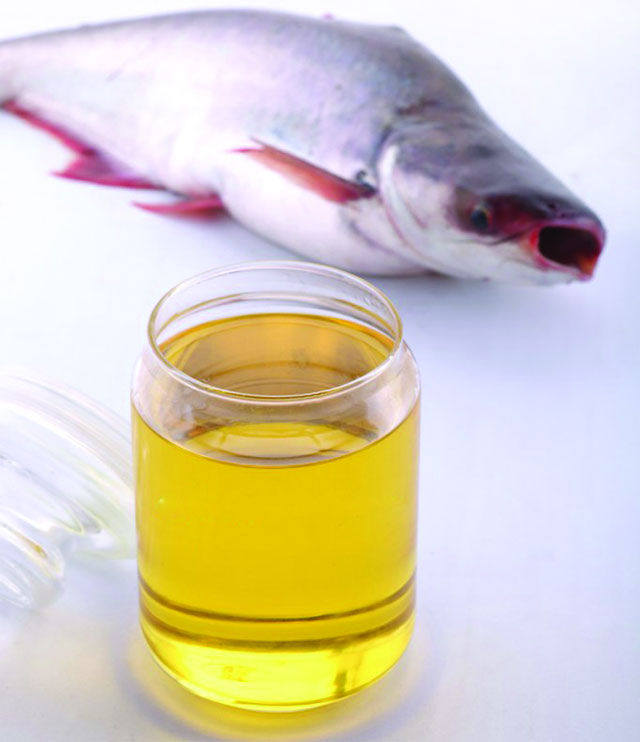
Pangasius fish oil also contains omega-6 fatty acids.
Fish Bones
You may be surprised to know that fish bones, which are often discarded, can contain many valuable nutrients. Because fish bones have a complex structure and are not easy to prepare, they are usually treated as by-products after processing.
However, when processed properly, pangasius bones can be used in broths, powdered bone products, animal feed, or other value-added applications.
Nutrients found in pangasius bones:
- Calcium
- Phosphorus
- Nitrogen
- Collagen
- Magnesium
- Iron
- And other minerals

Pangasius bones are often considered fish by-products after processing.
Benefits of Fish Bones
Supports Bone Health
Fish bones contain calcium and phosphorus, two minerals that are important for bone health. When processed into soft-bone dishes, broth, or bone powder, fish bones can help add minerals to the diet.
For example, pangasius bones can be simmered to make broth. This is a simple way to make use of the bones while adding flavor and nutrients to soups and other dishes.

You can simmer pangasius bones to make broth and add useful nutrients to the diet.
Provides Minerals for the Body
Fish bones may provide minerals such as calcium, phosphorus, magnesium, and iron. These nutrients support many normal body functions, including bone structure and general metabolism.
That said, fish bones must be processed carefully before eating. Small sharp bones can be dangerous if swallowed, so they should be softened, ground, or used only for broth extraction.
Fish Eyes
Nutrients found in fish eyes:
- Omega-3 fatty acids
- Vitamin A
- Vitamin D
- Protein
- Calories
- Fat
=> Read more: Omega-3 in Pangasius: A Valuable Nutrient for Health

Benefits of Pangasius Fish Eyes
Supports Eye Health
Fish eyes contain omega-3 fatty acids and vitamin A, both of which are commonly linked with eye health. For this reason, fish eyes are sometimes used in traditional meals for older adults or people who want to support their vision through diet.
However, eating fish eyes should not be considered a treatment for eye diseases. People with vision problems should still follow medical advice from eye-care professionals.
=> Read more: What Is Pangasius Fish Oil? Its Benefits for Human Health
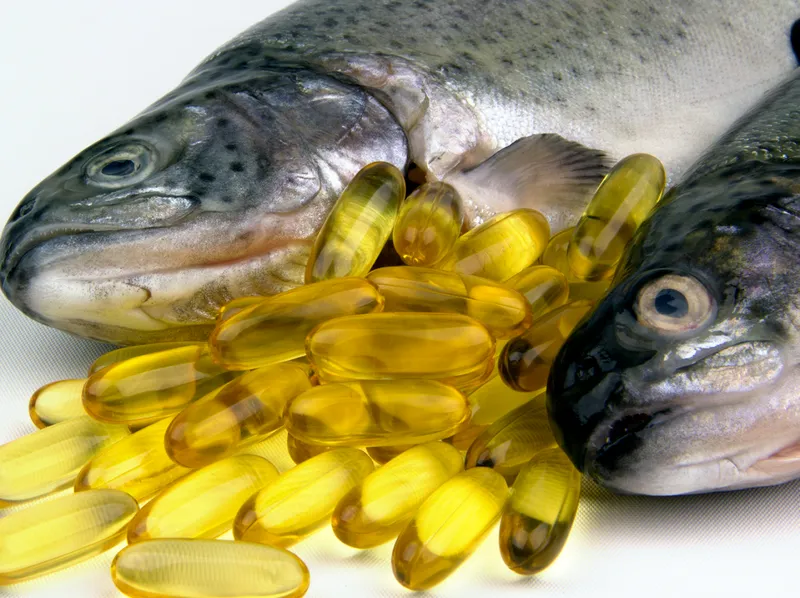
Fish oil extracted from pangasius is considered nutrient-rich and beneficial for general health.
Supports Overall Nutrition
Fish eyes contain fats, protein, vitamin A, vitamin D, and omega-3 fatty acids. These nutrients may contribute to a balanced diet and support general wellness.
Some people also believe that fish eyes can help support sleep and metabolic health. However, more scientific evidence is needed before making strong health claims. It is best to enjoy fish eyes as part of a varied diet rather than as a medical remedy.
Fish Skin
Pangasius skin is a by-product left from the production of exported pangasius fillets. In many Western markets, pangasius skin is not commonly consumed. However, in many Asian countries, dishes made from pangasius skin are popular and widely enjoyed.
Nutrients found in pangasius skin:
- Protein
- Omega-3 and omega-6 fatty acids
- Vitamin D
- Vitamin E
- Iodine
- Selenium
- Taurine
=> Read more: High-Quality Frozen Pangasius Skin, Layered or Non-Layered
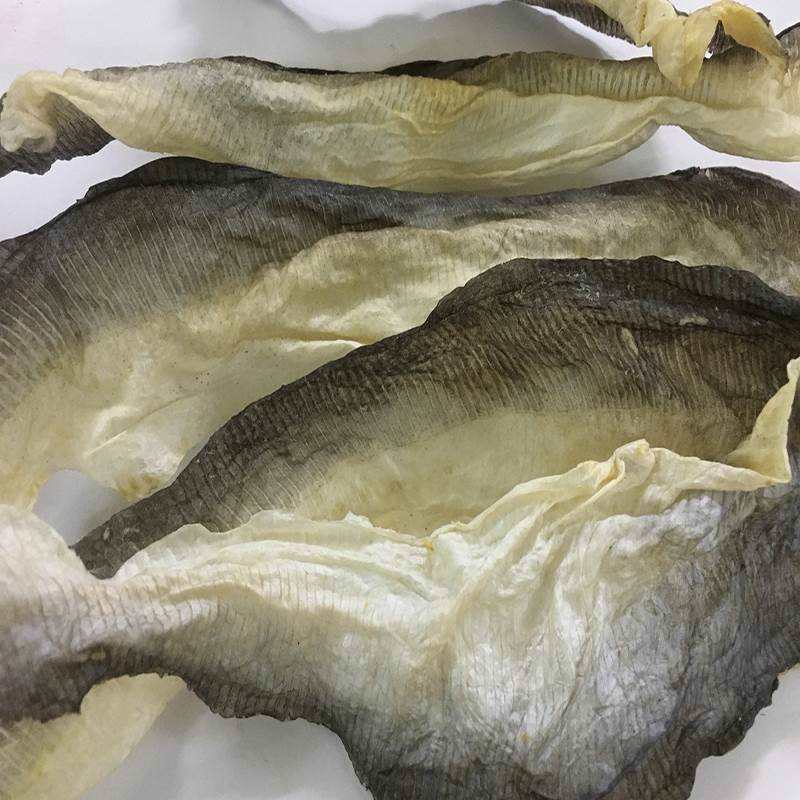
Pangasius skin is popular in several Asian countries.
Benefits of Fish Skin
Supports Skin Health
Fish skin contains nutrients such as vitamin E and collagen, which are often associated with skin health. These nutrients may help support skin structure, moisture, and elasticity as part of a balanced diet.
Fish skin also contains omega fatty acids and other compounds that may help protect the skin from oxidative stress. However, it should not be viewed as a direct treatment for skin conditions.

Supports the Immune System
Pangasius skin is a good source of protein, an essential nutrient that helps build and repair body tissues, including muscles.
Protein also plays an important role in maintaining overall health. A protein-rich diet can help support growth, tissue repair, and immune function.


Chúng tôi là một thương hiệu chuyên sản xuất, thương mai và xuất khẩu các mặt hàng nông sản của Việt Nam. Chúng tôi có vùng trồng điều & nhà máy điều ở Bình Phước, trại nuôi ruồi lính đen ở Tây Ninh. Các mặt hàng xuất khẩu chính của Công ty là: hạt điều, hạt điều nhân, ruồi lính đen,… từ Việt Nam.