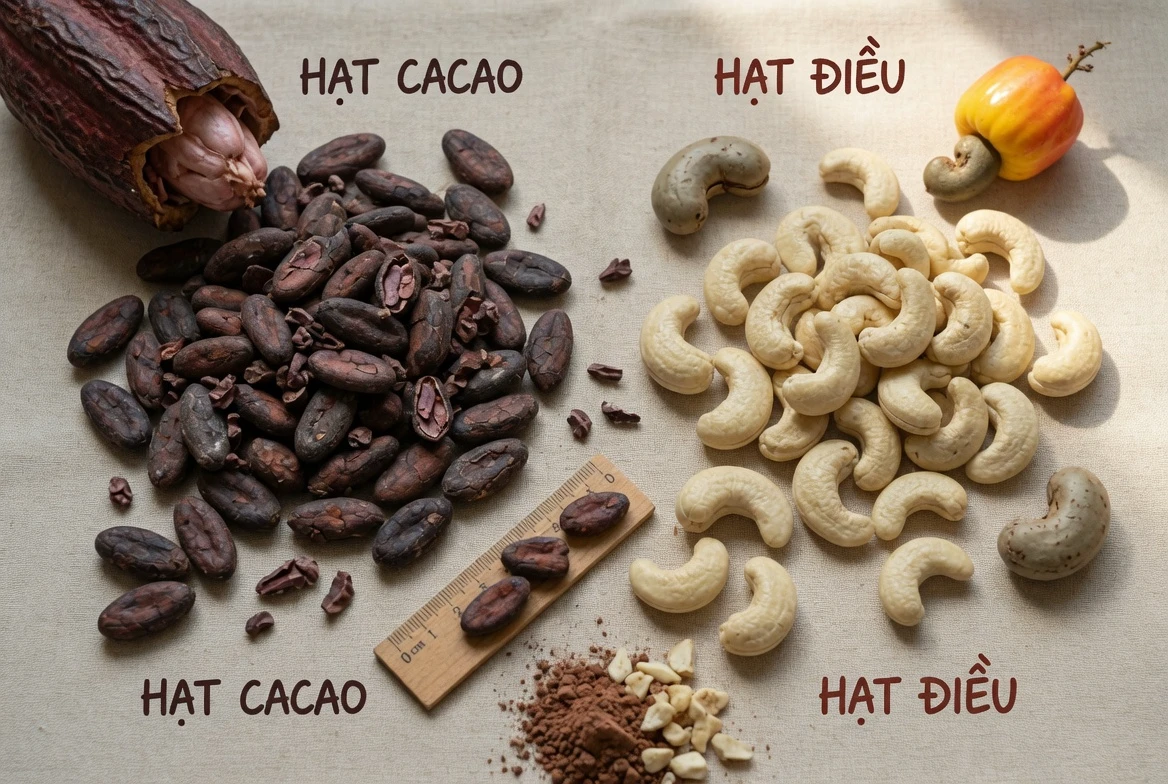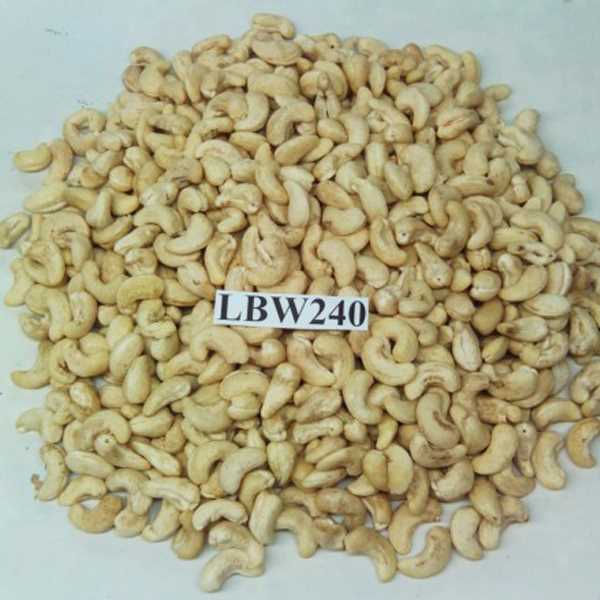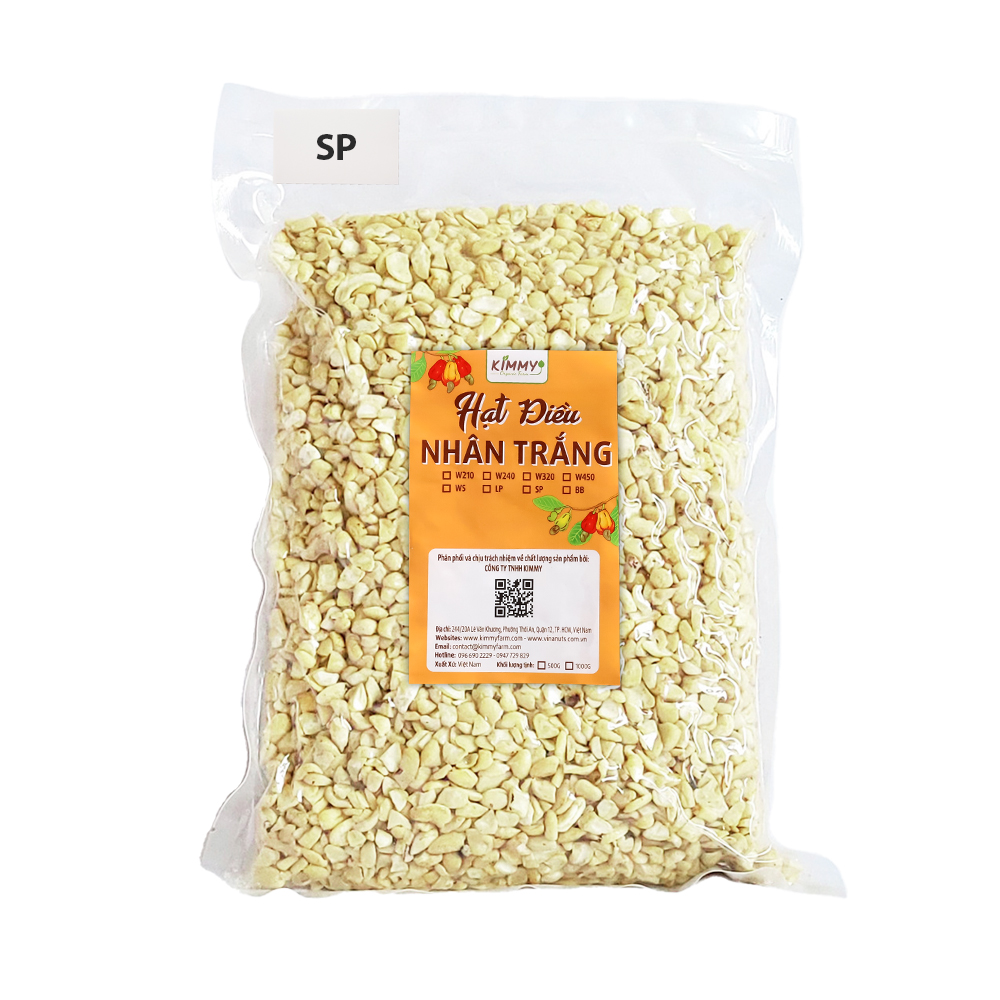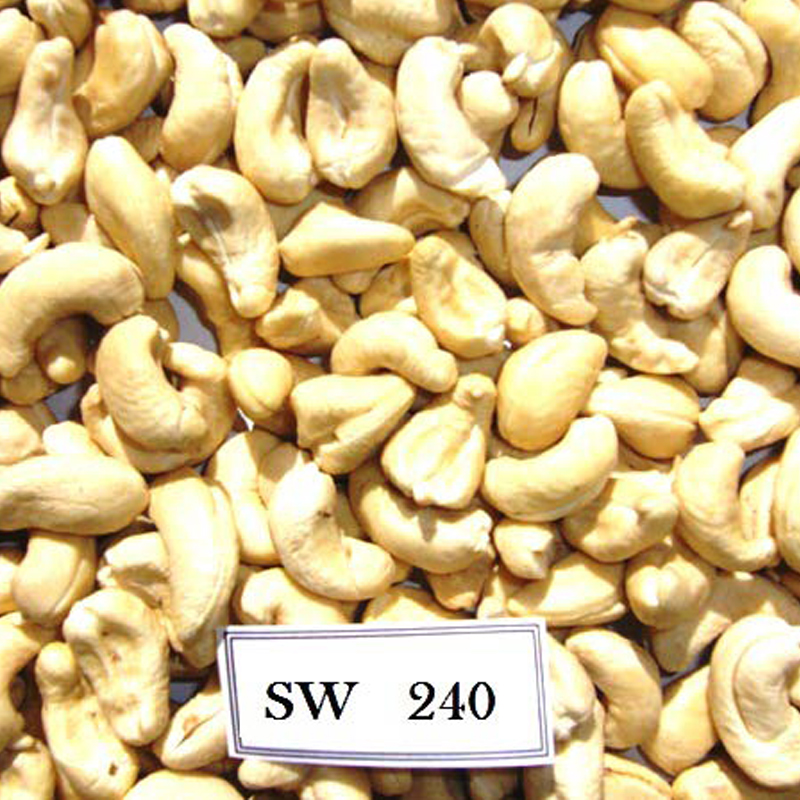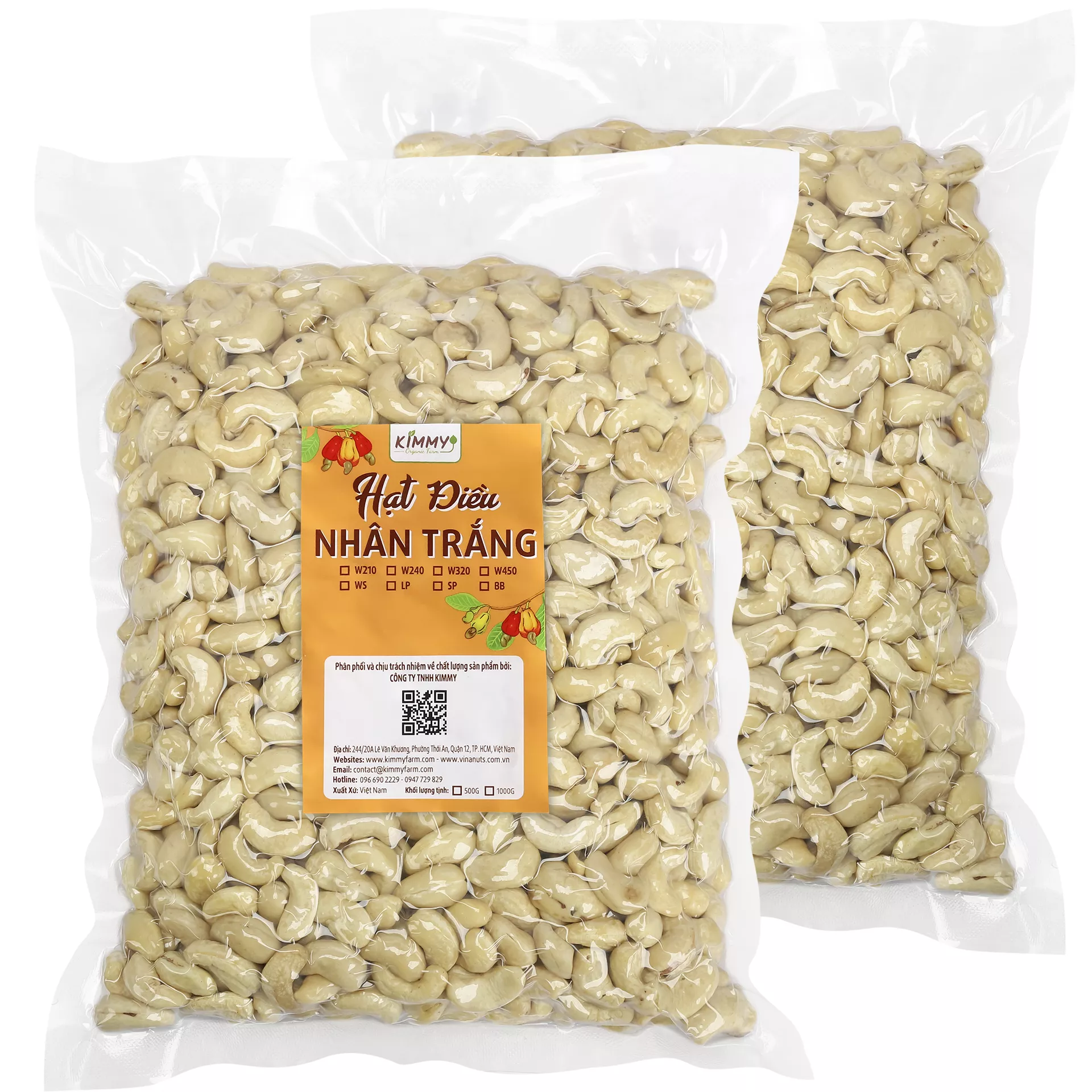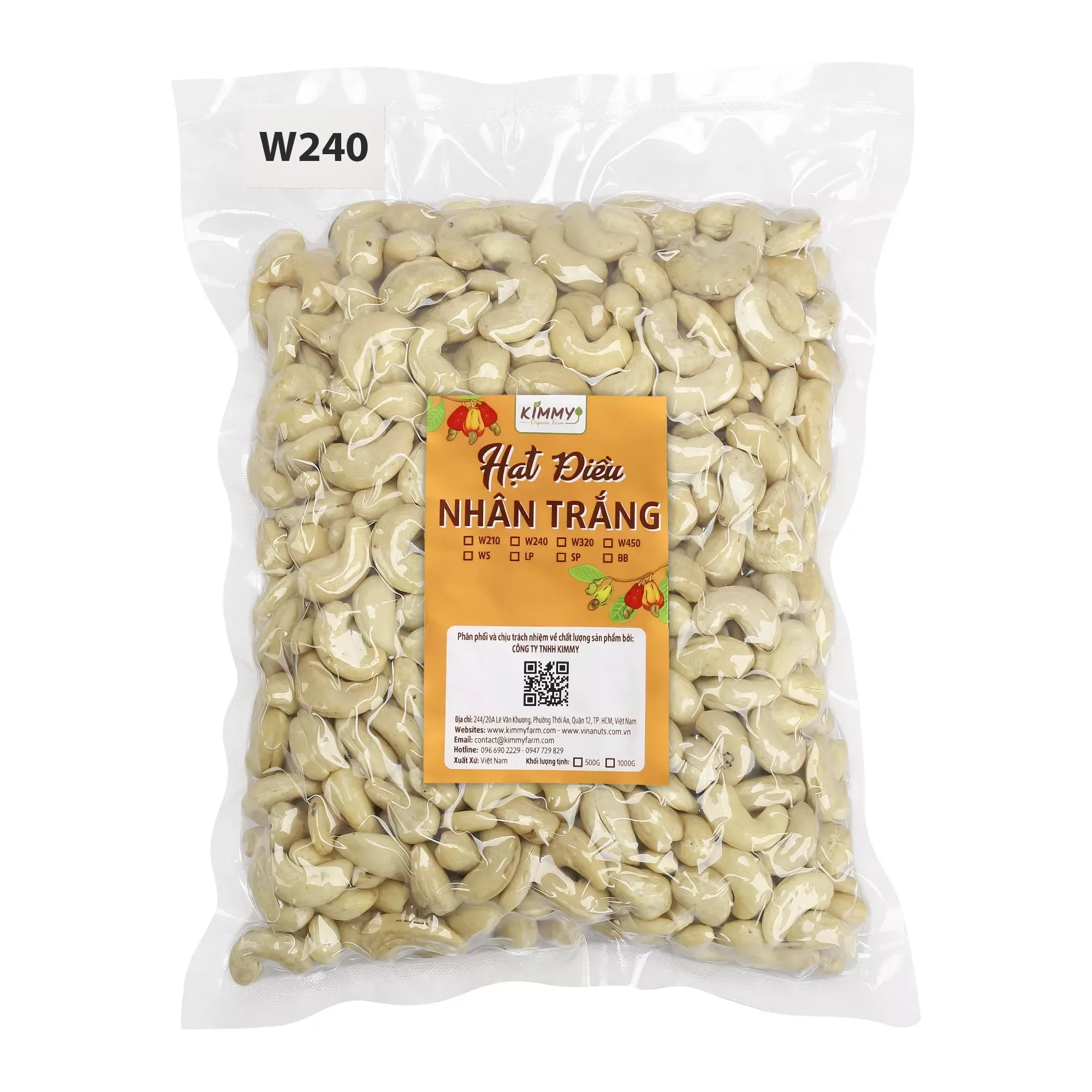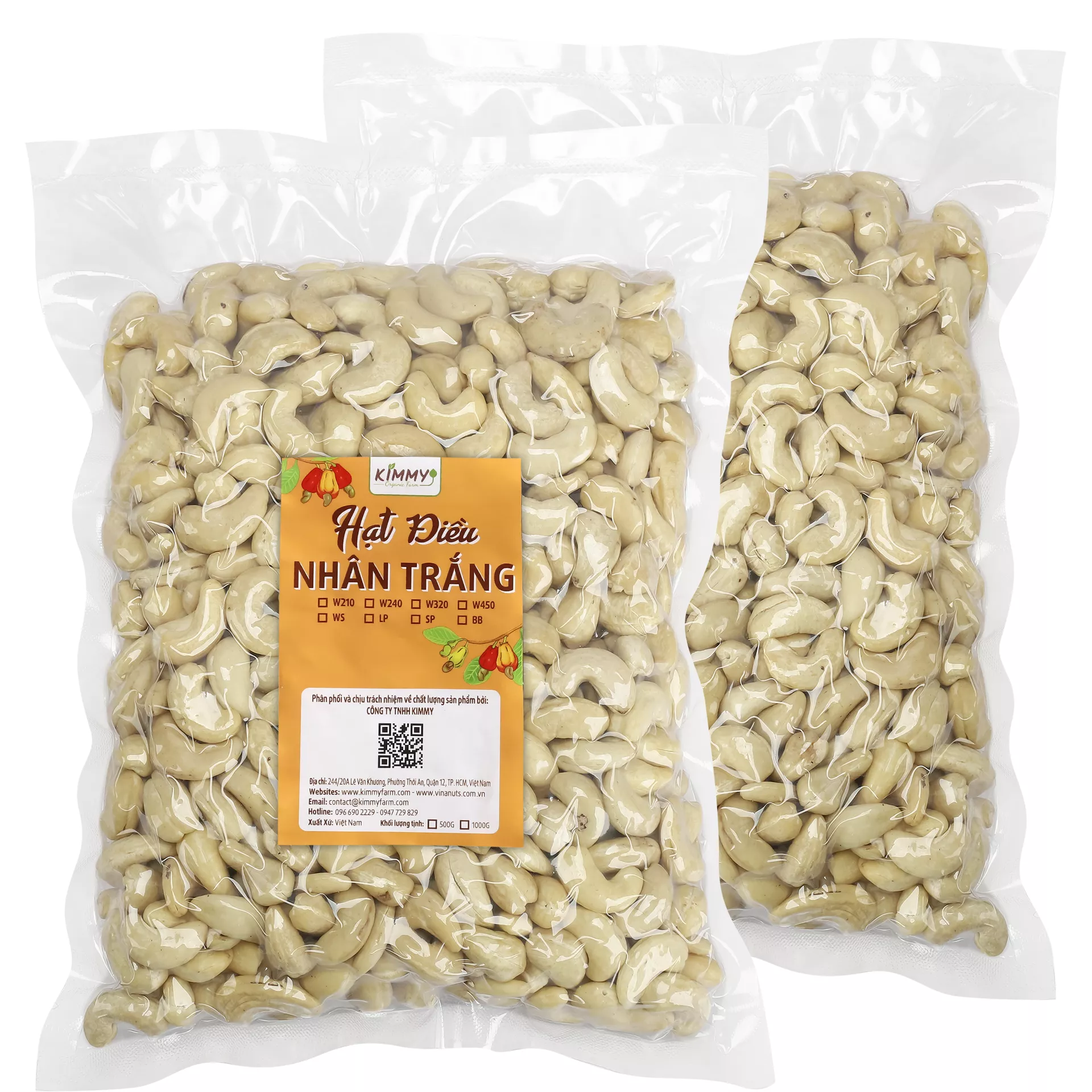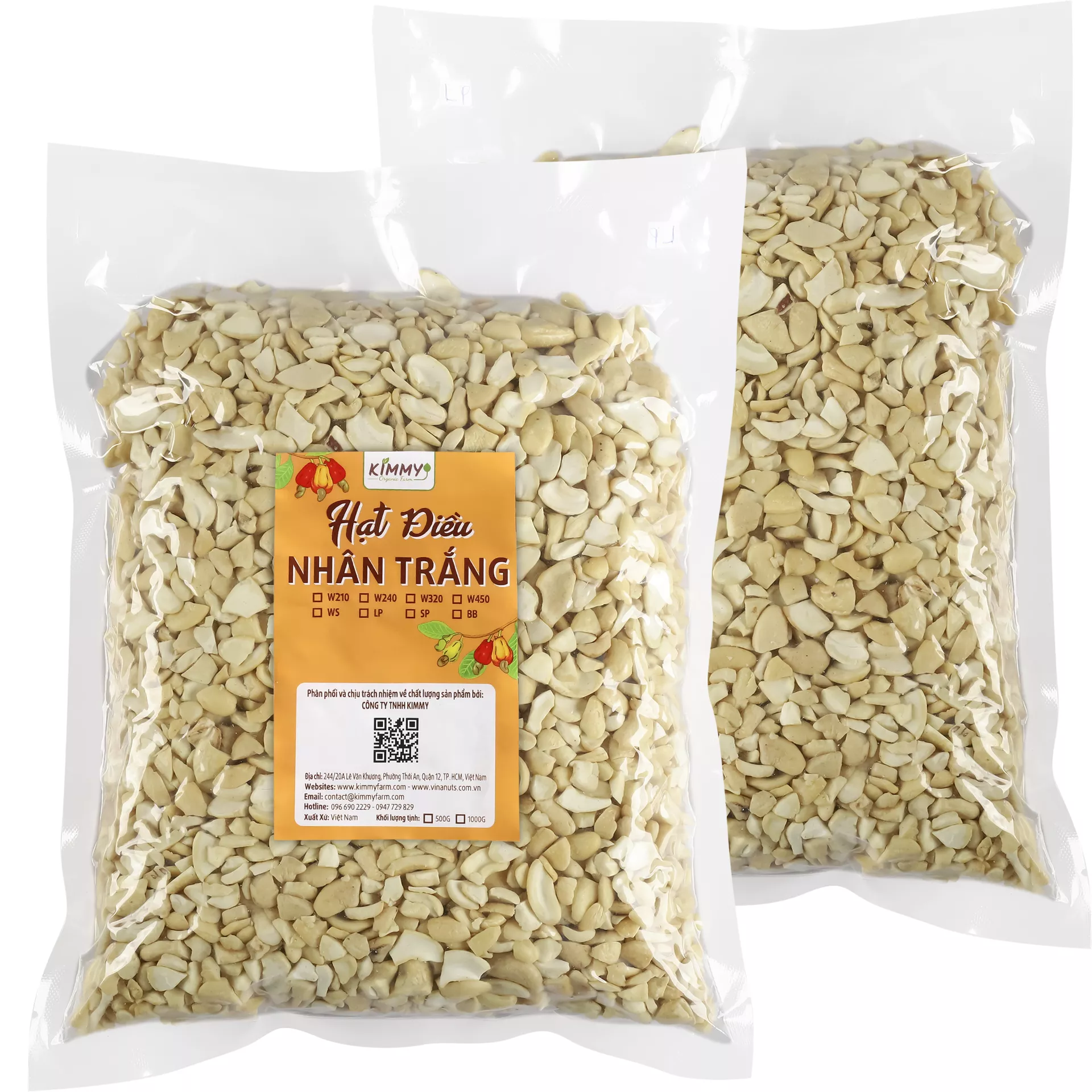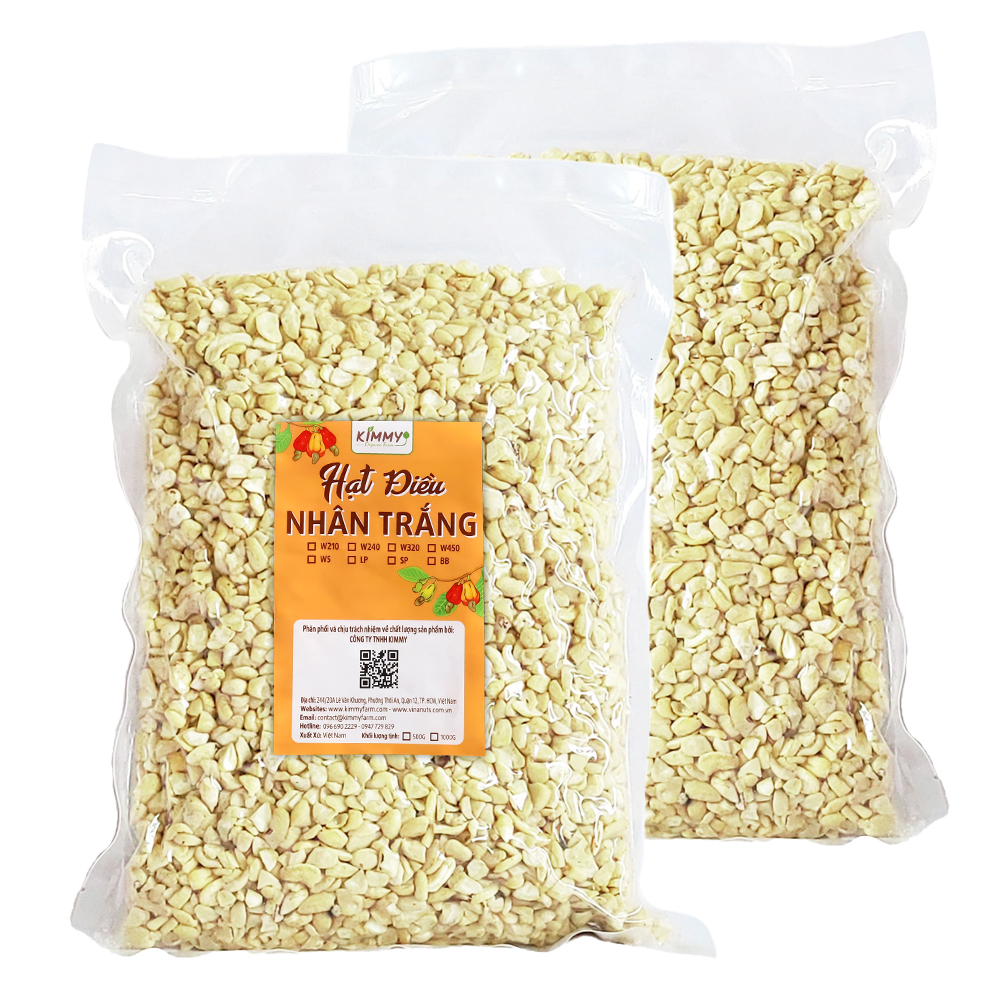
Many people who follow a healthier diet are reducing their use of wheat flour and choosing nut-based flours instead, especially cashew flour and almond flour. Cashews and almonds are easy to tell apart when they are whole nuts. However, once they are ground into flour, many people may confuse the two because their color and appearance can look quite similar.
To help you understand the difference more clearly, Kimmy Farm has prepared this guide to explain how cashew flour and almond flour differ in taste, texture, nutrition, and use.
What Is Cashew Flour?
Cashew flour is made by grinding cashew kernels into a fine powder. It usually contains only one ingredient: cashews. No extra additives, flavorings, or fillers are needed.
Making cashew flour at home is also quite simple. You only need good-quality cashew kernels and a blender or food processor. After grinding, the flour can be stored in an airtight container and used in many recipes.

Cashew flour is considered a valuable and nutrient-rich food. It is often recommended for people who want a healthier flour option, especially those who follow a diet plan or want to reduce refined wheat flour in their meals.
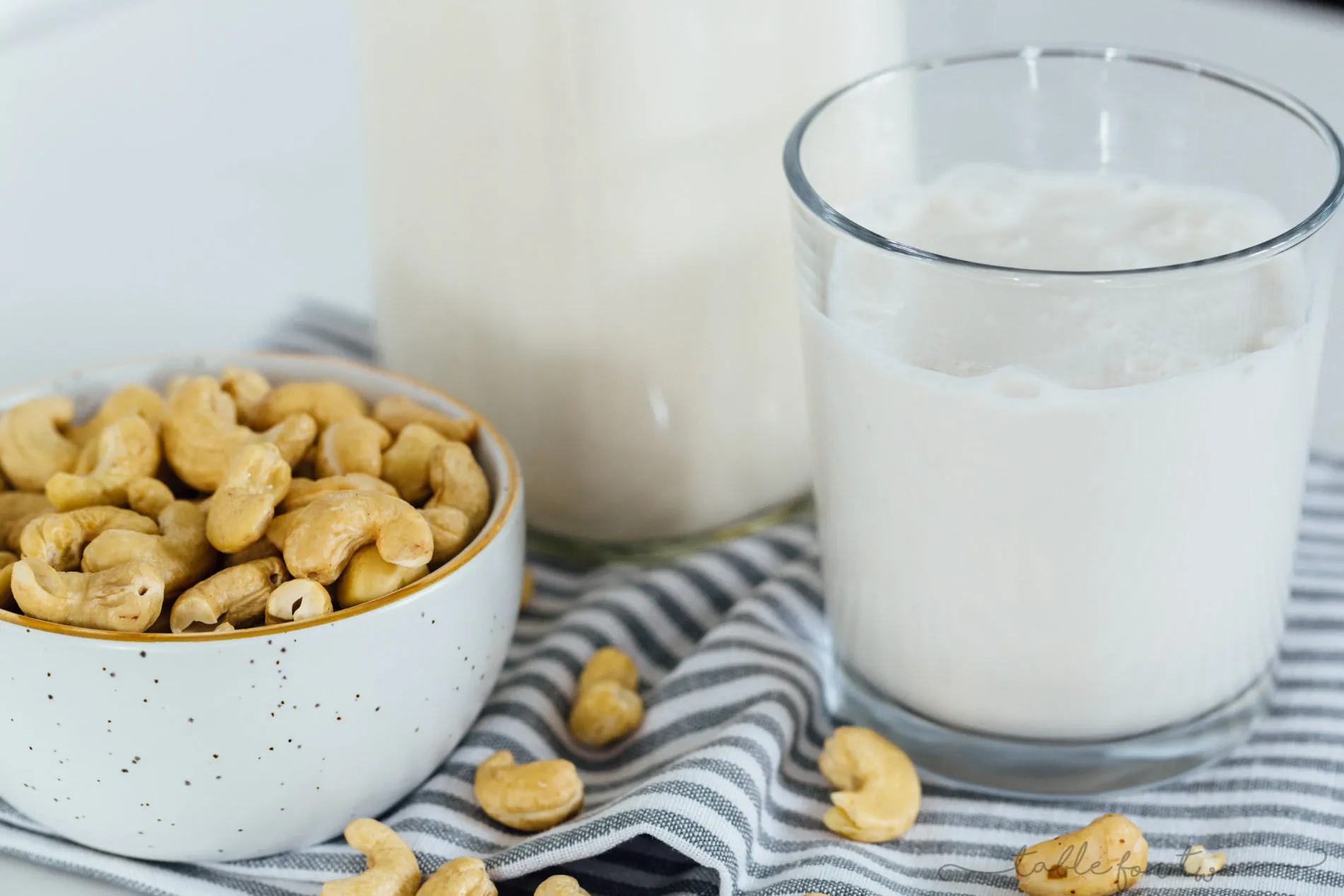
=> Read more: How to Make Pumpkin Cashew Milk for People with Poor Nutrition
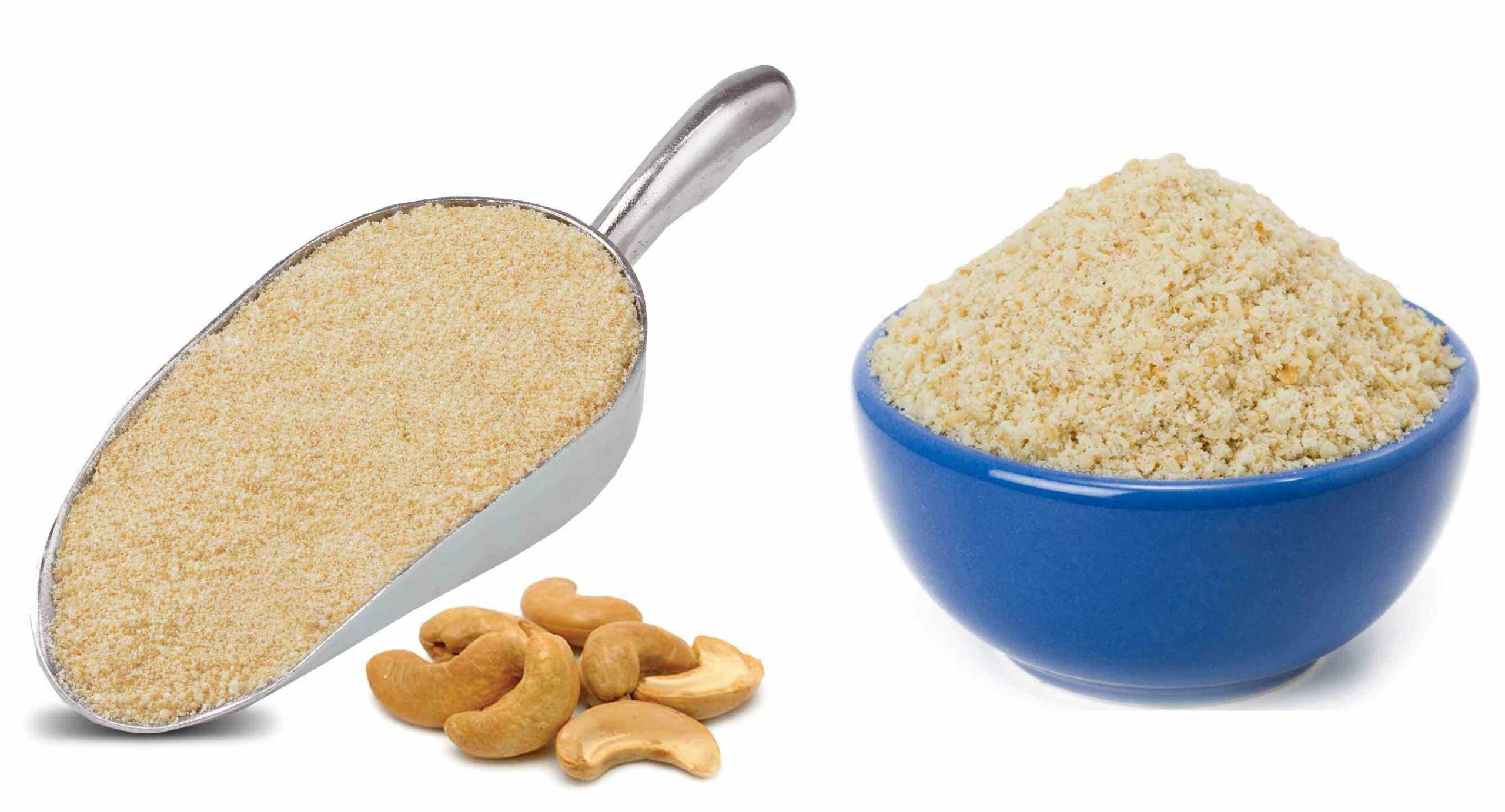
Cashew flour is made by finely grinding cashew kernels without adding other ingredients.
What Is Almond Flour?
Almond flour is made from ground almonds, usually after the skins have been removed. The result is a pale, slightly coarse flour with a dense texture.
Like cashew flour, almond flour can also be made at home. Many people use almond flour in low-carb diets, gluten-free baking, and healthier desserts. It is also known as a nutritious flour that may support a balanced diet when used in the right amount.

=> Read more: The Difference Between Cashews and Almonds
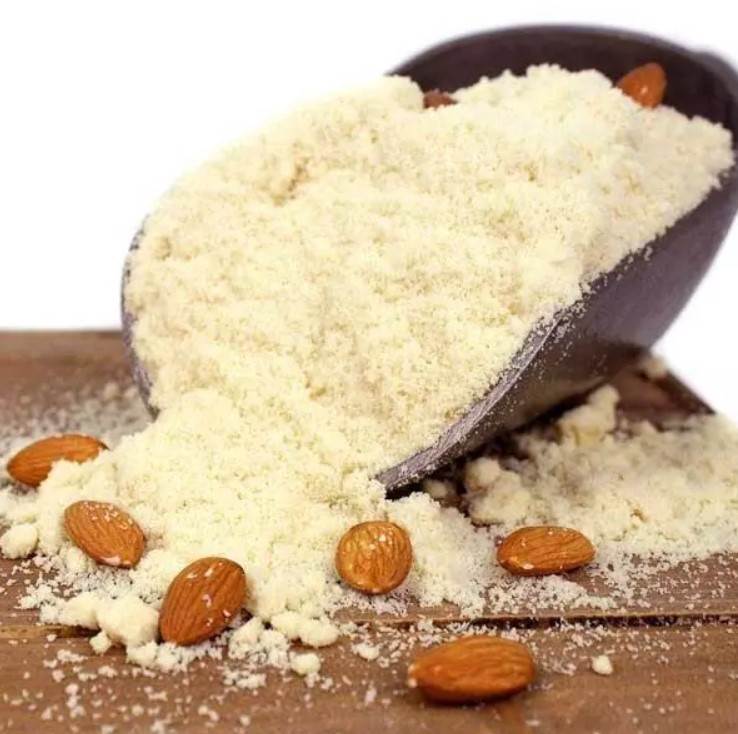
Almond flour is made from peeled and ground almonds, creating a slightly coarse and dense flour.
The Difference Between Cashew Flour and Almond Flour
Similarities Between Cashew Flour and Almond Flour
At first glance, cashew flour and almond flour can look very similar. Both have a light cream color, and people who have never used them before may find it hard to tell which one is which.
They also share some nutritional similarities. Both are made from nuts, both contain natural antioxidants, and both are free from harmful cholesterol. They are often used as alternatives to wheat flour in healthier recipes.
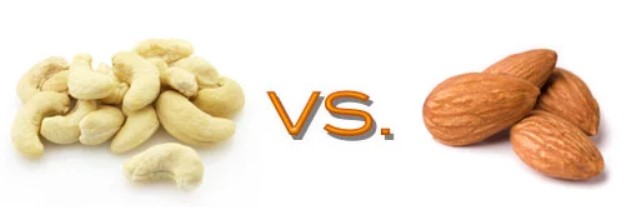
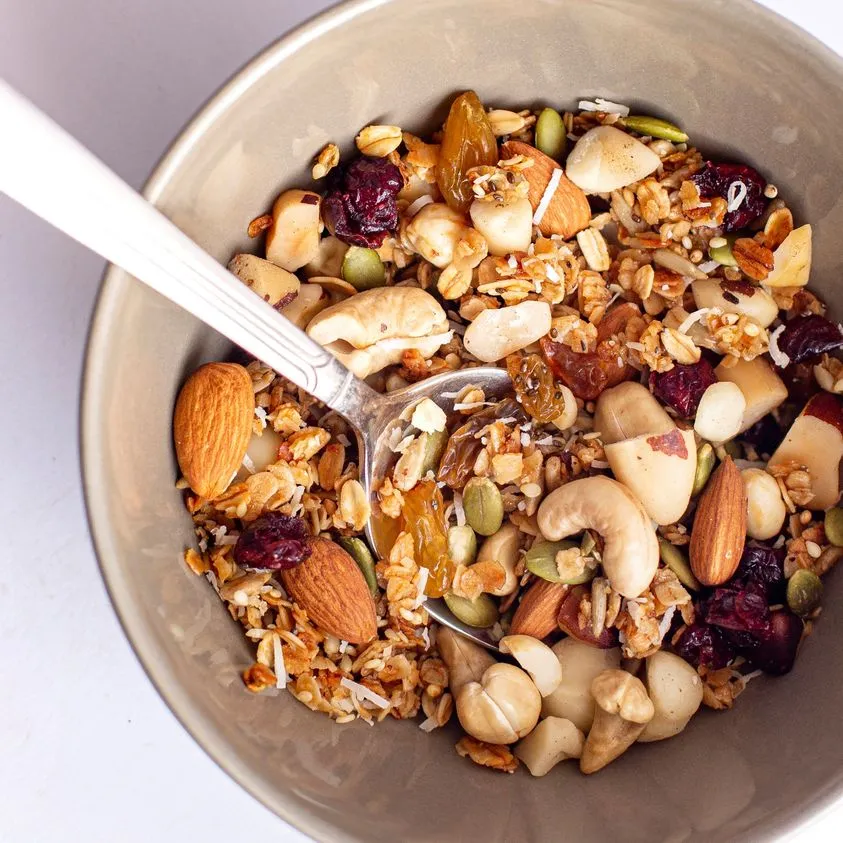
Cashews vs almonds — when ground into flour, their color can look quite similar.
Key Differences Between Cashew Flour and Almond Flour
Although both flours may look alike, they are not the same. Each type has its own flavor, texture, calorie level, fat content, and nutritional profile. You can tell the difference by touching, smelling, tasting, and comparing their structure.
=> Read more: What Is Cashew Flour? How to Make Cashew Flour at Home
Flavor
When you smell cashew flour and almond flour, you can notice a clear difference.
Cashew flour has a mild, buttery aroma. When tasted, it is slightly sweet, creamy, and rich. Sometimes it may also have a very light astringent note, depending on the quality of the cashews.
Almond flour has a stronger nutty smell. Its taste is also richer and may carry a light bitterness, along with a warm, nutty aftertaste.
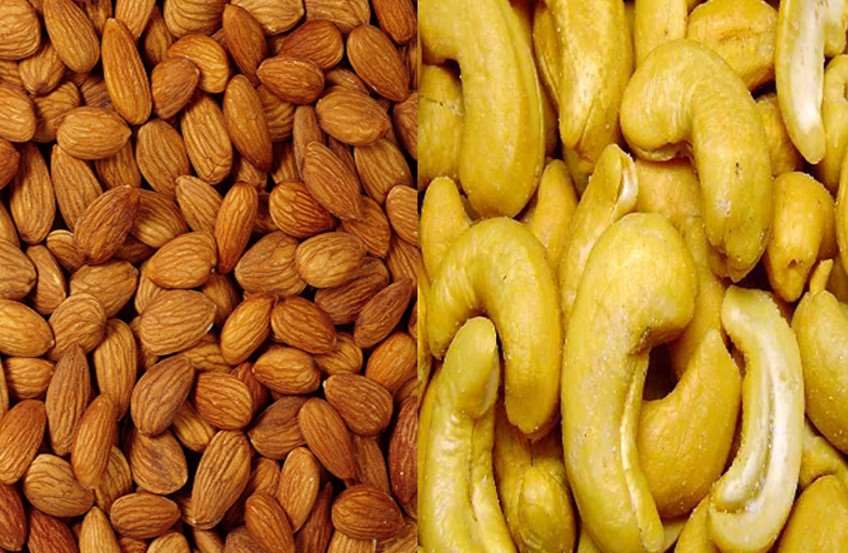
Cashew flour has a buttery aroma, while almond flour has a stronger nutty smell.
Texture
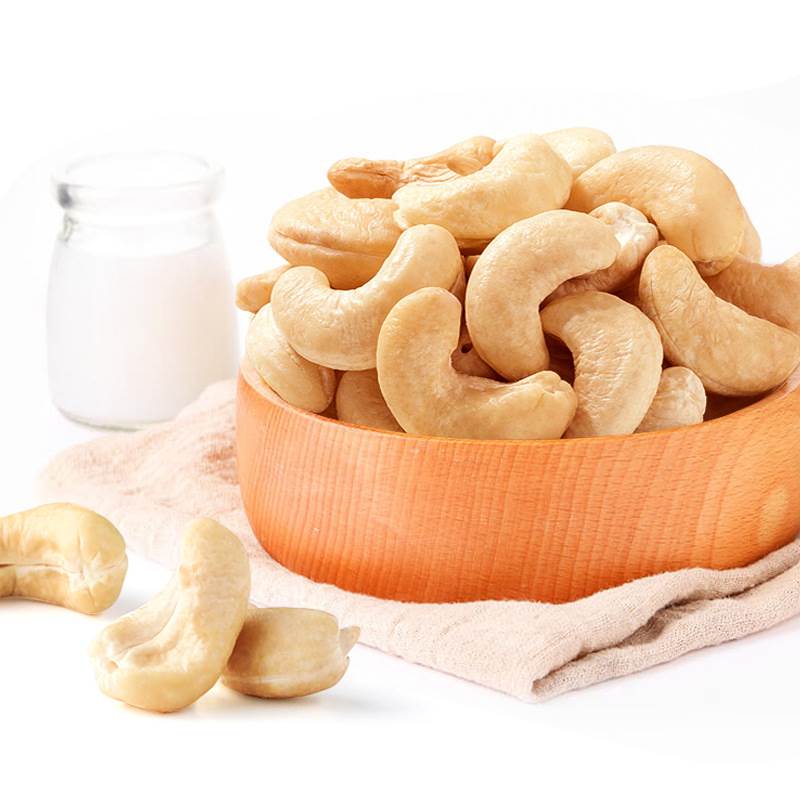
Cashews are naturally softer and creamier than almonds. Because of this, cashew flour tends to feel smoother and softer.
Almonds are firmer and denser, so almond flour often has a slightly rougher, heavier texture. This is why almond flour can feel more grainy when compared with cashew flour.
Calories
Almond flour usually contains more calories than cashew flour. In some comparisons, almond flour may contain around 33% more calories. Because of this, almond flour can help you feel full for a longer time.
However, this also means that almond flour should be used in a controlled amount. If consumed too much, its higher calorie content may contribute to excess energy intake and weight gain.
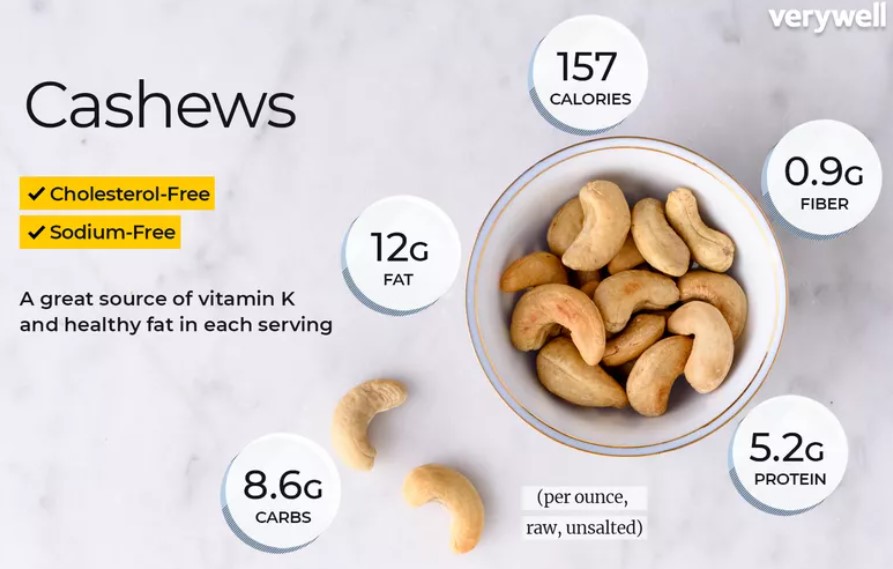
Almond flour contains more calories than cashew flour, so it may help you feel full for longer.
Fat Content
Similar to calories, almonds also contain more fat than cashews. In general, the fat content in almonds can be about 1.5 times higher than that of cashews.
Both cashew flour and almond flour contain mostly healthier fats. Still, portion control is important. Eating too much of either flour may lead to excess calorie intake, bloating, or unwanted weight gain.

Nutrients
Cashew flour is often valued for its iron and potassium content. These nutrients may support blood circulation and overall body function. Potassium also plays a role in balancing fluids in the body.
Almond flour, on the other hand, is known for its higher calcium and protein content. These nutrients may support bone health, muscle function, and general wellness.
So, each flour has its own strength. Cashew flour may be a better choice if you want a softer, creamier flour with a mild taste. Almond flour may be a better option if you want a firmer flour with higher calories and a stronger nutty flavor.
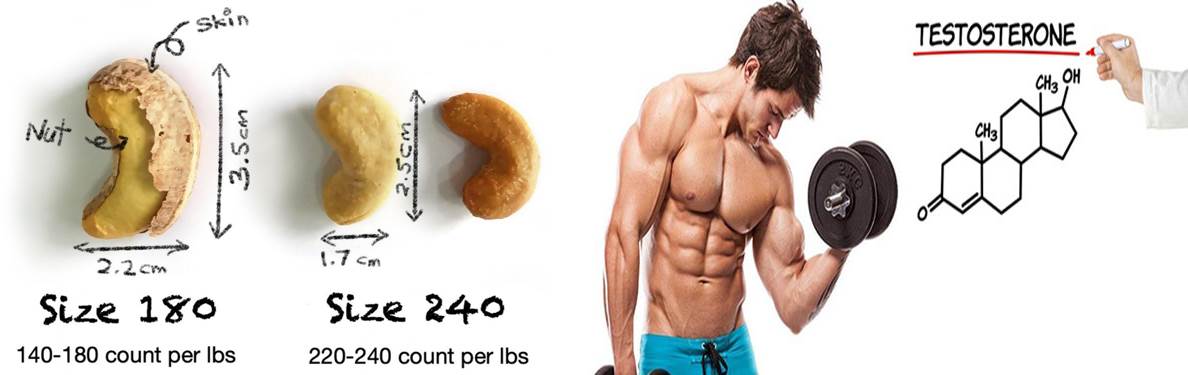
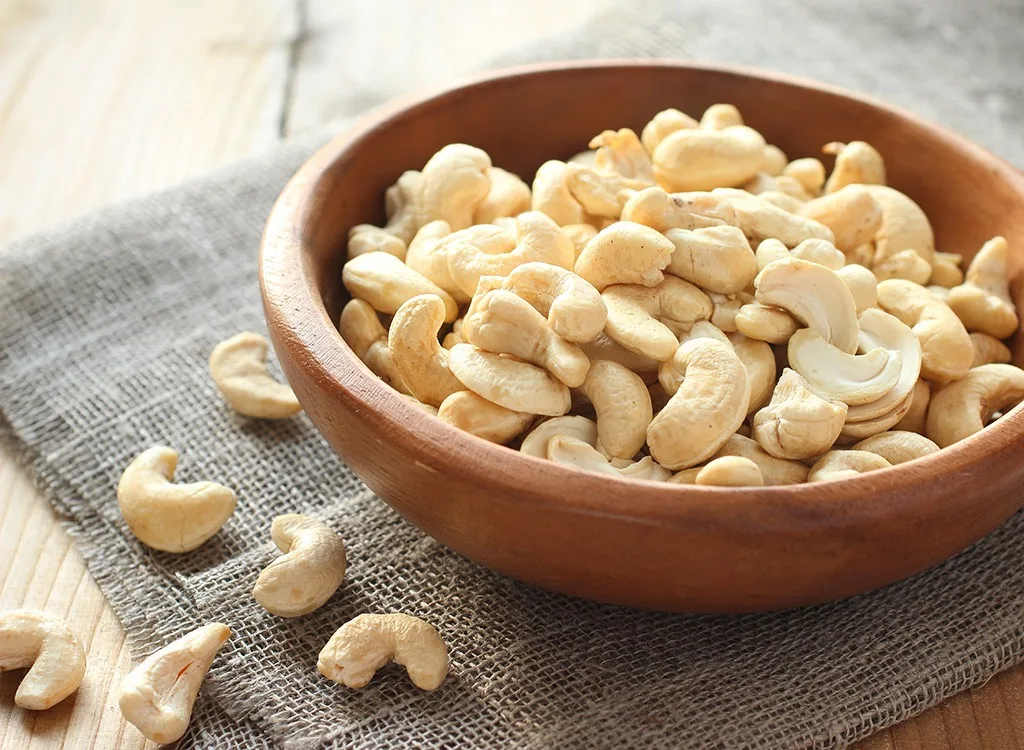
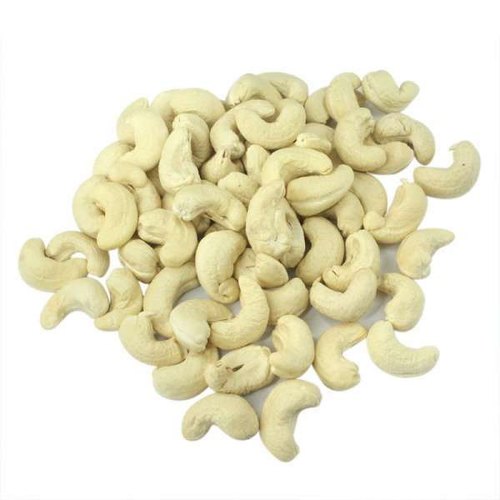
Cashew kernels can support a nutritious and balanced diet.
Should You Choose Cashew Flour or Almond Flour?
Both cashew flour and almond flour can be good choices for a healthier diet. There is no single answer to which one is better, because each flour has different strengths.
If you prefer a mild, naturally sweet, and creamy flavor, cashew flour is a great option. It works well in smoothies, porridge, cashew milk, cookies, cakes, sauces, and baby-friendly recipes.
If you prefer a stronger nutty taste and a denser texture, almond flour may suit you better. It is commonly used in baking, low-carb recipes, gluten-free cakes, and bread alternatives.
One more point to consider is food allergy. Almonds may cause allergic reactions in some people. Cashews can also cause allergies, but the risk depends on each person’s body. If you are sensitive to tree nuts, you should be careful and consult a health professional before using either flour.
=> Read more: Can Cashews Be Harmful to Dogs?

Eating cashews can be beneficial for heart health when used in a balanced diet.
Can You Replace Almond Flour with Cashew Flour?
The answer is yes. In many recipes, you can replace almond flour with cashew flour. Since both are nut-based flours, they share many similar nutrients and can often be used in the same dishes.
However, the final result may be slightly different. Cashew flour is softer and creamier, so it can make recipes taste richer and smoother. Almond flour is firmer and more textured, so baked goods may feel denser when made with almond flour.
In short, if a recipe calls for almond flour, cashew flour can be used as a substitute in many cases. You may need to adjust the amount of liquid or fat depending on the recipe.
With the information above, Kimmy Farm hopes you can now tell the difference between cashew flour and almond flour more easily. Both are nutritious, useful, and flexible ingredients for healthy cooking. The best choice depends on your taste, your recipe, and your nutrition needs.
=> Read more: Top 5 Delicious Cashew Recipes You Can Easily Make at Home


Chúng tôi là một thương hiệu chuyên sản xuất, thương mai và xuất khẩu các mặt hàng nông sản của Việt Nam. Chúng tôi có vùng trồng điều & nhà máy điều ở Bình Phước, trại nuôi ruồi lính đen ở Tây Ninh. Các mặt hàng xuất khẩu chính của Công ty là: hạt điều, hạt điều nhân, ruồi lính đen,… từ Việt Nam.