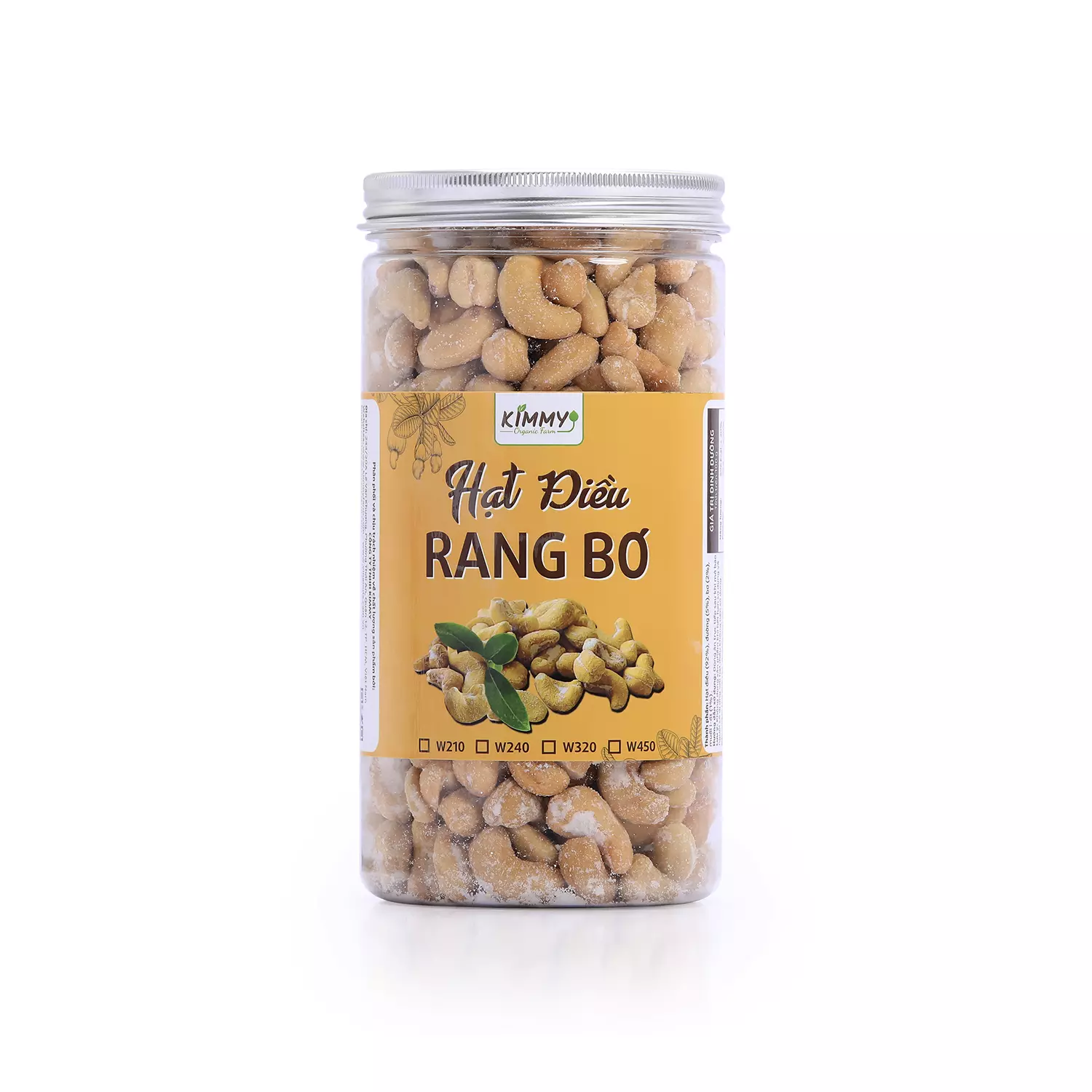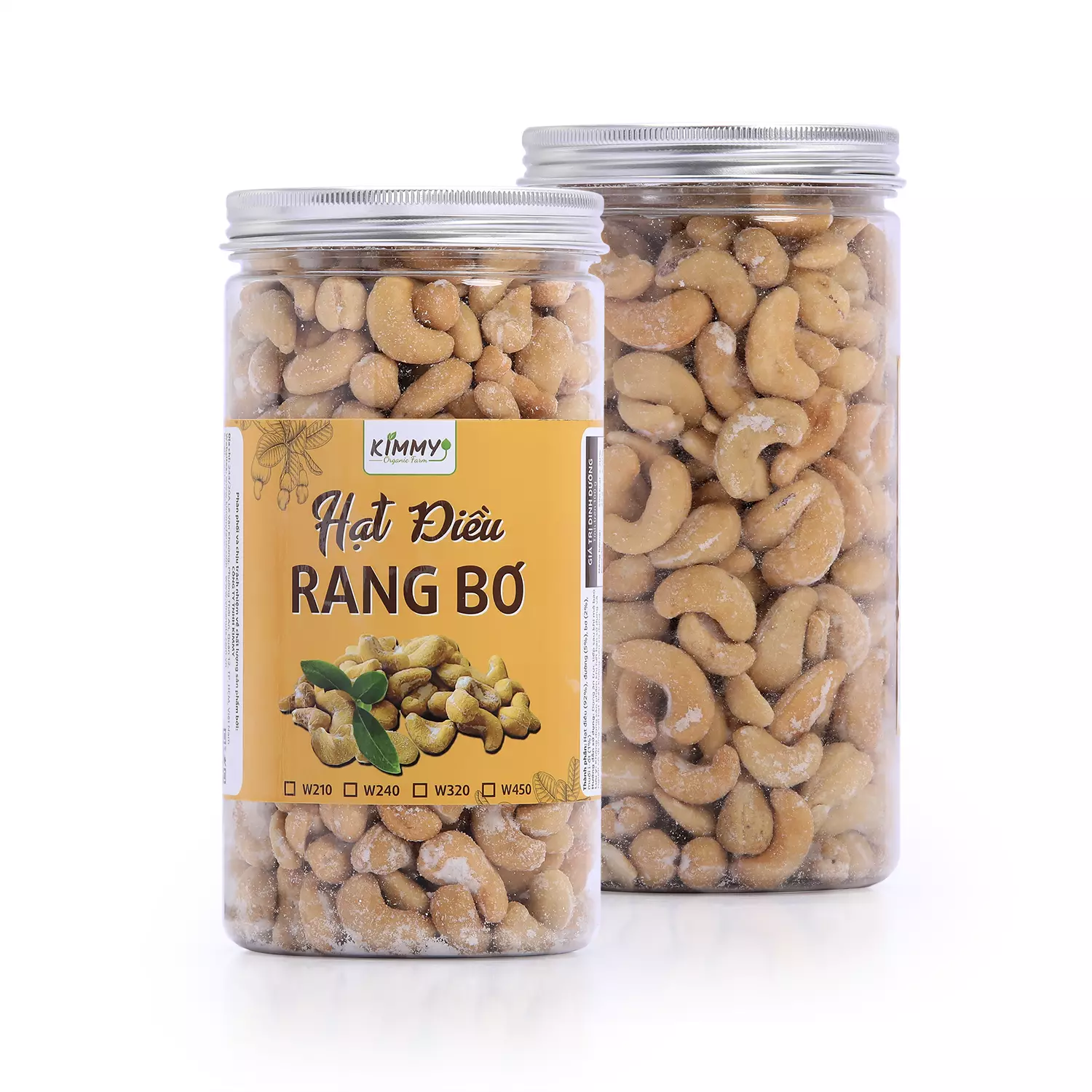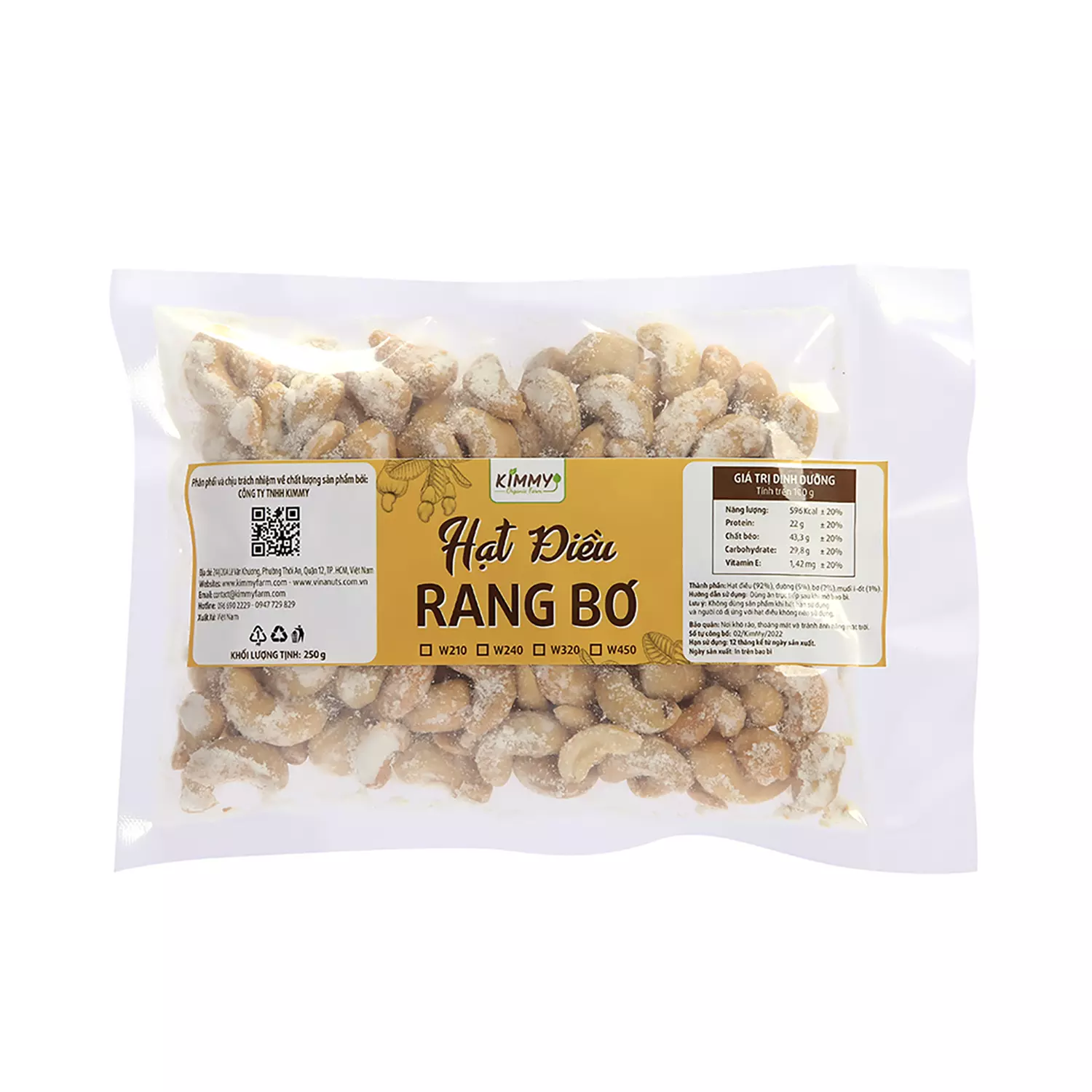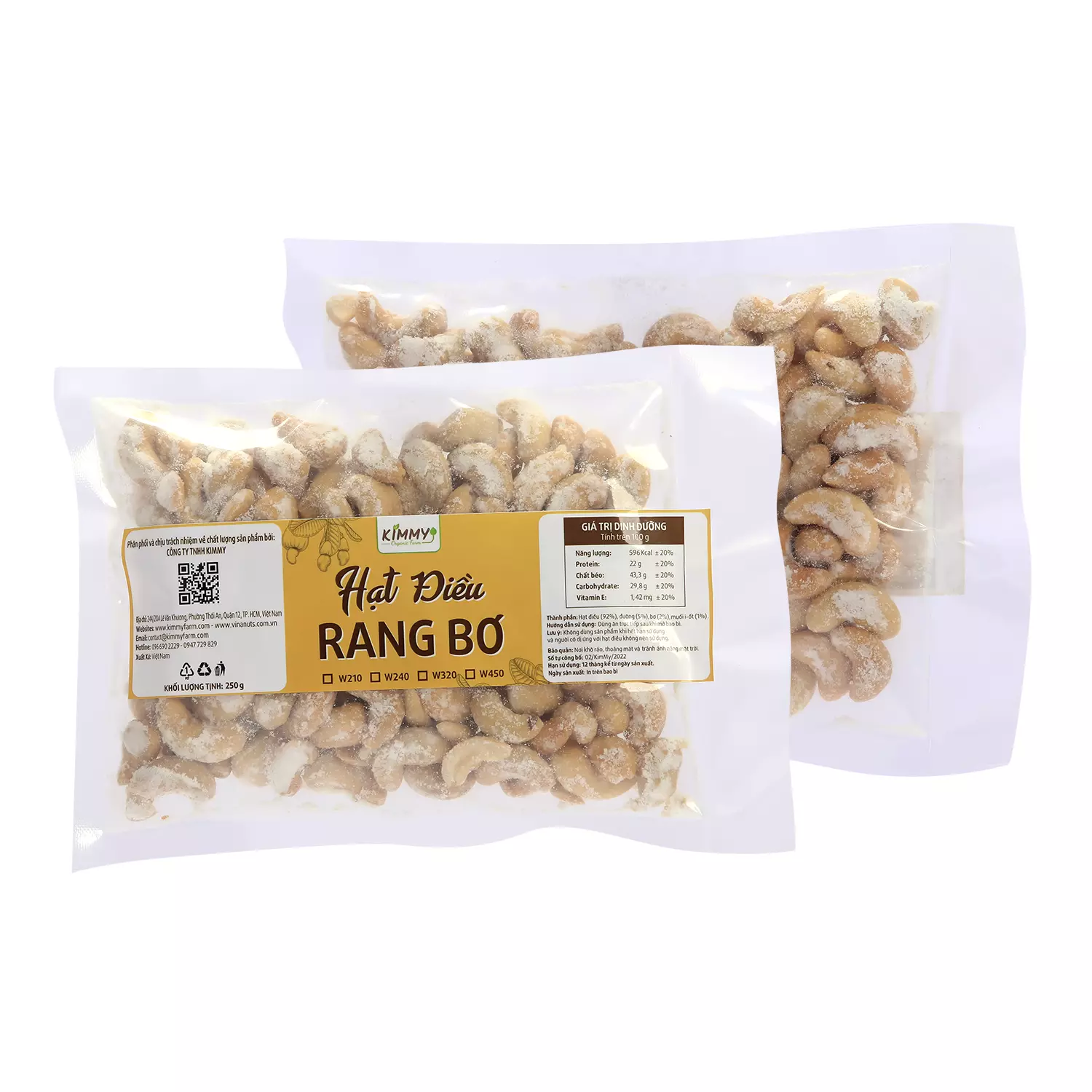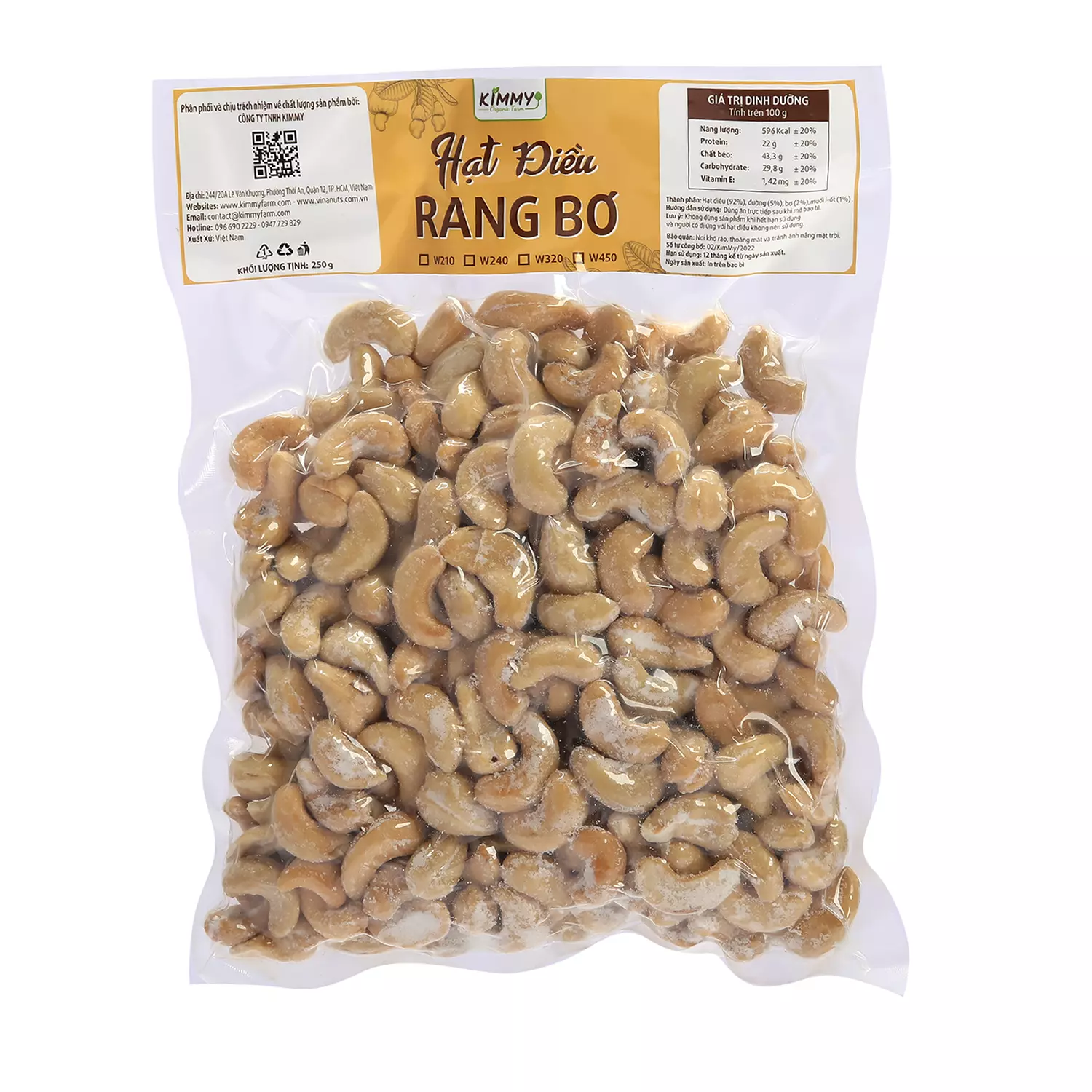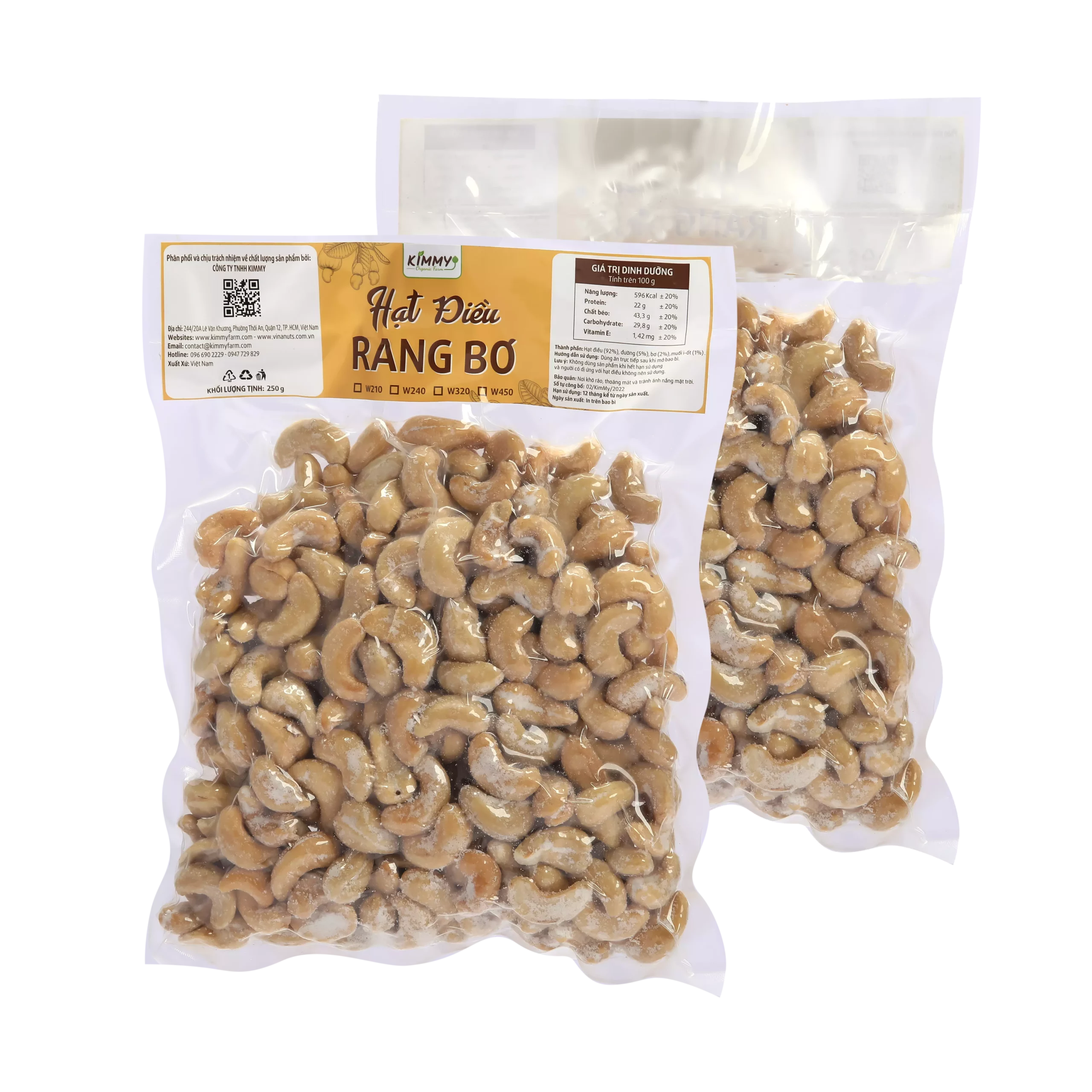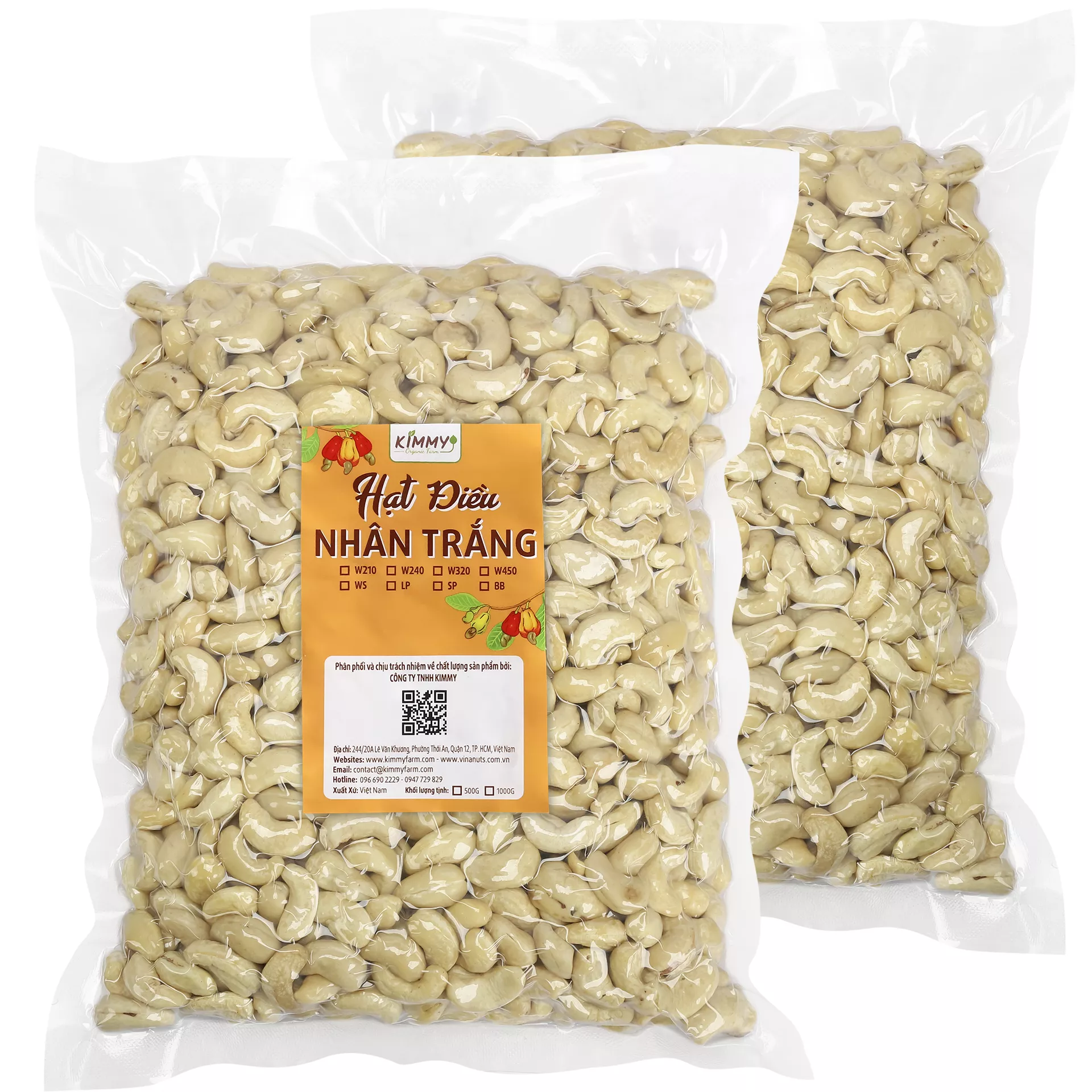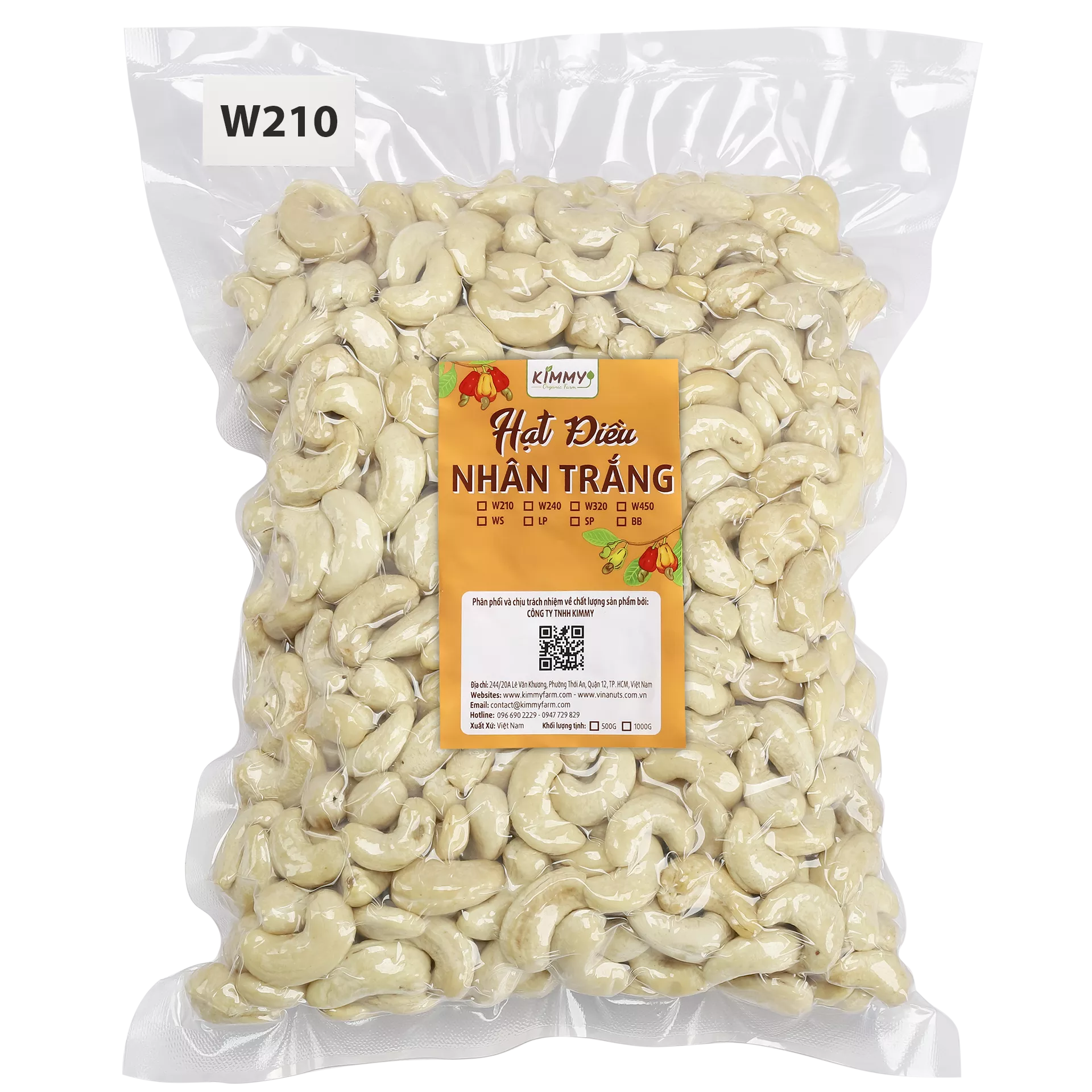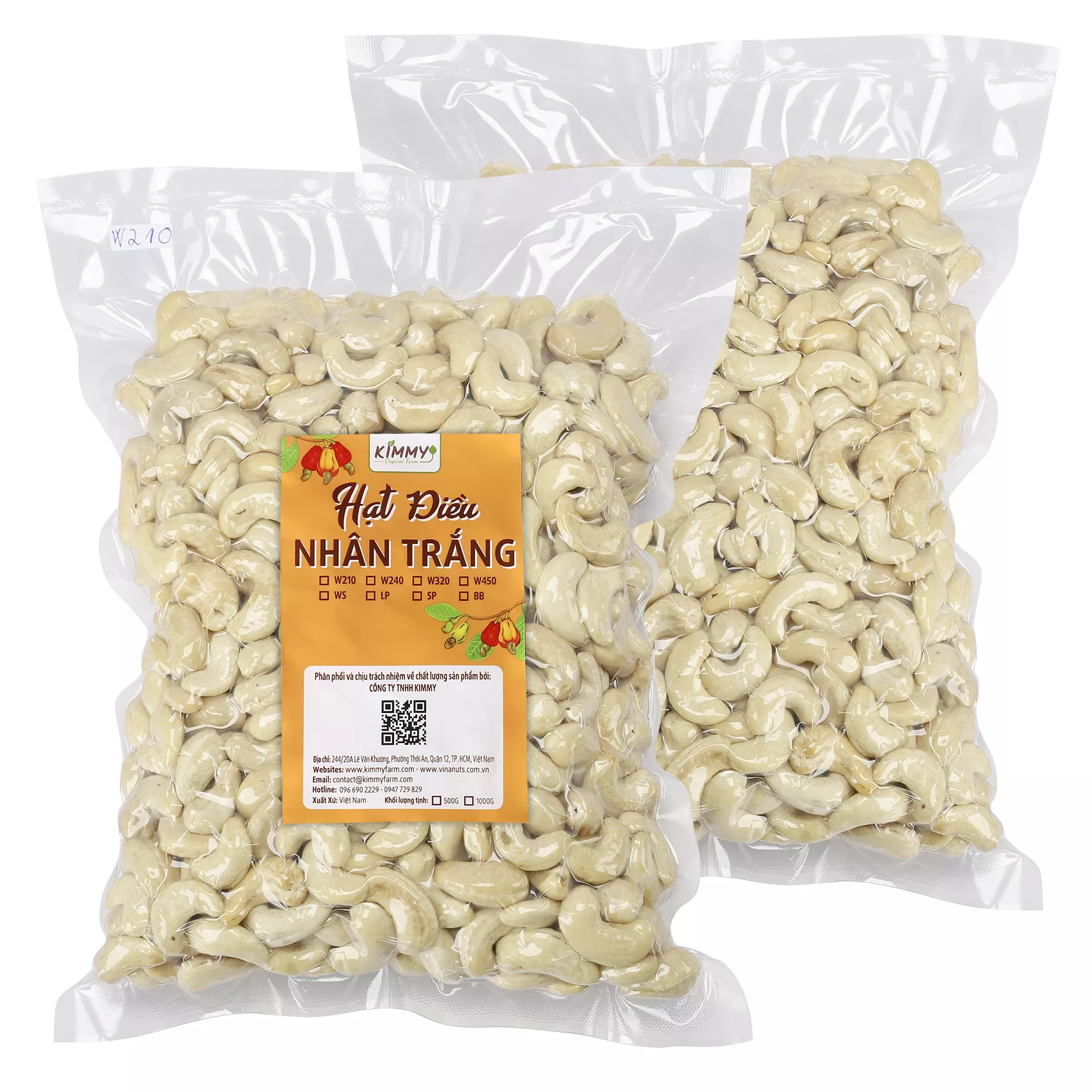
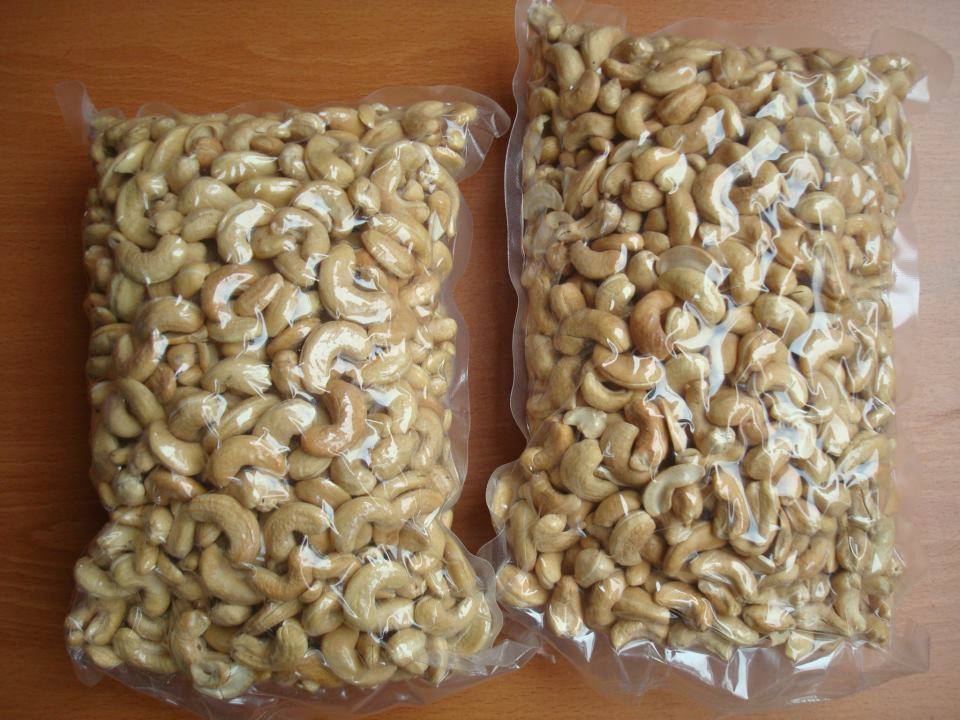
What are the benefits of eating cashews? How many cashews should you eat per day? Can eating too many cashews make you gain weight? These are common questions for anyone who enjoys cashews but still wants to maintain a healthy diet.
Cashew kernels are rich in nutrients. They contain mostly unsaturated fats, along with many important minerals and vitamins such as copper, manganese, magnesium, zinc, iron, phosphorus, vitamin K, vitamin E, and B vitamins.
Cashews can be a healthy snack when eaten in the right amount. However, like many nutritious foods, eating too much can bring unwanted effects. The key is balance.
How Many Cashews Should You Eat Per Day?
For most adults, eating about 15–30 cashews per day is a reasonable amount. This portion can provide healthy fats, plant-based protein, minerals, and energy without adding too many extra calories to your diet.

Not all fats are bad for your body. In fact, the unsaturated fats found in cashews may support heart health when they are part of a balanced diet. Some studies suggest that eating nuts, including cashews, may help support healthy cholesterol levels and blood pressure.
Cashews also contain nutrients such as potassium, vitamin E, vitamin B6, and folate, which may contribute to overall heart and body health.
=> Read more: Wholesale Cashews Direct from Factory, No Middleman
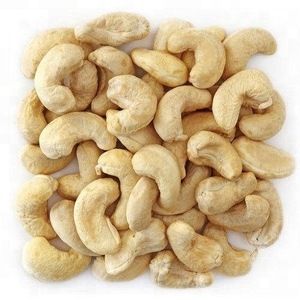
You can eat around 15–30 cashew kernels per day.
How Many Cashews Per Day Is Too Much?

For the average person, eating more than 40 cashews per day may be too much. Cashews are nutritious, but they are also calorie-dense. If you eat them without control, they can easily add extra calories to your daily diet.
For athletes or people with high physical activity, the amount may be different. Because their metabolism and energy needs are higher, they may be able to eat around 30–40 cashews per day. Still, this should be balanced with their full meal plan.
If you eat more cashews, you should also drink enough water and pay attention to sodium intake, especially if you are eating salted roasted cashews. Salted nuts can increase your daily sodium intake quickly.
=> Read more: Health Benefits of Cashews
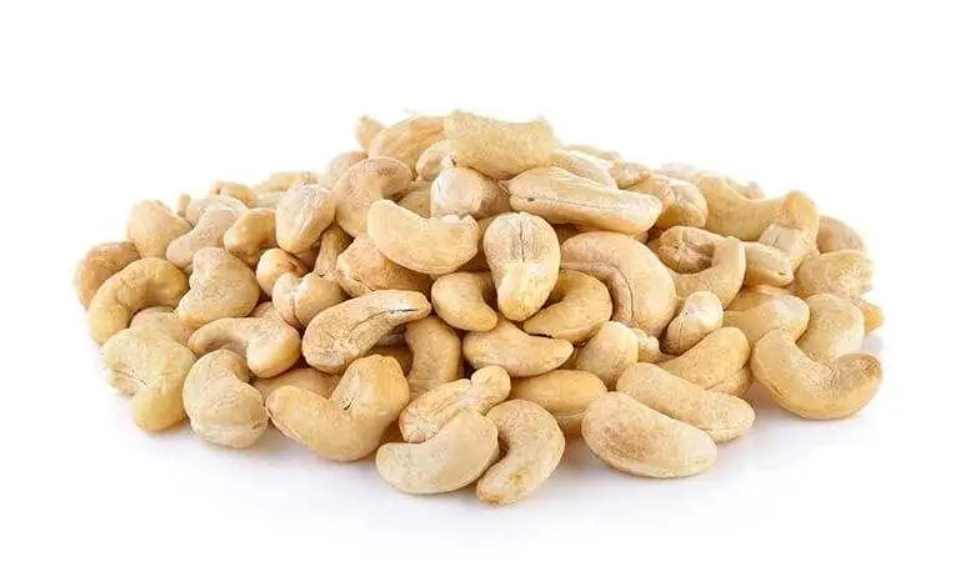
Eating more than 40 cashews per day may be too much for the average person.
When Is the Best Time to Eat Cashews?
Cashews are rich in fat and contain a moderate amount of fiber, so some people may find them a little heavy if eaten in large amounts. A good time to eat cashews is before a main meal or as a small snack between meals.
You should also combine cashews with vegetables, fruits, or other fiber-rich foods. This may help support digestion and reduce the chance of feeling bloated or constipated.
If you are eating cashews for weight control, avoid eating them straight from a large bag. Instead, measure a small portion first. This simple habit helps prevent overeating.
=> Read more: When Is the Best Time to Eat Cashews?
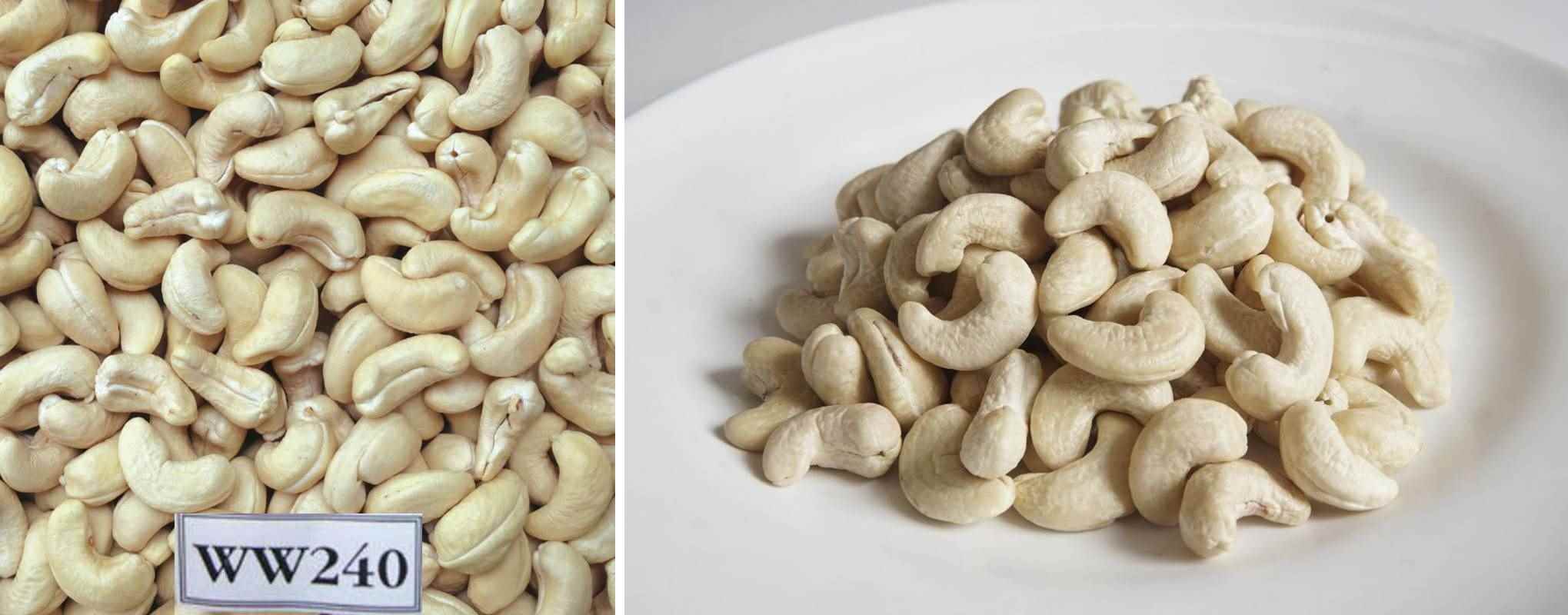
Cashews are best eaten in a moderate amount and paired with fiber-rich foods.
Is It Good to Eat Too Many Cashew Kernels Every Day?
Eating cashews every day can be good when the portion is moderate. But eating too many cashews may cause some unwanted effects. The most common concerns include weight gain, bloating, digestive discomfort, headaches in sensitive people, nut allergies, and possible interaction with some medications.
Possible side effects of eating too many cashews include:
- Weight gain
- Headache
- Bloating or indigestion
- Nut allergy
- Possible interaction with certain medicines
- High sodium intake if eating salted cashews
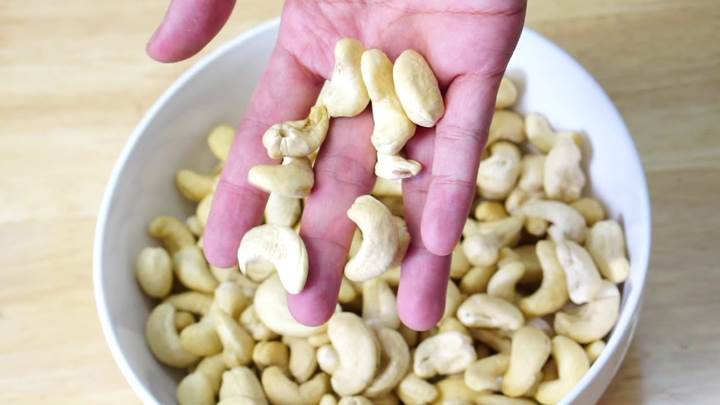
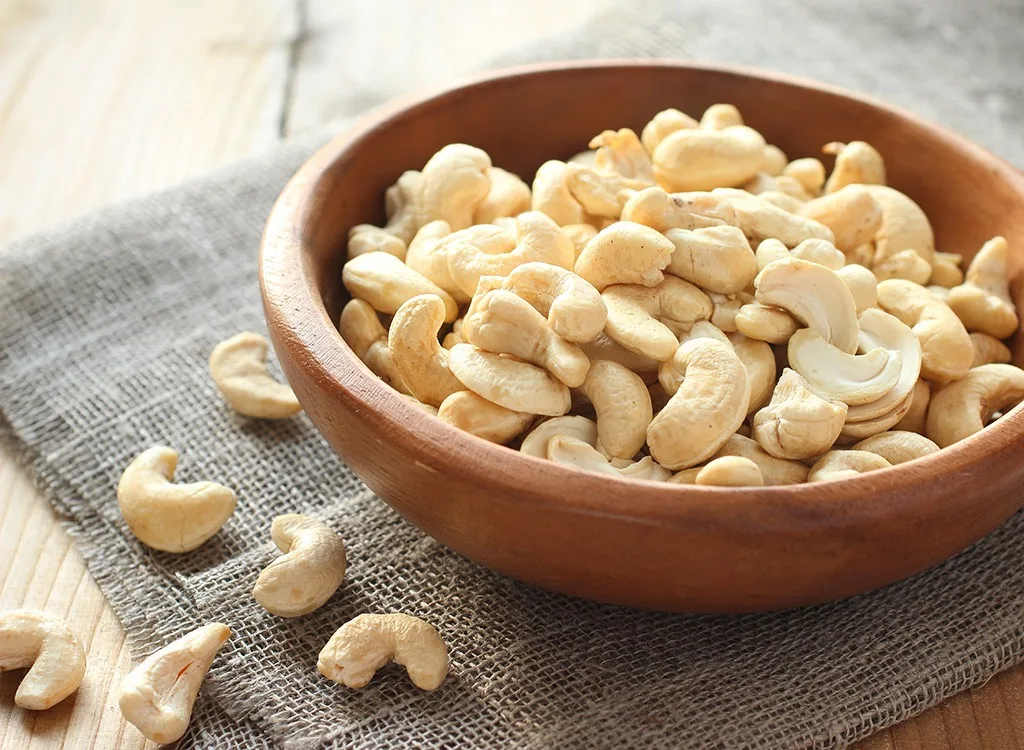
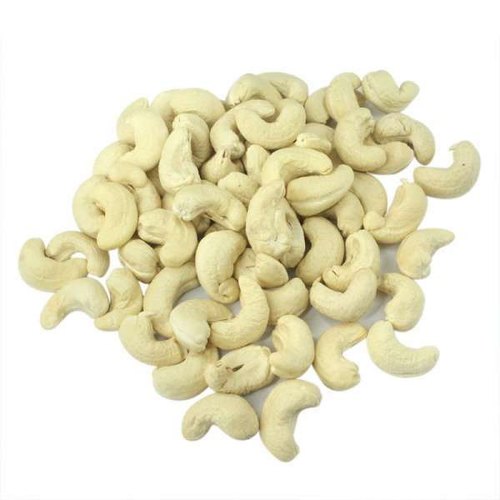
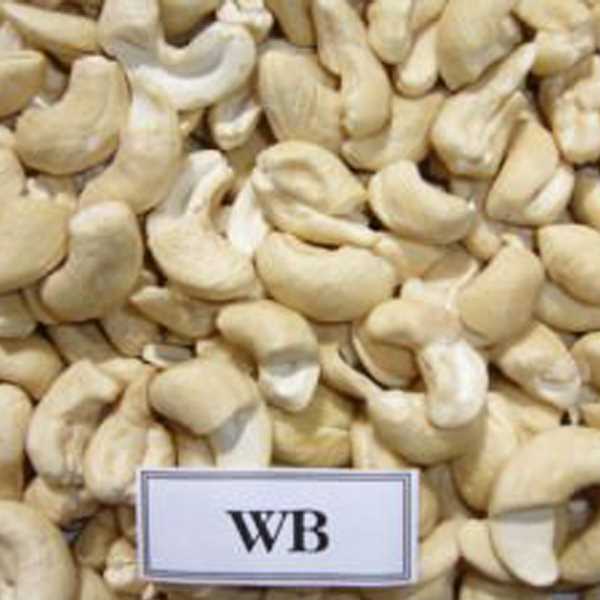
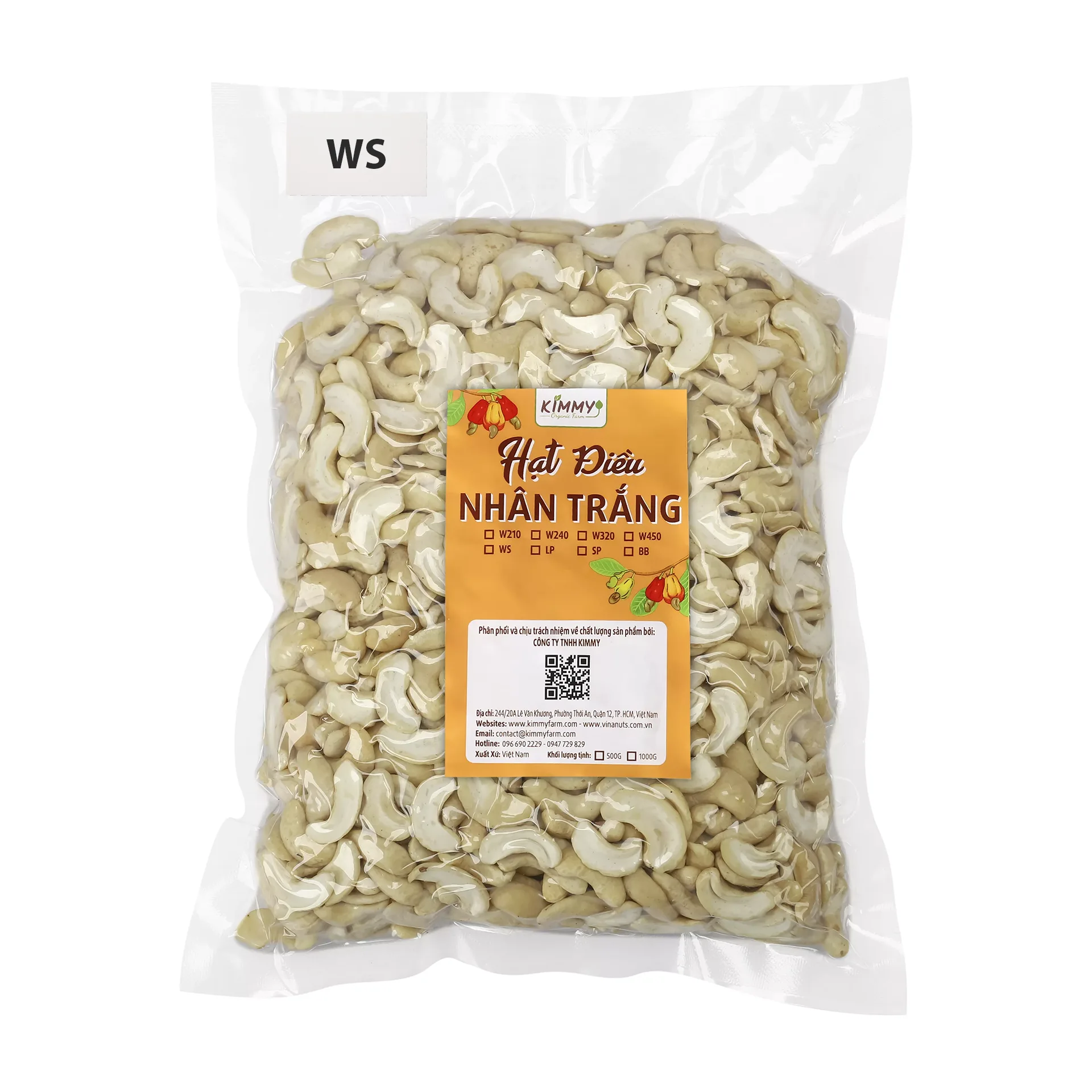
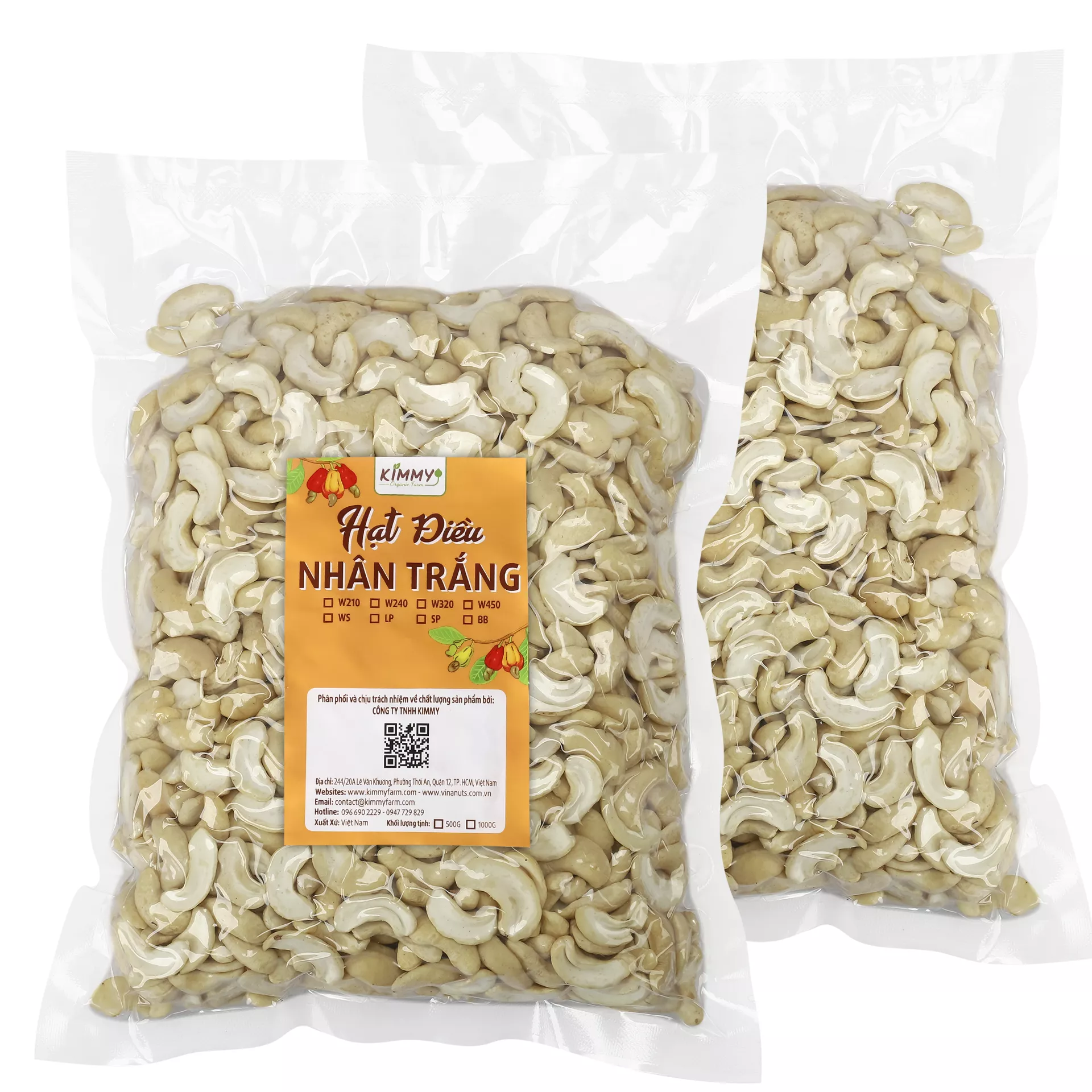
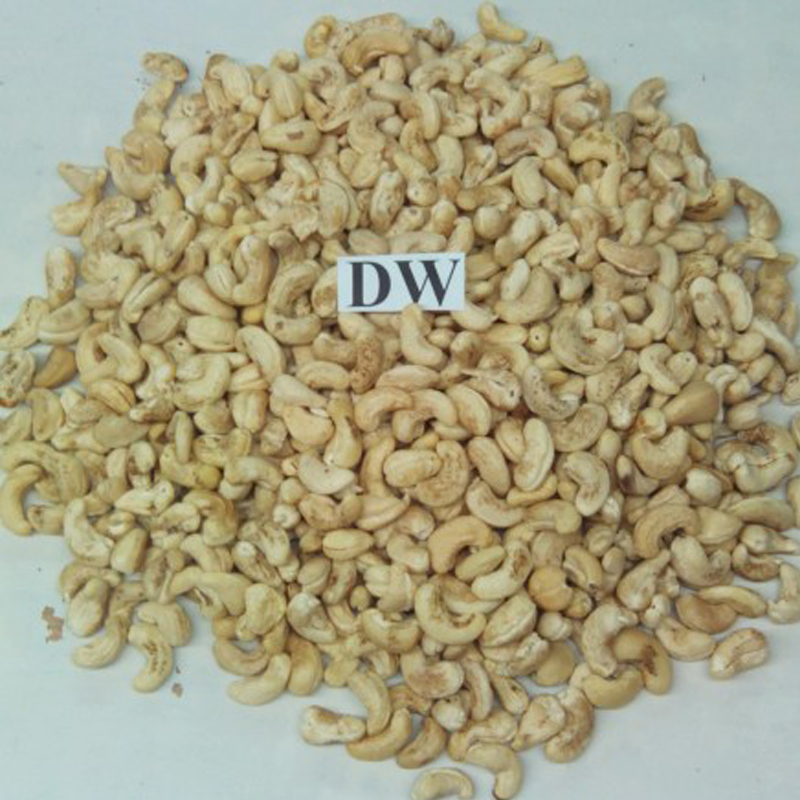
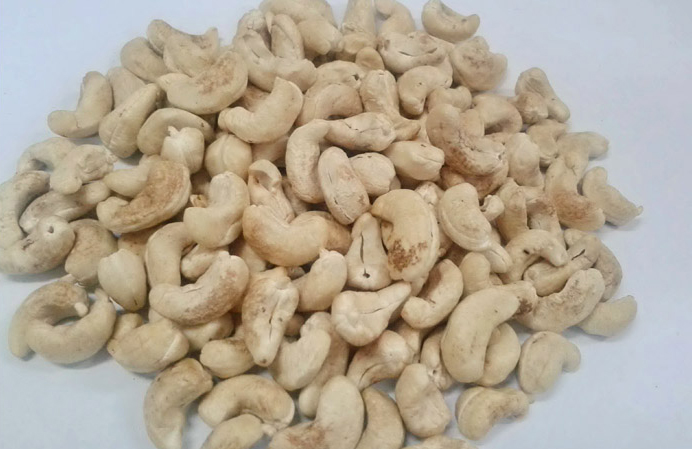
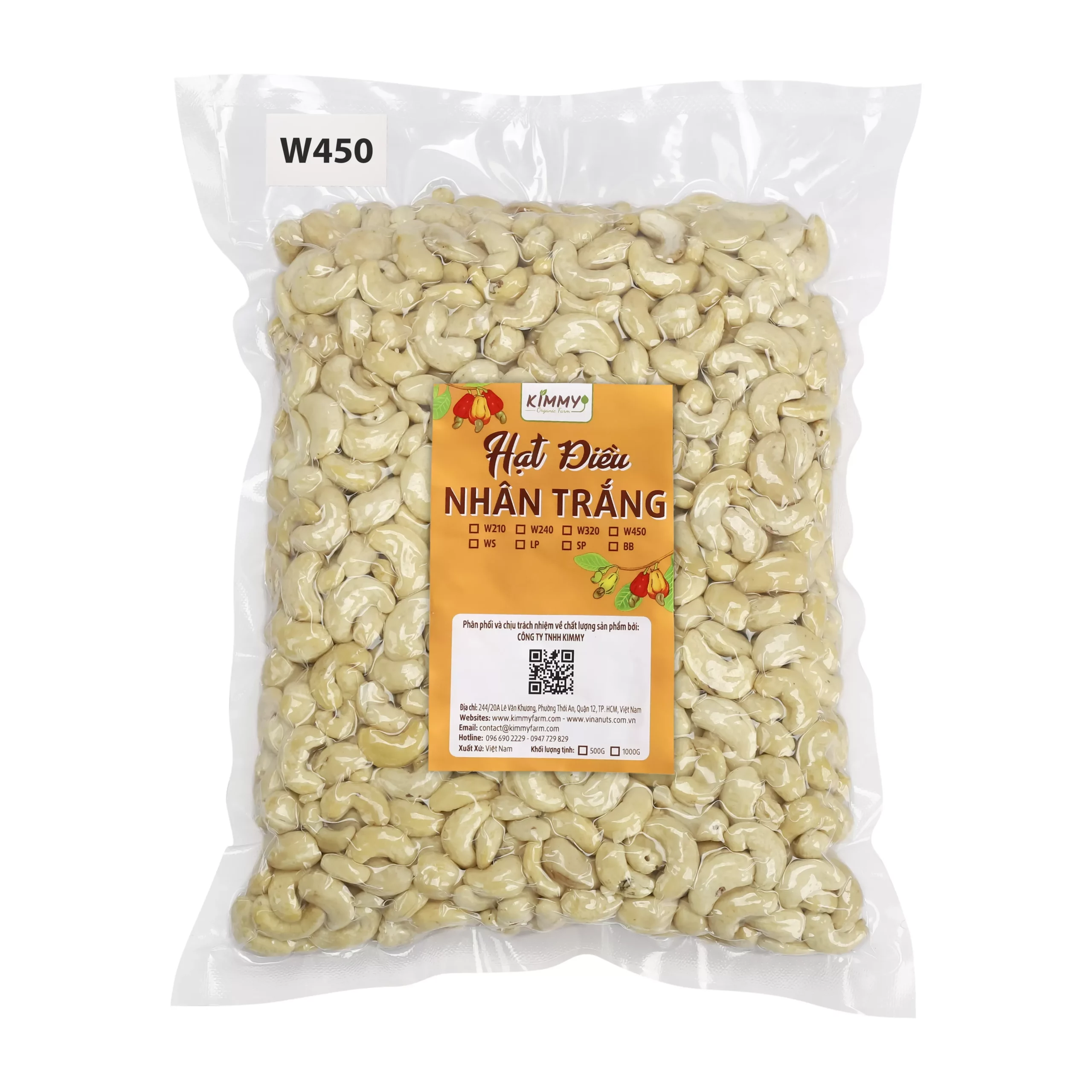
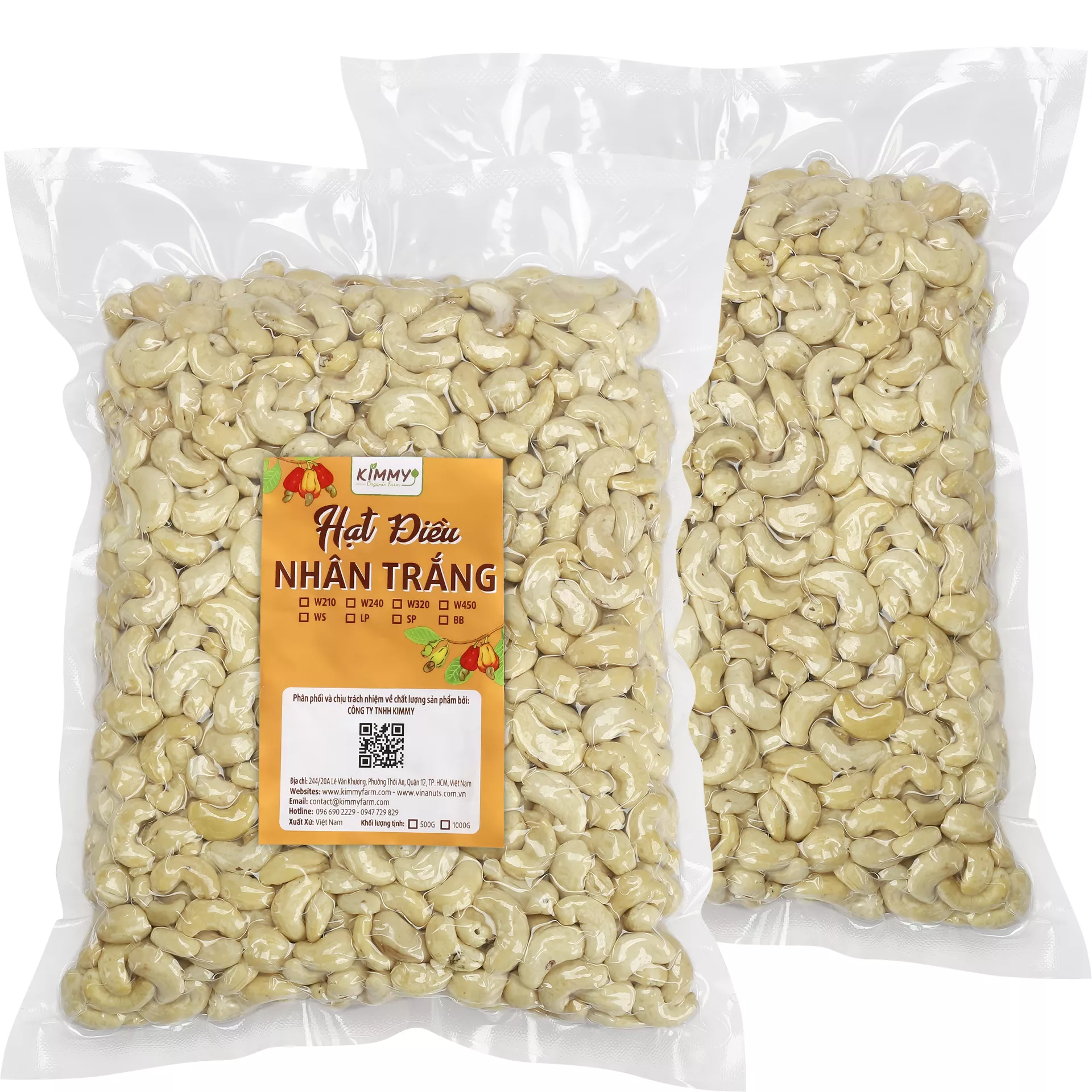
Cleaned white cashew kernels.
1. Weight Gain
Cashew kernels are high in calories and healthy fats. So, can eating too many cashews make you gain weight? Yes, it can. If you eat a large amount every day without adjusting the rest of your meals, you may gain weight over time.
However, this does not mean cashews are bad for weight control. When eaten in a moderate amount, cashews can be a filling and satisfying snack. Their healthy fats and protein may help reduce cravings and support better appetite control.
The problem is not cashews themselves. The problem is eating too many of them.
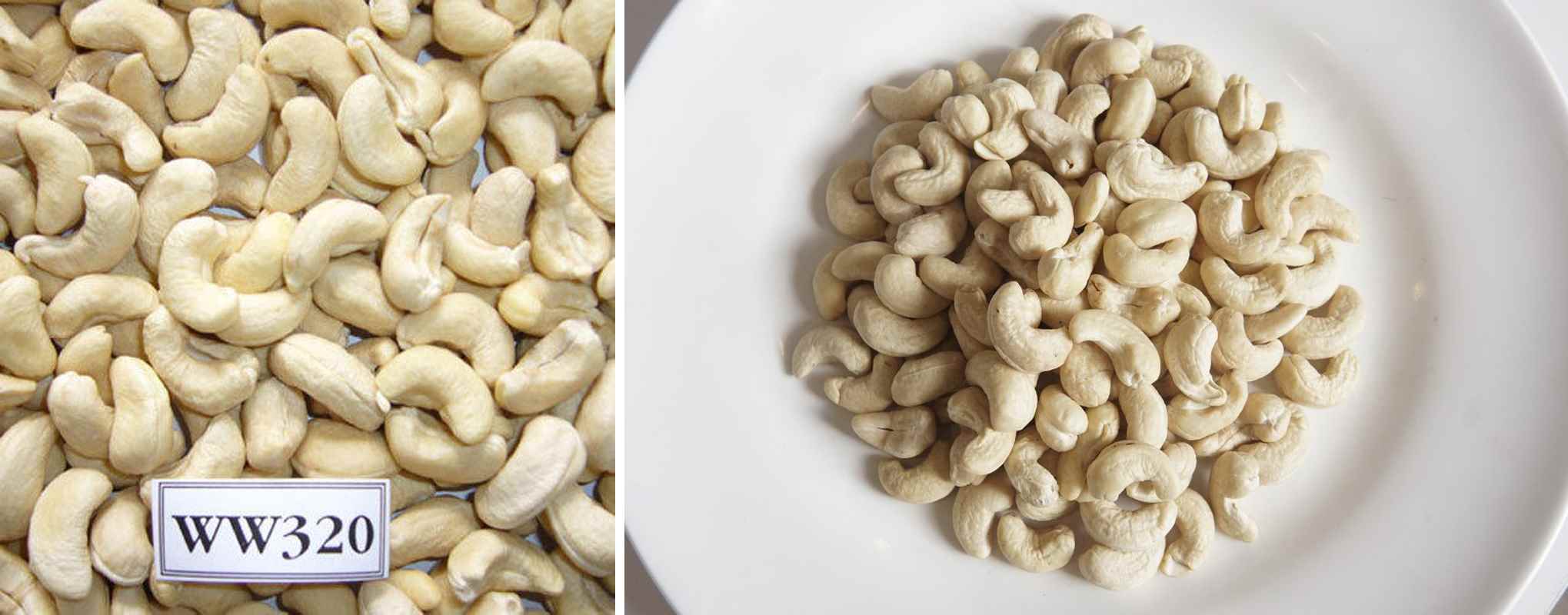
Cashew kernels contain healthy fats and calories, so portion control is important.
2. Headache
Some people may experience headaches after eating too many cashews or other nuts. This does not happen to everyone, but it may occur in people who are sensitive to certain natural compounds found in nuts.
Cashews contain amino acids and compounds such as tyramine and phenylethylamine. These compounds are not harmful to most people. However, in sensitive individuals, they may trigger headaches or migraines.
If you often get headaches after eating nuts, it may be better to reduce your portion and observe how your body reacts.

Eating too many cashews may trigger mild headaches in sensitive people.
3. Bloating and Indigestion
Eating too many cashews in one day may cause bloating or indigestion. Cashews, like many other nuts, are high in fat. When you eat too much fat at once, digestion may slow down.
This can make the stomach feel heavy and may lead to gas buildup in the stomach and intestines. In addition, nuts contain natural compounds such as phytates and tannins, which can make digestion harder for some people.
To avoid this, eat cashews in small portions and chew them well. You can also pair them with fruits or vegetables to make the snack easier to digest.

Eating too many fatty nuts such as cashews may cause bloating.
4. Nut Allergy
If you are allergic to tree nuts, you should be very careful with cashews. In some people, cashews may cause serious allergic reactions.
Nut allergy symptoms may include itching, swelling, skin rash, stomach pain, vomiting, breathing trouble, or more severe reactions. People with known nut allergies should avoid cashews unless they have been advised otherwise by a medical professional.
This is especially important for children, because allergic reactions can sometimes be stronger and harder to predict.

People with nut allergies should be careful with cashews.
5. Possible Interaction with Medicine
Cashews contain minerals such as magnesium and potassium. These are useful nutrients, but people who are taking certain medications or have kidney problems should be mindful of their nut intake.
If you have a medical condition or are taking long-term medication, it is best to ask your doctor or nutritionist before eating large amounts of cashews every day.
Do Cashews Make You Fat?
Cashews do not automatically make you fat. Weight gain happens when you consume more calories than your body uses. Since cashews are calorie-dense, eating too many of them can increase your daily calorie intake quickly.
However, when eaten in a proper portion, cashews can be part of a healthy diet. A small serving can help you feel full, reduce snack cravings, and provide healthy fats and minerals.
A practical serving is around 15–30 cashews per day, depending on your body size, activity level, and total diet.
How to Eat Cashews in a Healthier Way
To enjoy cashews without overeating, you can follow these simple tips:
- Choose plain, unsalted cashews when possible.
- Avoid eating straight from a large bag.
- Measure a small serving before eating.
- Pair cashews with fruit, yogurt, oats, or salad.
- Limit salted roasted cashews if you need to control sodium intake.
- Stop eating if you feel bloated, itchy, or uncomfortable.
Final Thoughts
Cashews are nutritious, delicious, and easy to add to many meals. They provide healthy fats, plant-based protein, vitamins, and minerals. For most people, eating around 15–30 cashews per day is a good amount.
Still, more is not always better. Eating more than 40 cashews per day may be too much for the average person and may lead to weight gain, bloating, or other discomforts.
The best way to enjoy cashews is to eat them in moderation, choose high-quality kernels, and combine them with a balanced diet.
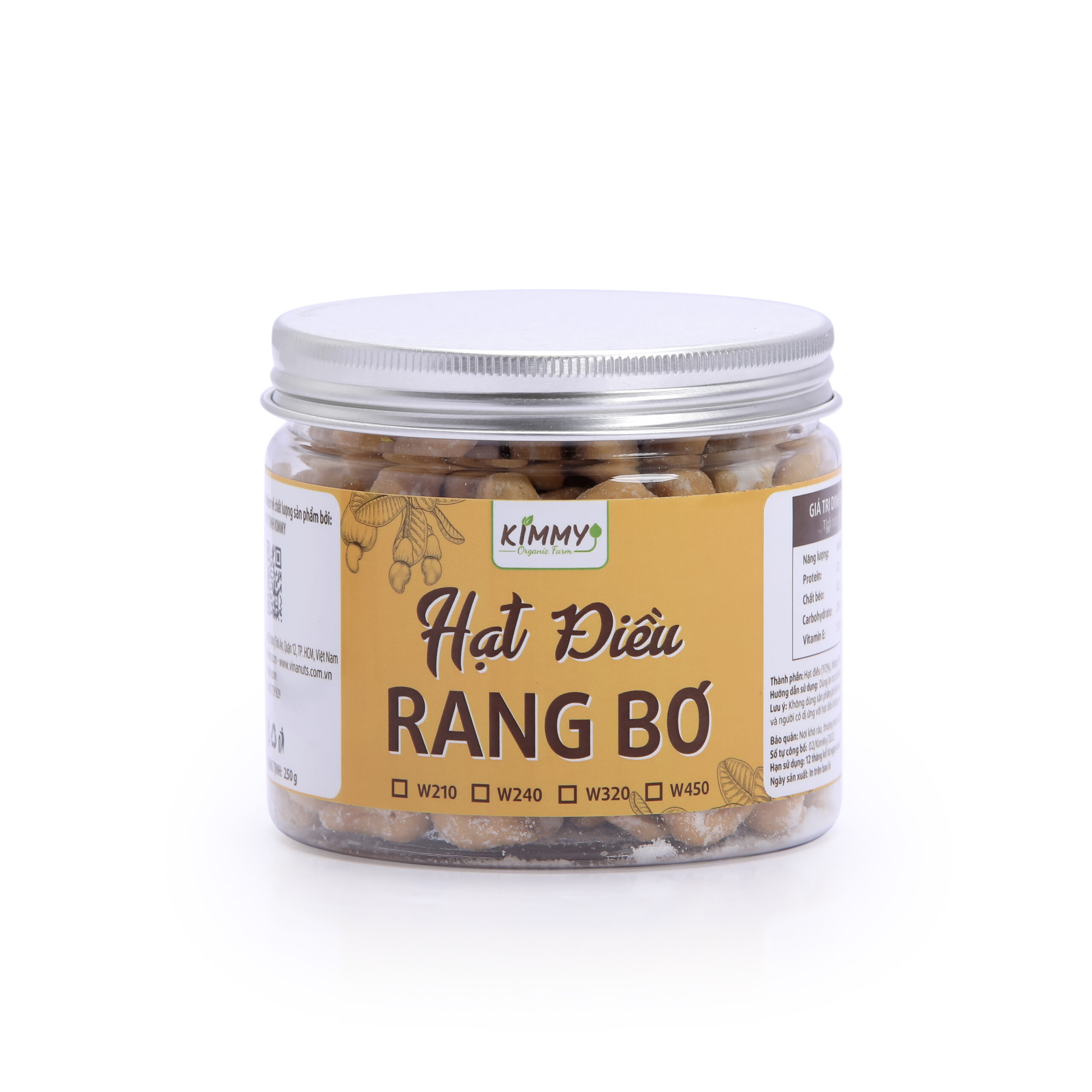
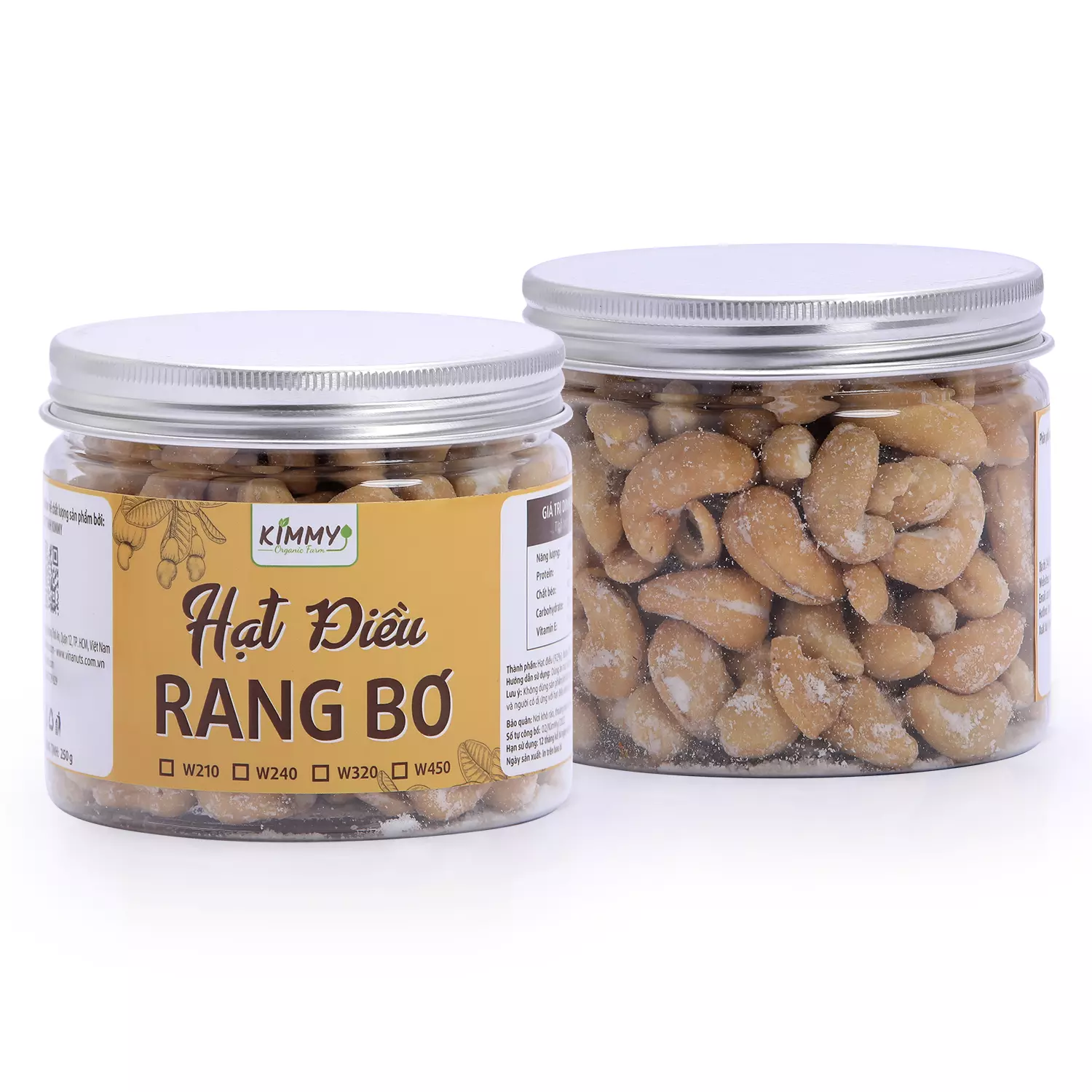
Cashew Kernel Products at Kimmy Farm: Binh Phuoc Cashews
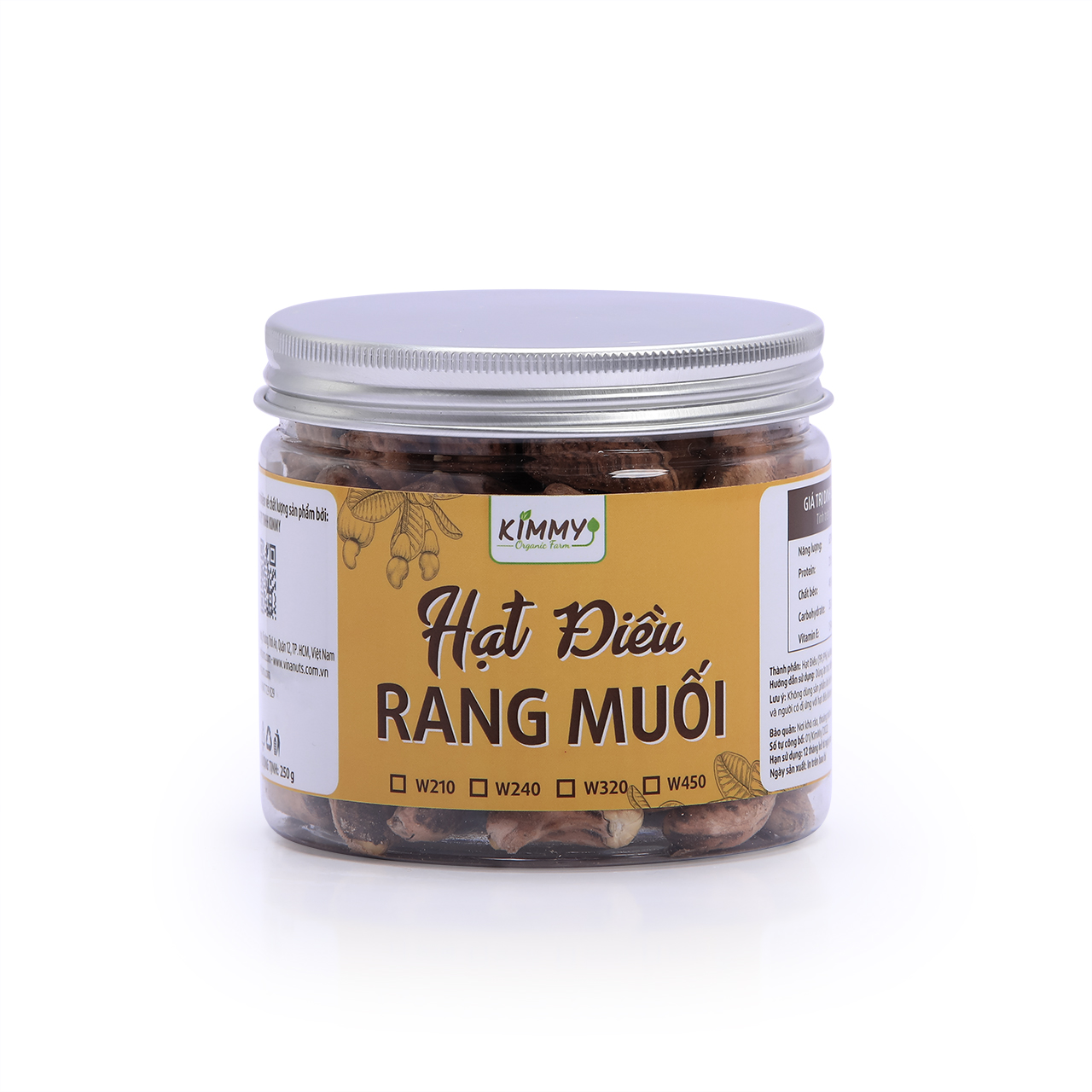
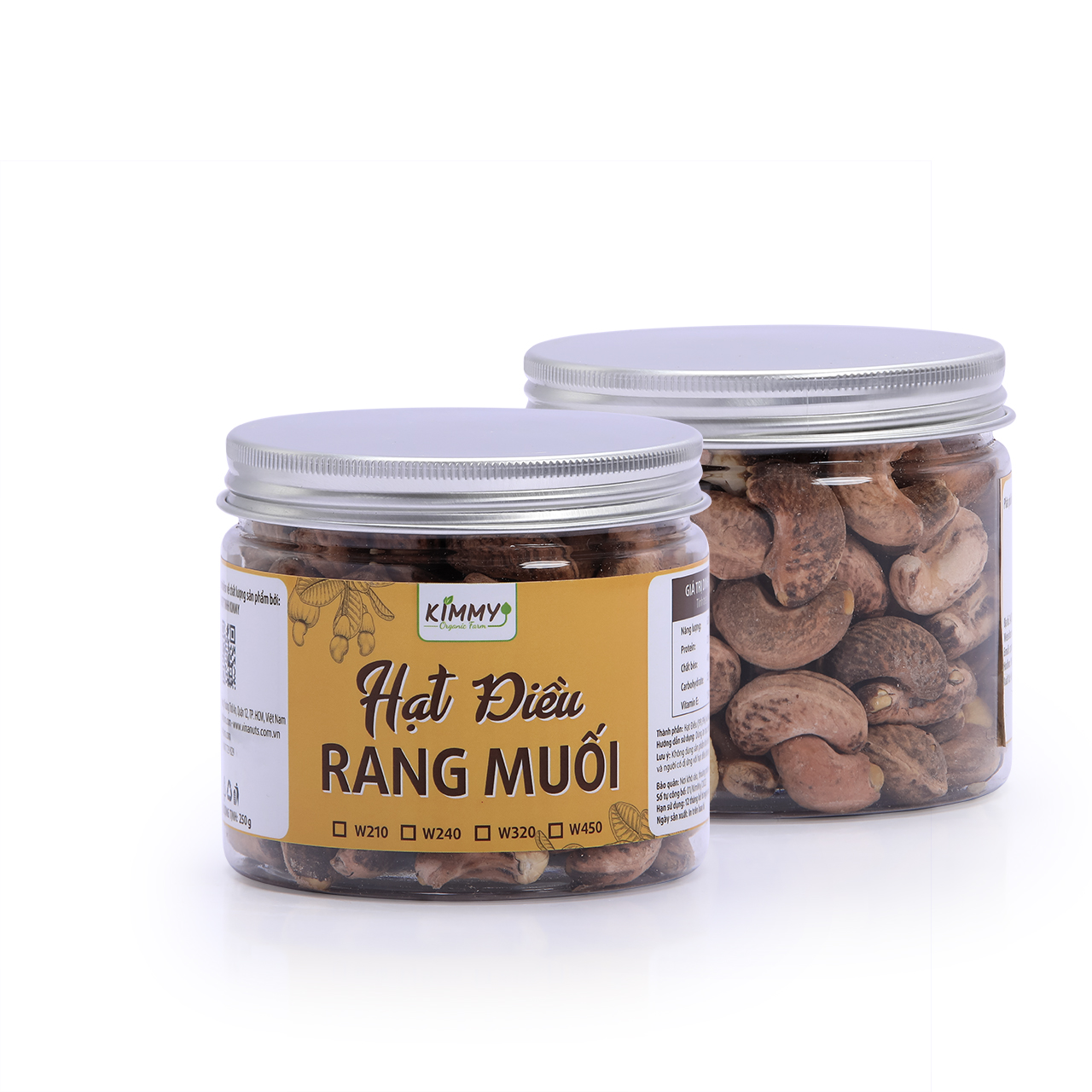
Chúng tôi là một thương hiệu chuyên sản xuất, thương mai và xuất khẩu các mặt hàng nông sản của Việt Nam. Chúng tôi có vùng trồng điều & nhà máy điều ở Bình Phước, trại nuôi ruồi lính đen ở Tây Ninh. Các mặt hàng xuất khẩu chính của Công ty là: hạt điều, hạt điều nhân, ruồi lính đen,… từ Việt Nam.