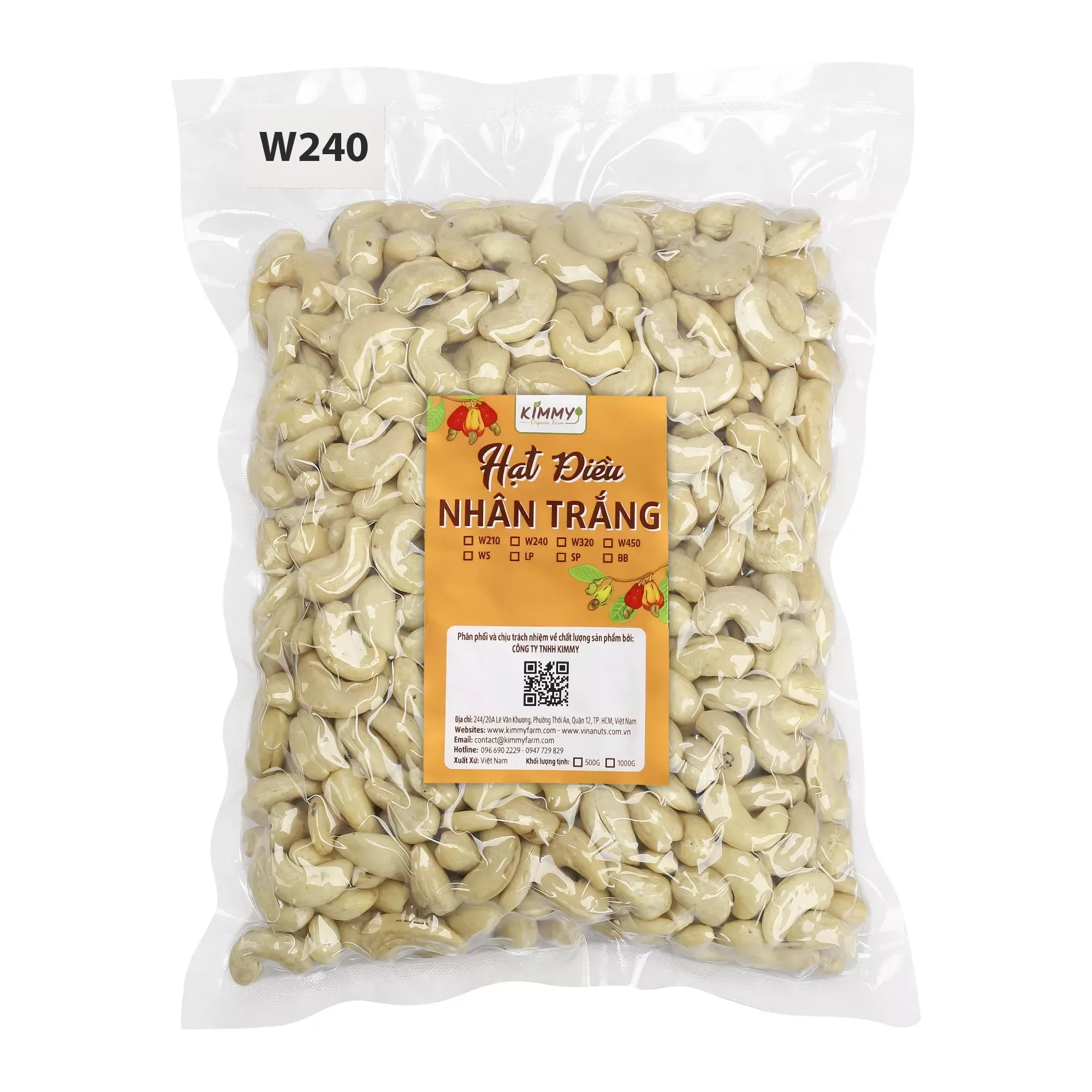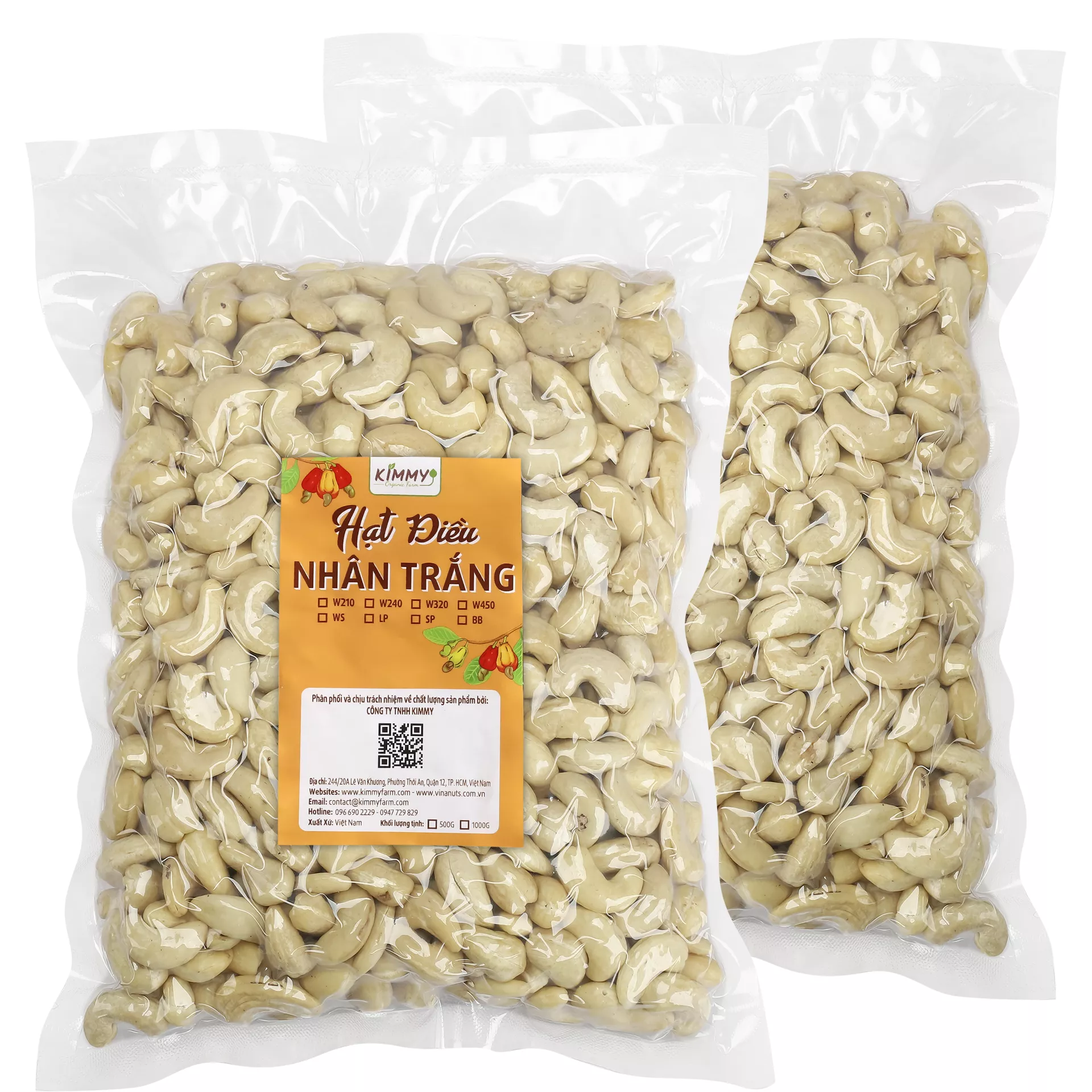
Cashews May Help Improve Cardiovascular Health
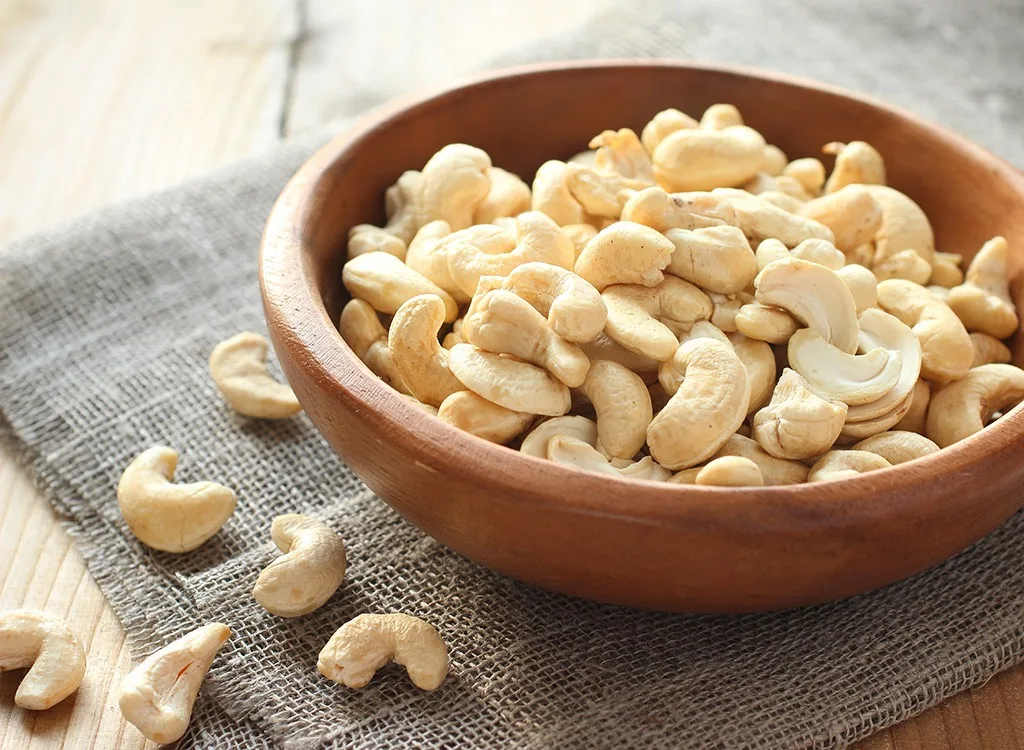
Cashew kernels may support better heart health when eaten as part of a balanced diet. Several studies suggest that eating cashews and other nuts regularly may help reduce the risk of cardiovascular disease and stroke.
In general, adding more nuts to your daily meals can be a smart choice for heart health. Research has shown that eating around 2 ounces of nuts per day may help reduce harmful LDL cholesterol levels by up to 5%.
=> Read more: Top 5 Delicious Cashew Recipes That Are Simple to Make at Home
Help Increase Good Fats in the Body
Some studies have linked cashew consumption with improved blood cholesterol levels. For example, a 2019 study found that people with type 2 diabetes who used cashews for 10% of their daily calories had a lower LDL-to-HDL ratio than those who did not eat cashews. HDL is often known as “good cholesterol.”
Results from a 2017 study also showed that eating cashews may help increase HDL cholesterol while reducing total cholesterol and LDL cholesterol. Another study from 2018 even linked cashew intake with lower blood pressure.
That said, the effect of cashews on lowering harmful cholesterol is not completely settled. Some research results are mixed. For example, a 2019 review found that regular cashew consumption may help reduce blood pressure and triglyceride levels, but it did not clearly lower total cholesterol or LDL cholesterol.
So, while cashews can be a heart-friendly food, they should not be seen as a “magic cure.” They work best when combined with a healthy diet, regular activity, and a balanced lifestyle.
=> Read more: What Is Cashew Flour? How to Make Cashew Flour at Home

May Help Lower the Risk of Coronary Heart Disease
It is worth noting that research specifically focused on cashews and heart health is still limited. This may partly explain why some results are not always the same.
In practice, eating a variety of nuts may be the better choice if you want to support heart health. A large 2018 study found that eating peanuts and tree nuts twice a week, and walnuts once a week, was linked to a 13%–19% lower risk of cardiovascular disease and a 15%–23% lower risk of coronary heart disease.
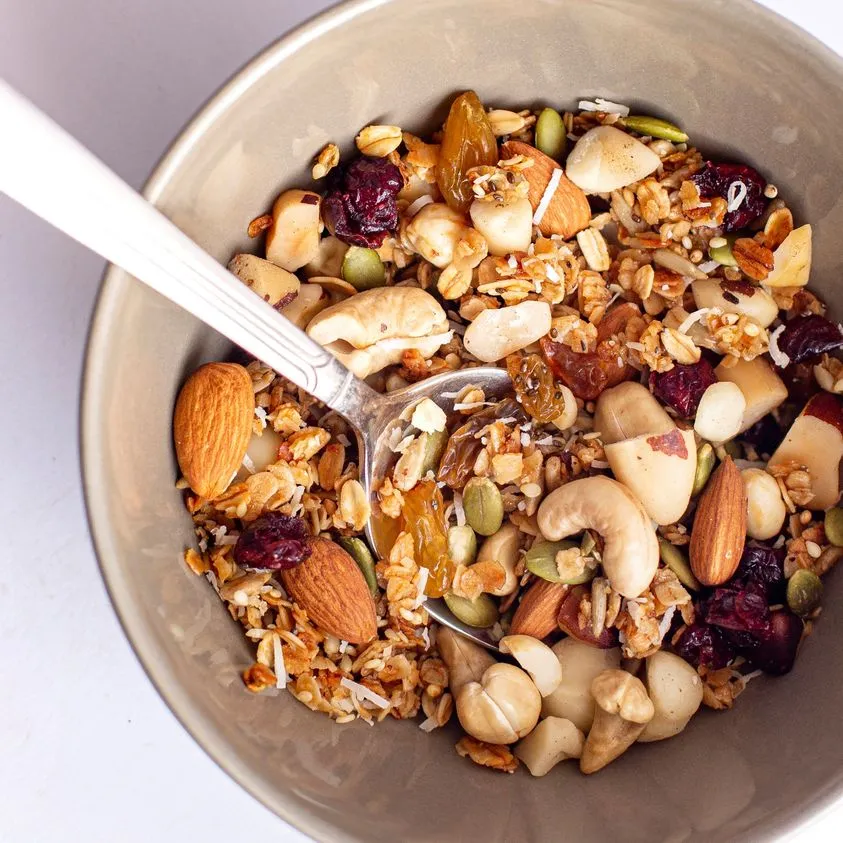
The next time you shop for groceries, consider adding a mix of nuts, including cashews, to your list. You can enjoy them with morning granola, blend them into smoothies, or pair them with fruit for a simple and healthy snack.
=> Read more: 6 Cashew-Based Dishes for People on a Diet
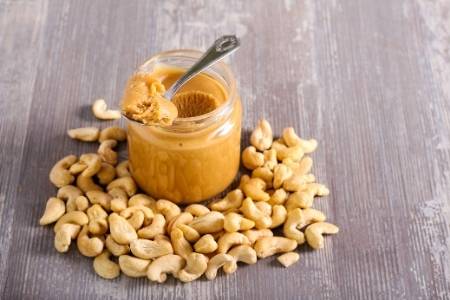
May Help Support Healthy Blood Pressure
High blood pressure is a common health concern. In the United States alone, more than 100 million adults, nearly half of the adult population, are affected by high blood pressure.
According to a 2019 study published in Current Developments in Nutrition, eating cashew kernels may help reduce blood pressure. Cashew consumption has also been linked with lower triglyceride levels. Triglycerides are a type of fat found in the blood, and high levels may raise the risk of stroke, heart attack, and heart disease.
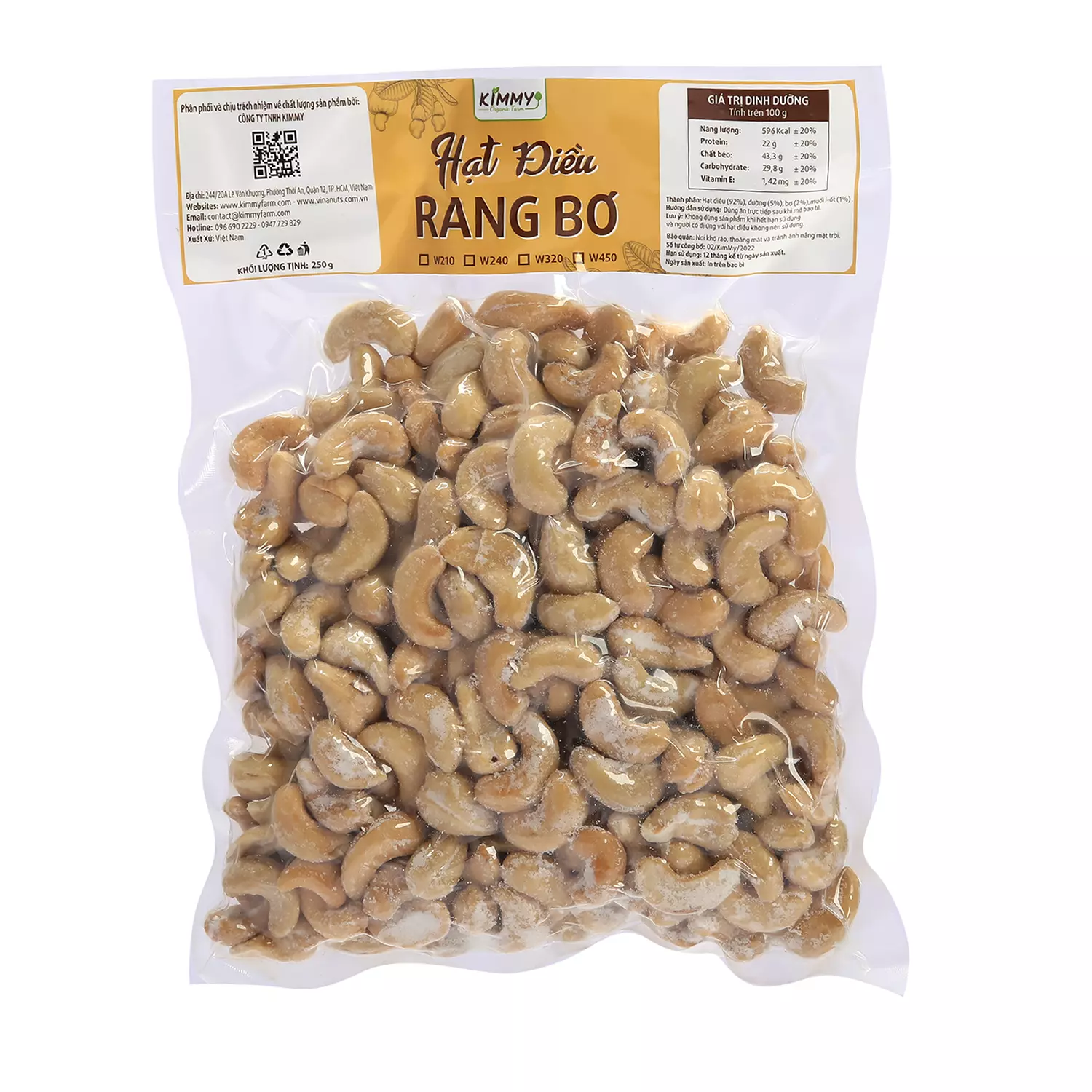
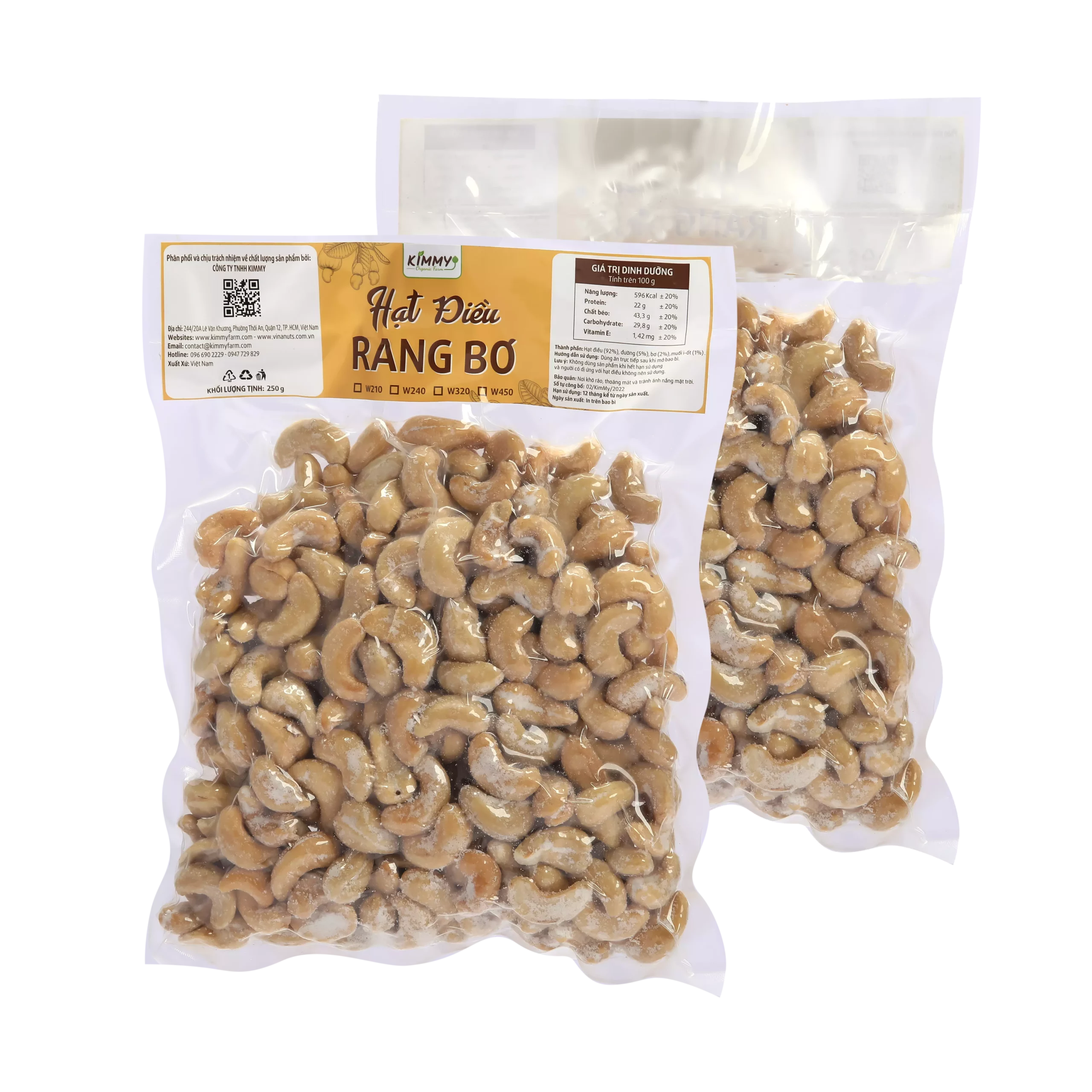
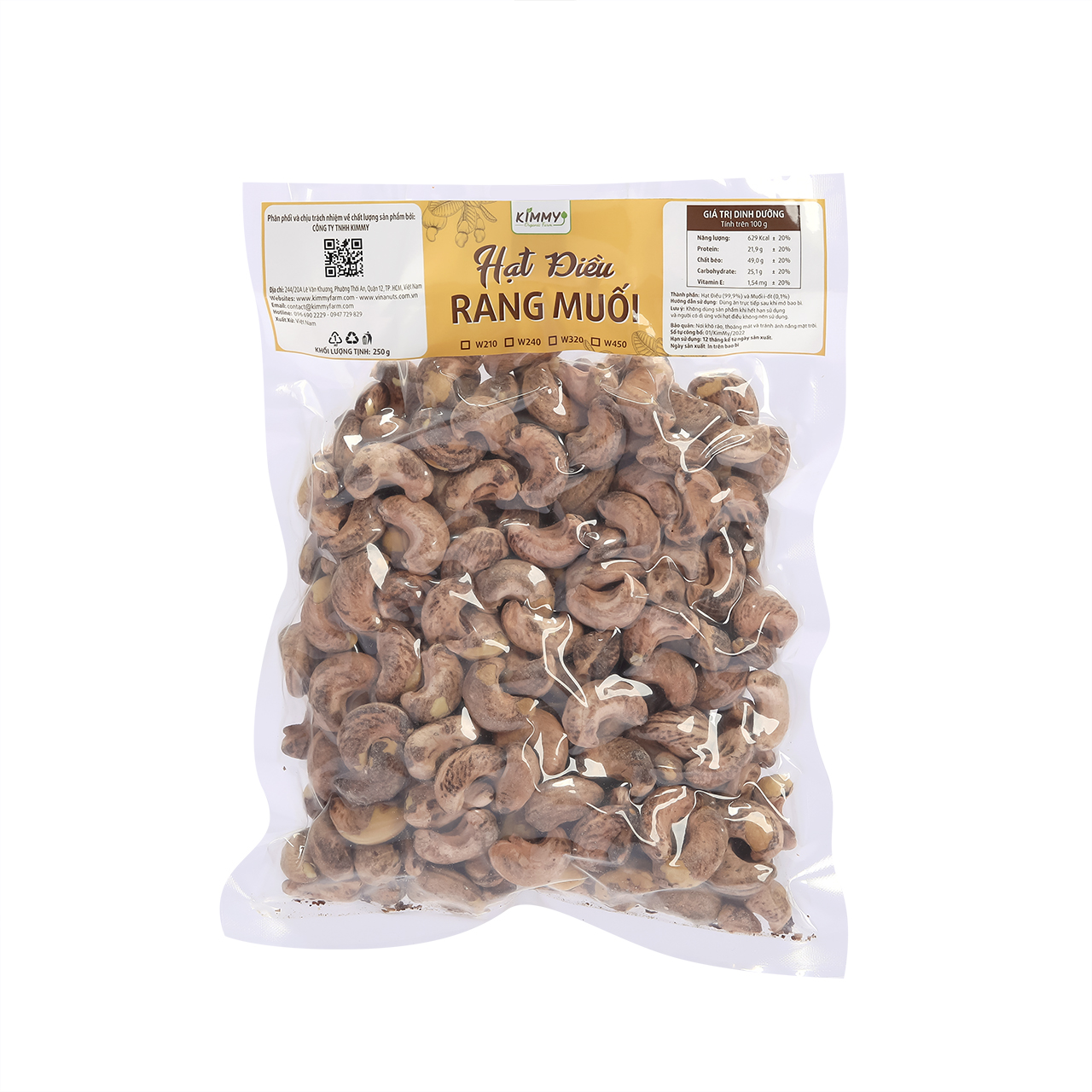
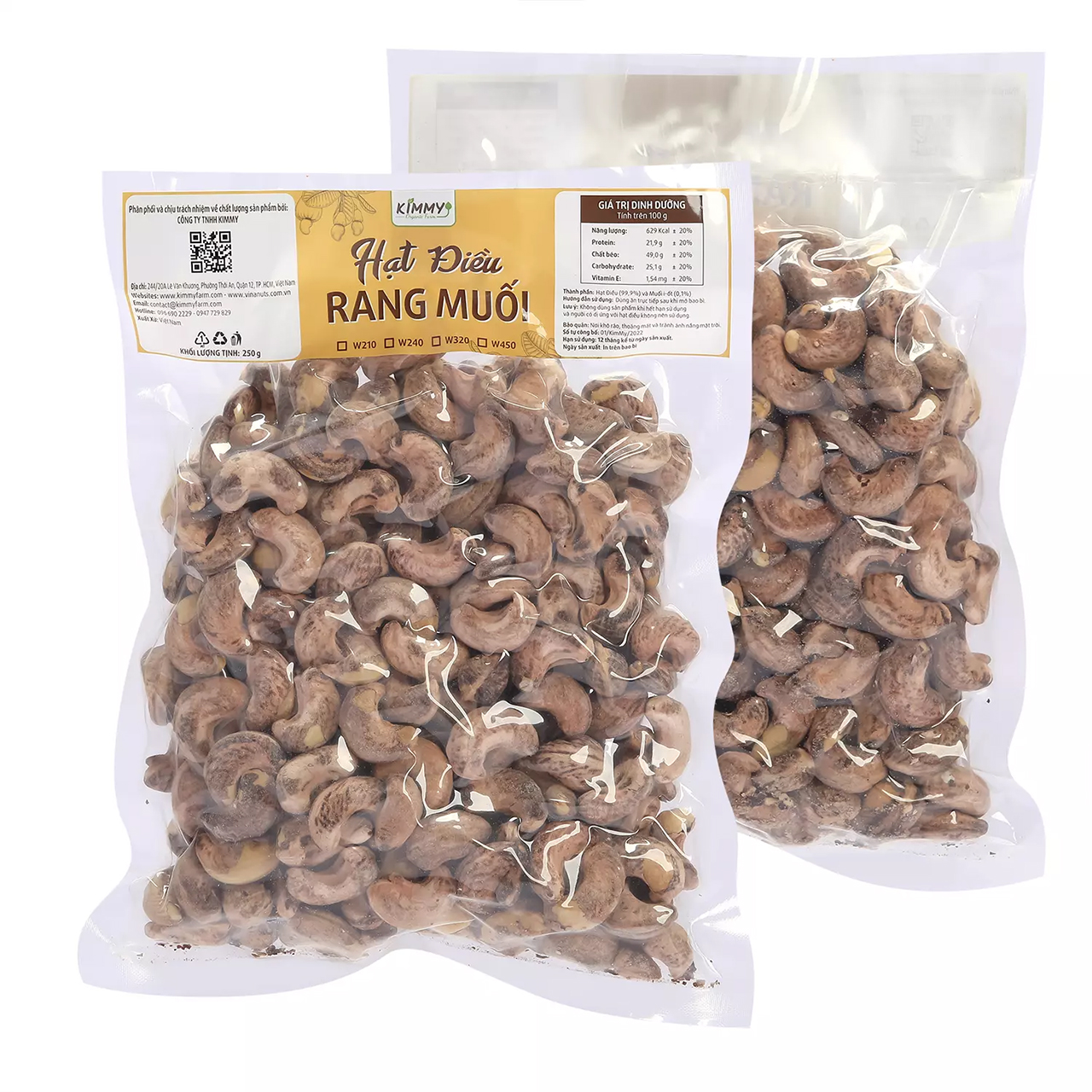
However, not all cashews are equally good for heart health. Many packaged cashews are salted, and too much salt is linked with high blood pressure. For daily eating, unsalted or lightly salted cashews are usually a better option.
=> Read more: The Cashew Kernel Market Is Expected to Reach 7 Billion USD by 2025
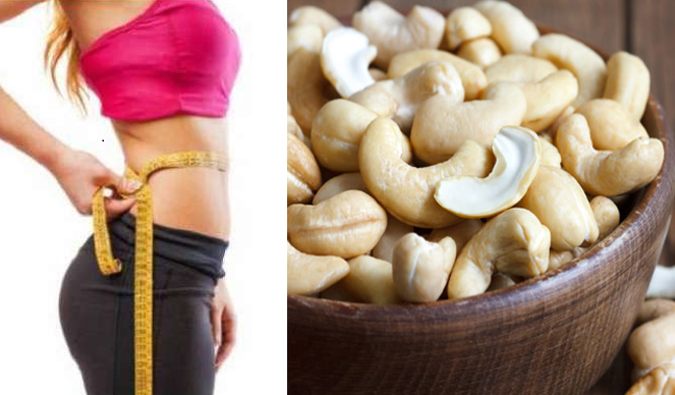
How to Eat Cashews in a Heart-Healthy Way
Cashews are rich in healthy fats, minerals, and plant-based nutrients. But they are also calorie-dense, so portion control matters. A small handful per day is often enough for a snack or as part of a meal.
For better heart health, you can use cashews in simple ways:
- Add chopped cashews to oatmeal or granola.
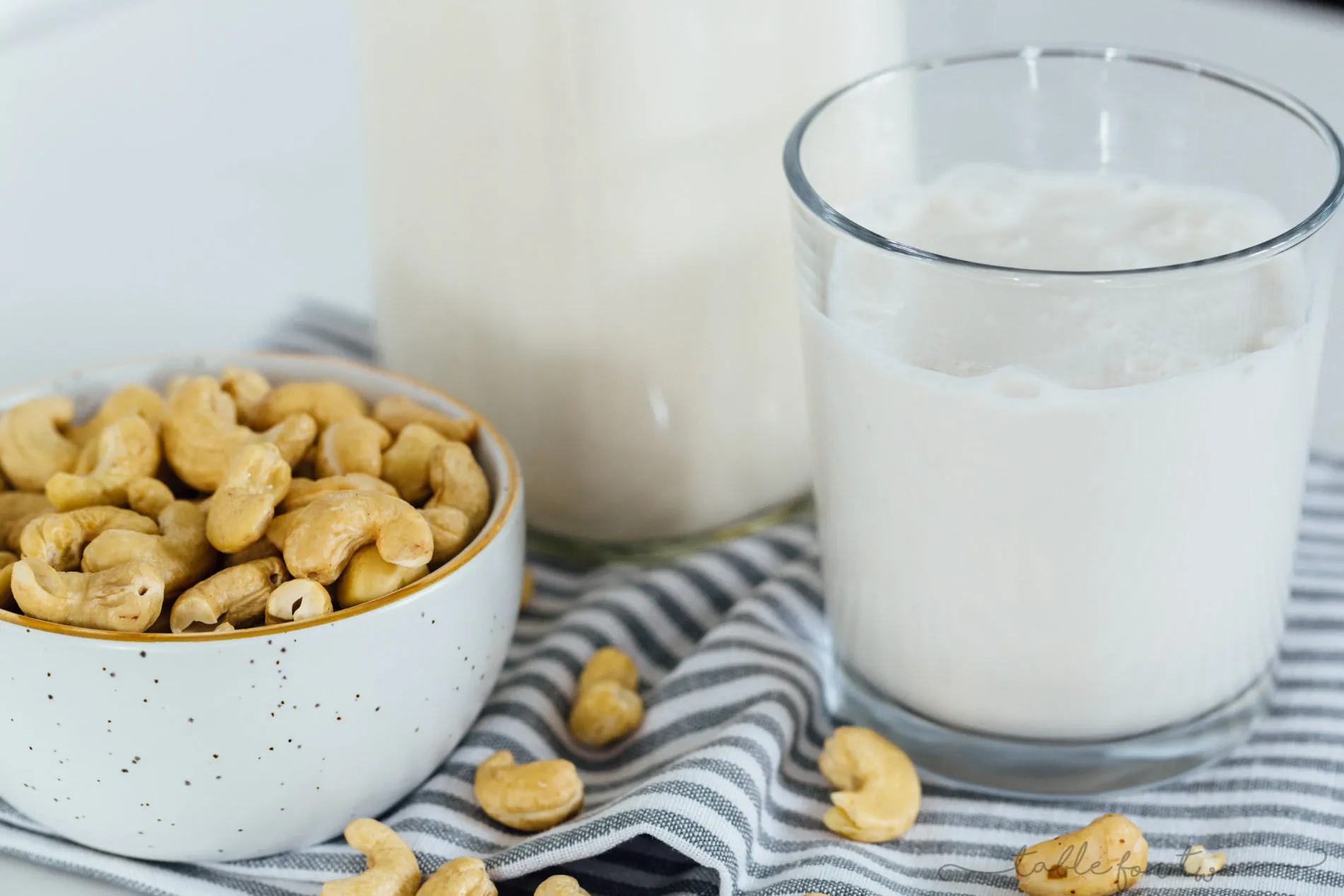
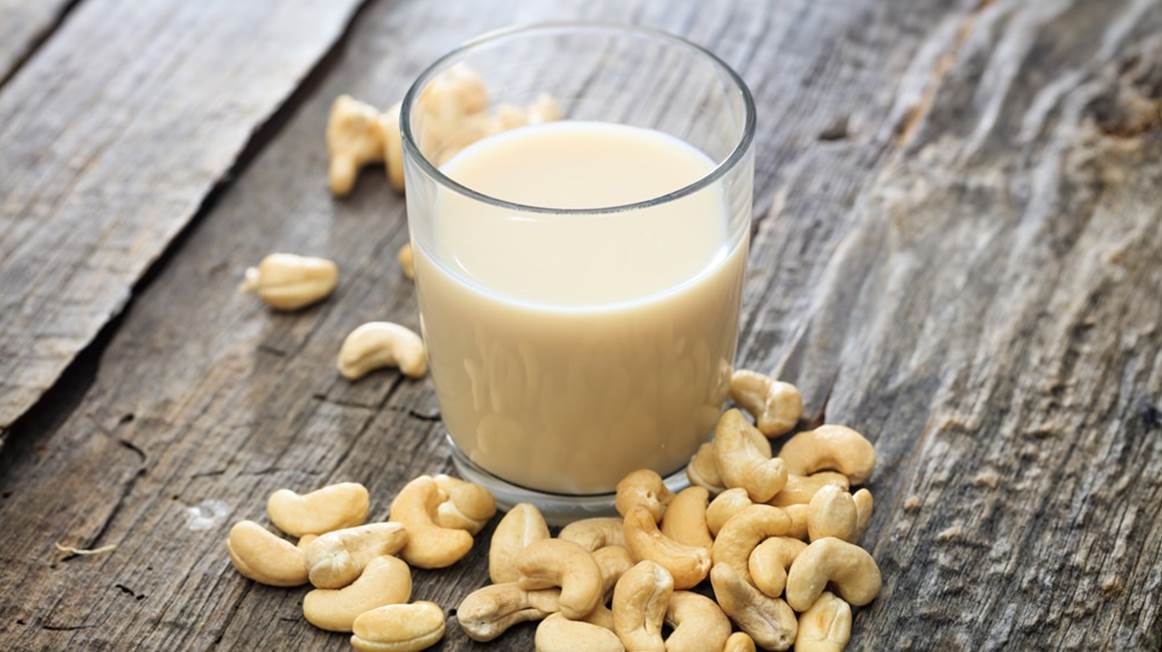
- Blend cashews into homemade cashew milk.
- Use cashew butter as a spread in small amounts.
- Add unsalted cashews to salads or stir-fried vegetables.
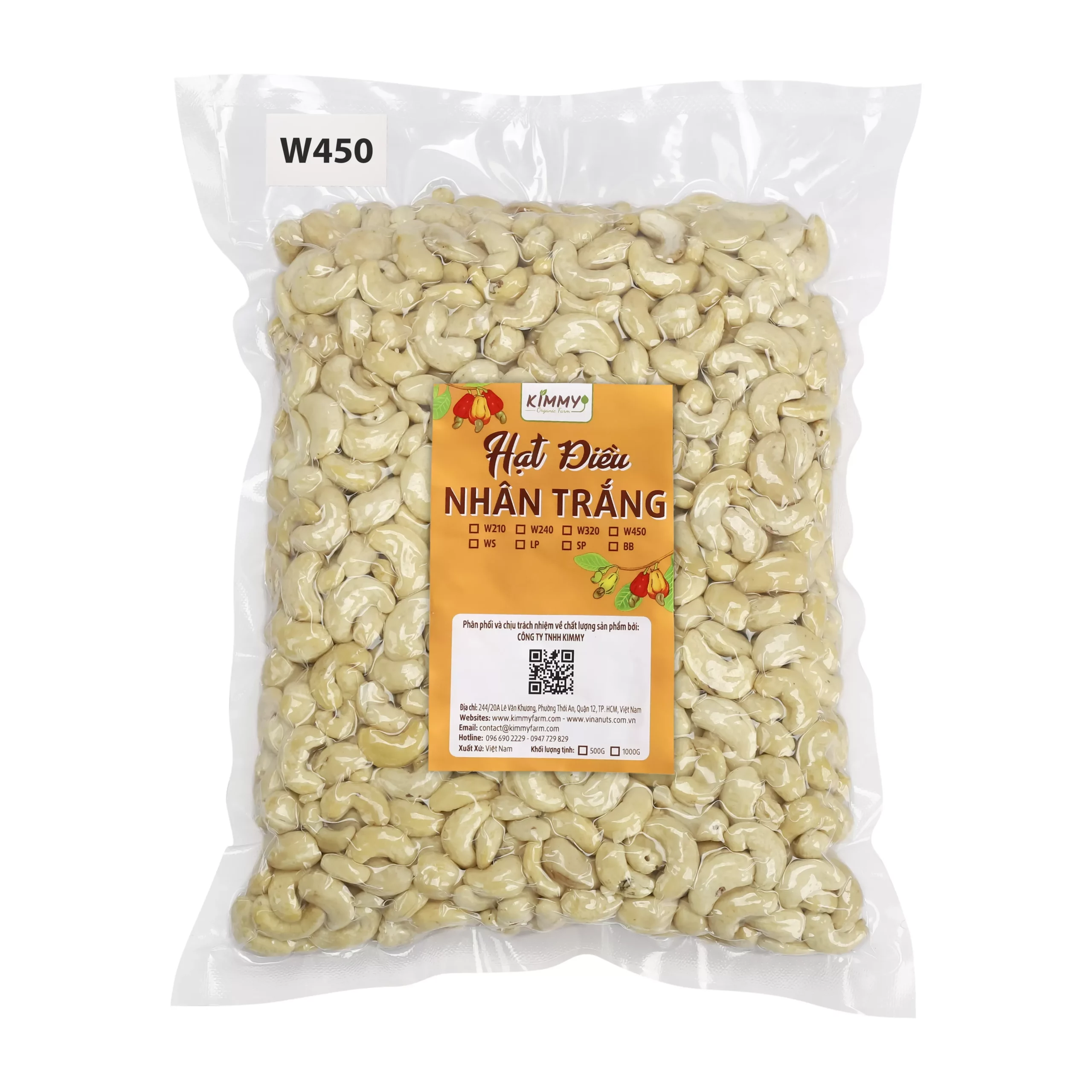
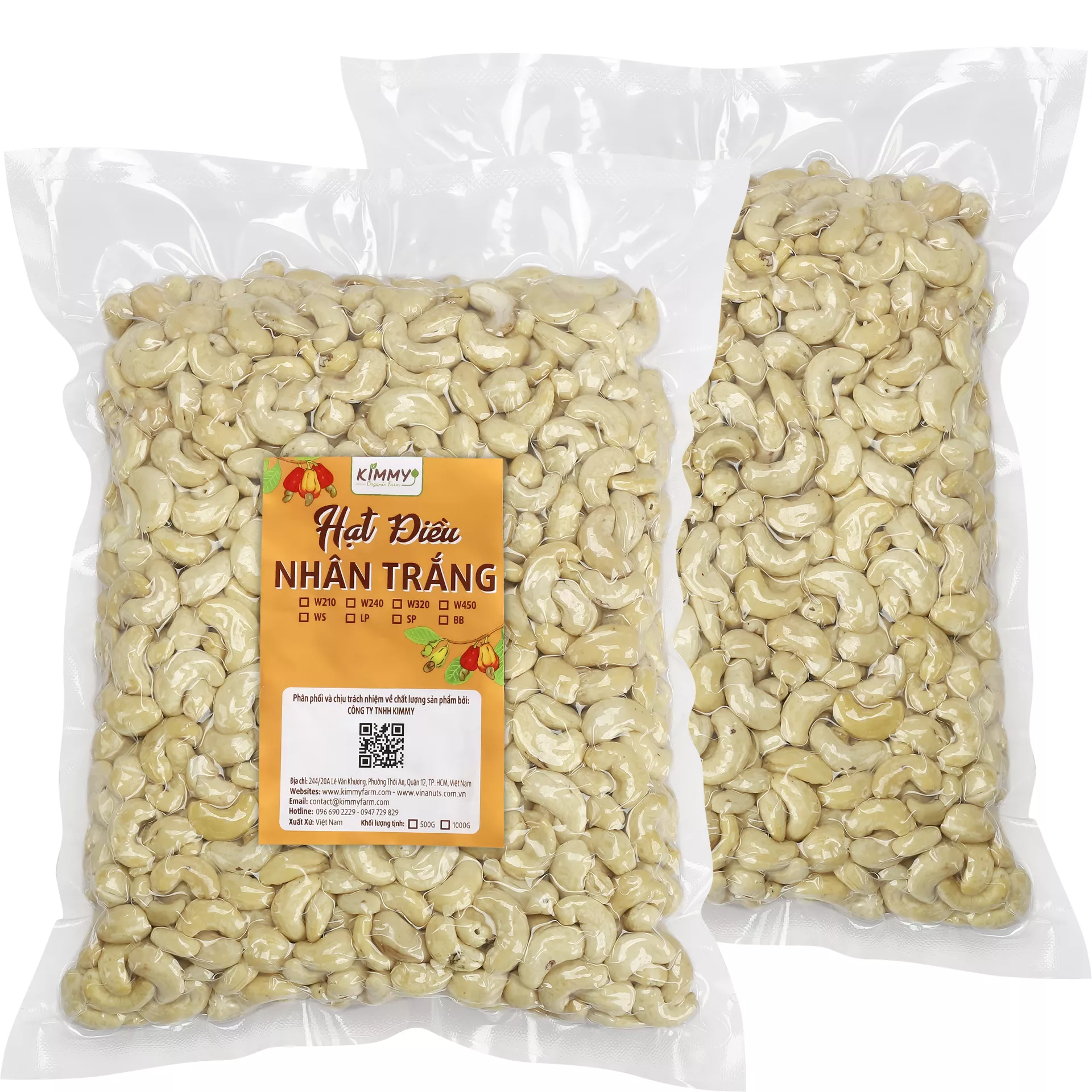
- Choose raw, roasted, unsalted, or lightly salted cashews instead of heavily salted versions.
In short, cashews can be a useful part of a heart-friendly diet. They may help support healthy cholesterol balance, blood pressure, and overall cardiovascular health. Still, the best results come when cashews are eaten in the right amount and combined with a varied, balanced diet.
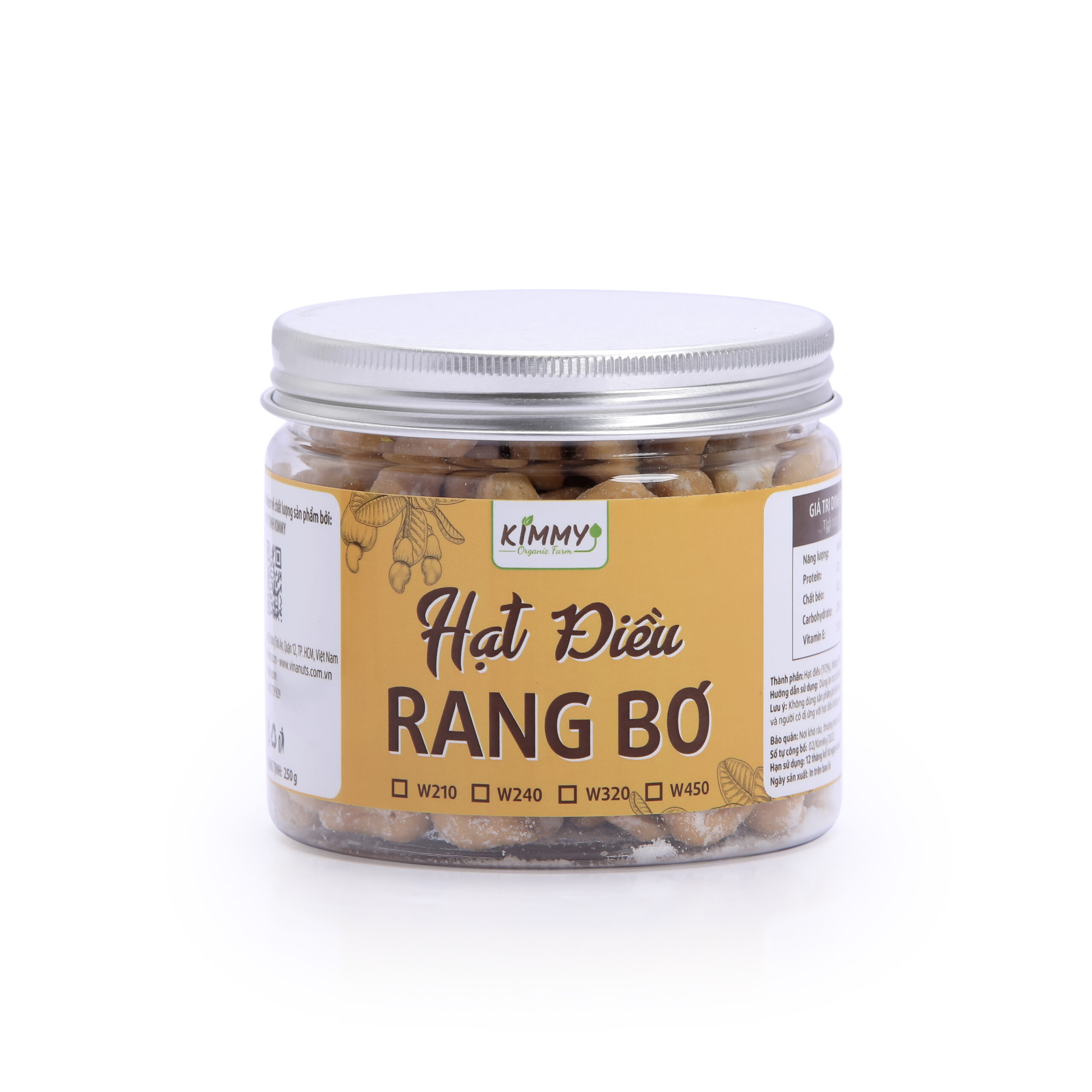
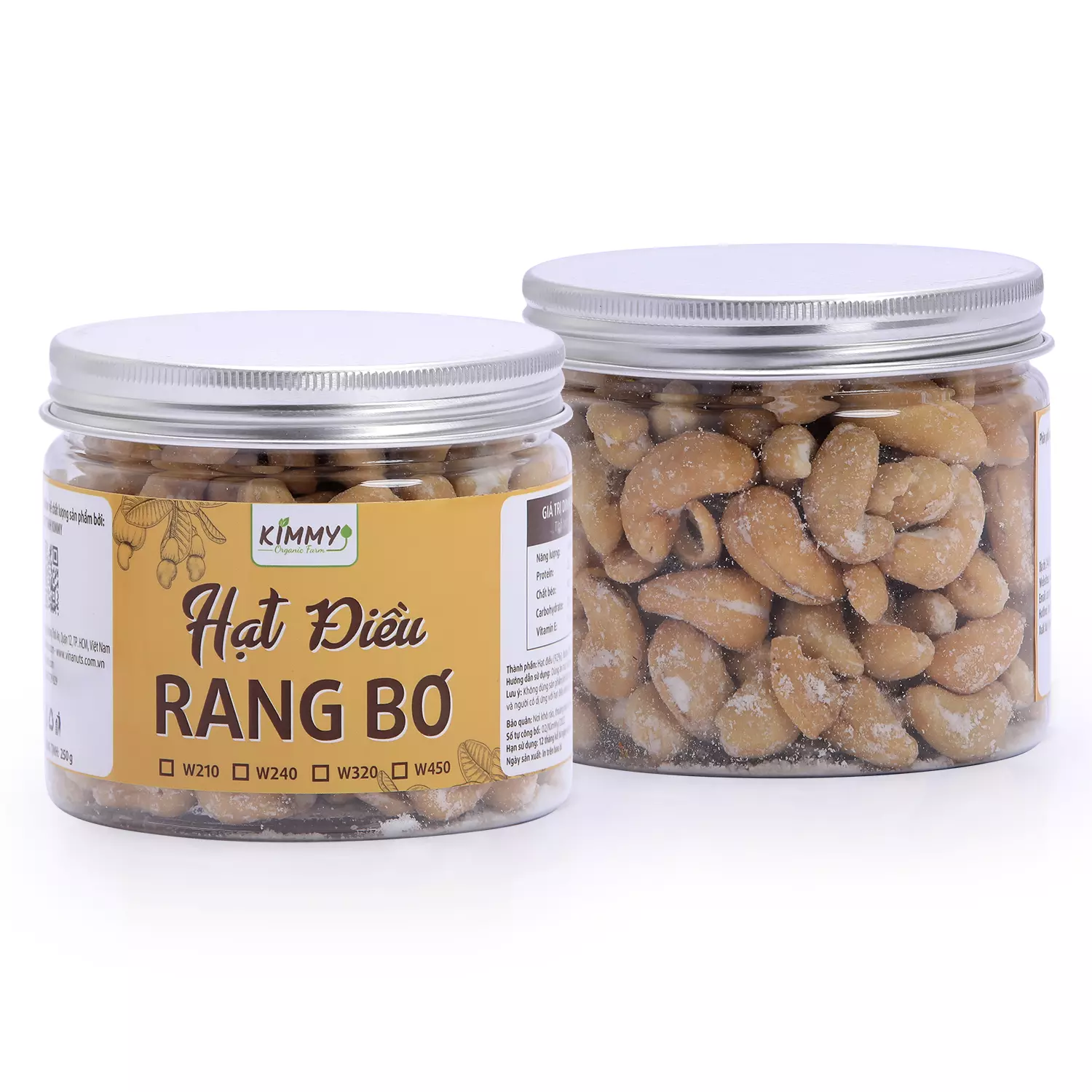

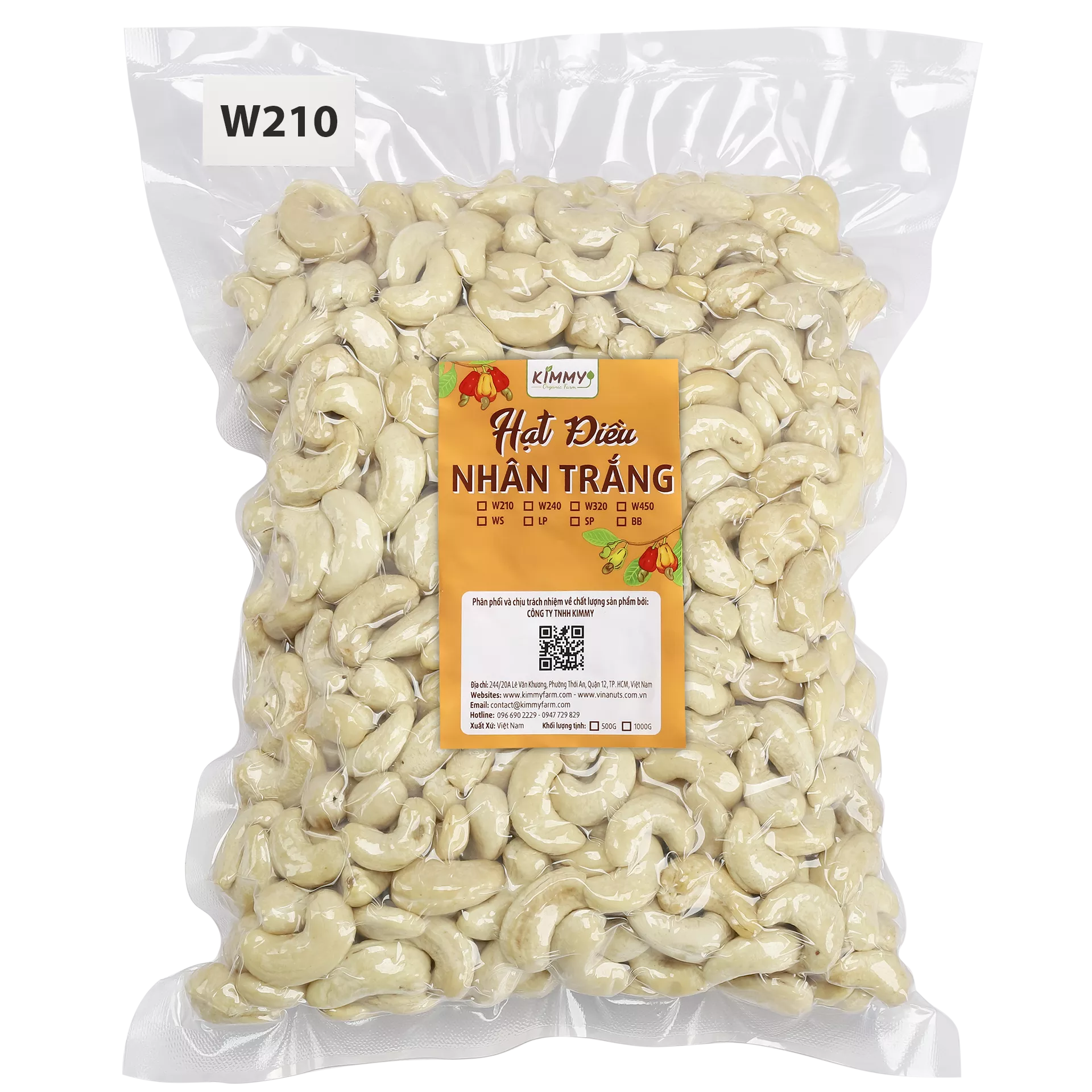
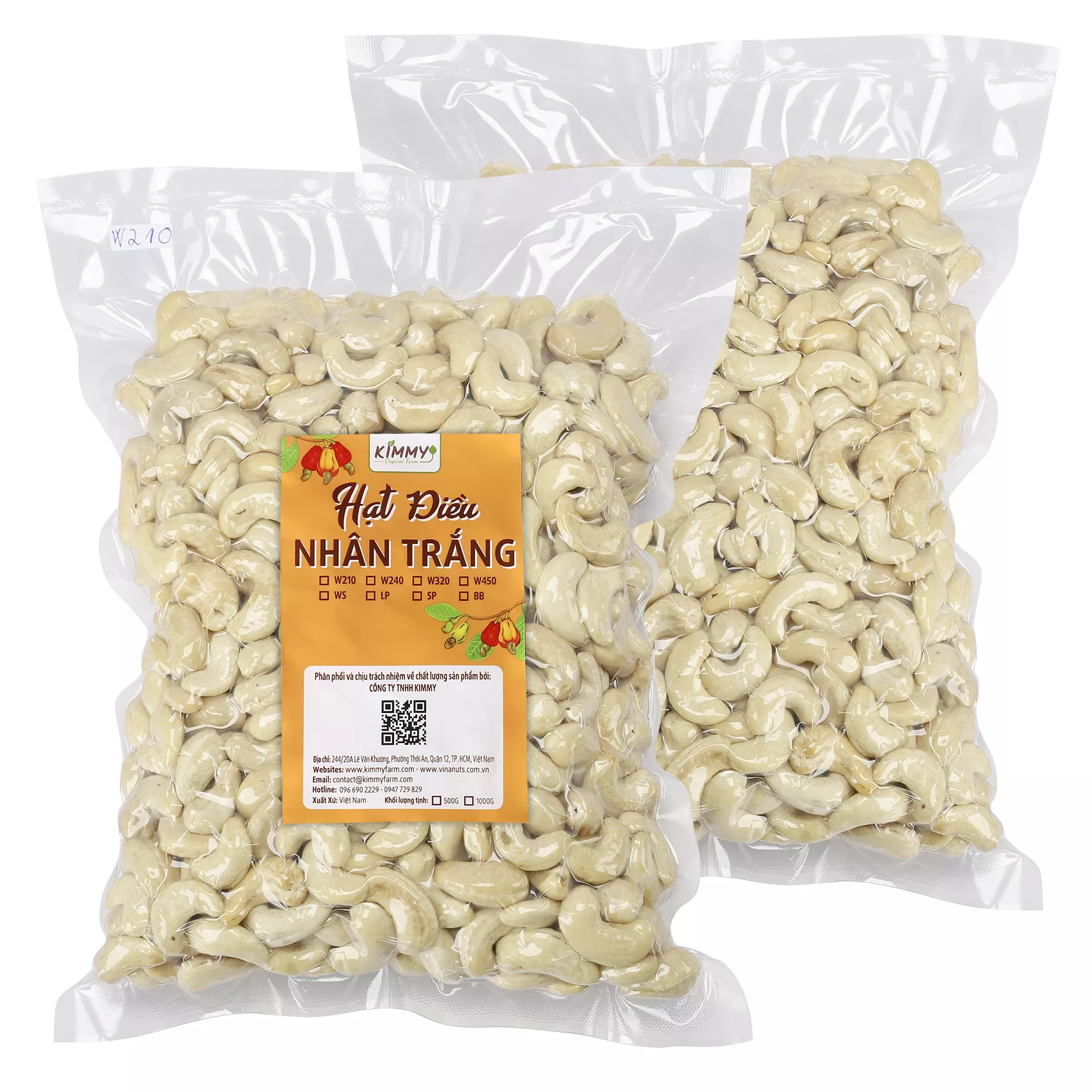
Chúng tôi là một thương hiệu chuyên sản xuất, thương mai và xuất khẩu các mặt hàng nông sản của Việt Nam. Chúng tôi có vùng trồng điều & nhà máy điều ở Bình Phước, trại nuôi ruồi lính đen ở Tây Ninh. Các mặt hàng xuất khẩu chính của Công ty là: hạt điều, hạt điều nhân, ruồi lính đen,… từ Việt Nam.