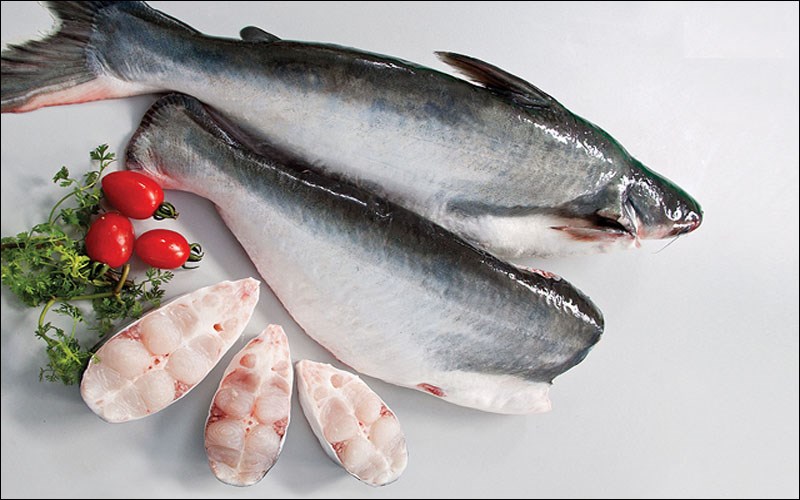
Pangasius, also known as tra fish, has long been a popular freshwater fish in Vietnam and many other markets. It adapts well to farming conditions, grows quickly, and provides a mild, easy-to-cook meat that appears often in home meals, restaurants, and frozen seafood products.
But is pangasius actually good for your health? What nutrients does it contain? And how much should you eat each week? This article explains the nutritional value, possible benefits, and things to keep in mind when adding pangasius to your diet.
=> See more: What Is Pangasius Fillet? Common Types of Pangasius Fillets in Vietnam
Is Pangasius Good for Your Health?
Yes, pangasius can be a healthy food choice when it is properly sourced, stored, and cooked. Pangasius meat is rich in protein, easy to digest, and can be used in many dishes such as fried pangasius, grilled pangasius, stir-fried pangasius, soup, and braised fish dishes.

One important note: pangasius should not be treated as a “miracle food.” It is a nutritious fish, but the health value also depends on how it is prepared. Deep-fried fish with too much oil or salt will not be as healthy as steamed, grilled, or lightly cooked fish.
Some potential health benefits of pangasius include:
- Supports heart health as part of a balanced diet
- Provides lean protein for muscle repair and body maintenance
- May help replace higher-fat meats in some meals
- Supports children’s growth when included in a varied diet
- Provides nutrients that help brain and nerve function
- Contains minerals that support bone health
- Offers a soft texture that is easy to cook and digest
=> See more: Is Eating Pangasius Skin Good for Your Health?
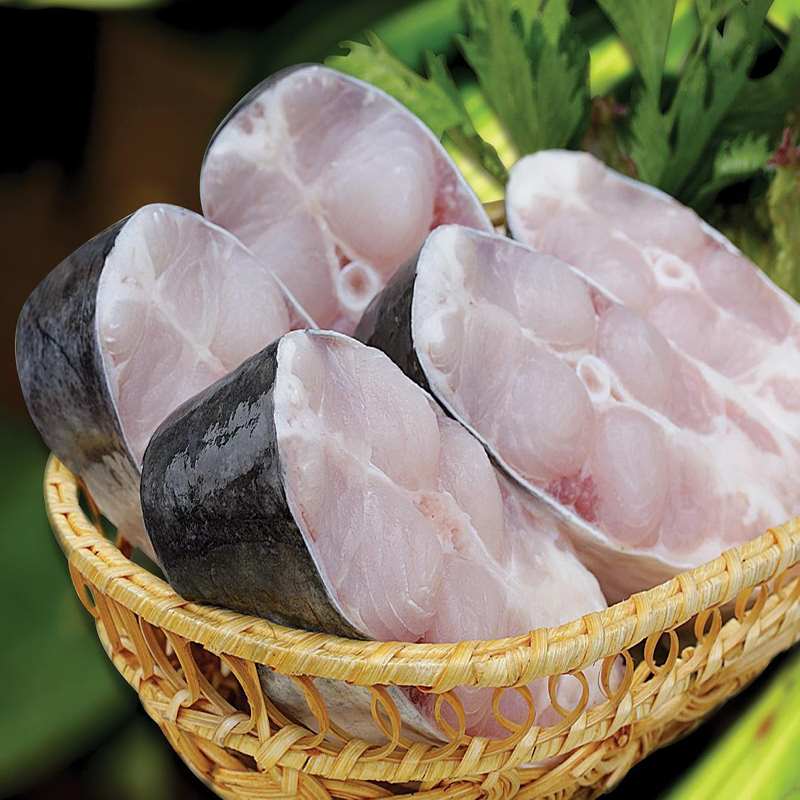
Pangasius is a popular fish with good nutritional value and is widely used in many dishes.
How Much Pangasius Should You Eat Per Week?
Pangasius is nutritious, but like any food, it should be eaten in moderation. A balanced diet should include different protein sources such as fish, eggs, poultry, beans, nuts, and vegetables.
Recommended intake:
- For most adults: eating fish 2–3 times per week is a reasonable amount. This may equal about 400–700g of pangasius per week, depending on your diet and portion size.
- For athletes or people doing heavy physical work: intake may be higher, depending on energy needs. However, it should still be balanced with vegetables, grains, and other protein sources.
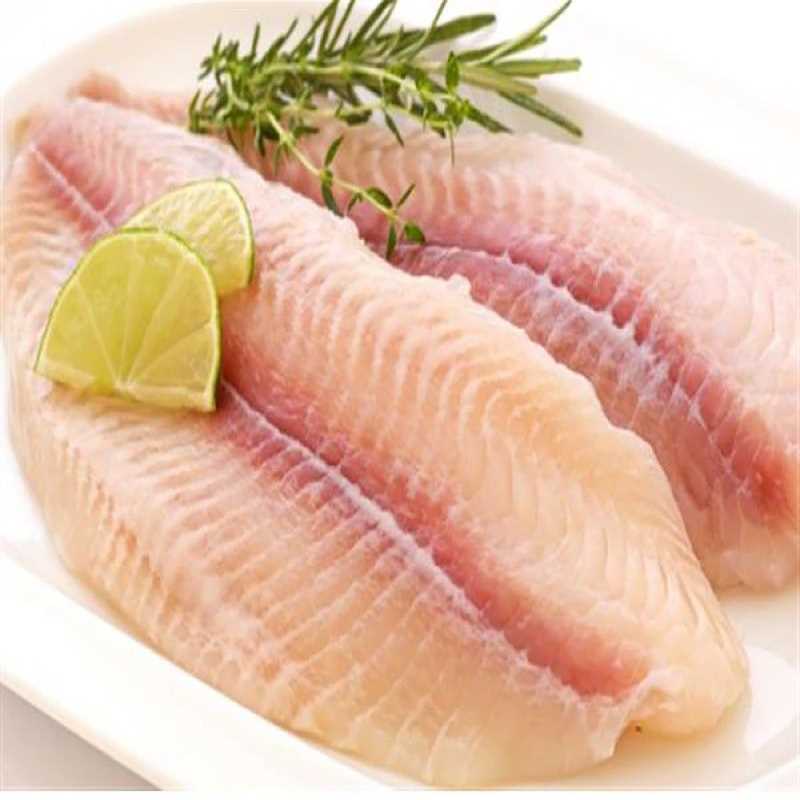
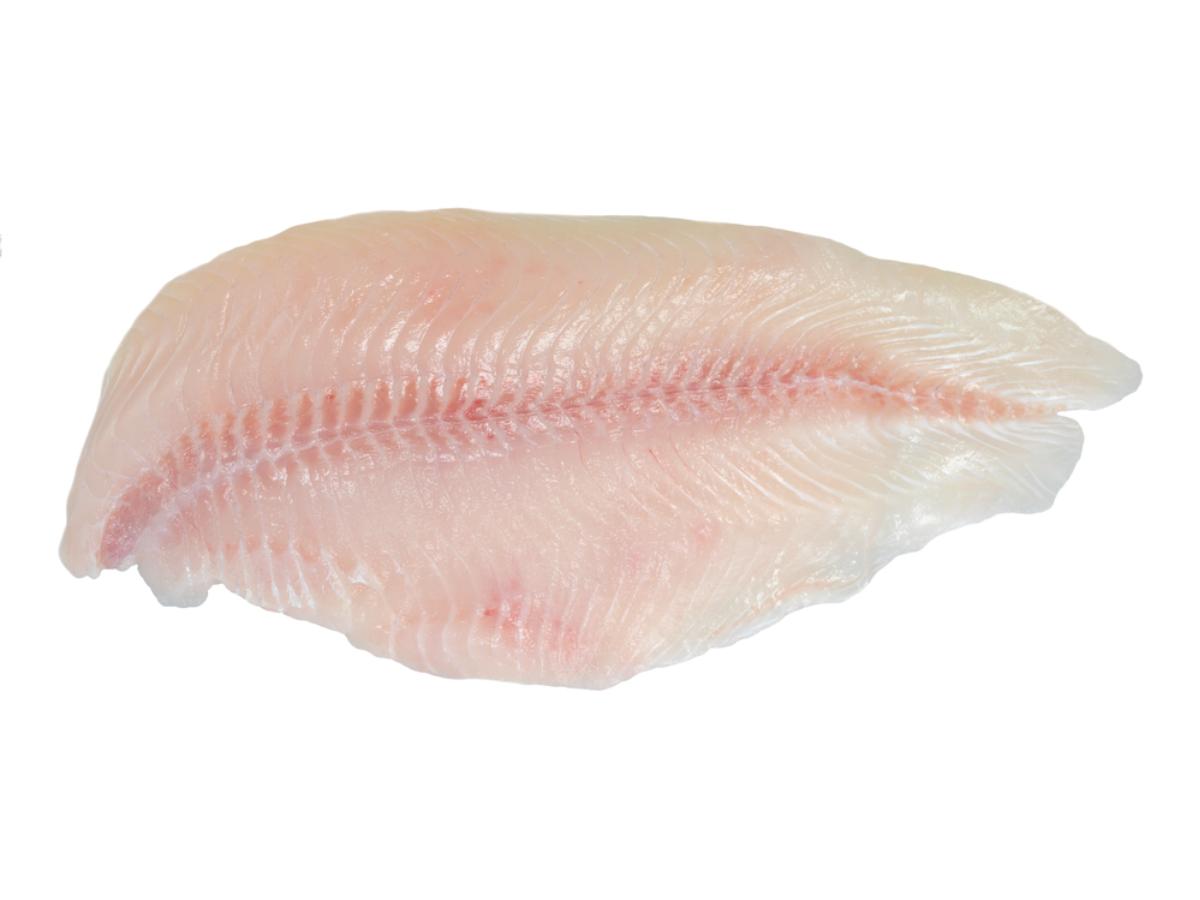
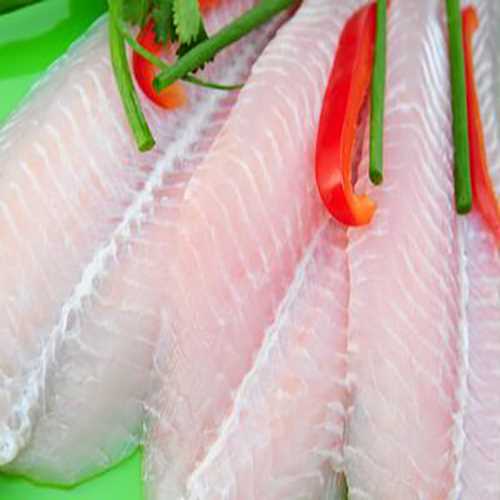
Pangasius fillet is low in fat, rich in lean meat, and widely used in many meals.
Nutritional Value of Pangasius
Pangasius contains many useful nutrients, including vitamin B12, omega-3 fatty acids, omega-6 fatty acids, DHA, EPA, phosphorus, potassium, selenium, and protein. These nutrients may support blood circulation, brain function, muscle recovery, and general health.
Pangasius may also be suitable for pregnant women and breastfeeding mothers when it is fully cooked and sourced from reliable suppliers. Still, it should be eaten as part of a varied diet instead of being the only seafood choice.
Approximate nutrition in 100g of pangasius meat:
- Calories: 105
- Fat: 2.9g
- Protein: 18g
- Sodium: 50mg
- Selenium: 26% DV
- Phosphorus: 24% DV
- Thiamine: 15% DV
- Potassium: 19% DV
- Zinc: 5% DV
- Cholesterol: 24% DV
- Vitamin B12: 121% DV
- Vitamin E: 10% DV
- Vitamin B1: 31% DV
- Vitamin B2: 7% DV
- Vitamin B3: 9% DV
- Vitamin B5: 7% DV
- Vitamin B6: 11% DV
- Omega-3 fatty acids: 237mg
- Omega-6 fatty acids: 337mg
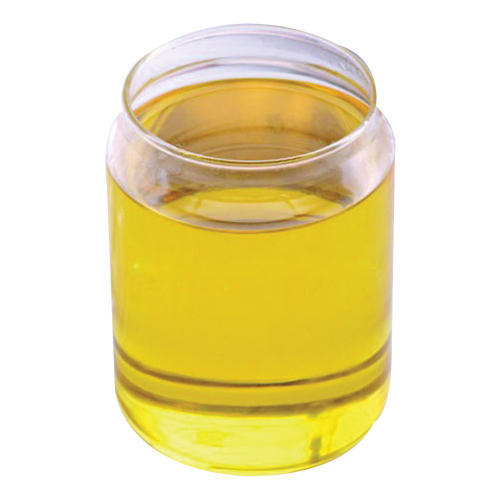
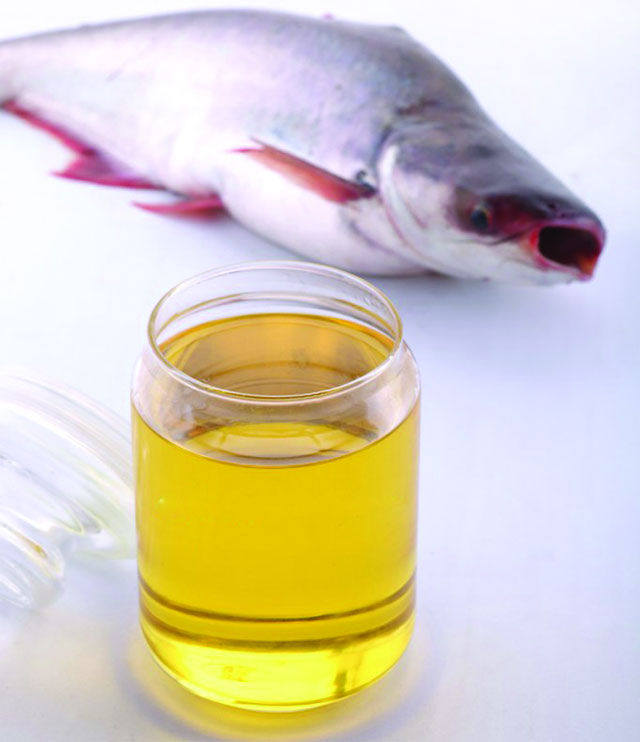
=> See more: What Is Pangasius Fish Oil? Benefits and Uses
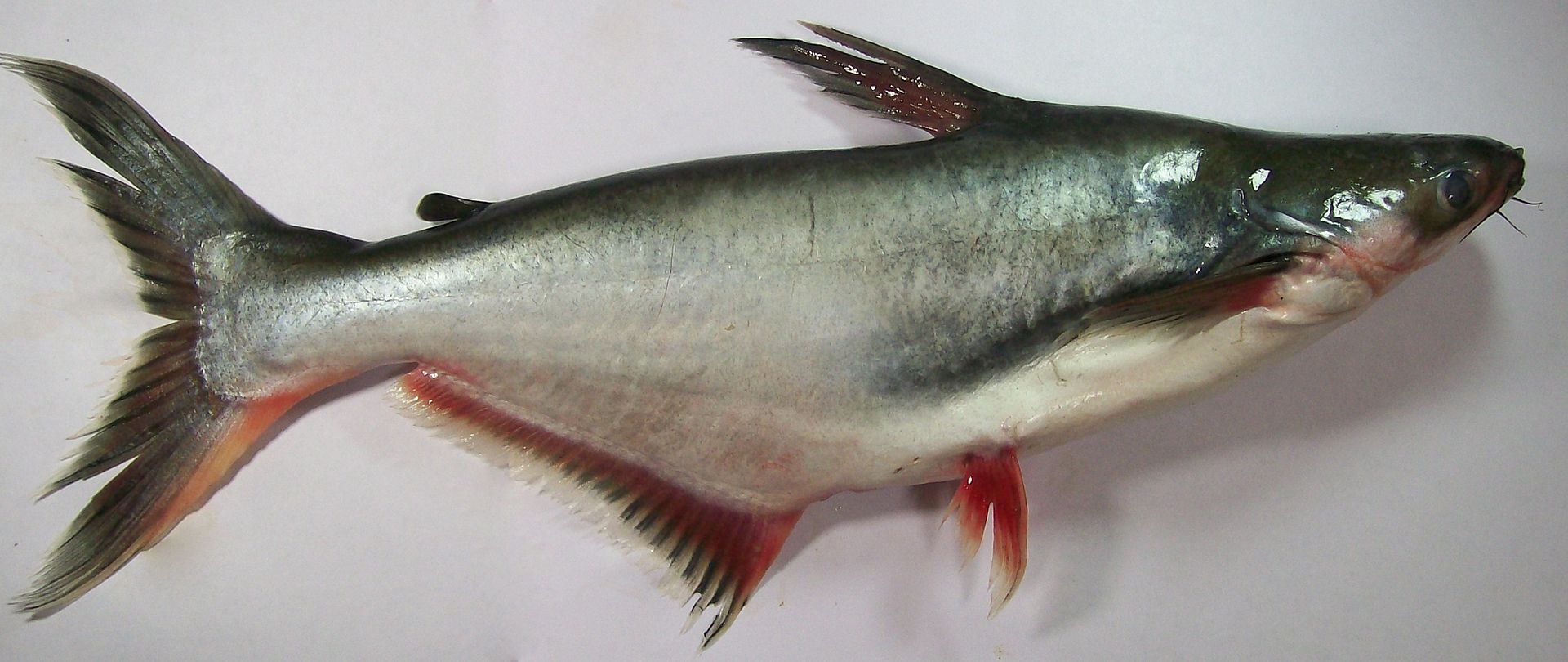
How many calories and nutrients does pangasius contain? Pangasius meat provides protein, vitamin B12, omega-3, omega-6, DHA, EPA, phosphorus, potassium, and other useful nutrients.
Key Nutrients Found in Pangasius
Protein
Pangasius is a good source of protein. A 100g serving can provide a meaningful portion of your daily protein needs. Protein helps build and repair muscles, tissues, enzymes, hormones, and many other body structures.
This makes pangasius a useful food for people who need a soft, easy-to-digest protein source, especially when prepared with less oil and salt.
Omega-3 Fatty Acids
Pangasius contains omega-3 fatty acids, although the amount may vary depending on farming, feed, and processing conditions. Omega-3 fatty acids are essential fats that the body cannot make on its own, so they must come from food.
The main omega-3 fatty acids include:
- ALA (alpha-linolenic acid)
- EPA (eicosapentaenoic acid)
- DHA (docosahexaenoic acid)
Omega-3s may help support eye health, brain function, heart health, and skin health. However, fatty fish such as salmon, sardines, and mackerel usually contain higher omega-3 levels than pangasius.
- DHA supports the eyes, brain, and nervous system, especially during growth and development.
- EPA supports healthy blood circulation and may help maintain heart health as part of a balanced diet.
=> See more: Omega-3 in Pangasius: A Useful Nutrient for Health
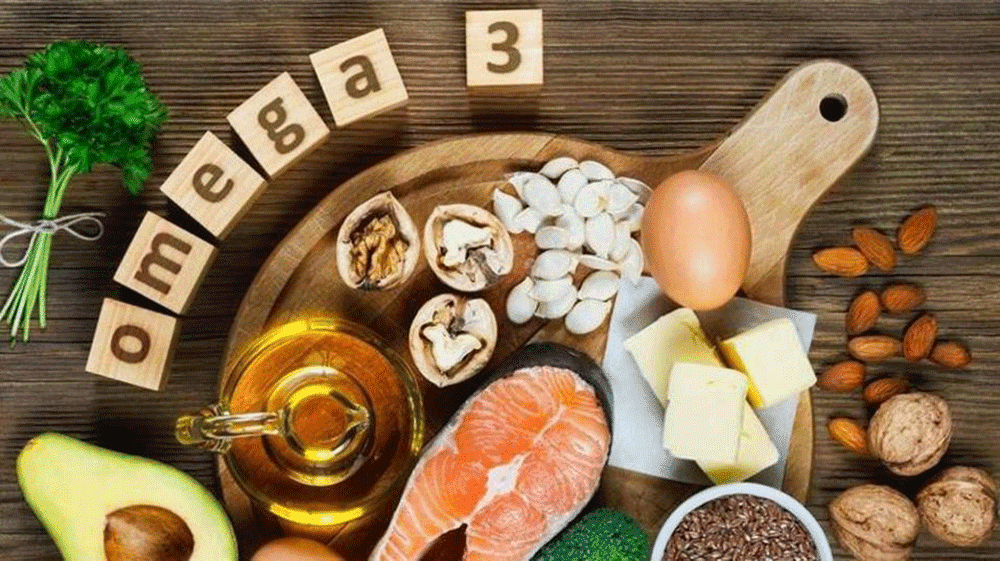
Like many other fish, pangasius contains omega-3 fatty acids that are beneficial for health.
Omega-6 Fatty Acids
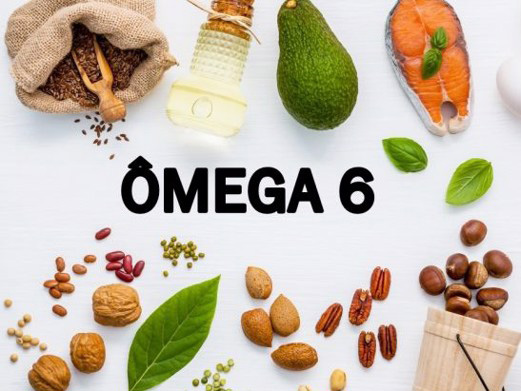
Pangasius also contains omega-6 fatty acids. These are unsaturated fats that the body needs but cannot produce by itself. Common omega-6 fatty acids include linoleic acid, gamma-linolenic acid, dihomo-gamma-linolenic acid, and arachidonic acid.
Omega-6 fats are important, but balance matters. A healthy diet should include both omega-3 and omega-6 fatty acids in reasonable amounts.
Vitamin B12
Pangasius is a strong source of vitamin B12. A 100g serving may provide a high amount of daily vitamin B12 needs. Vitamin B12 supports red blood cell formation, nerve function, energy metabolism, and may help reduce the risk of vitamin B12 deficiency.
Selenium
Pangasius contains selenium, an essential trace mineral that supports the immune system and helps protect cells from oxidative stress. Selenium also plays a role in thyroid function and general metabolic health.
Thiamine
Thiamine, also known as vitamin B1, helps the body turn carbohydrates into energy. It also supports nerve, muscle, and heart function. Low thiamine intake may lead to tiredness, poor appetite, irritability, and reduced concentration.
Vitamin E
Pangasius also provides vitamin E, a nutrient that supports skin health, eye health, and immune function. Vitamin E is also widely known for its antioxidant role in the body.
Phosphorus
Phosphorus is important for strong bones and teeth. It also helps the body use carbohydrates and fats, and supports protein synthesis for cell growth and tissue repair.
Vietnamese Pangasius Products
Pangasius products produced in Vietnam include:
- Frozen whole pangasius, headless, tailless, and gutted
- Frozen pangasius steaks, cut to order
- Frozen white pangasius fillet
- Frozen pink pangasius fillet
- Frozen red pangasius fillet
- Frozen yellow pangasius fillet

Chúng tôi là một thương hiệu chuyên sản xuất, thương mai và xuất khẩu các mặt hàng nông sản của Việt Nam. Chúng tôi có vùng trồng điều & nhà máy điều ở Bình Phước, trại nuôi ruồi lính đen ở Tây Ninh. Các mặt hàng xuất khẩu chính của Công ty là: hạt điều, hạt điều nhân, ruồi lính đen,… từ Việt Nam.