In today’s livestock farming industry, managing chicken manure remains a major challenge. If not handled properly, chicken manure can cause unpleasant odors, increase the risk of environmental pollution, promote the growth of harmful microorganisms, and create pressure on production areas. For that reason, many agricultural models are turning to waste treatment solutions that are more effective, more cost-efficient, and more environmentally friendly.
One approach that has attracted strong interest is the use of black soldier fly larvae (BSFL) to convert chicken manure. Many scientific studies and review papers show that BSFL can process various types of organic waste, helping reduce substrate mass, produce nutrient-rich biomass, and leave behind residue with potential use as organic fertilizer. Still, the safety of this model depends heavily on operating conditions and risk control measures.
What Are Black Soldier Fly Larvae?
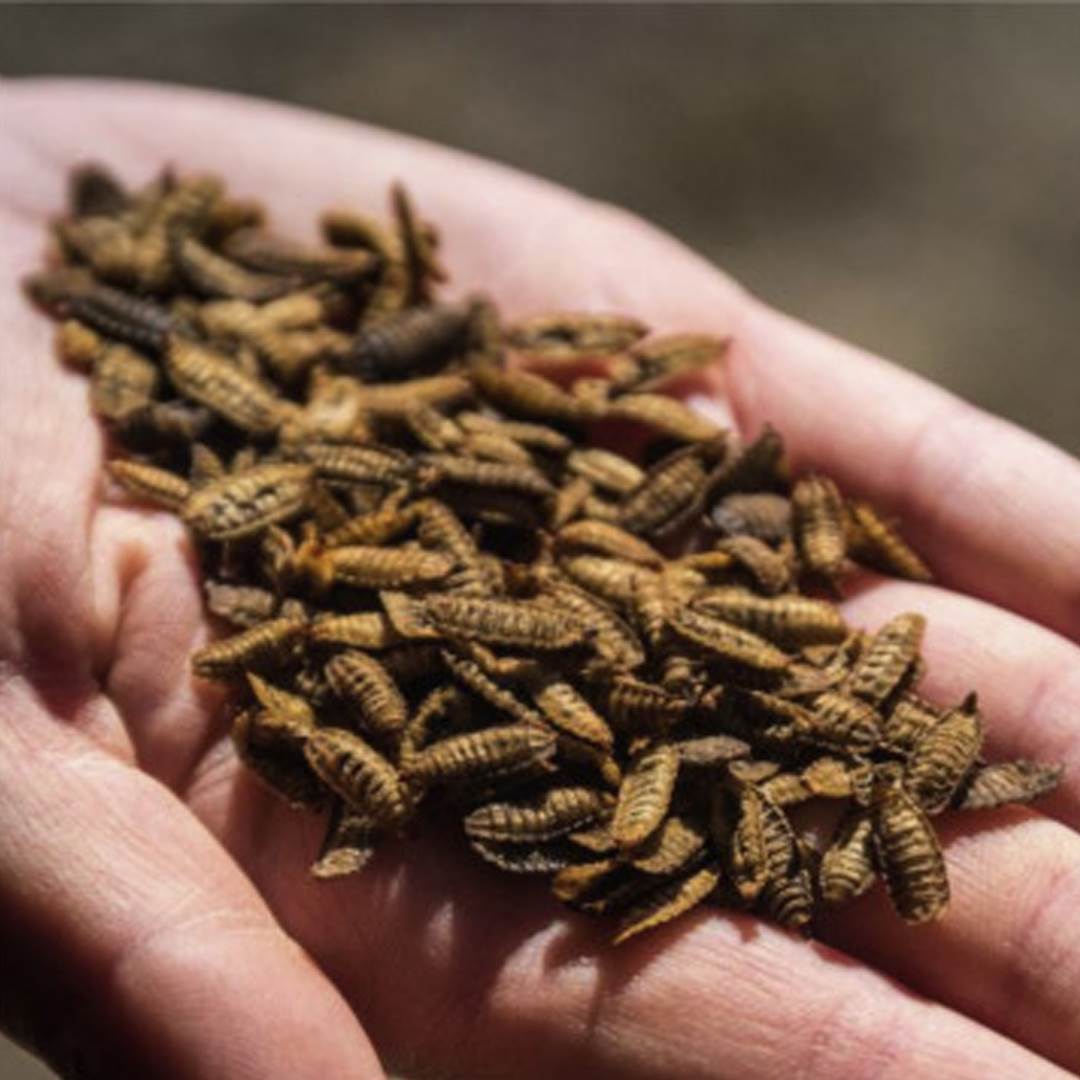
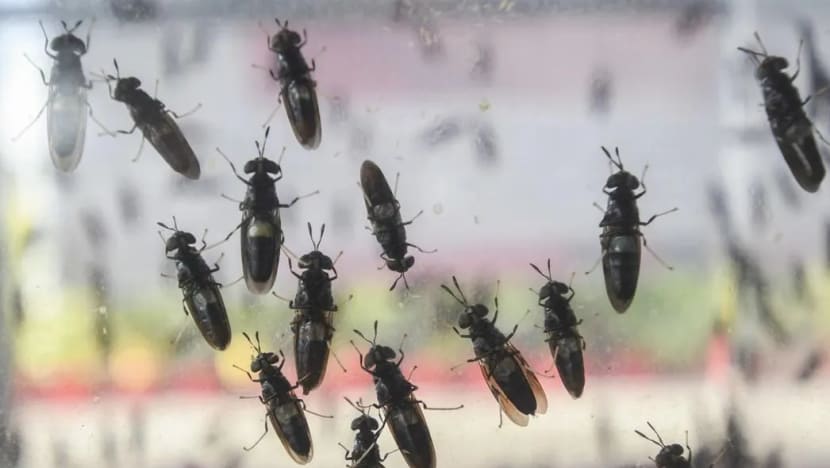
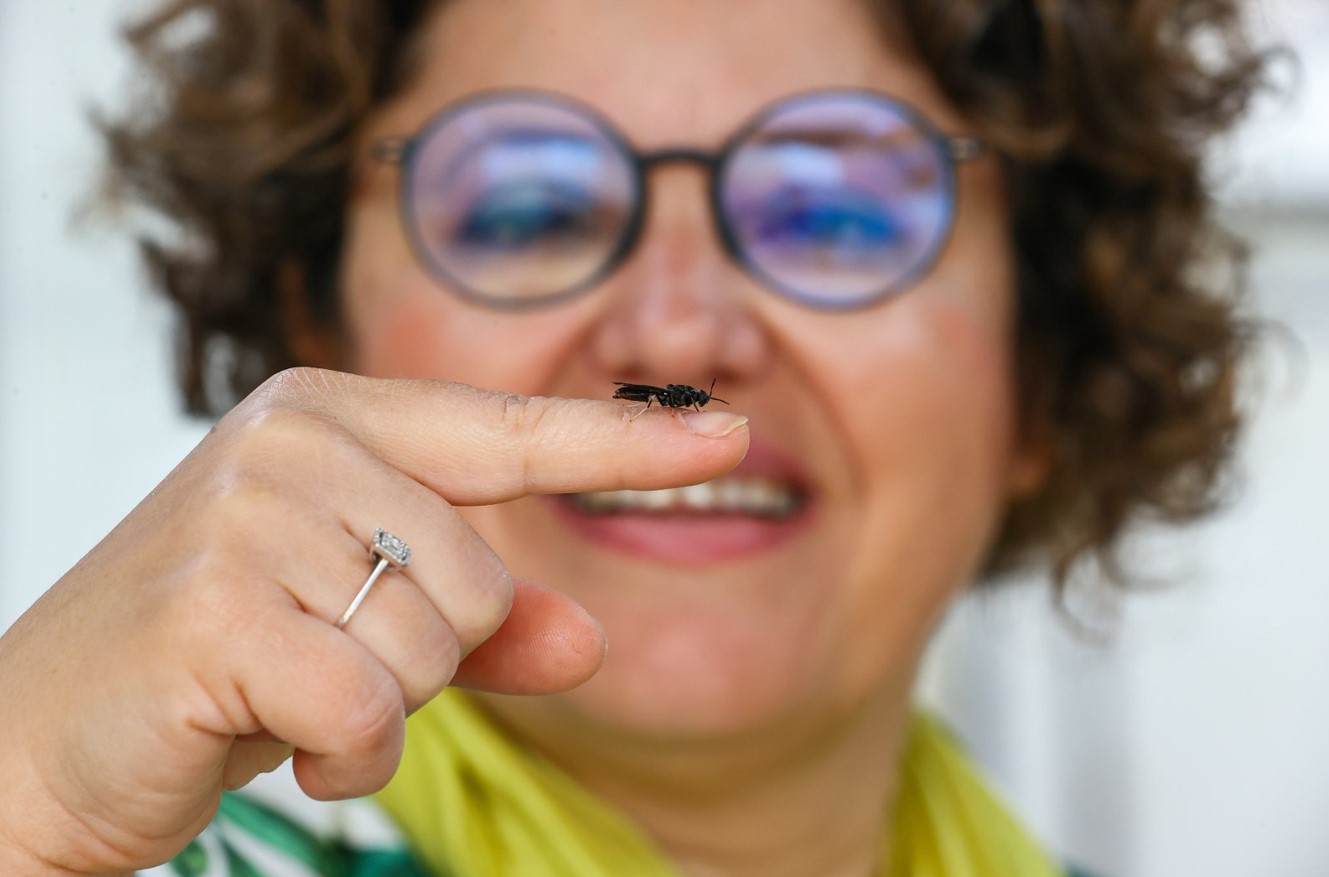
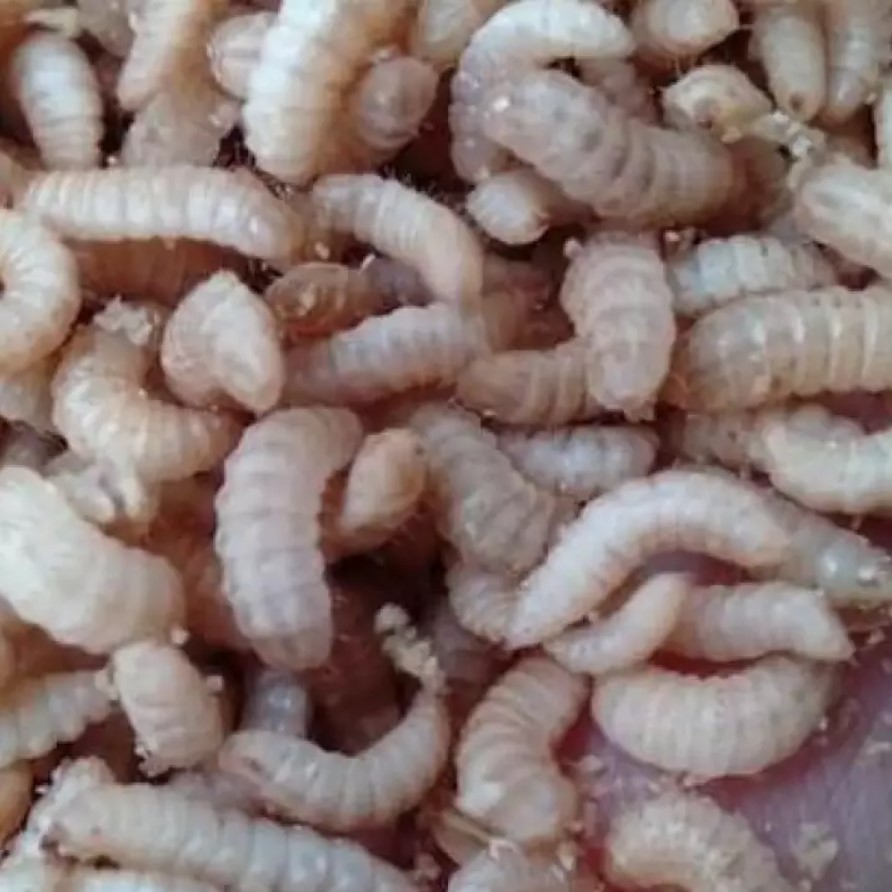
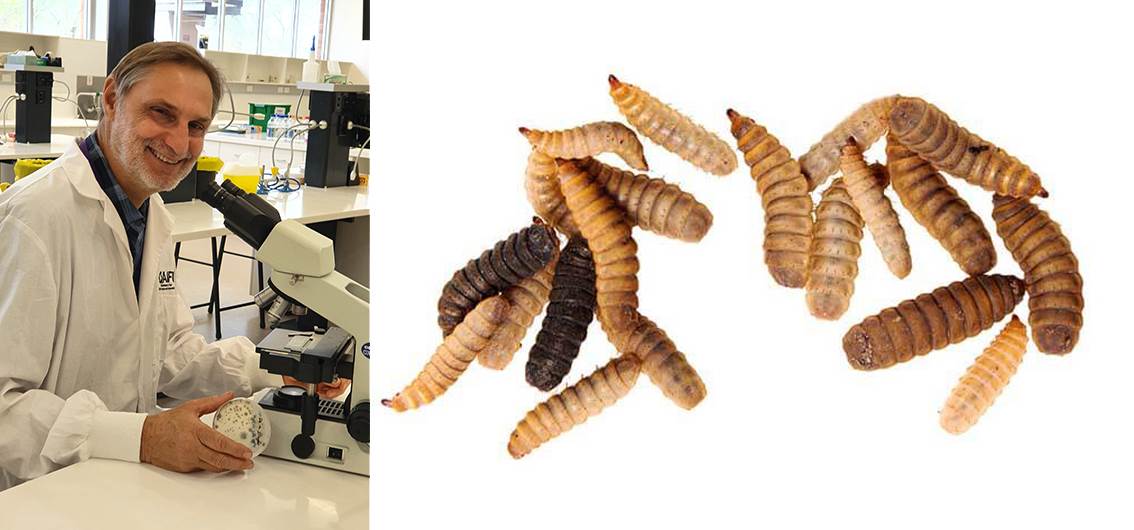
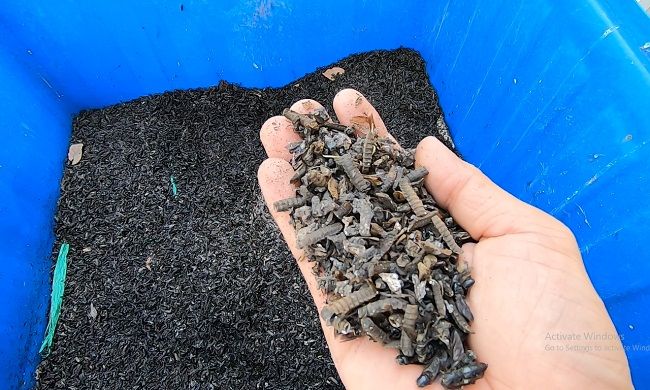
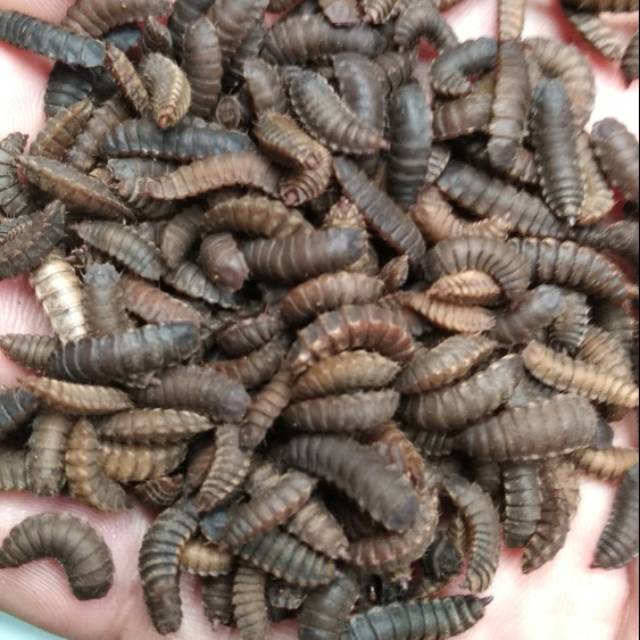
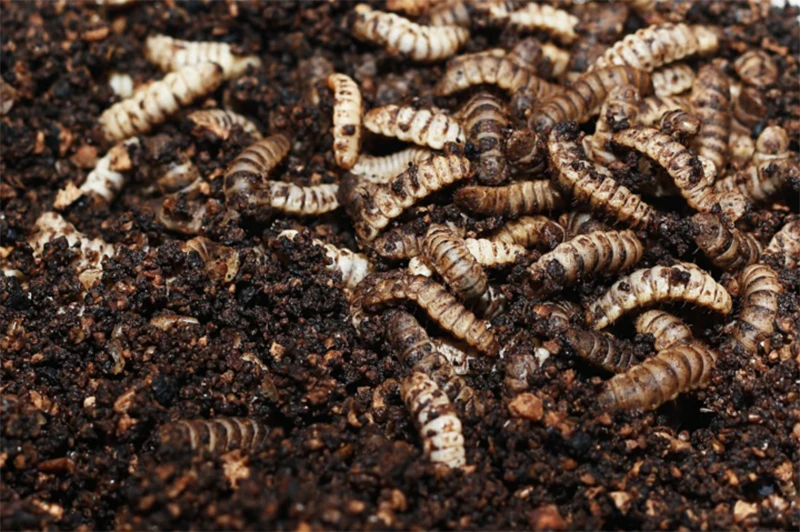
Black soldier fly larvae are the immature stage of the black soldier fly, scientifically known as Hermetia illucens. This insect species has received major attention in agricultural waste recycling because the larvae can consume large amounts of organic materials such as food by-products, animal manure, and many other organic-rich substrates. Review papers indicate that BSFL have strong potential in organic waste treatment while also producing insect protein for animal feed and frass that can be reused in cultivation.
Why Does Chicken Manure Need a More Effective Treatment Solution?
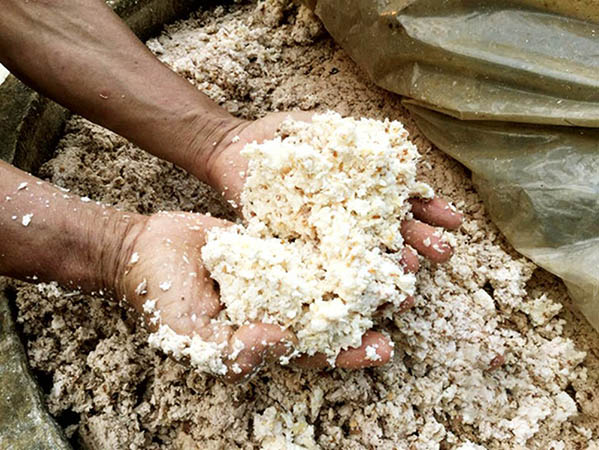
Chicken manure is a highly nutrient-rich organic waste, but it can also create many problems if it accumulates or is poorly managed. Bad odor, high moisture, heavy microbial load, and the risk of undesirable residues make chicken manure a real challenge for many farms. In traditional approaches, chicken manure is often composted or dried, but these methods can take time, produce strong odors, and deliver uneven treatment results if conditions are unstable. That is why treating chicken manure with black soldier fly larvae is seen as a promising option, especially when the goal is not only to reduce waste, but also to turn waste into a more valuable resource.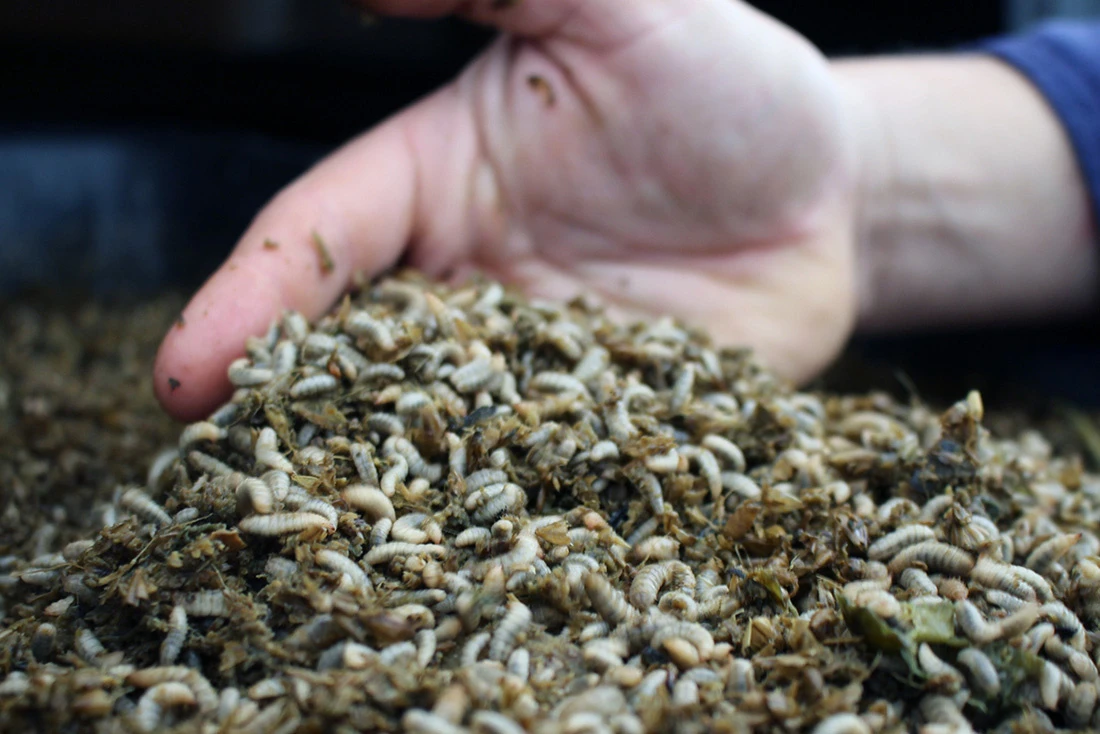
Should Pure Chicken Manure Be Used Directly to Raise Larvae?
This is where a practical view matters. Some research results suggest that pure chicken manure is not always the best substrate for BSFL growth. Mixing it with other organic materials can improve growth rate, survival rate, or conversion efficiency. In other words, anyone who thinks you can simply dump chicken manure in and the larvae will always thrive is oversimplifying the issue.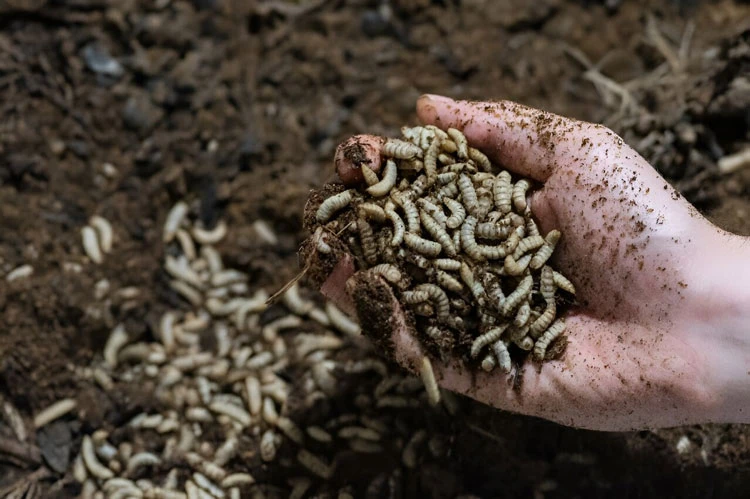
How Do Black Soldier Fly Larvae Convert Chicken Manure?
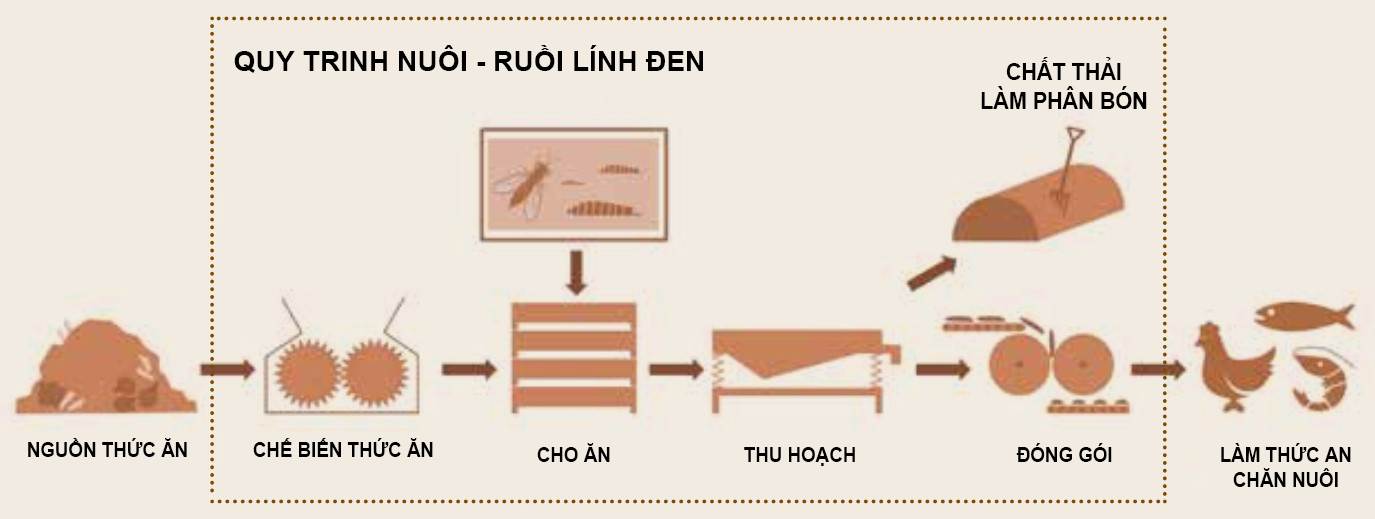
BSFL act like natural “biological processing machines.” When placed into a suitable substrate, the larvae consume the organic matter, break it down into simpler forms, and convert part of it into body biomass.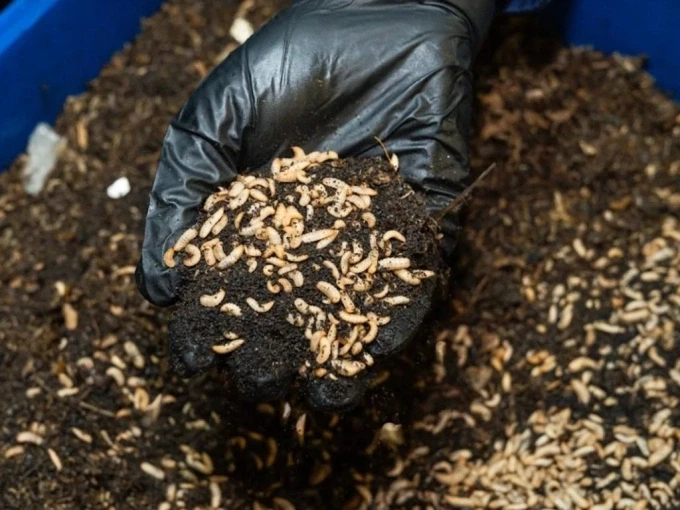
Reducing Waste Volume and Odor
As they feed and grow, the larvae can rapidly reduce the amount of organic substrate, helping lower the odor of chicken manure and reduce the pressure of storing waste at livestock facilities. Some reviews and studies report that BSFL technology can achieve a significant reduction in organic waste volume in a shorter time compared with many traditional treatment methods.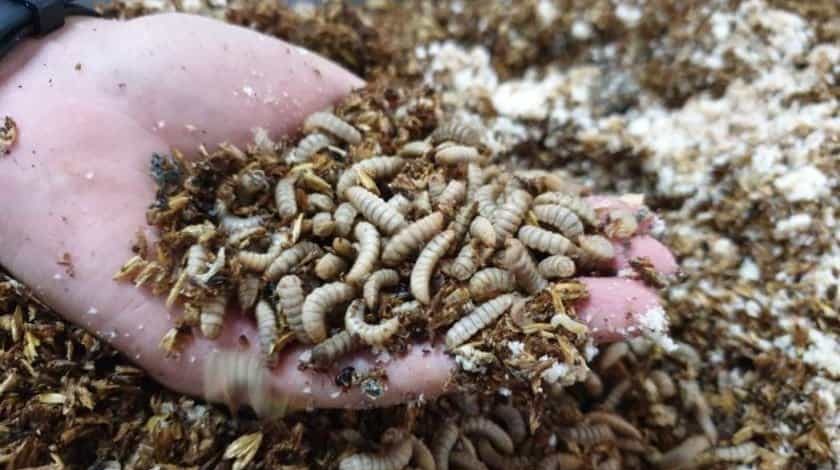
Producing Nutrient-Rich Biomass
When grown on organic substrate, BSFL produce biomass containing protein, fat, and minerals. This is one reason the technology is receiving attention in circular agriculture models, because the same process can both treat waste and generate a potential raw material for the animal feed chain.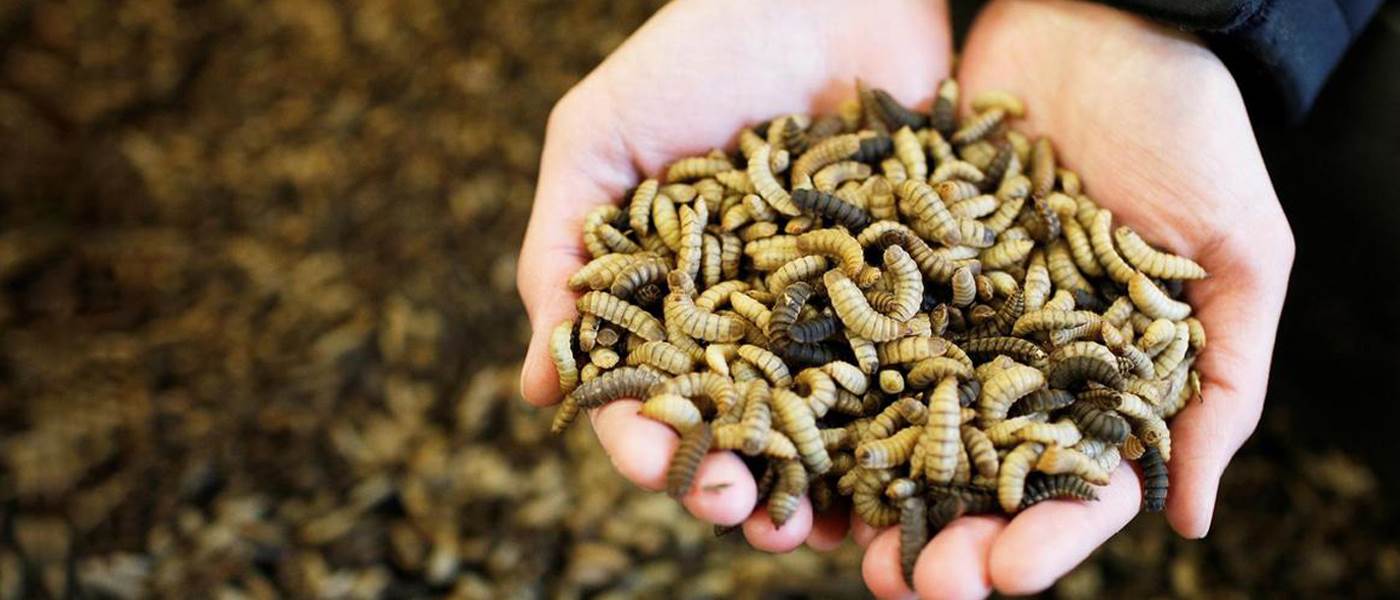
Leaving Behind Material With Potential as Organic Fertilizer

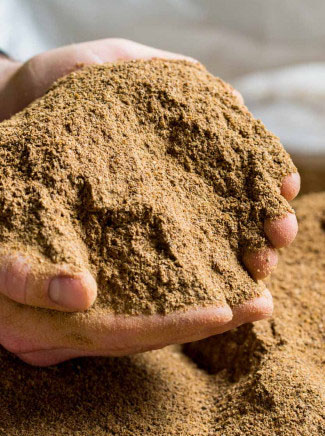
After the conversion process, the remaining material includes processed substrate, larval excreta, and more thoroughly decomposed organic matter, commonly referred to as black soldier fly frass. This output is of strong interest to many farming systems because it may support the production of organic fertilizer from chicken manure, although input and output quality still need to be controlled to ensure safe use.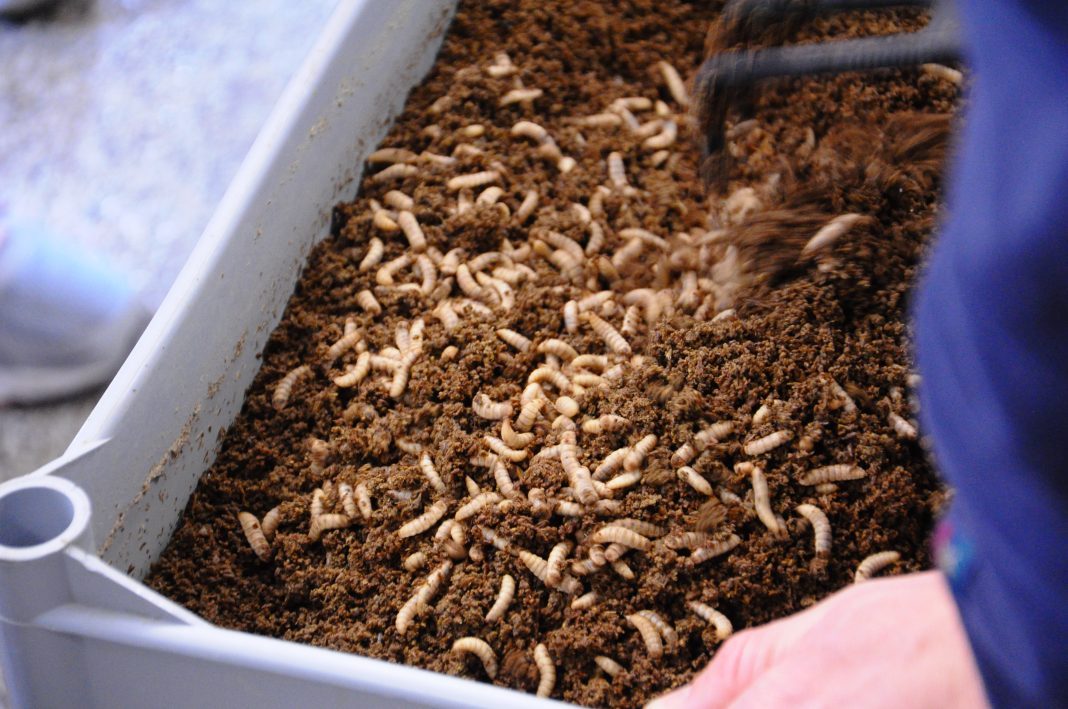
Key Benefits of Using Black Soldier Fly Larvae to Process Chicken Manure
Reducing Environmental Pressure on Farms
The first major benefit is the rapid reduction of accumulated organic waste. This is especially important in high-density poultry farming systems, where built-up chicken manure can increase odor, moisture, and the risk of pollution in surrounding areas.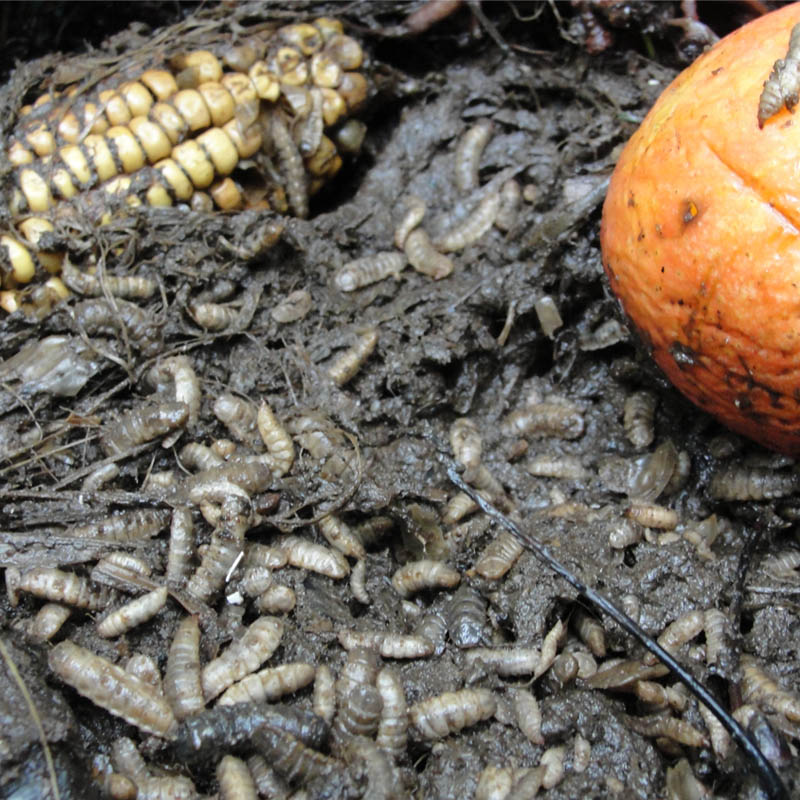
Supporting Circular Agriculture
Instead of viewing chicken manure only as waste to be removed, this method turns it into an input for a biological process that creates new value. That is why BSFL are often mentioned in agricultural waste recycling strategies and circular agriculture systems. Recent reviews also highlight BSFL as a practical platform for both “waste-to-feed” and “waste-to-fertilizer” models.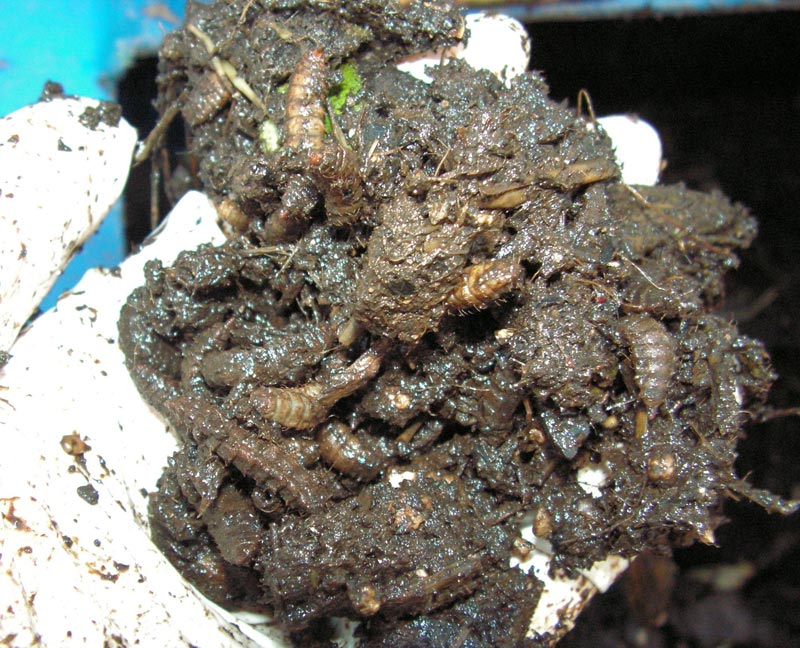
Creating an Additional Feed Ingredient Source
Larval biomass is considered a potential protein source that may partially replace traditional ingredients such as fishmeal or some other protein sources. However, this is where it is important to be honest: raising larvae on chicken manure does not automatically mean the final product is suitable for every purpose. The real application value of the biomass still depends on safety standards, local regulations, and how well the input substrate is controlled.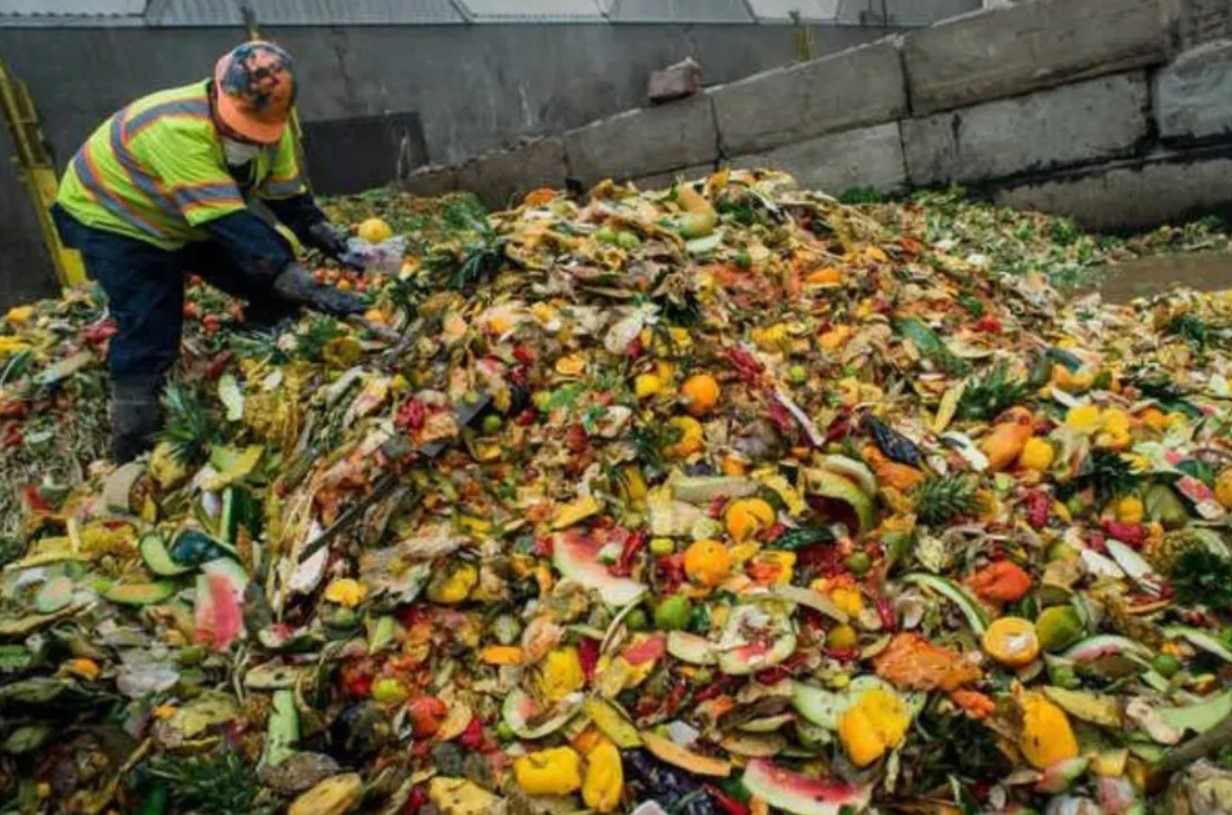
Making Use of Post-Processing Residue for Crops
If properly managed, frass can become a useful organic input for soil, helping improve soil fertility and reduce resource waste in integrated livestock–crop systems.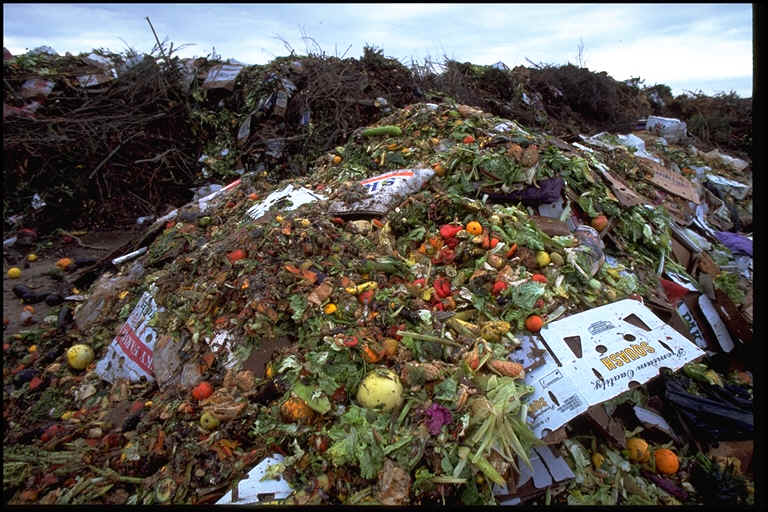
Is Converting Chicken Manure With Black Soldier Fly Larvae Safe?
This is the most important question, and also the one most likely to be overstated. The sensible answer is not “always safe,” but rather that it can be safe if it is tightly controlled.
- Pathogen risk: Chicken manure may contain harmful microorganisms. Some studies show that BSFL can alter the microbial community in the substrate and help reduce the load of certain pathogens. But reducing is not the same as eliminating completely. That is why biosecurity in livestock farming remains essential when applying this model.
- Antibiotic resistance gene risk: One issue that may be more serious than many people realize is the presence of antibiotic resistance genes in chicken manure. Recent research continues to identify this as an issue that requires close monitoring in BSFL conversion systems, because these genes may persist in the system if management is poor.
- Heavy metal accumulation risk: If the chicken manure input contains traces of heavy metals, the larvae or post-processing products may face a risk of accumulation. This is why testing the input substrate is not just an optional step, but a core requirement for building a sustainable model with reliable outputs.
- Control of larval density and rearing environment: Conversion efficiency depends on many factors such as larval density, temperature, humidity, and processing time. Research also shows that combining the system with functional microorganisms or mixing in suitable organic materials may improve conversion performance.
Conclusion / Final Words
Black soldier fly larvae (BSFL) and chicken manure conversion are opening a promising path for modern agriculture. This technology can help process chicken manure with black soldier fly larvae, reduce waste volume, lower environmental pressure, produce nutrient-rich biomass, and make use of frass as a valuable organic resource. But it also needs to be said clearly: this is not a solution that is automatically safe just because it is implemented. The risks related to pathogens, antibiotic resistance genes, and heavy metals are very real. So, for this model to work well, farmers and agricultural businesses need to focus on biosecurity, input control, output monitoring, and strict operating procedures. When applied correctly, BSFL are not just a livestock waste treatment tool, but can become an important link in a more circular, sustainable, and efficient agricultural system.
A brand specializing in the production and export of agricultural products in Vietnam. We have a black soldier fly farm in Tay Ninh and a cashew growing area in Binh Phuoc. The main export products of the company are: cashew nuts, cashew nut kernels, black soldier fly, frozen seafood, shrimp, prawns, catfish… from Vietnam.