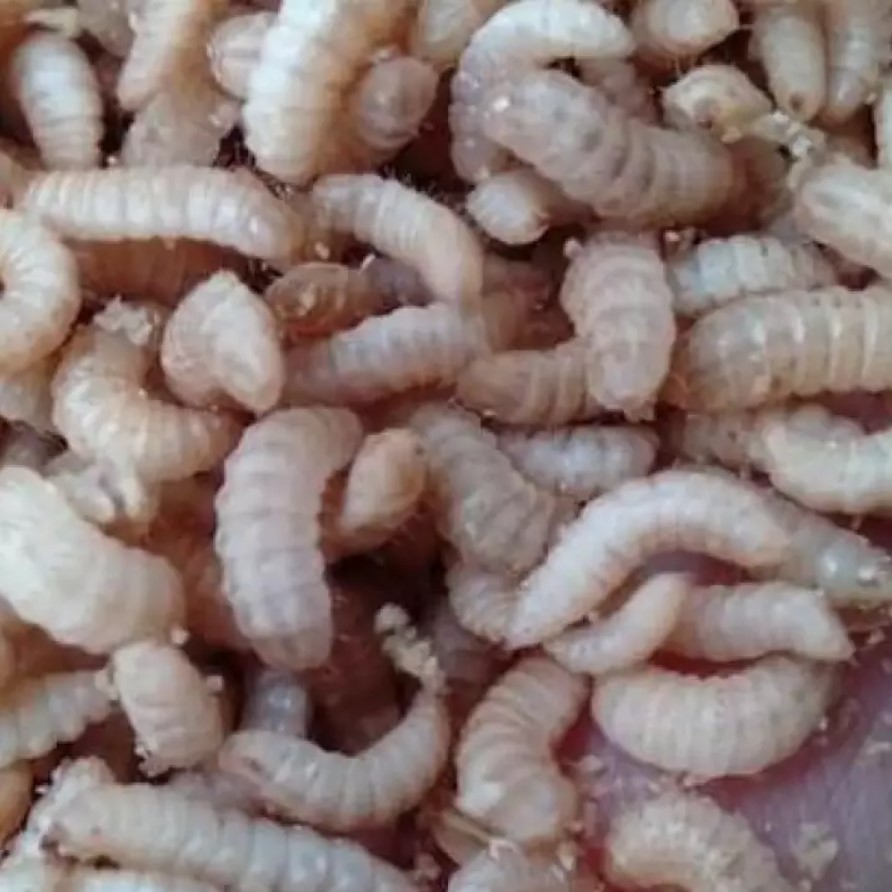
Should you raise black soldier flies? The farming and use of black soldier fly larvae (BSFL, also known in Vietnam as “sâu canxi”) as animal feed is becoming more popular in modern livestock production. But why are black soldier flies gaining so much attention? And what makes them increasingly valuable to feed manufacturers and farmers?
Here are 10 key reasons why black soldier fly larvae are worth raising:
- They have extremely high nutritional value
- BSF larvae can be a clean feed source
- They reproduce very quickly
- They are easy to raise and harvest
- They convert feed into protein very efficiently
- Their short life cycle allows frequent harvesting
- BSF farming can be more ethical than many traditional protein sources
- They have impressive survival ability
- BSF farming helps protect the environment
- They help solve food waste problems
Related guide: Black Soldier Fly Farming Techniques in Vietnam
1. They Have Extremely High Nutritional Value
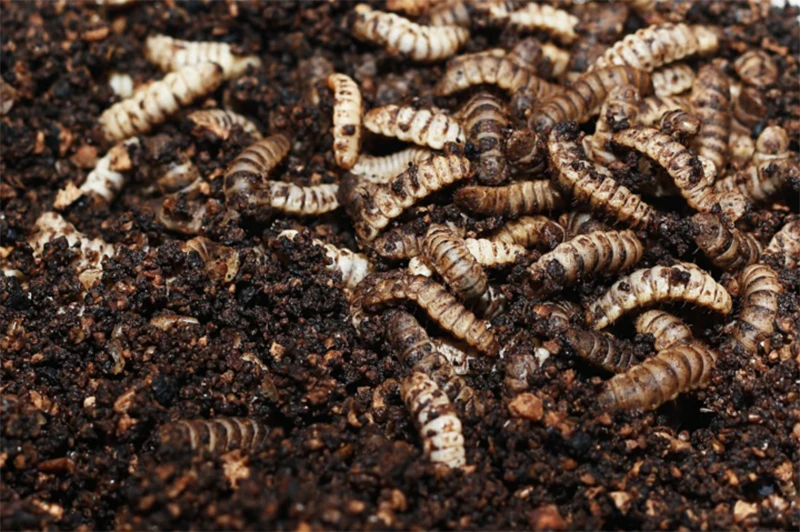
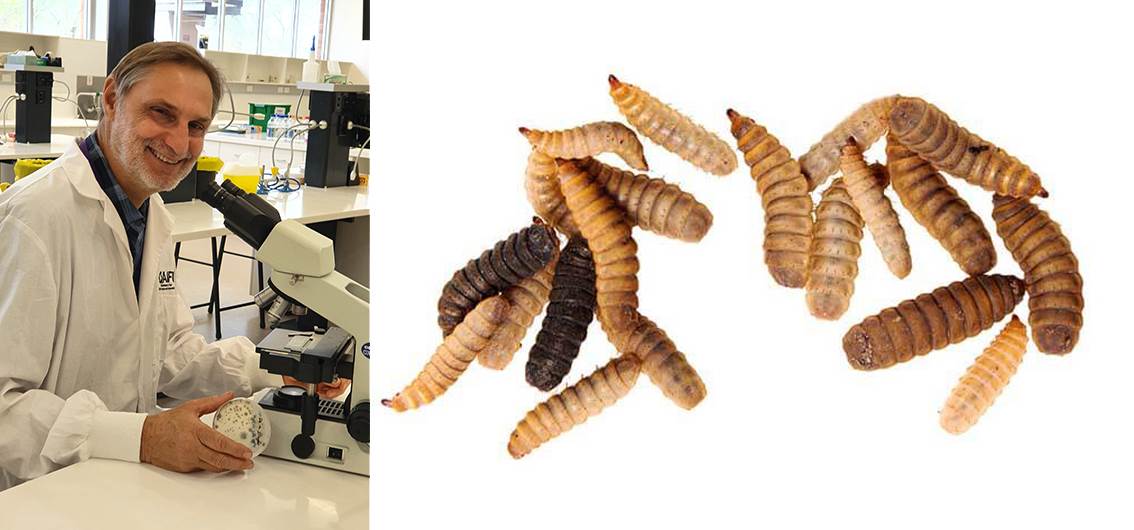
During the larval stage, black soldier flies are highly nutritious. At this stage, the larvae spend almost all their time feeding and growing. They eat aggressively, resist disease well, and store nutrients in their bodies before turning into pupae.
In practice, BSF larvae can consume a large amount of feed compared with their body weight each day. This allows them to grow quickly and convert organic matter into a rich source of nutrients. Once they become adult flies, they almost stop eating. That is why the larval stage is the most valuable stage for feed production.
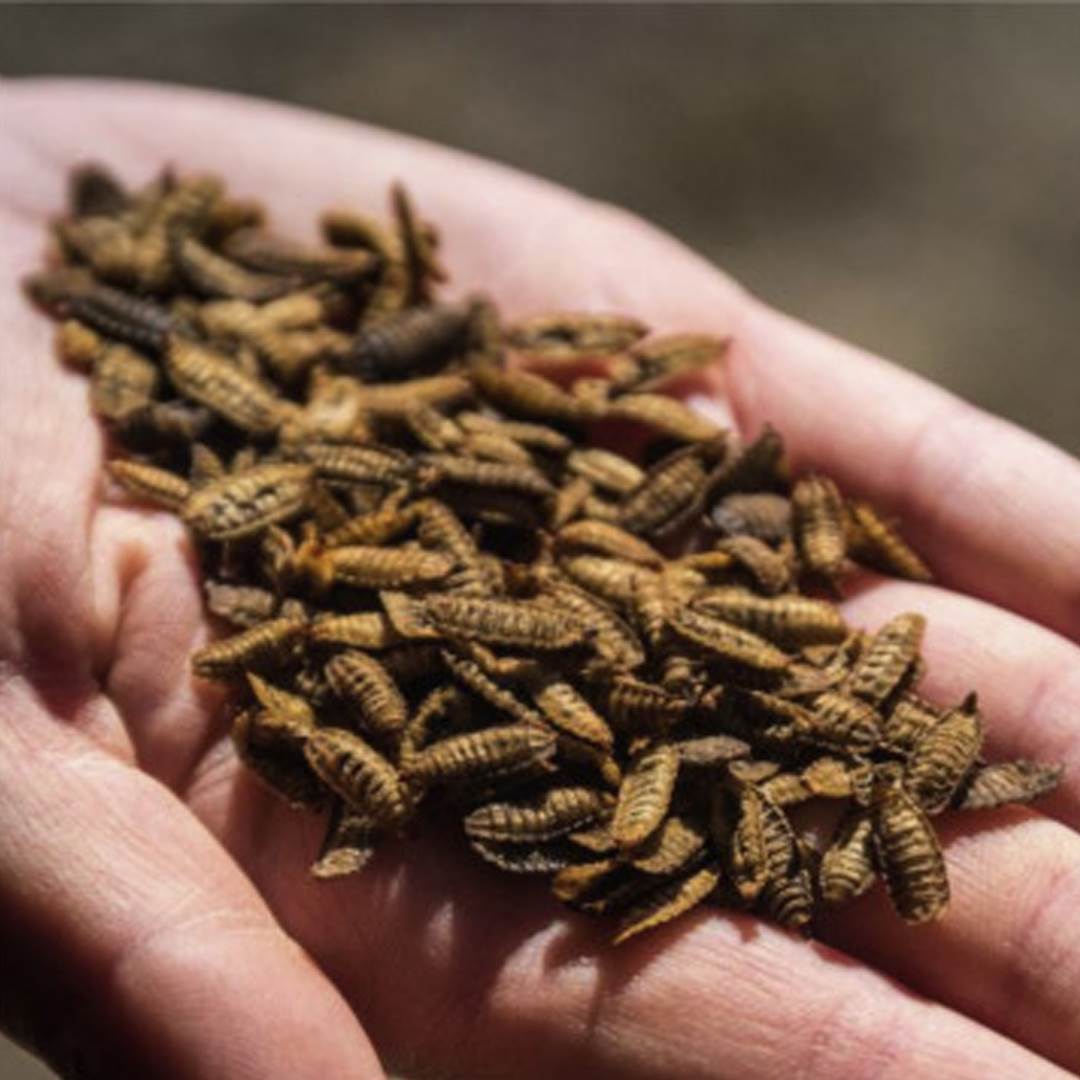
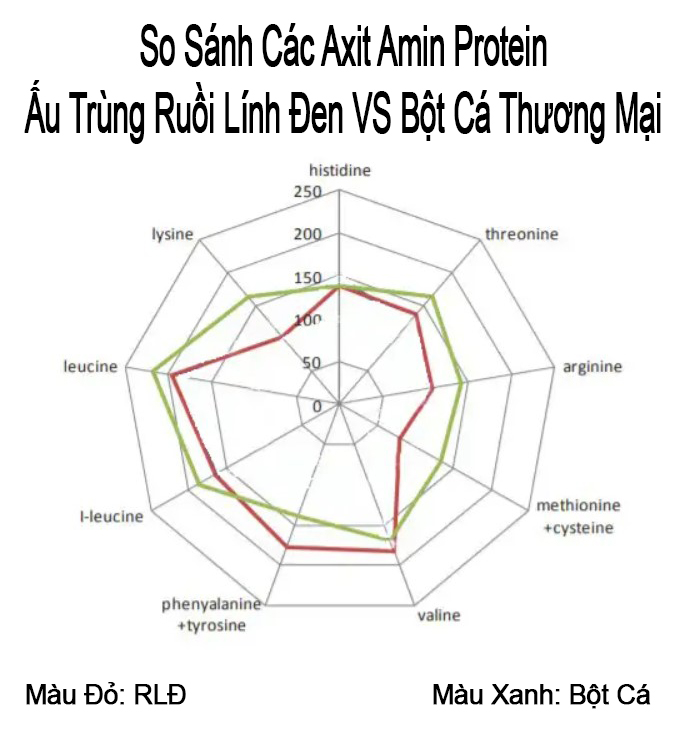
Black soldier fly larvae may contain around 43% protein, 34% fat, 6% calcium, and 1.2% phosphorus, depending on their feed source and processing method. Their protein is also rich in lysine, an important amino acid for animal growth.
See more: Nutritional Composition of Black Soldier Fly Larvae
2. BSF Larvae Can Be a Clean Feed Source
Black soldier fly larvae have a strong digestive system compared with many other insects. Their digestive activity allows them to process organic matter quickly and reduce certain harmful microbes in the feeding material.
The protein in BSF larvae is also rich in lysine, an amino acid that supports animal health, growth, calcium absorption, and stress reduction in some livestock species. This is one reason many farmers see BSF larvae as a promising feed ingredient.
See more: Can Humans Eat Black Soldier Fly Larvae?
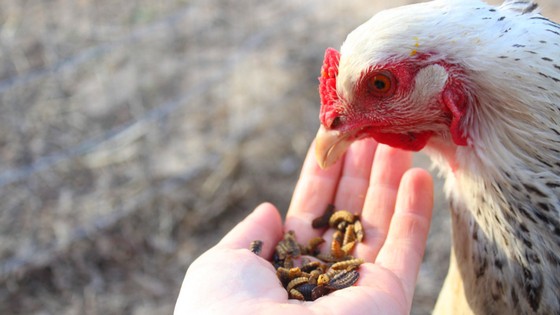
Black soldier fly larvae are rich in nutrients and suitable for livestock and poultry feed.
3. They Reproduce Very Quickly
Black soldier flies have a fast reproduction rate. In nature, a female black soldier fly can lay about 400–800 eggs near decaying organic matter. Around 1 gram of eggs may contain thousands of eggs, depending on egg size and quality.
Compared with traditional livestock, this reproduction rate is extremely high. A cow usually gives birth to one calf at a time, while a black soldier fly can lay hundreds of eggs in a single cycle. This allows BSF farms to scale production much faster.
See more: Black Soldier Fly Eggs
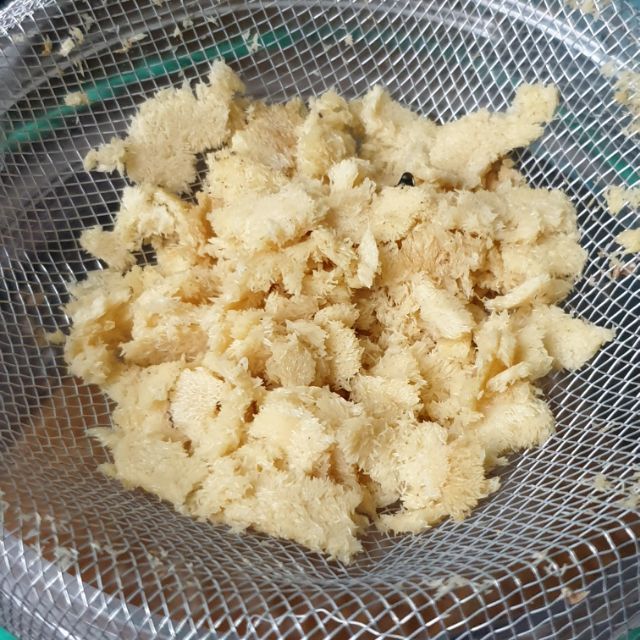
Black soldier fly eggs are often purchased for breeding and starting a new colony.
4. They Are Easy to Raise and Harvest
Black soldier flies are relatively easy to raise. They require little space and can be harvested without complicated equipment. In Vietnam’s climate, BSF larvae can grow well if the farm is managed with proper moisture, shade, feed, and hygiene.
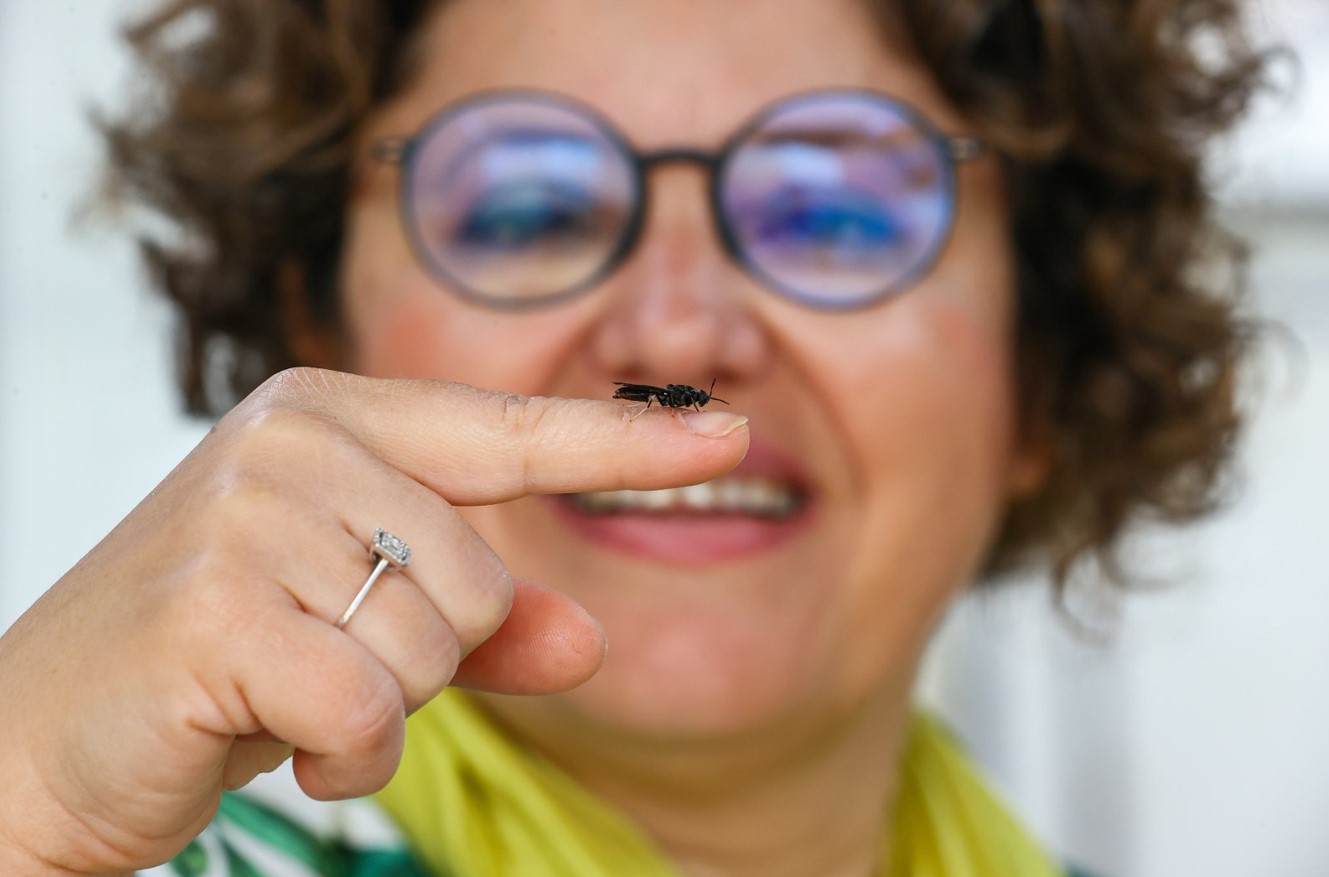
Larvae naturally avoid light, so harvesting can be made easier by guiding them into darker collection areas. Adult black soldier flies are also not aggressive and do not usually disturb the surrounding environment. This makes them easier to manage than many other insects.
With a well-designed farm, producers can control the number of larvae, harvest them at the right stage, and use them quickly as fresh feed. This gives farms a local source of organic protein instead of relying only on commercial feed suppliers.
See more: 5 Ideal Conditions for Healthy Black Soldier Fly Larvae Growth
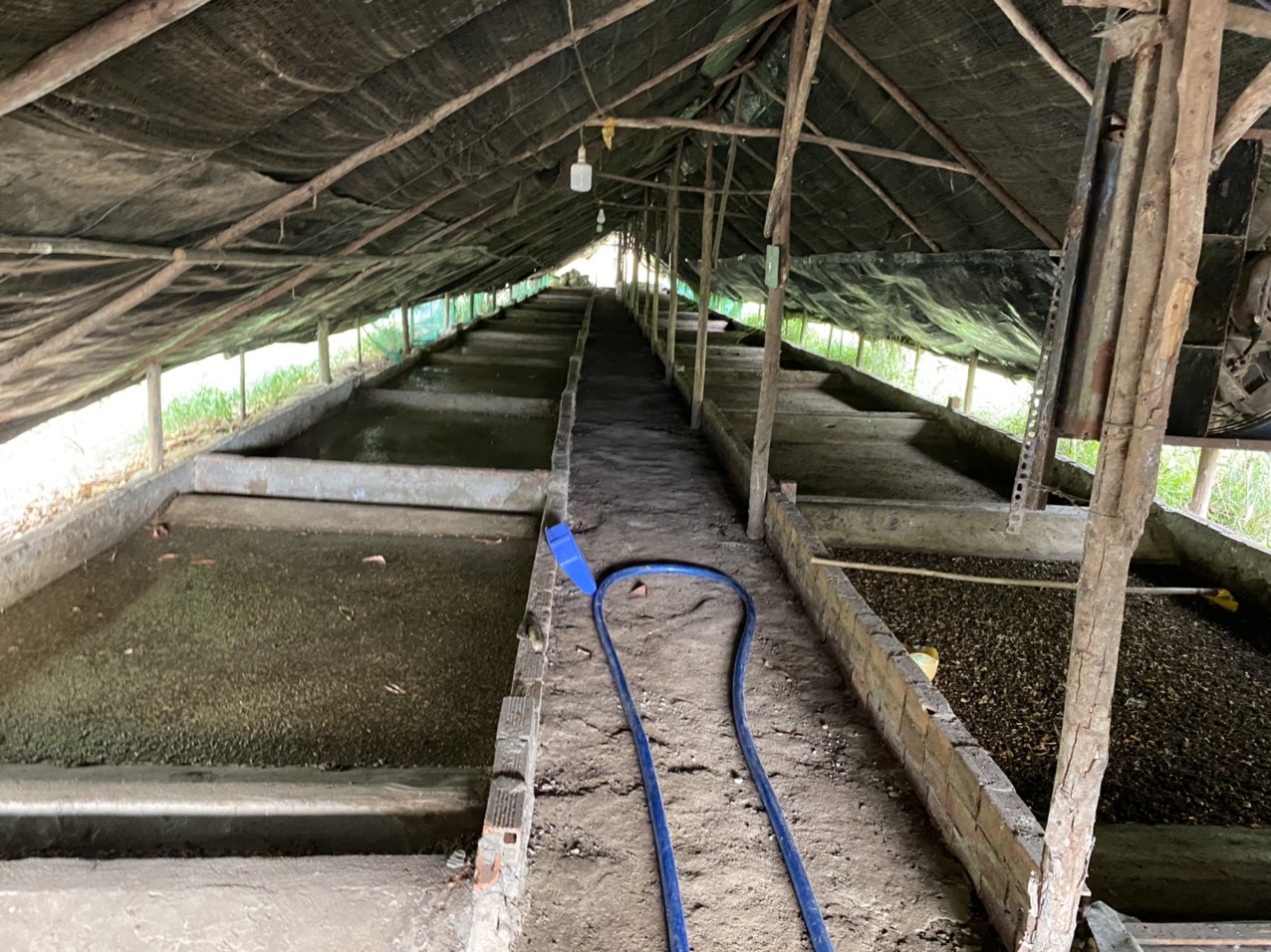
A real black soldier fly farm in Cu Chi, Ho Chi Minh City.
5. They Convert Feed into Protein Very Efficiently
Black soldier fly larvae are highly efficient at converting organic feed into body protein and fat. For example, raising cattle may require around 10 kg of feed to produce 1 kg of beef. In comparison, black soldier fly larvae may need only around 2–3 kg of feed to produce 1 kg of larvae-based protein meal, depending on farming conditions and feed quality.
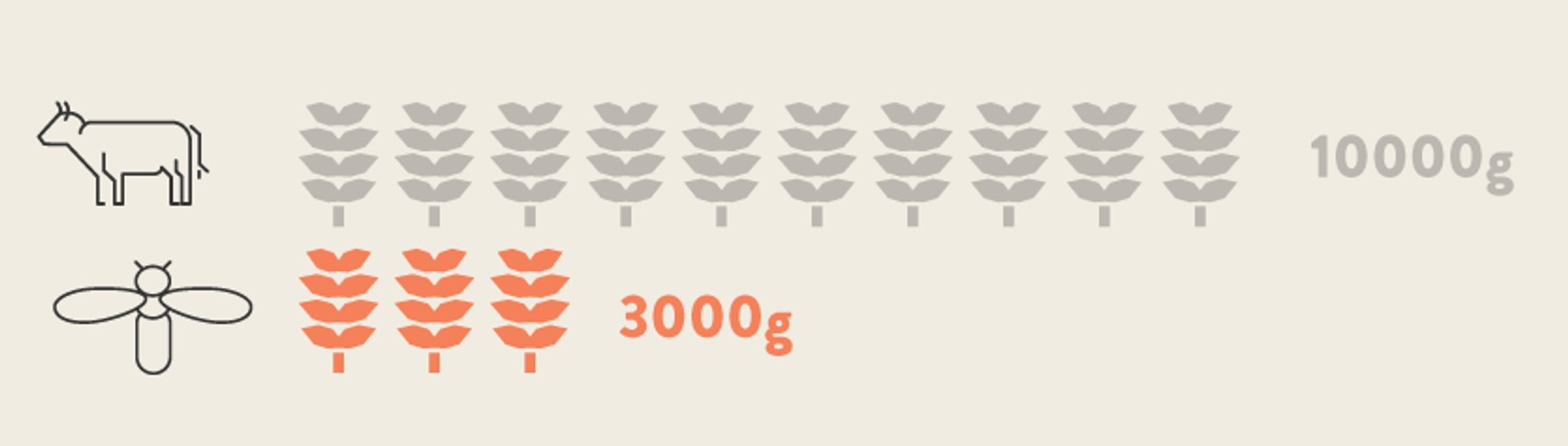
Black soldier fly larvae can convert feed into protein more efficiently than many traditional livestock systems.
6. Their Short Life Cycle Allows Frequent Harvesting
The life cycle of a black soldier fly is short, usually around 6 weeks, including the egg, larva, pupa, and adult fly stages. Compared with mealworms, which may take around 9 weeks to complete their cycle, black soldier flies can be harvested faster.
This short life cycle gives BSF farms a high harvest rate and helps reduce production costs. It also allows farmers to maintain a steady feed supply for livestock, poultry, fish, and other animals.
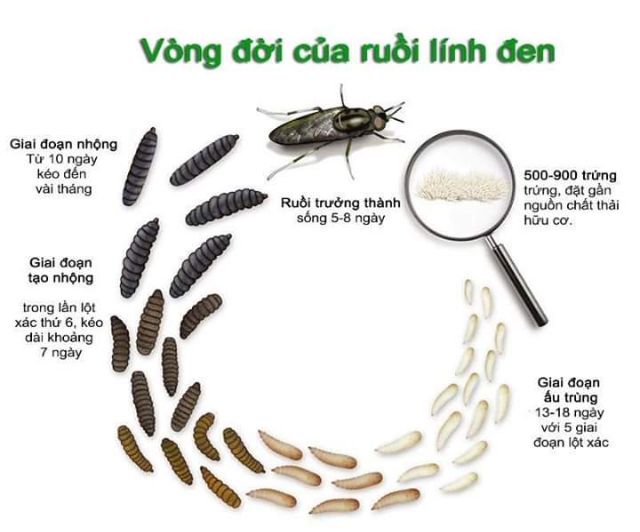
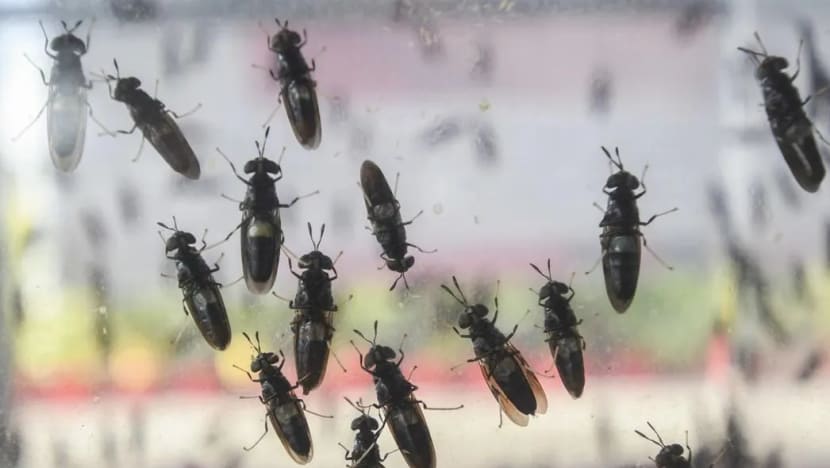
The main development stages of black soldier flies include eggs, larvae, pupae, and adult flies.
7. BSF Farming Can Be More Ethical Than Many Traditional Protein Sources
The demand for protein is rising not only for humans but also for the animal feed industry. Many traditional protein sources come from livestock systems that require large amounts of land, water, feed, and energy. Some also raise concerns about animal welfare and overfishing.
By using insect protein such as black soldier fly larvae, farmers can reduce part of their dependence on fishmeal, meat by-products, and soybean meal. BSF larvae are easier to raise in dense groups because they naturally grow close together in moist organic environments.
However, one point should be said clearly: BSF farming still needs proper management. Poor farm hygiene can create bad odors and attract pests. So the system is only “better” when it is planned and operated well.
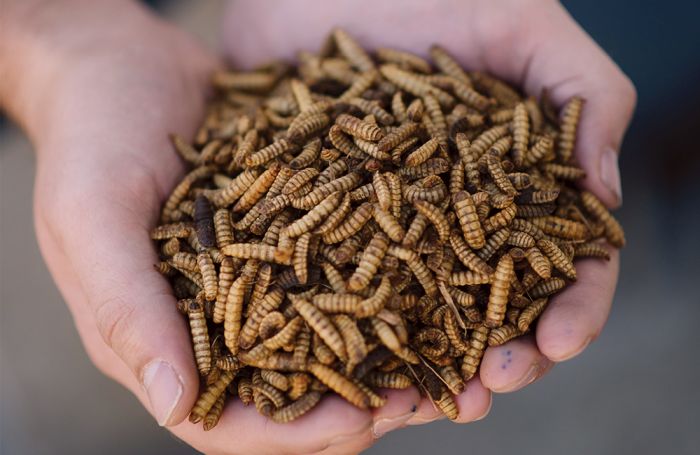
Black soldier fly larvae are a promising long-term alternative protein source with many advantages.
8. They Have Impressive Survival Ability
Black soldier fly larvae are known for their strong survival ability. They can consume many types of organic matter and grow well under suitable farming conditions. Some insect farms use rejected fruits, vegetables, food-processing by-products, or other organic materials that are no longer suitable for human consumption.
This strong adaptability makes BSF larvae easier to raise than many other protein-producing species. Still, feed quality matters. If the larvae are used for animal feed, farmers should avoid unsafe, contaminated, or chemically polluted waste sources.
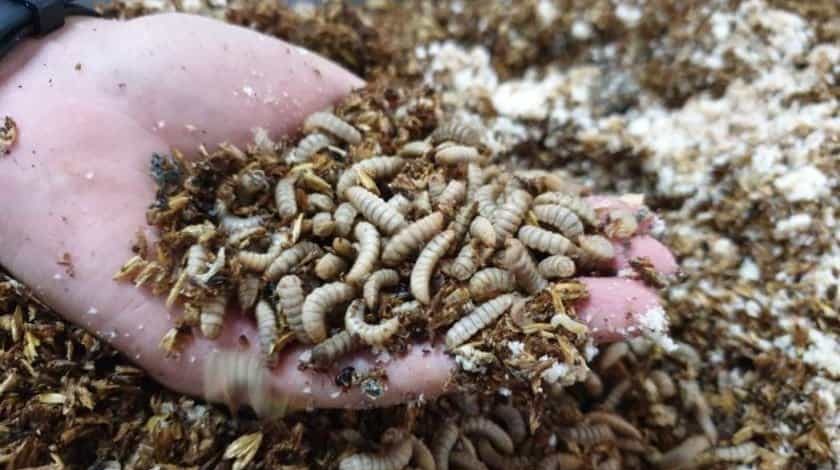
Black soldier fly larvae can survive in a wide temperature range when conditions are managed properly.
9. BSF Farming Helps Protect the Environment
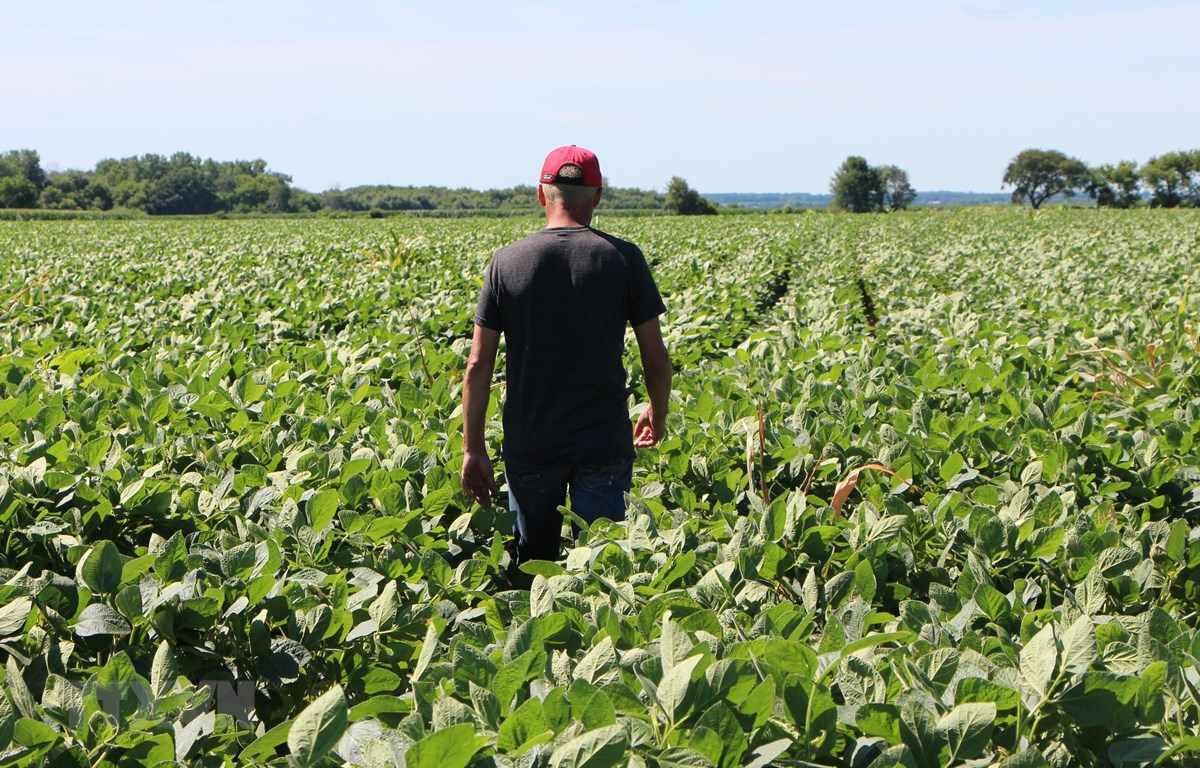
Black soldier fly farming is considered space-saving and resource-efficient. In some comparisons, a small BSF production area can produce a large amount of protein compared with traditional livestock grazing or soybean production.
Raising and using black soldier fly larvae can be more environmentally friendly than many conventional protein sources because larvae can turn organic waste into animal feed ingredients and fertilizer. This helps reduce waste while creating useful products for agriculture.
See more: 2 Billion People Around the World Regularly Eat Insects

Black soldier fly larvae are being studied as a sustainable protein source for the future.
10. They Help Solve Food Waste Problems
Black soldier fly larvae can consume many types of discarded food and organic waste. This makes them one of the most practical biological solutions for reducing food waste and environmental pollution.
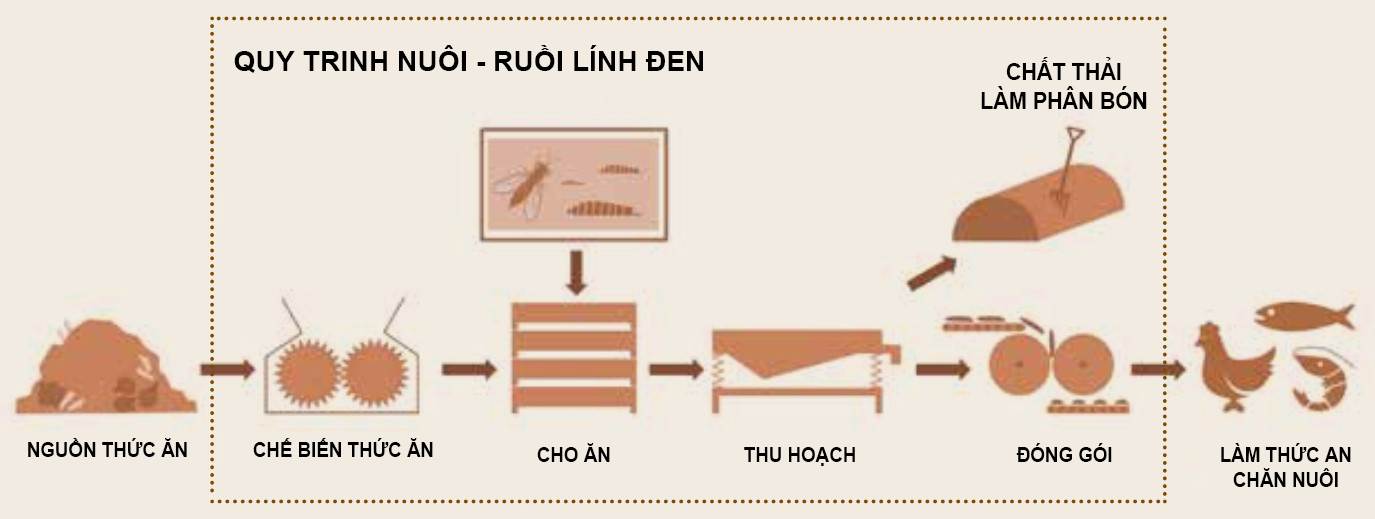
For example, farmers can feed larvae with brewery by-products, food-processing residues, or leftover food from restaurants, hotels, and factory canteens, as long as the feed source is safe and suitable. This helps turn waste into protein, fat, and fertilizer instead of sending it to landfills.
That is the real strength of BSF farming: it does not only create animal feed. It also helps build a more circular and sustainable agricultural system.
See more: 7 Good Feed Sources for Black Soldier Fly Larvae in Vietnam
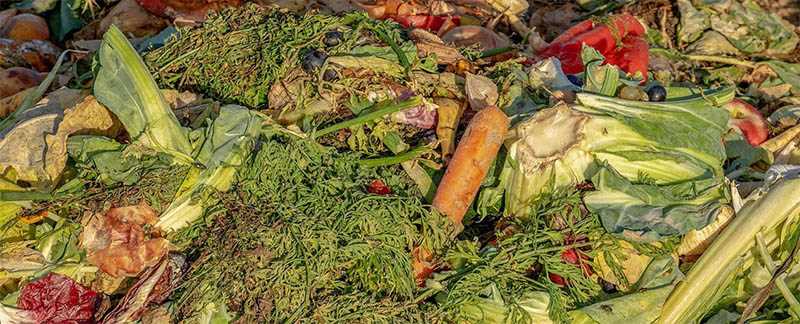
Agricultural by-products are a major food waste source that can be processed by black soldier fly larvae.
See more black soldier fly products: Vietnam black soldier fly products
Products Mentioned in This Article
- Black soldier fly eggs – 10g
- 6-day-old black soldier fly larvae
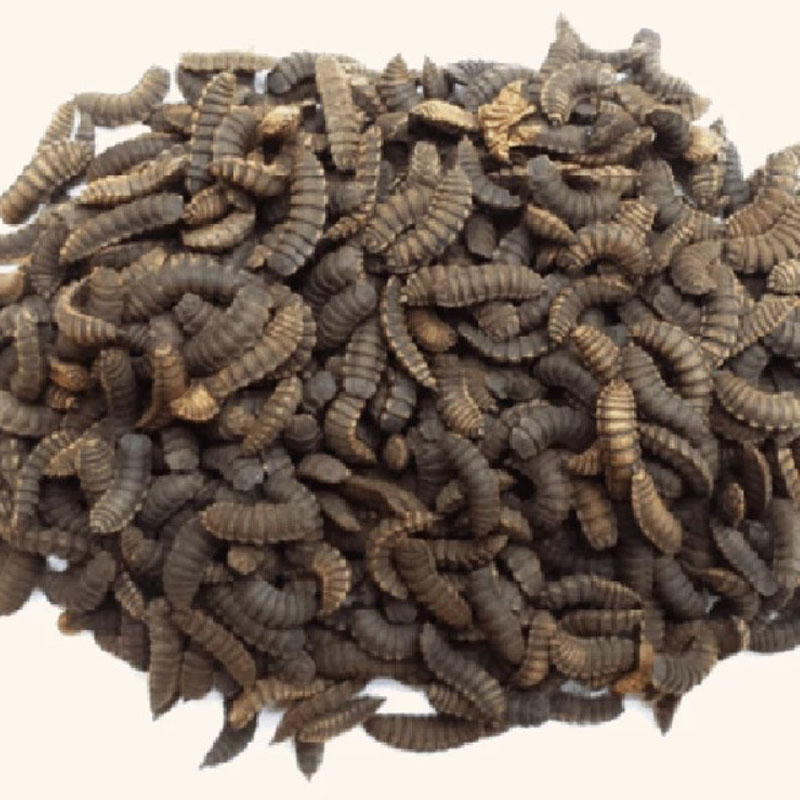
- Dried 14-day-old black soldier fly larvae
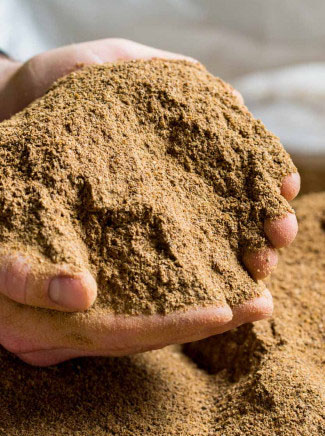
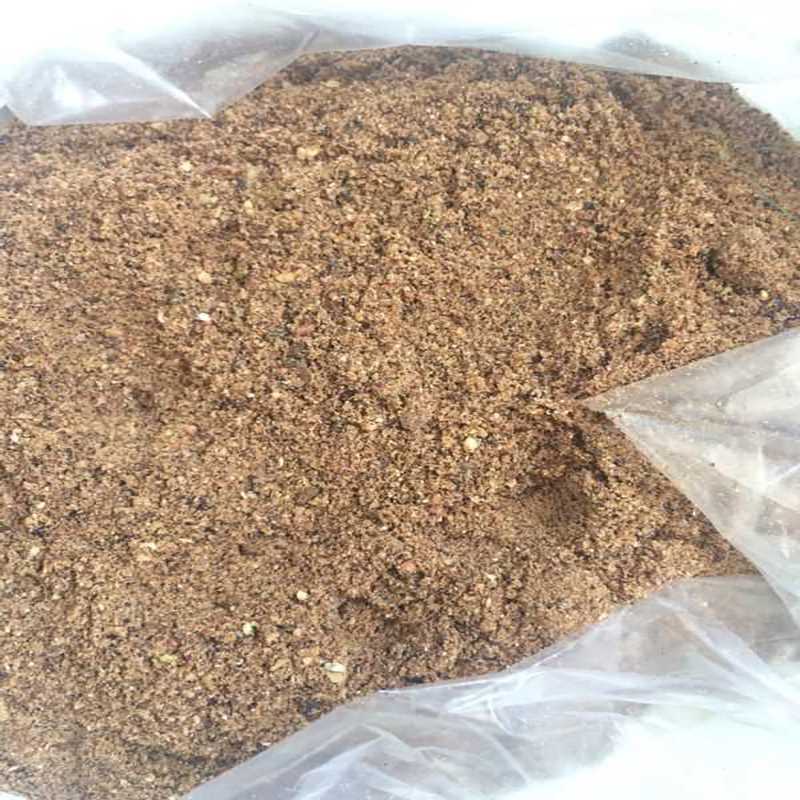
- Black soldier fly larvae meal – 10kg
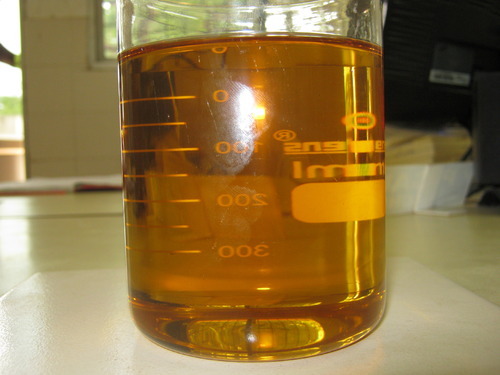
- Oil extracted from black soldier fly larvae

Chúng tôi là một thương hiệu chuyên sản xuất, thương mai và xuất khẩu các mặt hàng nông sản của Việt Nam. Chúng tôi có vùng trồng điều & nhà máy điều ở Bình Phước, trại nuôi ruồi lính đen ở Tây Ninh. Các mặt hàng xuất khẩu chính của Công ty là: hạt điều, hạt điều nhân, ruồi lính đen,… từ Việt Nam.