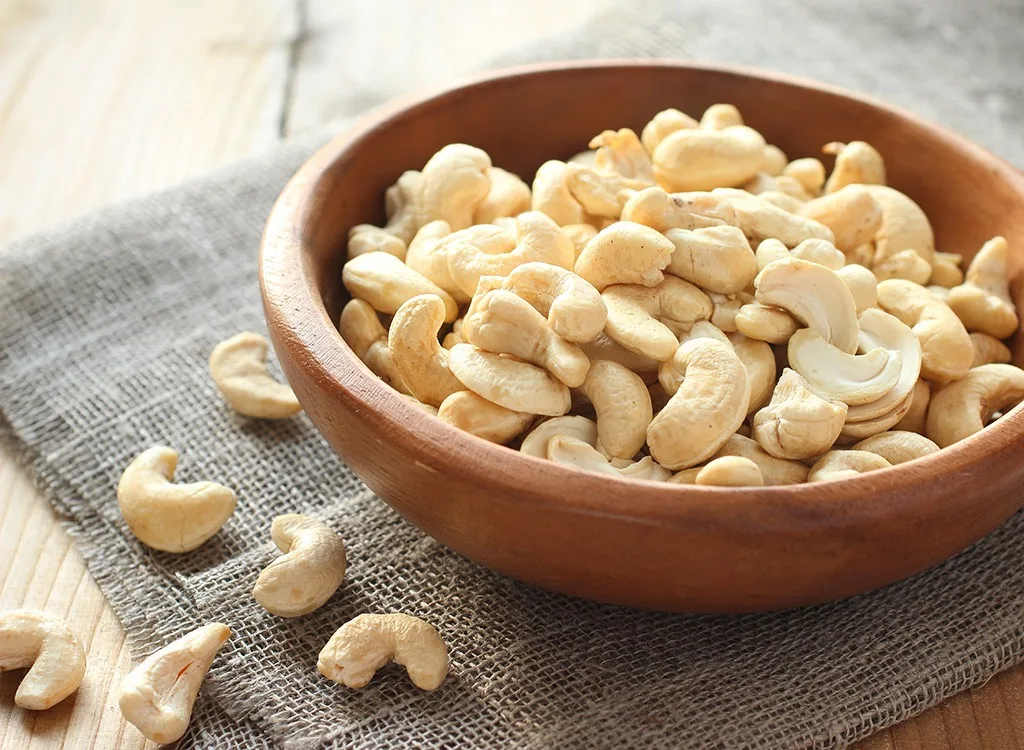
The Kenya Agricultural and Livestock Research Organization (KALRO) has been working on new technologies to help increase cashew production in Kenya’s fertile coastal regions. The goal is to raise the country’s supply of raw cashew nuts in the coming years.
Cashew is one of the most important crops in Kenya’s coastal belt. It is mainly grown in Kwale, Kilifi, Tana River, Mombasa, and Lamu counties. The cashew industry provides direct and indirect employment for more than 50,000 people. In 2016, Kenya’s cashew-growing area was estimated at 21,284 hectares, with production reaching about 11,404 tons.
Farmer Training Programs Are Being Promoted
KALRO Director General Kireger said the research organization has started a farmer training program at the local level. The program focuses on new farming technologies and the distribution of improved cashew seedlings developed by KALRO.
Speaking during an eight-day training program for cashew farmers from Lamu County at KALRO Mtwapa, Kireger explained that farmers in Kenya’s coastal cashew-growing areas currently produce only about 10 kg of cashew nuts per tree. In comparison, the potential yield of the improved varieties being promoted can reach up to 70 kg per tree.
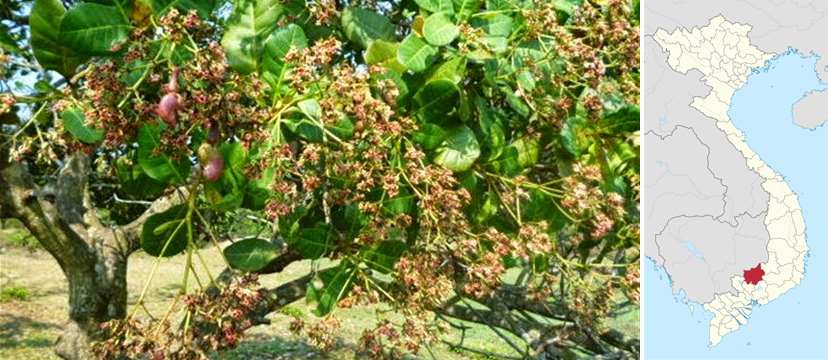
He also noted that the main reasons for low productivity in Kenya include old cashew trees, poor seed varieties, weak agronomic management, pest and disease pressure, and weak farmer organizations. These issues have kept cashew yields low for many years.
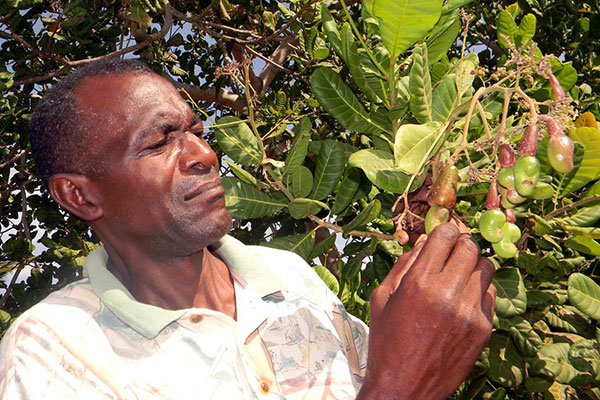
Old cashew trees, poor seed varieties, weak farm management, pests, diseases, and weak farmer organizations have reduced cashew yields in Kenya for many years.
Developing New Cashew Varieties and Expanding Growing Areas
Regarding improved cashew varieties, Kireger said that KALRO has developed 14 cashew varieties and is currently evaluating their resistance to powdery mildew disease. Around four of these varieties have shown very high yield potential, partly because of their stronger disease tolerance.
Kireger also revealed that four of the 14 varieties developed by KALRO have already been certified. These varieties can potentially produce up to 1,680 kg of raw cashew nuts per hectare, compared with the current average yield of only around 500 kg per hectare.
At present, Kenya’s cashew-growing area covers about 23,000 hectares, with annual production of around 15,000 tons of raw cashew nuts. In the future, Kenya plans to expand the growing area to about 70,000 hectares, with estimated annual production of 45,000 tons of raw cashew nuts.
KALRO’s chairman said that demand for cashew nuts and cashew-based products is increasing both locally and internationally. He added that Kenya has strong potential to take advantage of this opportunity. Potential export markets include India, Vietnam, China, Pakistan, Sudan, Saudi Arabia, and South Africa.
There are also plans to establish processing facilities for high-quality cashew kernels, targeting demanding markets such as the United States, the European Union, and Japan.

Kenya currently has around 23,000 hectares of cashew-growing land, producing about 15,000 tons of raw cashew nuts per year.
Cashew Trees Are Well Suited to Kenya’s Climate
Kireger also explained that cashew is a perennial crop with good tolerance to water stress. This makes it a suitable crop for climate-smart farming, especially for farmers who are facing the effects of climate change.
Cashew trees grow well in well-drained sandy loam soils in tropical climates. The ideal average temperature is between 24°C and 28°C, although the tree can also survive temperatures of up to 40°C.
According to KALRO, cashew can grow in areas from sea level up to 1,000 meters above sea level, though the ideal altitude is around 600 meters. The crop generally requires annual rainfall of 600 to 1,200 mm, but it can also grow in areas receiving as little as 400 mm of rainfall per year.
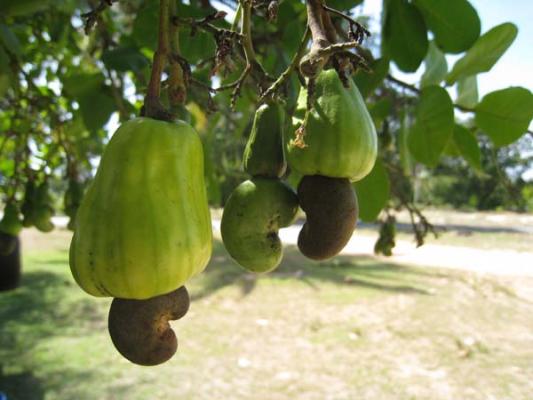
The main cashew-growing areas in Kenya include Kilifi, Kwale, Tana River, Lamu, and Taita Taveta.
Kenya Once Had a Strong Cashew Industry
Cashew farming and processing in Kenya were once very active during the 1960s and 1970s. However, the decline and later collapse of the national Kenya Cashew Nuts factory weakened the industry badly.
Kenya once accounted for about 5.9% of global cashew production in 1969, with annual output of around 24,000 tons. By 2020, production had fallen to about 12,667 tons. This decline shows why Kenya is now making renewed efforts to revive its cashew sector through better varieties, stronger farmer training, and improved processing capacity.
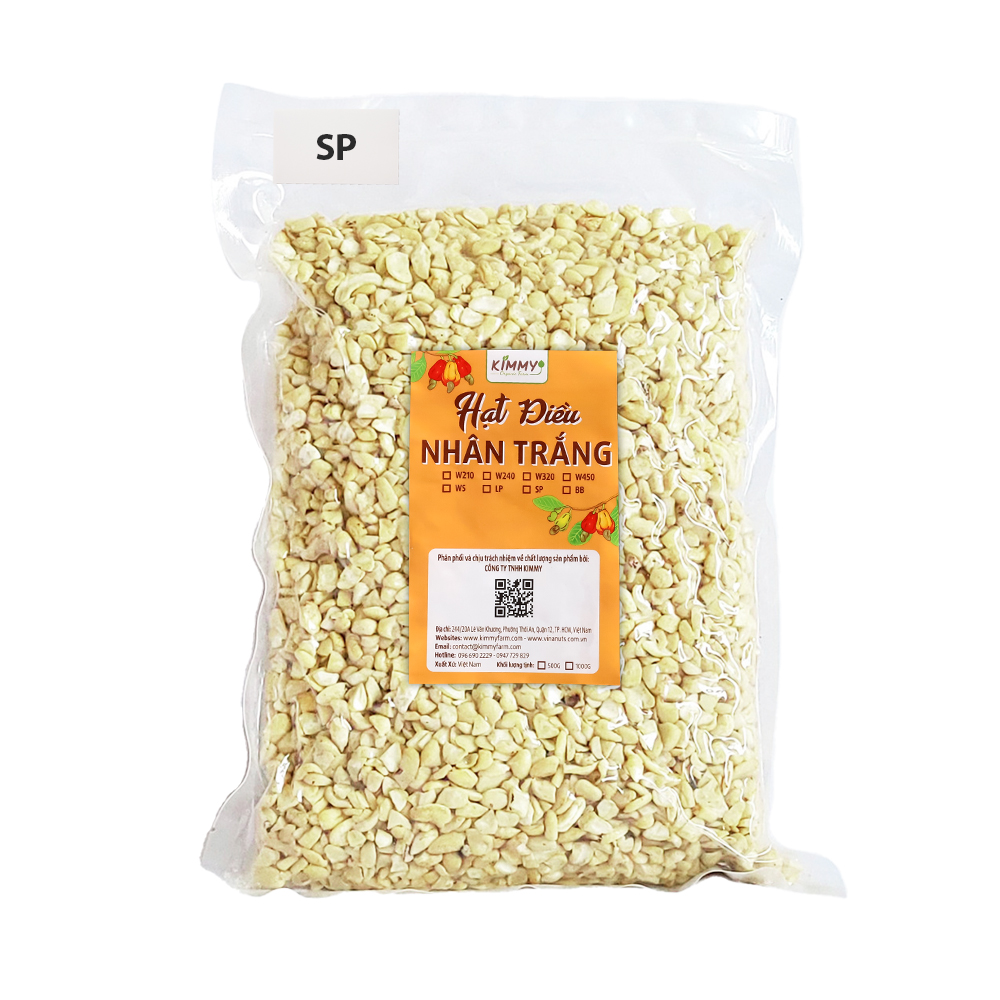
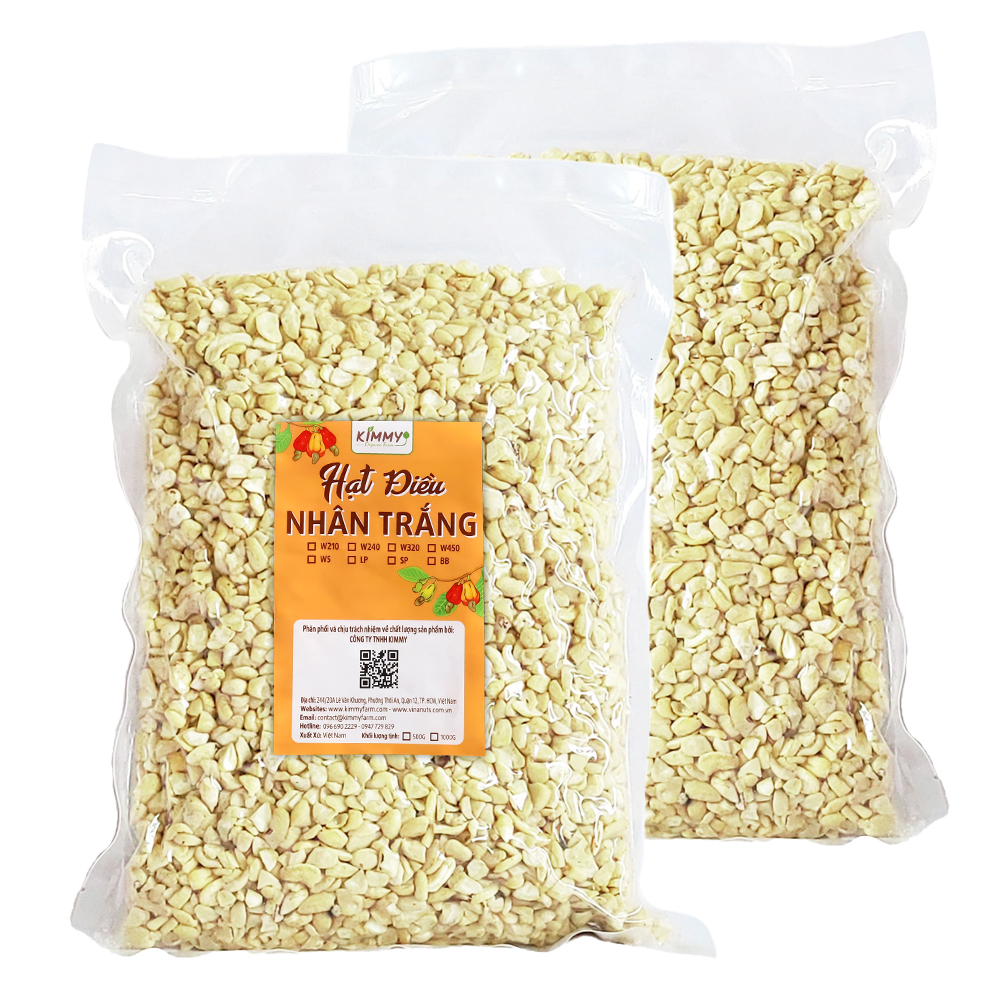
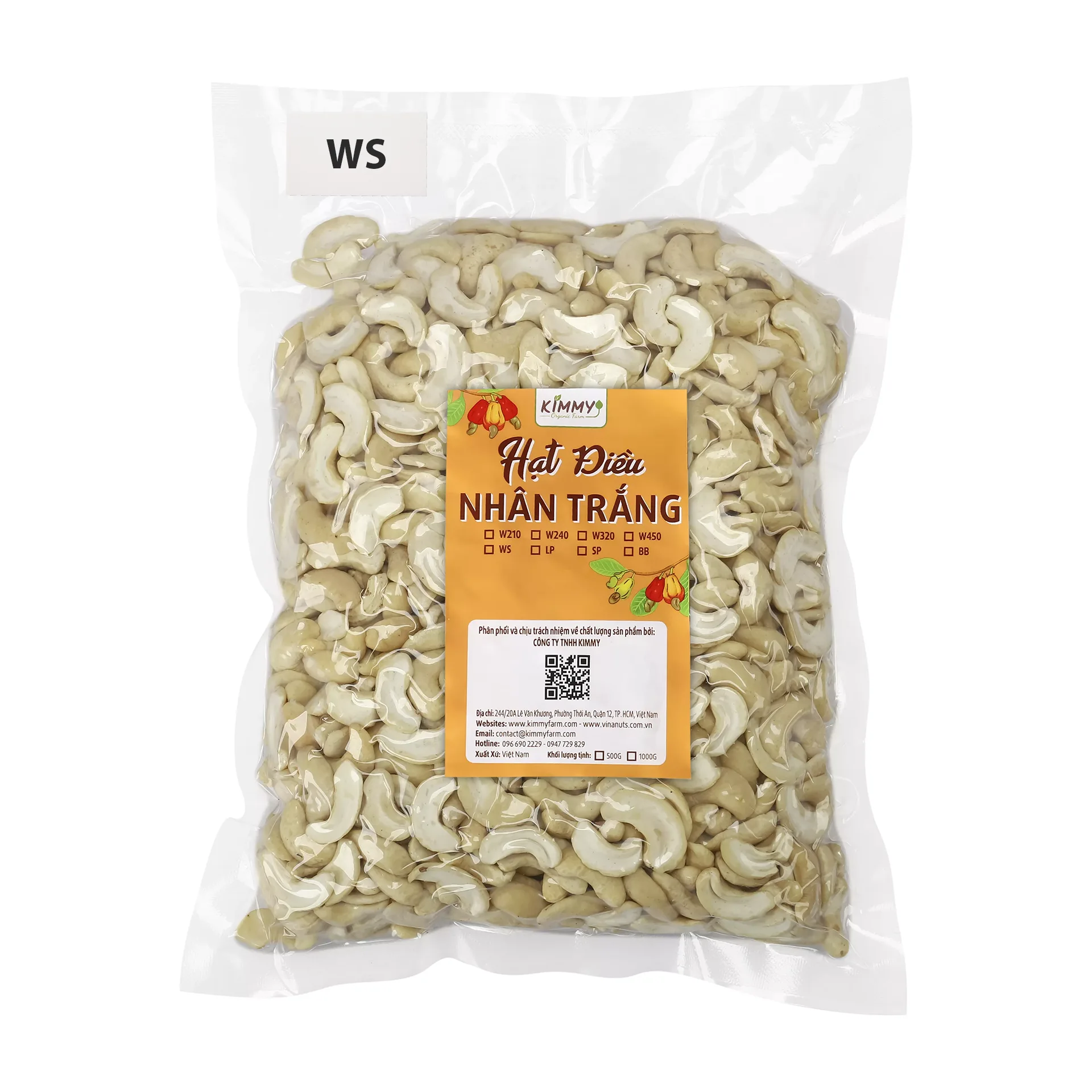
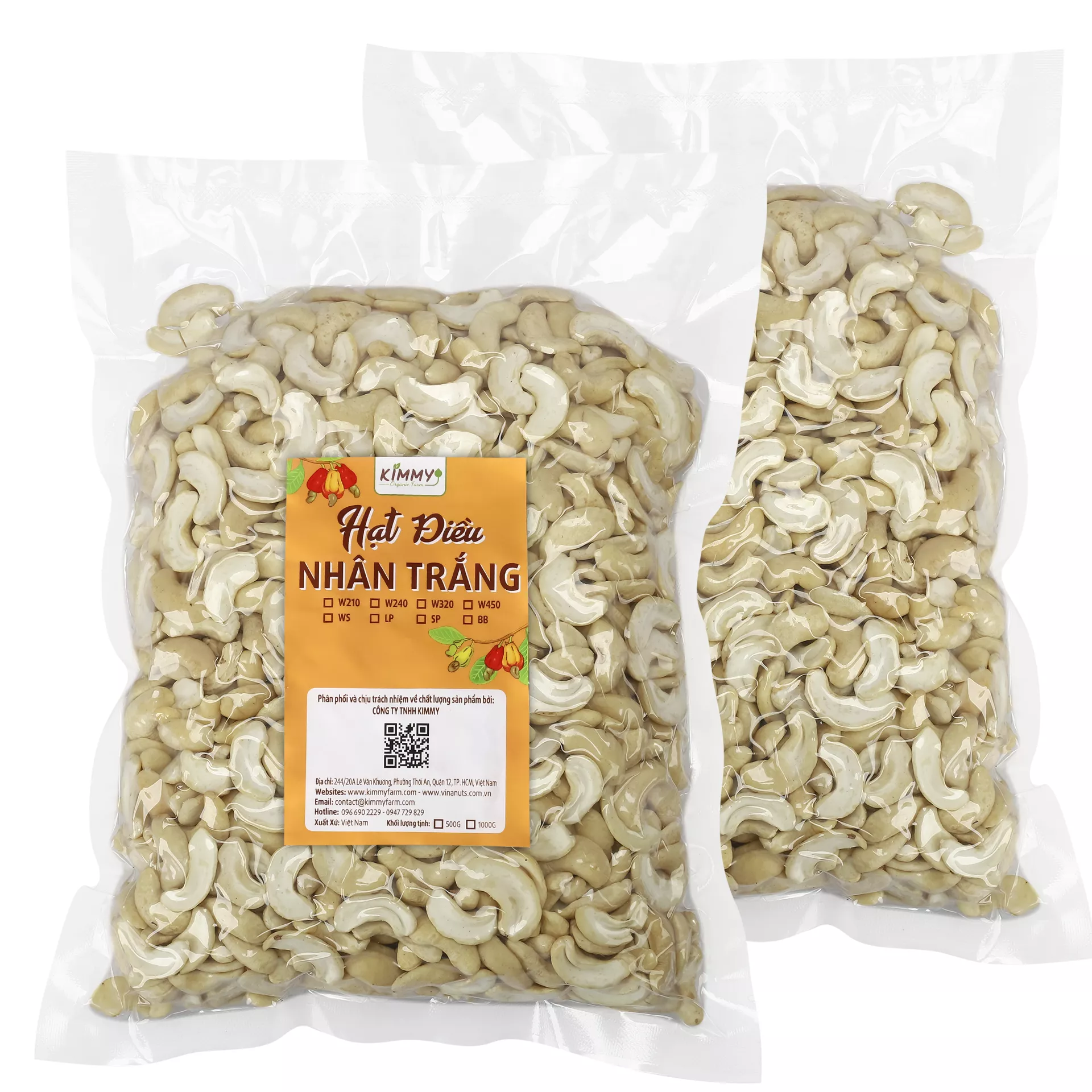
Related Cashew Products
- Raw Cashew Nuts
- WW240 White Cashew Kernels
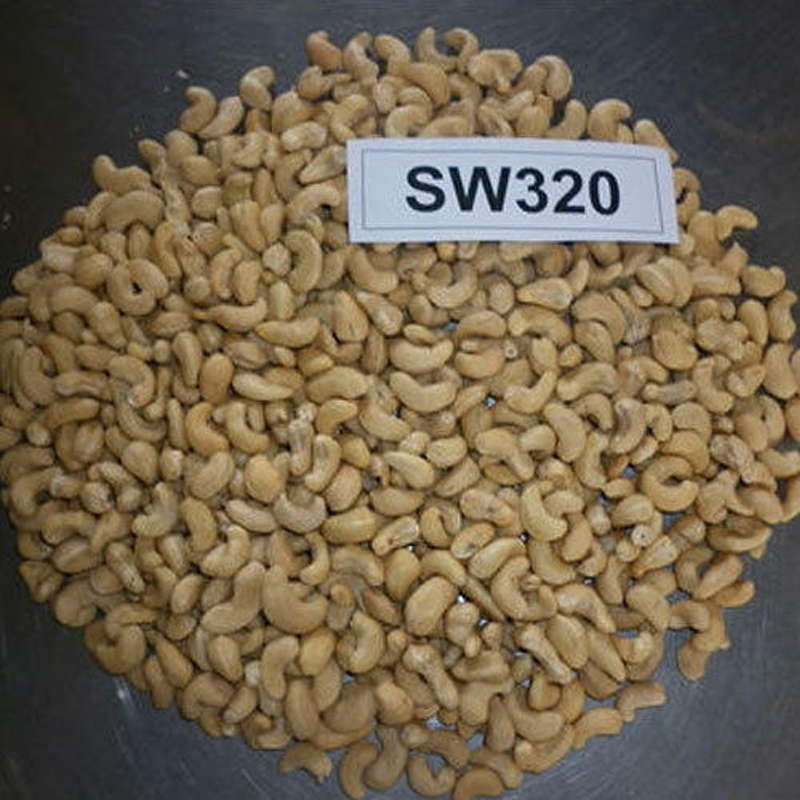
- WW320 White Cashew Kernels
- WW450 White Cashew Kernels
- WS White Split Cashew Kernels
- WB White Butt Cashew Kernels

Chúng tôi là một thương hiệu chuyên sản xuất, thương mai và xuất khẩu các mặt hàng nông sản của Việt Nam. Chúng tôi có vùng trồng điều & nhà máy điều ở Bình Phước, trại nuôi ruồi lính đen ở Tây Ninh. Các mặt hàng xuất khẩu chính của Công ty là: hạt điều, hạt điều nhân, ruồi lính đen,… từ Việt Nam.