How to Incubate Black Soldier Fly Eggs Successfully and Effectively
How do you incubate black soldier fly eggs effectively? In general, incubating black soldier fly eggs, also known as hatching black soldier fly eggs or incubating calcium worm eggs, is a fairly simple process. However, when done correctly and with the right method, the hatching rate can be much higher. This helps reduce the initial cost of building your black soldier fly colony.
5 Important Notes Before Incubating Black Soldier Fly Eggs
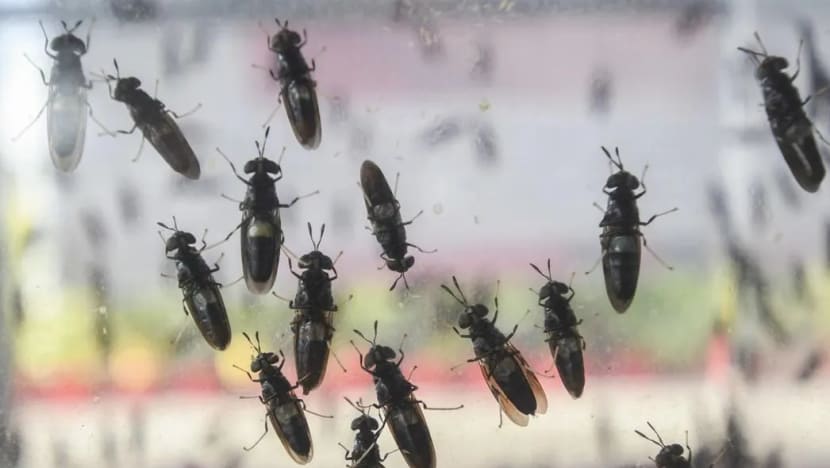
Black soldier flies prefer shaded, humid, and well-ventilated areas. The ideal temperature range is usually around 25°C to 30°C. They are also attracted to places with plenty of decomposing organic matter, such as compost areas, wet soil, soft waste piles, and shaded organic waste zones. Direct sunlight should be avoided.
- Warmer temperatures usually help black soldier fly eggs hatch faster.
- Lower temperatures slow down hatching and may reduce the survival rate of newly hatched larvae.
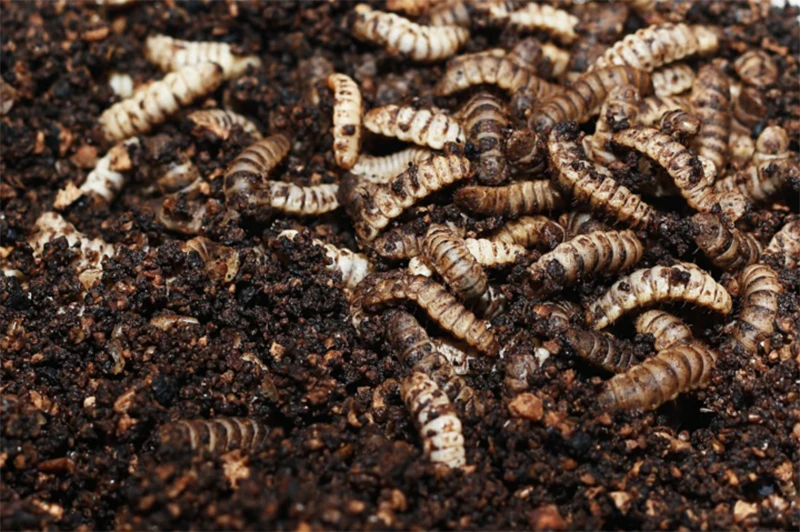
- Black soldier fly eggs usually hatch into larvae after about 2 to 3 days.
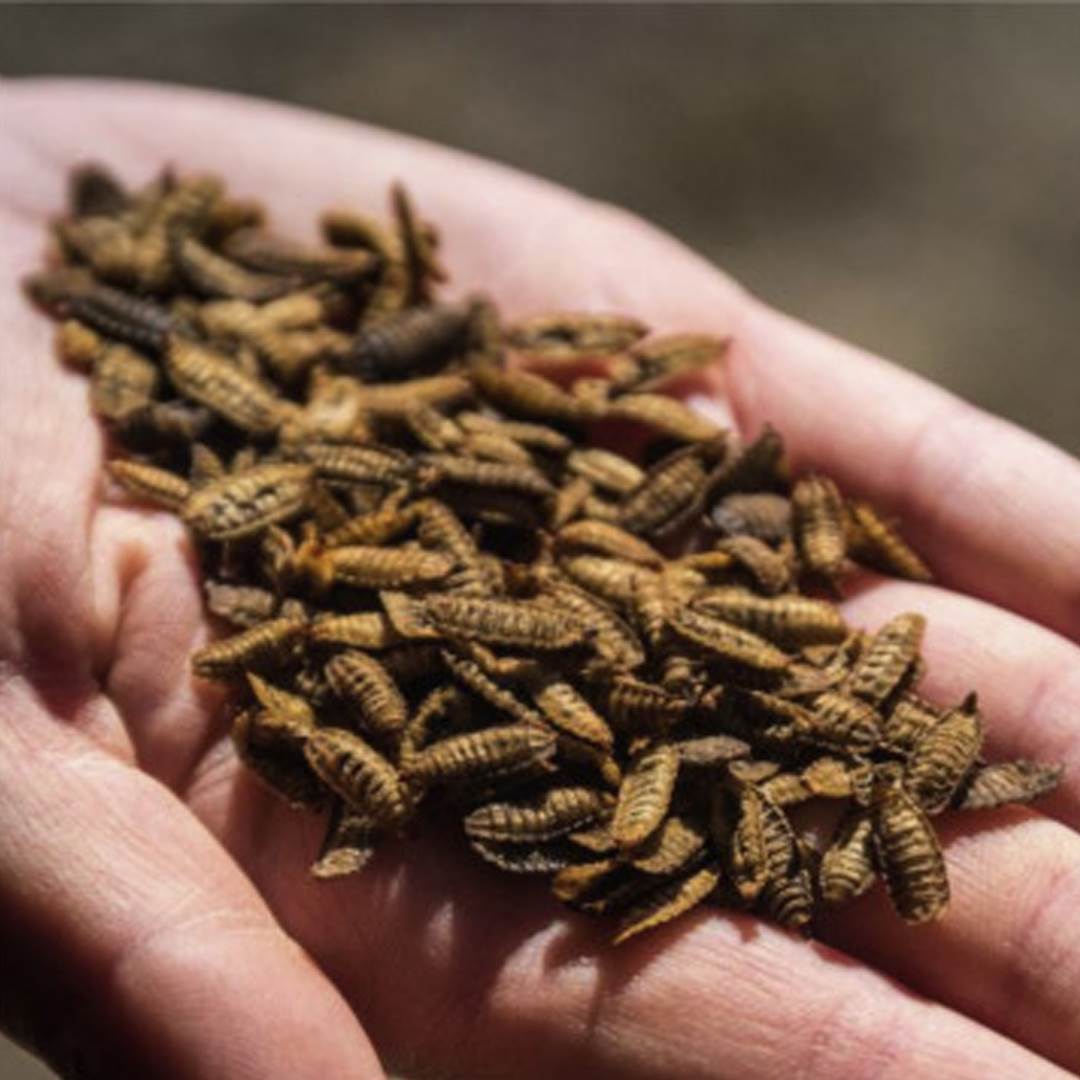
- After around 16 to 24 days, larvae gradually develop into pupae.
- A female black soldier fly can lay around 700 eggs per batch.
=> See more: Black Soldier Fly Farming Techniques in Vietnam
3 Basic Steps to Incubate Black Soldier Fly Eggs
- Prepare a proper egg incubation nest.
- Place the eggs correctly into the nest.
- Create and maintain a friendly incubation environment for black soldier flies.
Note: If you find egg incubation too difficult, you can buy young black soldier fly larvae, such as 4-day-old larvae, to start your colony faster and more easily.
Step 1: Prepare the Incubation Area

Preparing the right nest is the first step to successful black soldier fly egg incubation. The substrate used for the nest plays a key role in improving the hatching rate. Good materials for the incubation substrate include rice bran, broiler chicken feed, corn flour, or similar fine feed materials.
After choosing the substrate, mix it with a small amount of water to make it soft and moist. The best moisture level for hatching black soldier fly eggs is usually around 50% to 60%. A common mixing ratio is 1:1. For example, mix 1 kg of rice bran with about 1 kg of water, or slightly more if needed.
You can also place chicken feed in a bucket and add water until the water level is about one finger above the surface of the feed. Let it soak for about 4 to 5 days before using it as an incubation base.
Important Note
One common problem when using chicken feed as the incubation substrate is that it can dry out quickly, especially in hot climates. When it becomes too dry, it forms a hard layer that makes it difficult for newly hatched larvae to survive. On the other hand, if the substrate is too wet, the young larvae may drown. The ideal substrate should feel soft, cool, fluffy, and lightly moist when held in your hand.
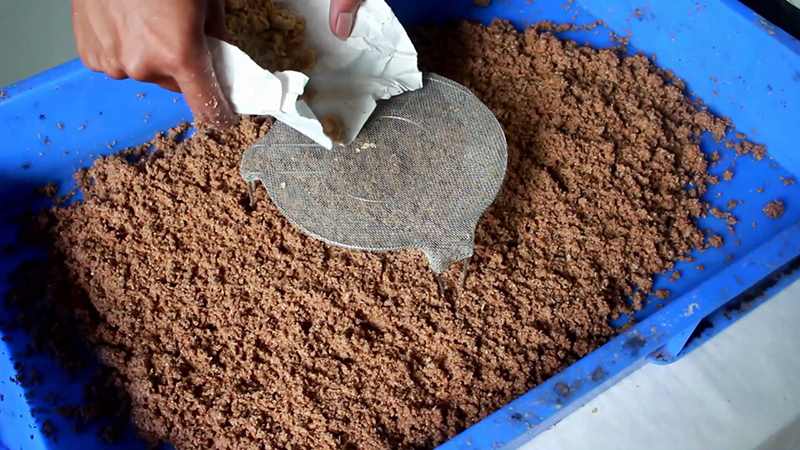
Prepare the black soldier fly egg incubation substrate by mixing feed materials with water to create the right moisture level.
Step 2: Place the Eggs Correctly into the Incubation Nest

To increase the hatching success rate and improve the survival rate of young larvae, black soldier fly eggs should not come into direct contact with the liquid from the substrate. Many feed materials used as incubation substrates contain salt and protein, which may damage the eggs if they are exposed too directly.
The best method is to place the eggs on a thin layer that separates them from the wet substrate. For example, you can place the eggs on a thin piece of paper, cardboard, or fine mesh, then place that layer on top of the incubation substrate.
The 3 Layers of a Black Soldier Fly Egg Incubation Nest
- Layer 1: Black soldier fly eggs
- Layer 2: Thin paper, cardboard, or mesh
- Layer 3: Moist incubation substrate
This setup allows moisture from the substrate to slowly pass through the paper or mesh without soaking the eggs directly.
Place the eggs on an intermediate layer such as thin paper, mesh, or cardboard. Do not place the eggs directly on the wet substrate.
Step 3: Create a Suitable Incubation Environment
Black soldier fly eggs should be incubated in a shaded, cool, and well-ventilated area with a temperature of around 25°C to 30°C. Avoid direct sunlight.
Before incubation, check the egg batch carefully. Sometimes, dead adult black soldier flies may be mixed with the eggs. These should be removed because they can attract ants to the incubation area.
Be Careful with Ants
During the early incubation stage, ants can carry away black soldier fly eggs and use them as food. Ant control sprays may help, but they should not be used too close to the incubation nest because the chemicals may kill newly hatched larvae. After the larvae hatch successfully, they often produce a natural odor that helps keep some other insects away from the colony area.
Keep ants away from the incubation area during the early stage. Ants can eat or carry away the eggs before they hatch.
Common Problems to Avoid When Incubating Black Soldier Fly Eggs
There are three common reasons why black soldier fly eggs may die before hatching:
- High temperature or heat shock
- Touching the eggs directly by hand
- Direct exposure to sunlight
Problem 1: High Temperature and Heat Shock
Black soldier fly eggs are very sensitive to temperature. The ideal temperature is around 25°C to 30°C. If the temperature reaches 40°C or higher, the eggs may die. For this reason, always keep the eggs away from heat sources and direct sunlight.
Problem 2: Touching the Eggs by Hand
Touching black soldier fly eggs directly with your hands can damage or kill them. The eggs are very small, soft, and fragile, with extremely thin shells. Human body heat and physical contact, especially from fingernails, can accidentally harm the unhatched larvae inside the eggs.
Avoid touching the eggs directly by hand. Use a small tool, paper, or a gentle transfer method instead.
Problem 3: Direct Sunlight Exposure
Black soldier flies are sensitive to light, especially during the egg stage. While adult flies may tolerate some sunlight, the eggs are much more fragile. Direct sunlight for only 5 to 10 minutes may dry out the eggs and kill them.
Always incubate black soldier fly eggs in a shaded and cool area.
About Kimmy’s Farm
This article was written by Kimmy’s Farm. Kimmy’s Farm supplies black soldier fly products such as eggs, larvae, pupae, and adult black soldier flies. We operate black soldier fly farms in clean agricultural areas in Binh Phuoc and Tay Ninh, and we also have a representative office in Ho Chi Minh City for convenient contact.
Kimmy’s Farm is a clean and modern agricultural farm with the goal of sharing practical value and helping develop Vietnam’s clean agriculture ecosystem. Please contact us if you are looking for black soldier fly products.
We hope this guide on how to incubate black soldier fly eggs successfully and effectively is helpful for your farm.
=> See more about black soldier fly eggs: Black Soldier Fly Egg Products

Chúng tôi là một thương hiệu chuyên sản xuất, thương mai và xuất khẩu các mặt hàng nông sản của Việt Nam. Chúng tôi có vùng trồng điều & nhà máy điều ở Bình Phước, trại nuôi ruồi lính đen ở Tây Ninh. Các mặt hàng xuất khẩu chính của Công ty là: hạt điều, hạt điều nhân, ruồi lính đen,… từ Việt Nam.