Chitosan is a natural compound known for many useful properties. In medicine, it has been studied and applied in areas such as wound care, dental care, cosmetic products, drug delivery, kidney-support research, and weight-management supplements. It is also commonly discussed for its possible role in supporting blood lipid control, skin moisture, tissue healing, and overall wellness.
In this article, Kimmy Farm will help you understand the main medical applications of chitosan, its practical benefits, and the safety notes users should know before using chitosan-based products.
Related articles:
- What Are Chitin and Chitosan? How Are They Different?
- Benefits and Applications of Chitosan in Agriculture
- Applications of Chitosan in Medicine and Practical Benefits
Beneficial Properties of Chitosan in Medicine
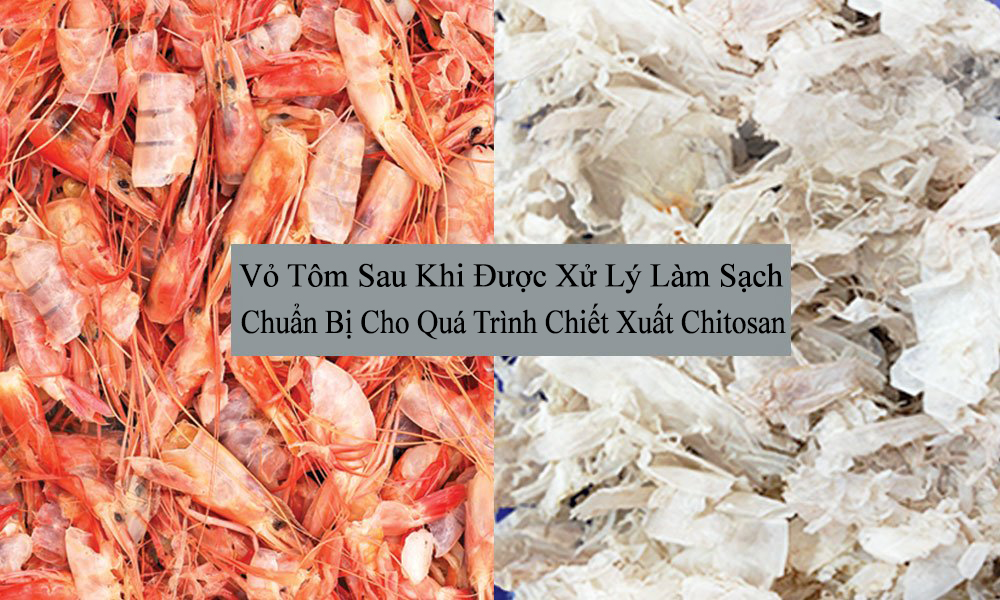
Chitosan is extracted from chitin, a natural substance found in the hard outer shells of crustaceans such as shrimp, crab, lobster, and other shellfish. Thanks to its useful biological properties, chitosan has become an important material in modern medical research and product development.
Chitosan is valued because it may offer antibacterial, antifungal, biocompatible, and biodegradable properties. In simple words, it is a material that can interact well with the body and break down naturally under suitable conditions.
Some notable properties of chitosan include:
- Antifungal activity.
- Antibacterial activity.
- Low toxicity when used properly.
- Good compatibility with the human body.
- Good compatibility with animals.
- Solubility in acidic solutions.
- Water solubility in some forms, such as oligo chitosan.
- Potential for use in medical, cosmetic, and pharmaceutical products.

- Chitosan is extracted from chitin found in shrimp shells, crab shells, and other crustacean shells. It has many useful properties and is widely studied in modern medicine.
Is Chitosan Safe for the Human Body?
Chitosan is generally considered safe for most people when used properly. It is commonly used in topical products and dietary supplements. However, like many natural compounds, it still needs to be used with care, especially when taken by mouth.
When used orally, chitosan may cause mild digestive discomfort in some people, such as stomach upset, constipation, or bloating. People who are pregnant, breastfeeding, taking medicine, or managing a medical condition should speak with a healthcare professional before using chitosan supplements.
One point should be handled carefully: people with shellfish allergies are usually allergic to proteins in shellfish meat, not necessarily the shell material used to make chitosan. Still, this does not mean every shellfish-allergic person can use chitosan safely. If you have a shellfish allergy, it is best to ask a doctor before using chitosan products.
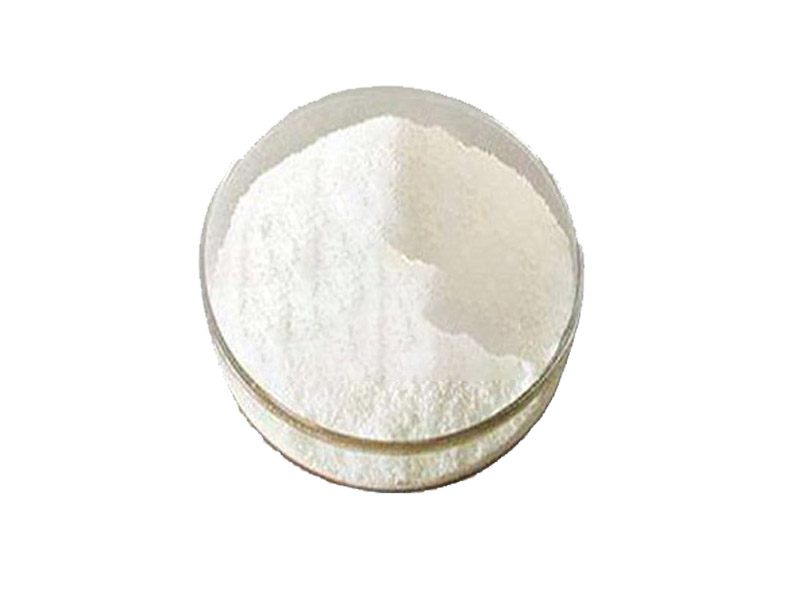
Chitosan is commonly considered safe in these cases:
- When used externally on the skin in suitable formulas.
- When used in controlled amounts in cosmetic or medical materials.
- When taken orally for a short period, with proper dosage guidance.
- When used under medical advice, especially if the user is taking other medications.
Possible side effects of chitosan may include:
- Mild stomach discomfort.
- Bloating or indigestion.
- Constipation in people with sensitive digestion.
- Possible interaction with some medicines or supplements.
- Not recommended for pregnant or breastfeeding women without medical advice.
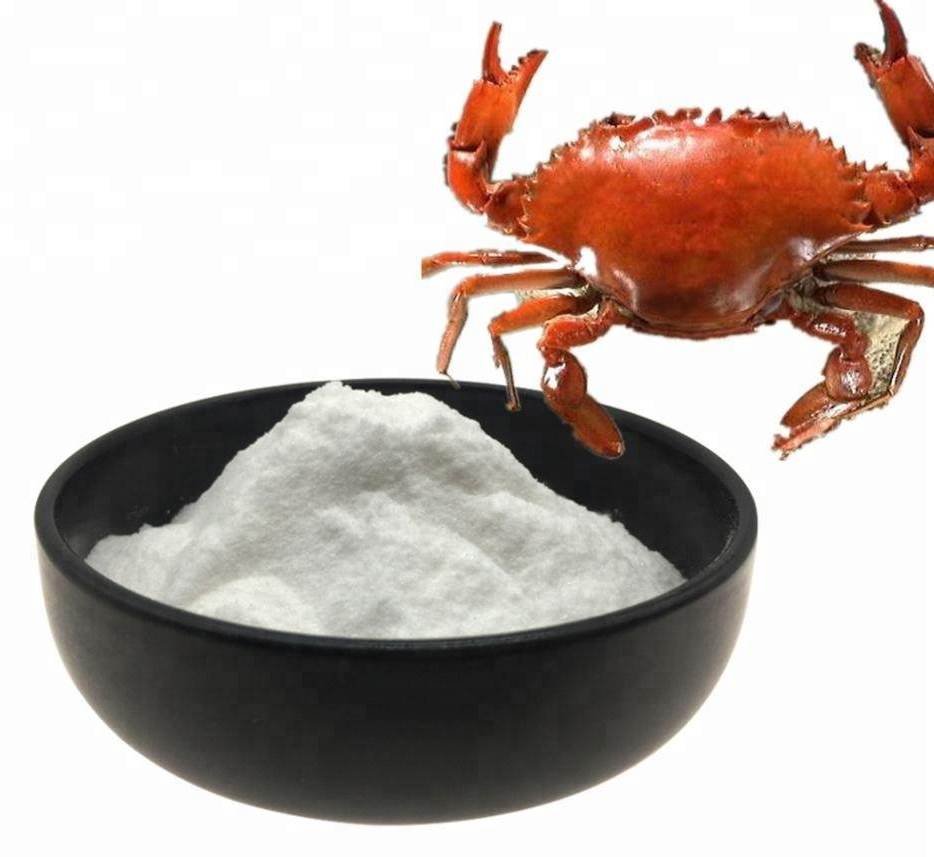
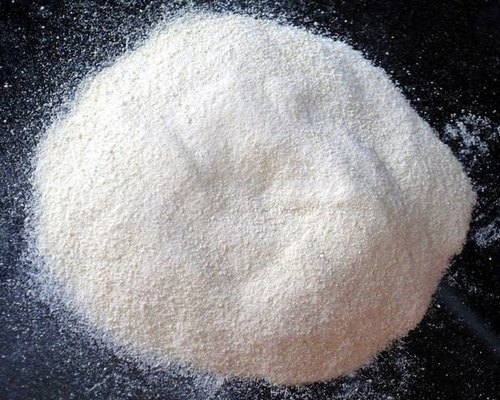
- Chitosan is a natural compound extracted from chitin in shrimp, crab, and other crustacean shells.
Practical Applications of Chitosan in Modern Medicine
In medicine, chitosan is used and studied as a material for wound care, drug delivery, dental care, tissue support, cosmetic care, and other health-related products. Its structure allows it to form films, gels, fibers, and coatings, making it useful in many medical and cosmetic formulas.
Common medical applications of chitosan include:
- Dental and oral care.
- Wound healing support.
- Skin care and beauty products.
- Cosmetic surgery aftercare.
- Research related to kidney-support products.
- Drug delivery systems.
- Weight-management supplements.
- Biomedical materials and tissue-support research.
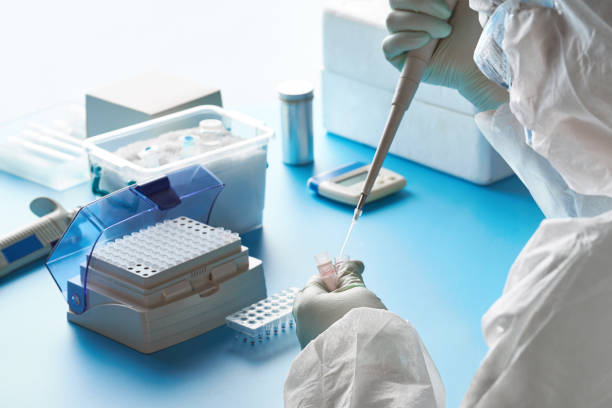
- Chitosan is widely studied as a material for medicine, pharmaceuticals, wound care, and biomedical applications.
Chitosan in Dentistry
Chitosan is used in dental research because of its antibacterial and film-forming properties. It may be included in oral-care products such as mouth rinses, dental gels, chewing gums, or periodontal-care formulas.
In some cases, chitosan-based products are studied for supporting gum health, reducing harmful bacteria in the mouth, and helping protect teeth from decay. Still, dental problems such as gum inflammation or tooth decay should be treated by a dentist, not only with home-use products.
Chitosan in Tissue Support and Transplant Research
Chitosan has been studied as a biomedical material in tissue engineering and transplant-related research. Because it can form gels and membranes, it may help create a suitable surface for tissue repair and healing.
In medical settings, chitosan-based materials may be used to support wound protection, tissue regeneration, or controlled healing. These uses require professional handling and are not the same as using common chitosan supplements.
Chitosan in Kidney-Related Research
Some studies have explored oral chitosan for people with kidney-related health issues, especially in relation to cholesterol, anemia, appetite, physical strength, and sleep quality. However, this area needs careful medical supervision.
People with kidney disease should not self-use chitosan as a treatment. Kidney-related conditions require medical diagnosis, monitoring, and proper treatment from healthcare professionals.
Chitosan in Wound Healing
One of the most well-known medical uses of chitosan is in wound-care materials. Chitosan can help form a protective layer over a wound and may support the natural healing process.
It is also studied for burn care, skin graft support, and infection control. Because of its film-forming and antibacterial potential, chitosan is often used in dressings, gels, and biomedical wound-care materials.
Chitosan in Cosmetic Surgery and Skin Recovery
Chitosan is also used in cosmetic and post-procedure skin-care research. Some chitosan derivatives, such as N-carboxybutyl chitosan, have been studied for their ability to support skin recovery and reduce scar formation after surgery.
In cosmetics, chitosan can help maintain skin moisture, create a smooth film on the skin, and improve the texture of beauty products. This is why it may appear in creams, lotions, masks, and other skin-care formulas.
Chitosan in Weight Management
Chitosan is a fiber-like substance. It is often marketed as a weight-management ingredient because it may bind to some fats in the digestive tract. However, its weight-loss effects are still debated.
Some studies suggest that chitosan may support weight management when combined with a reduced-calorie diet. But using chitosan alone, without controlling food intake and lifestyle habits, is unlikely to create strong results.
This is an important point: chitosan should not be treated as a “magic” weight-loss medicine. It may be used as part of a broader plan, but healthy eating, movement, sleep, and medical advice still matter much more.
Chúng tôi là một thương hiệu chuyên sản xuất, thương mai và xuất khẩu các mặt hàng nông sản của Việt Nam. Chúng tôi có vùng trồng điều & nhà máy điều ở Bình Phước, trại nuôi ruồi lính đen ở Tây Ninh. Các mặt hàng xuất khẩu chính của Công ty là: hạt điều, hạt điều nhân, ruồi lính đen,… từ Việt Nam.